
When a Swop-Out Makes Sense on Site
Plant swop-outs are used when the original machine no longer fits the job, when output needs to step up, or when a unit has gone down unexpectedly. On a busy site in Germiston, Midrand, Durban or Cape Town, waiting for the wrong machine to keep working can cost a full shift, so we plan the changeover with the foreman or site agent and get the replacement to site with the right documents and operator, if needed.
Typical reasons include a trench getting deeper, a bulk earthworks section opening up, a tighter access route, or a project needing more lift capacity for precast, steel, or formwork handling. We also handle swop-outs when a machine is fine mechanically but is simply not the best size for the next phase. That can mean moving from a 3 tonne excavator to a 6 tonne unit, or swapping a smaller generator for a higher output set during load-shedding periods.
What Is Included in the Swop-Out Service
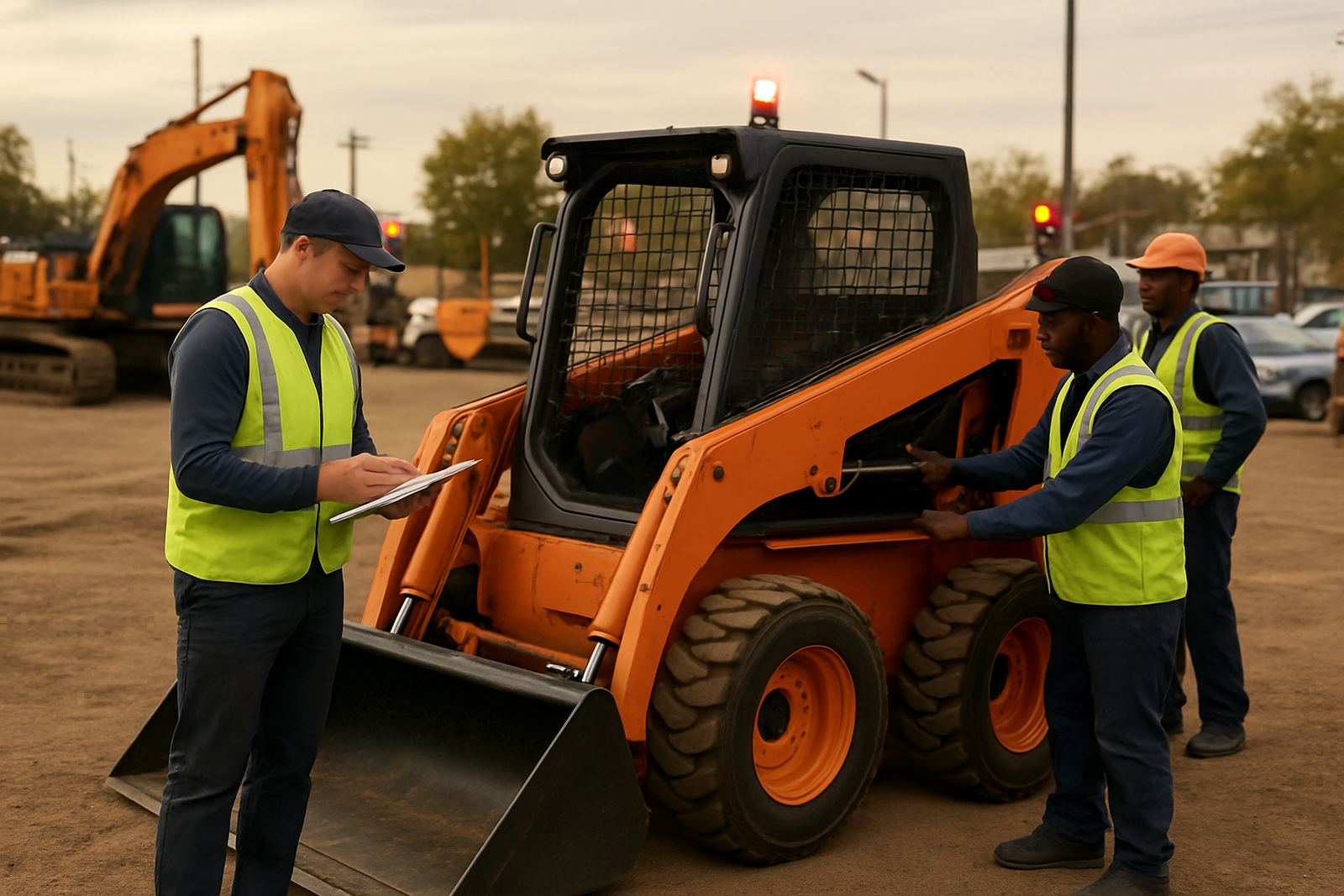
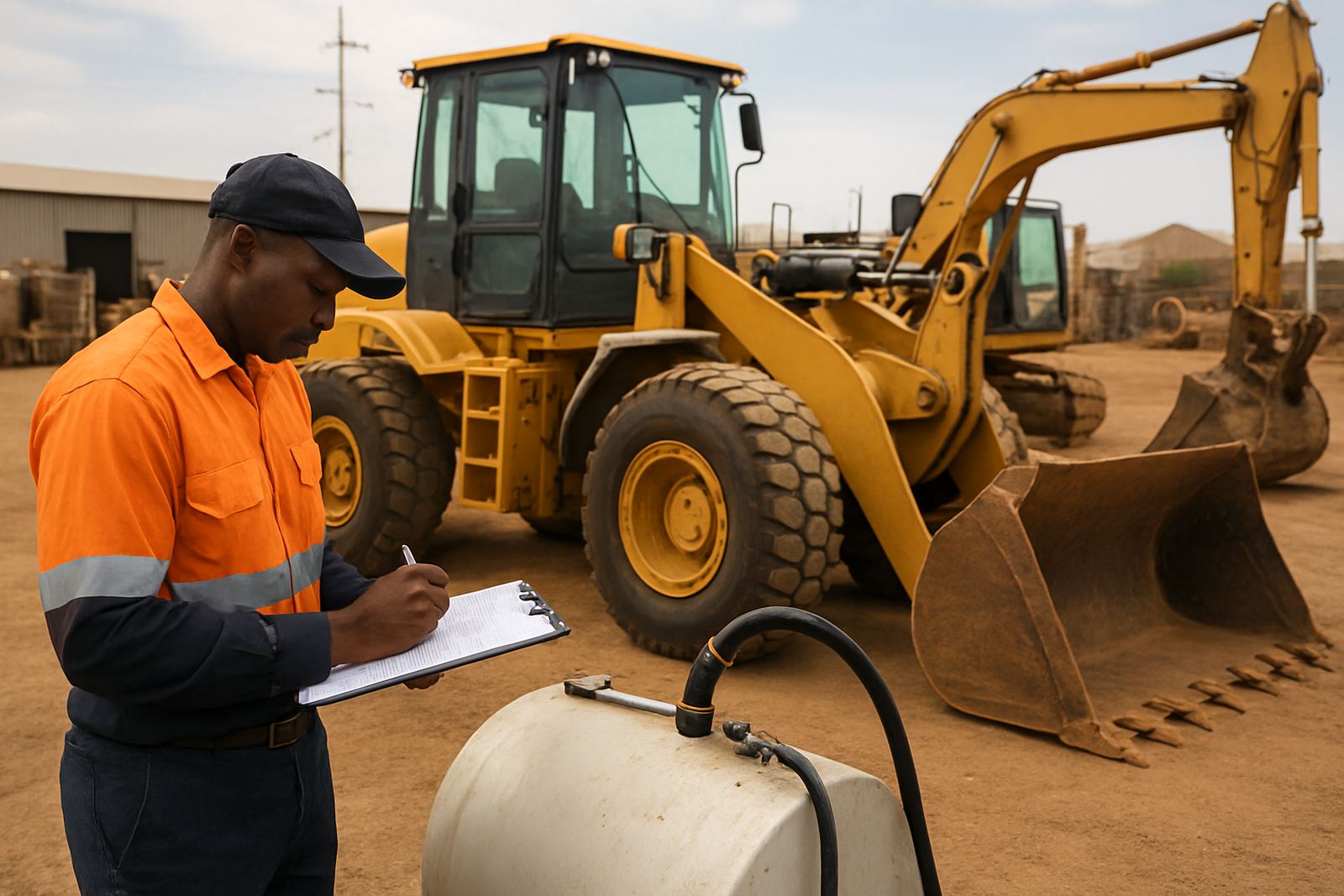
The service covers the practical side of getting the right machine on site and the current unit off site without confusion. We confirm the replacement spec, check transport access, arrange the drop-off and collection timing, and make sure the handover is recorded properly. If the project needs it, we can also include operator supply, fuel management, and a quick safety check before the machine starts work.
- Replacement machine matched to the task and available site access
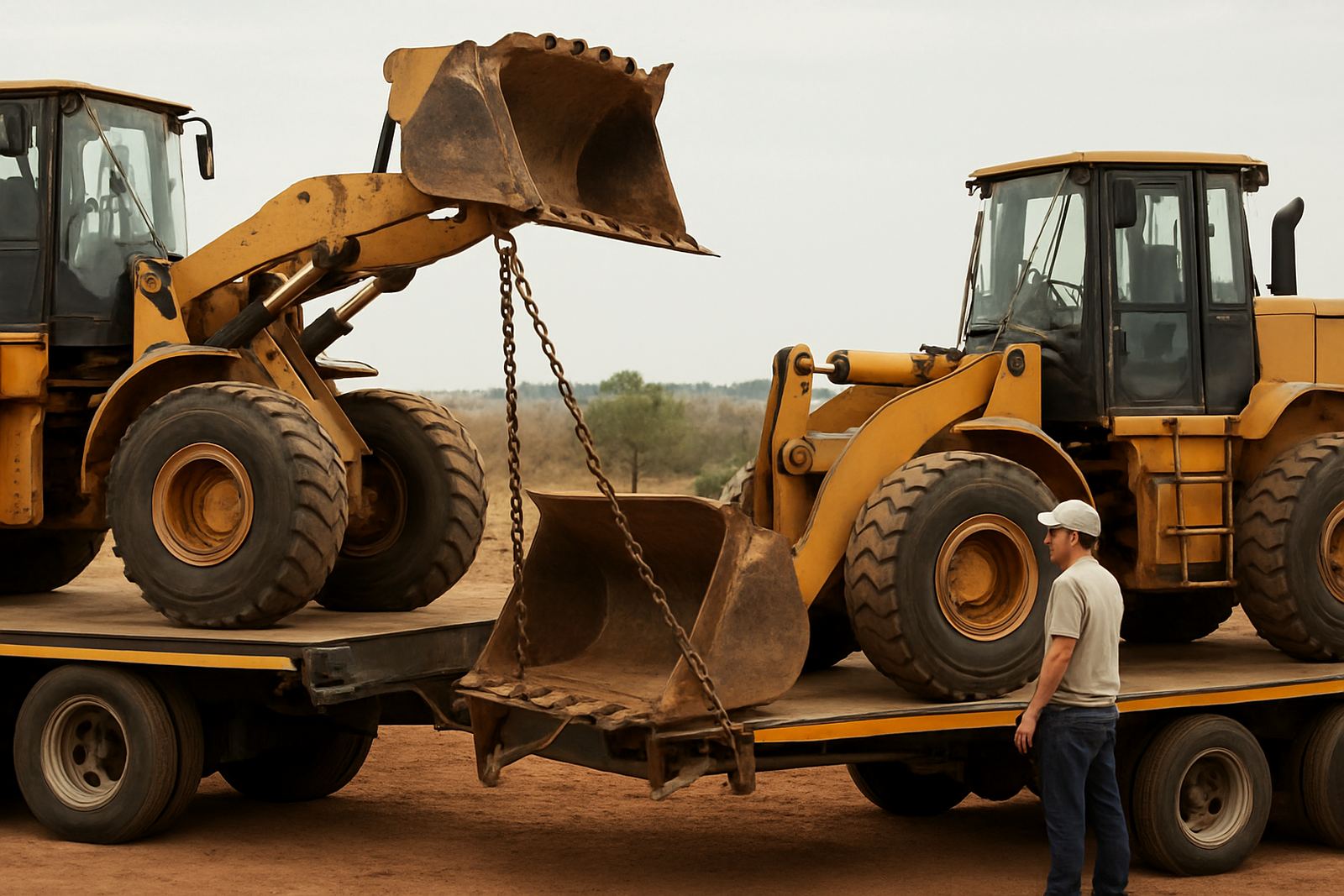
- Collection of the outgoing unit, including off-hire coordination
- Transport scheduling for same-day or next-day movement where possible
- Pre-departure inspection and basic service check before dispatch
- Site handover paperwork and safety documentation
- Optional operator, fuel top-up, and after-hours weekend support
For coastal sites in Durban or the Western Cape, we take extra care with corrosion-prone equipment and fast turnaround on cleaning and inspection. On inland sites, we focus on dust, heat and wear on pins, tyres and filters, which can change a machine’s working condition sooner than expected.
Our Swop-Out Process from Call to Swap
We keep the process simple so the site team knows what is happening and when. First, we confirm what the current machine is doing, what problem has come up, and what output the next phase requires. Then the fleet team checks availability, transport timing, and any site restrictions such as delivery hours, tipper access, or municipal rules around road closures and work permits.
- Step 1: Share the machine type, site location, and reason for the change
- Step 2: We assess the replacement spec, hours, and any operator need
- Step 3: Transport and collection windows are confirmed with the site agent
- Step 4: The new machine is delivered and the outgoing unit is removed
- Step 5: Handover checks, fuel level, safety docs and usage notes are completed
Where the project is urgent, we work on same-day dispatch if the depot stock and road route allow it. For planned phase changes, we usually suggest a 24 to 48 hour buffer so the right plant, driver and paperwork are lined up without a rush.
Equipment Options and Spec Matching
Swop-outs are not just about replacing one machine with another. The new unit has to match the task, ground conditions and site rhythm. We look at dig depth, bucket size, lift height, reach, power output and transport limits before recommending a change. If the site is working in soft ground after rain, a tracked machine may be better than a wheeled option. If the next phase is about compaction or services trenches, the spec may need to change again.
Common swop-out categories include excavators from 1.7 tonne up to 20 tonne, skip or straight boom loaders, dozers, site generators from 10 kVA to 250 kVA, mobile scaffold sets, and access equipment for finishing trades. We can also swap between long-term hire units and short-term fill-in plant, depending on how long the job has left to run. Sometimes the best move is a smaller machine with lower fuel burn, especially where site space is tight and the crew need cleaner movement around material stockpiles.
Pricing, Hire Changes and Budget Control
We price swop-outs according to the distance, machine class, transport needs, urgency and whether the replacement is a like-for-like change or a full spec upgrade. Where the project is on long-term hire, we can usually adjust the hire plan so the site is not paying for capacity it no longer needs. If the outgoing machine is being replaced due to failure, we will first check the hire terms and maintenance history before confirming the next charge line.
There is no one-size-fits-all rate because a quick change inside Gauteng is very different from a late afternoon dispatch to a coastal site outside Durban. We quote transparently and keep the cost practical, with options for weekend work, after-hours movement, or a planned collection and redelivery window. That helps contractors control downtime, and avoids paying for idle plant that is sitting on site doing nothing.
Maintenance Intervals and Downtime Prevention
Many swop-outs can be avoided with the right maintenance rhythm, and we build that into long-term hire plans. For high-use machines, we normally look at daily checks on oil, coolant, tyres or tracks, and visible leaks. Service intervals are then set by hours worked, site severity and operating conditions. On dusty Gauteng sites, filters and greasing may need closer attention, while on humid coastal work the focus shifts to electrical condition and corrosion control.
If a machine is starting to lose output, we can schedule a preventative swop before it becomes a stop-work issue. That means the site gets a replacement unit while the current one is removed for servicing, rather than waiting for a full breakdown. It is often the cleaner option for projects working to tight dates, because the crew stays productive and there is less scrambling for temporary cover.
- Daily visual checks by the site team
- Hourly or weekly service intervals based on usage
- Pre-change inspection before every replacement dispatch
- Breakdown response where a machine cannot stay in service
- On-site servicing for simple fixes when safe and practical
Key facts
| Typical machine classes | Excavators, bulldozers, generators, scaffold sets, loaders and access plant |
|---|---|
| Replacement size range | 1.7 tonne to 20 tonne excavators, 10 kVA to 250 kVA generator sets |
| Turnaround | Same-day dispatch where available, otherwise next-day or planned changeover |
| Service areas | Germiston, Johannesburg, Gauteng, KwaZulu-Natal and the Western Cape |
| Support options | Operator supply, fuel management, safety documentation and weekend support |
| Maintenance basis | Daily checks plus hour-based servicing matched to site conditions |