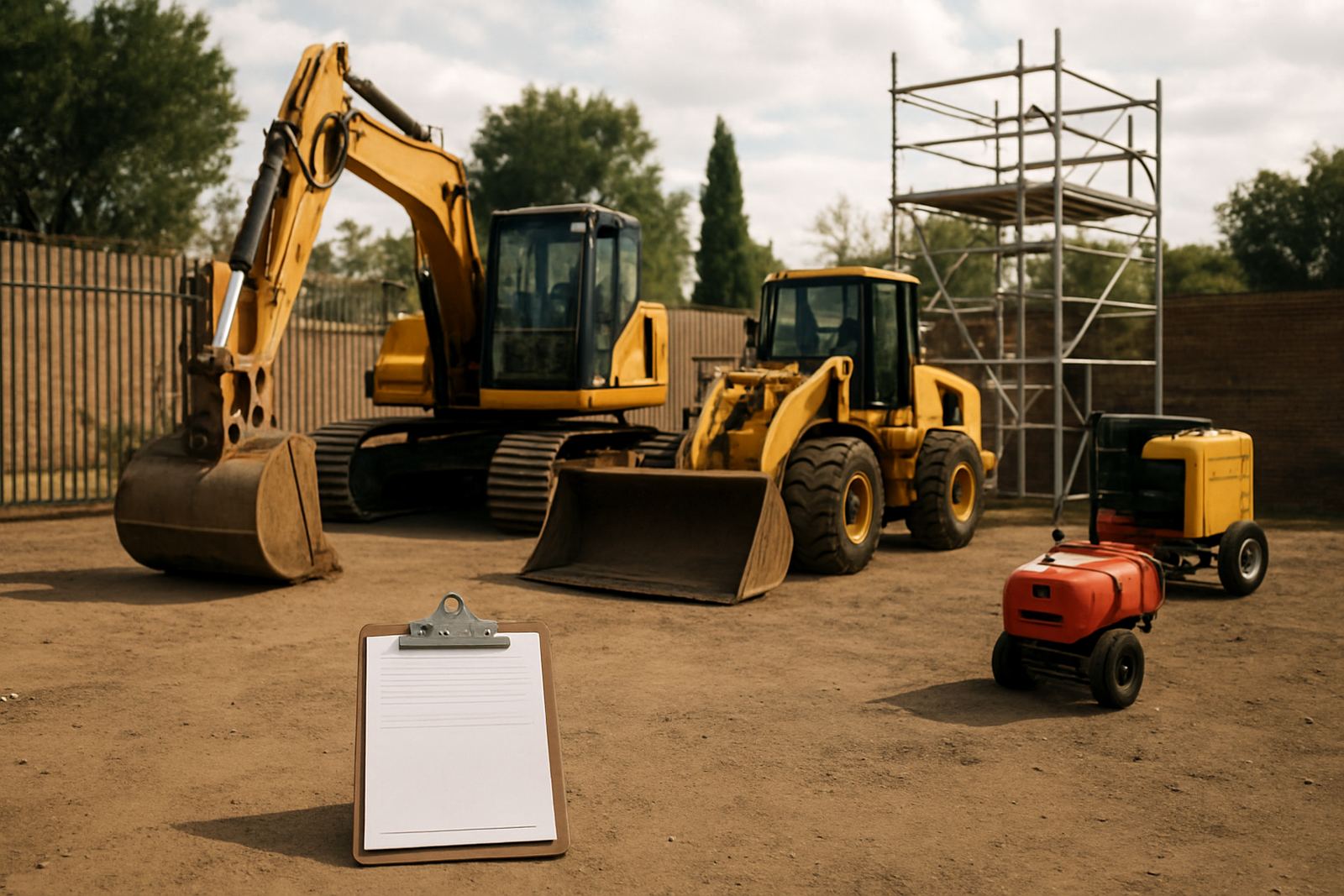
Start With the Job, Not the Machine
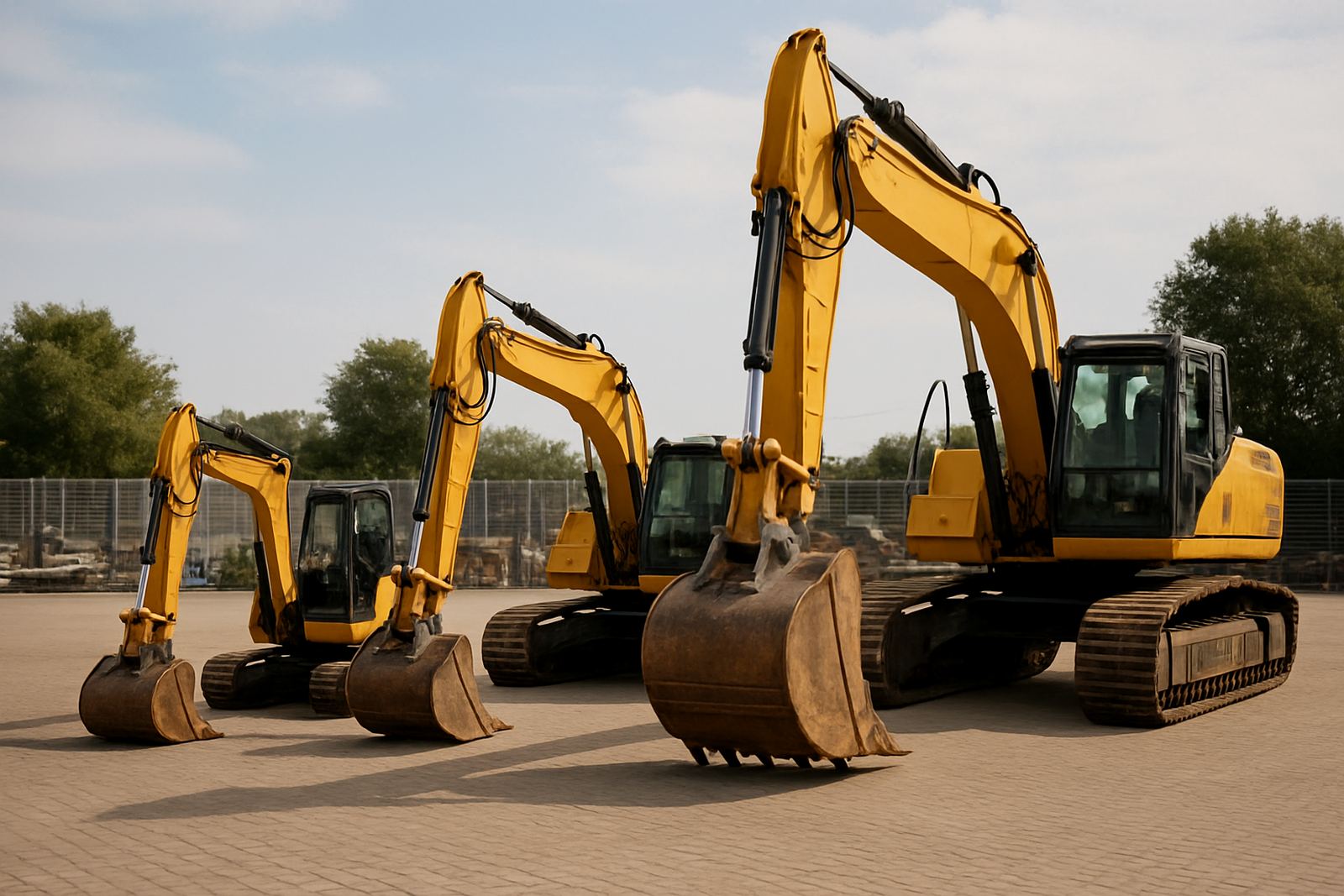
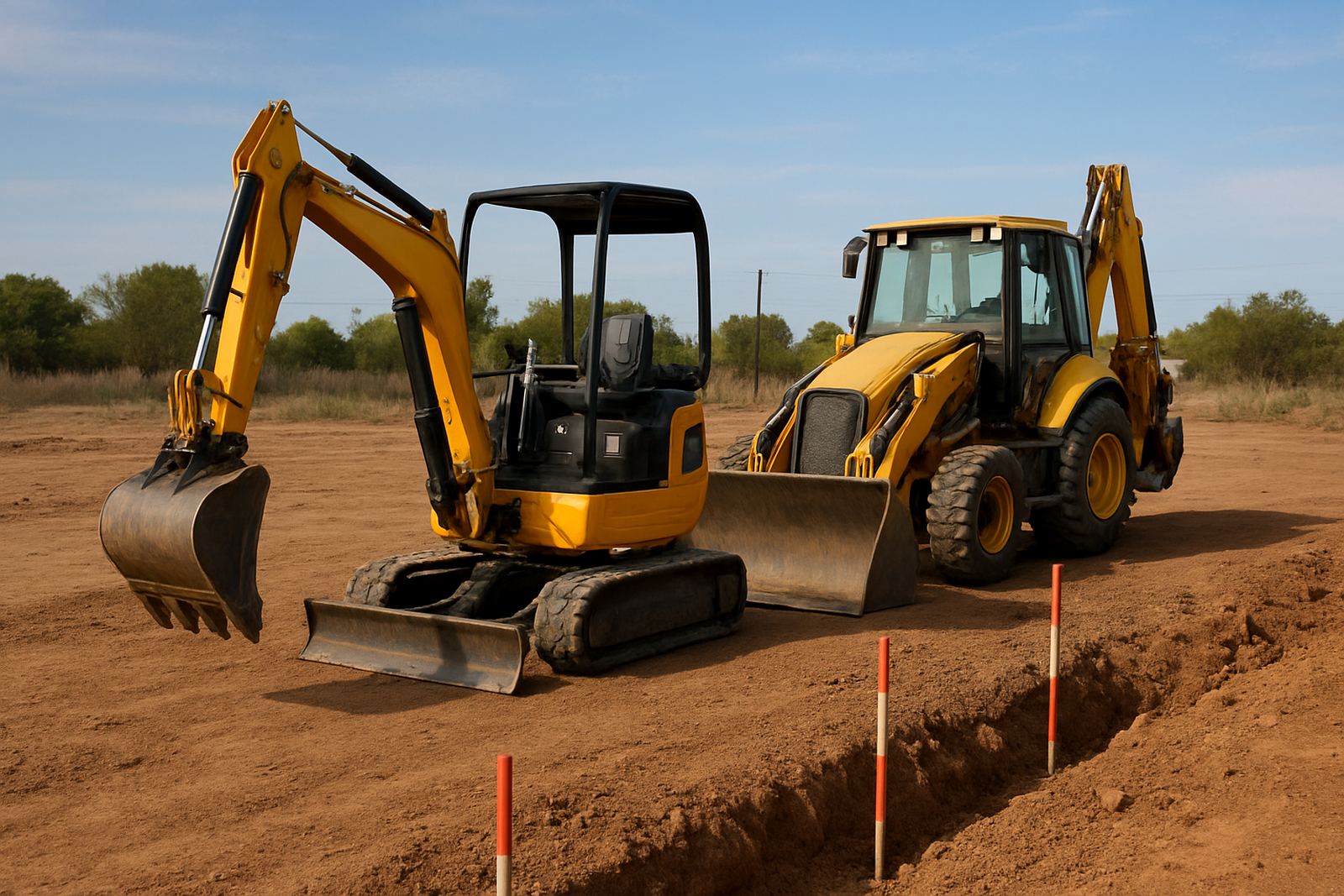
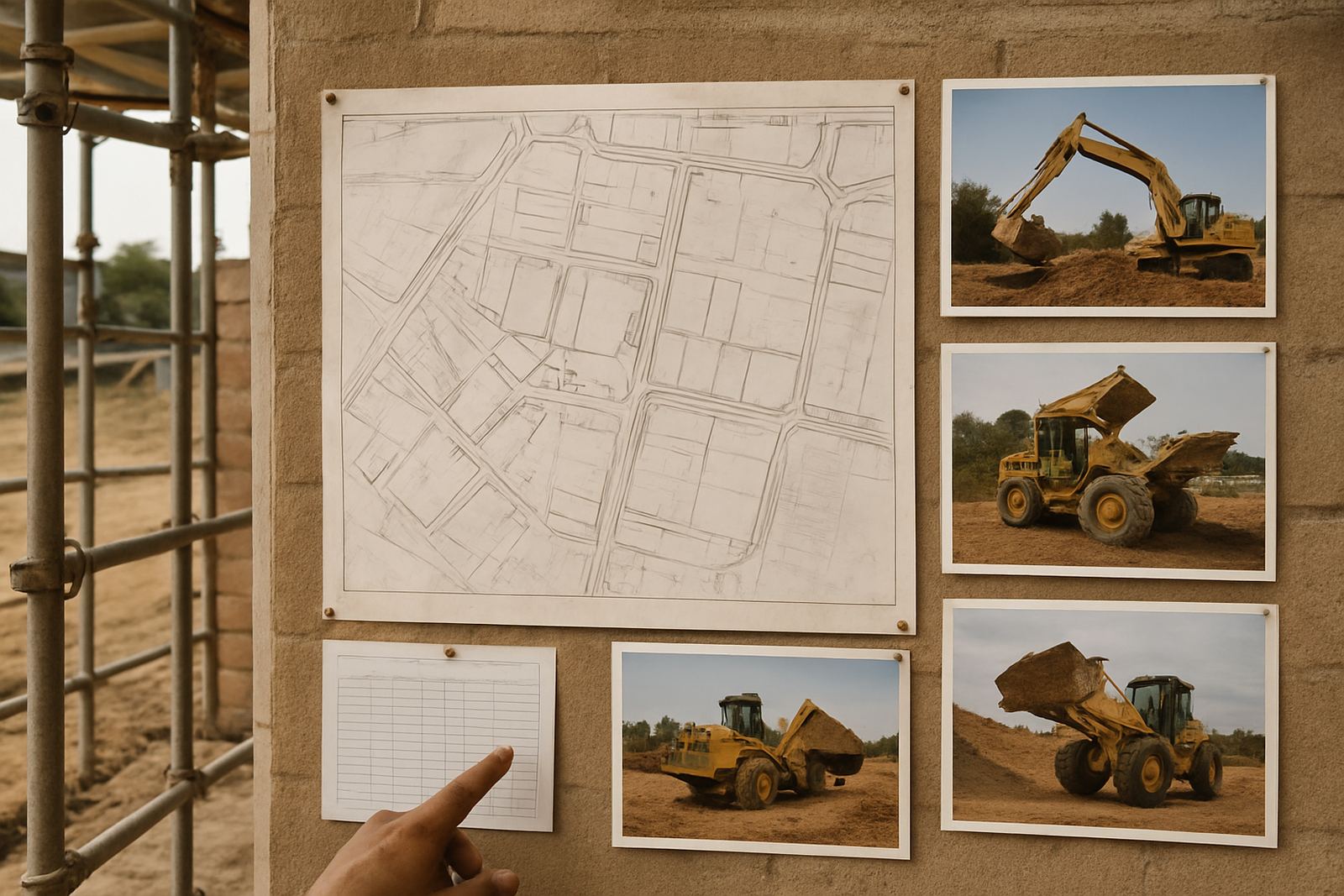
Good hire choices begin with the task on site. A trench in clay soil, a road patch in a busy street, or a slab pour on a tight commercial site all need different plant and different support. Before you book, work out what the machine must do, how long it will be needed and what access the site allows. That simple check saves time and keeps hire costs under control.
In Johannesburg, Durban, Pretoria East or along the Cape coast, the same rule applies: match the machine to the job conditions. Wet ground, steep access, low clearances and noise limits can change the option that makes sense. If you are not sure, our hire team can help you compare the choices before dispatch.
Check Access, Space and Ground Conditions
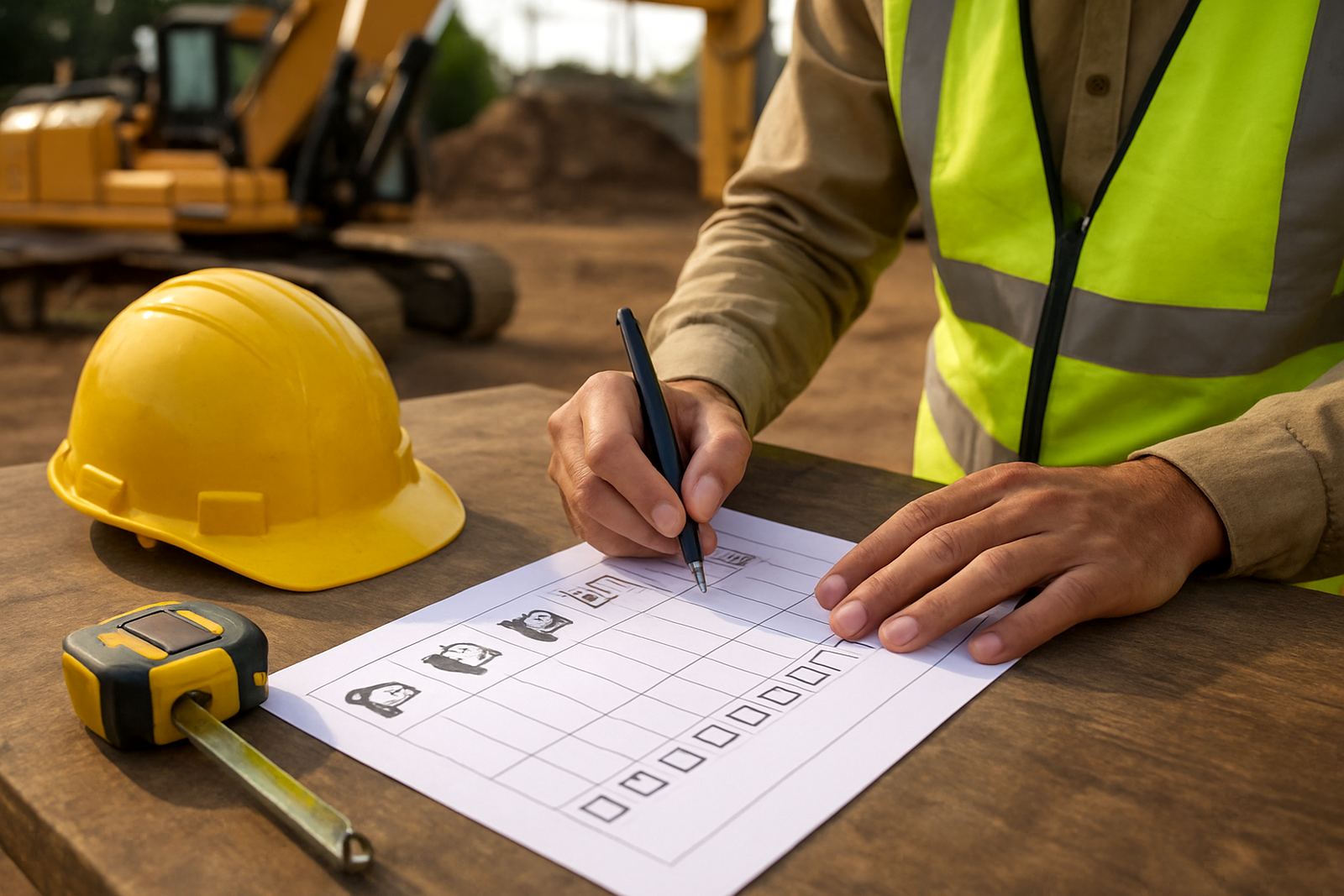
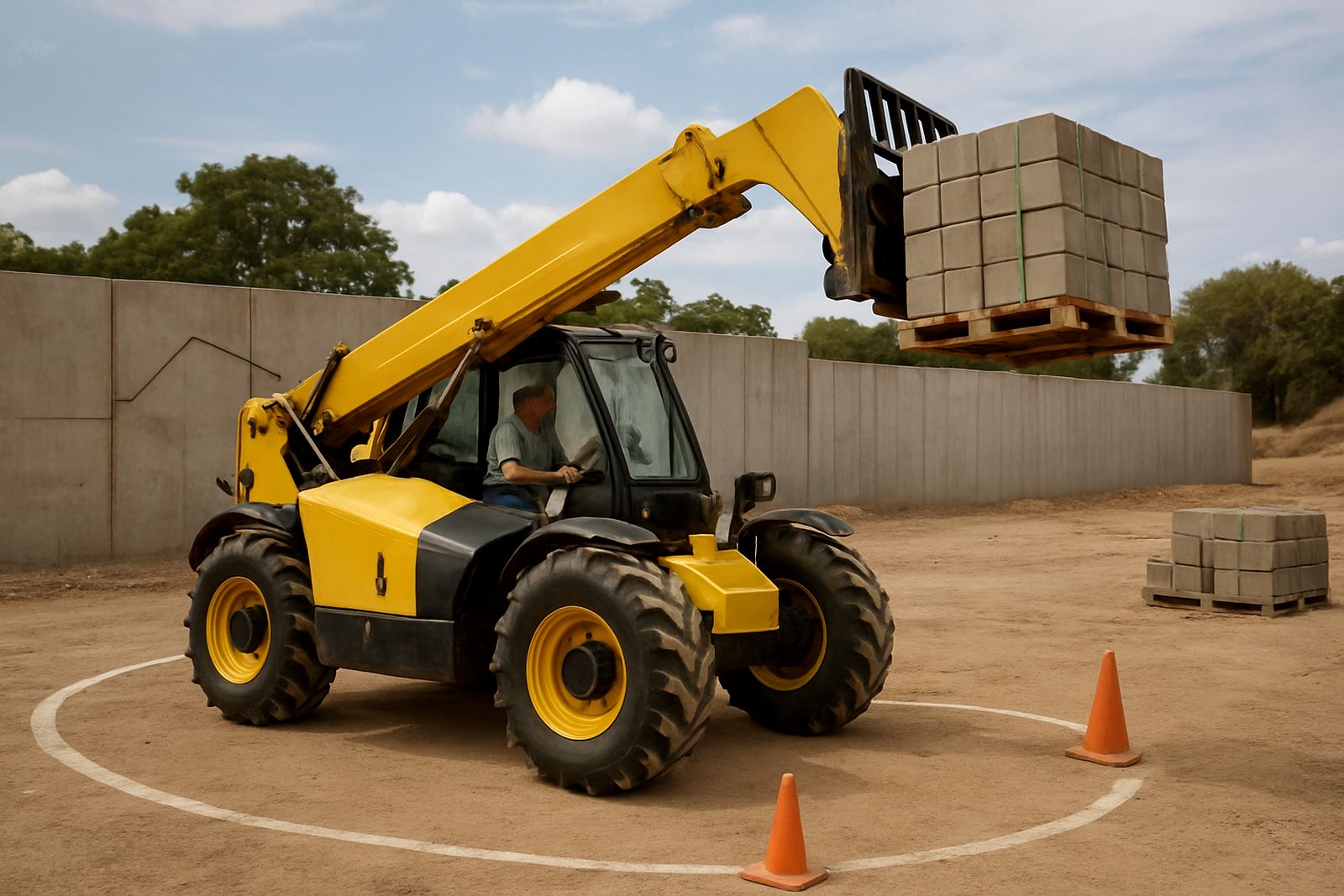
Many delays come from access problems, not from the machine itself. Measure gate widths, turning circles, overhead clearance and the route from the road to the workface. If a site has soft ground, a narrow entrance or shared access with other trades, say so early. That helps with delivery planning and can avoid a failed drop.
- Measure the narrowest entry point in metres, not roughly by eye.
- Check for overhead wires, low beams and underground services.
- Note whether the surface is gravel, sand, paving or fresh fill.
- Confirm if the site can take a delivery truck or needs smaller transport.
For inner-city work and live sites, access planning is often as important as the hire itself. It also helps with safety paperwork and municipal rules where permits or traffic control may be needed.
Choose the Right Power and Runtime
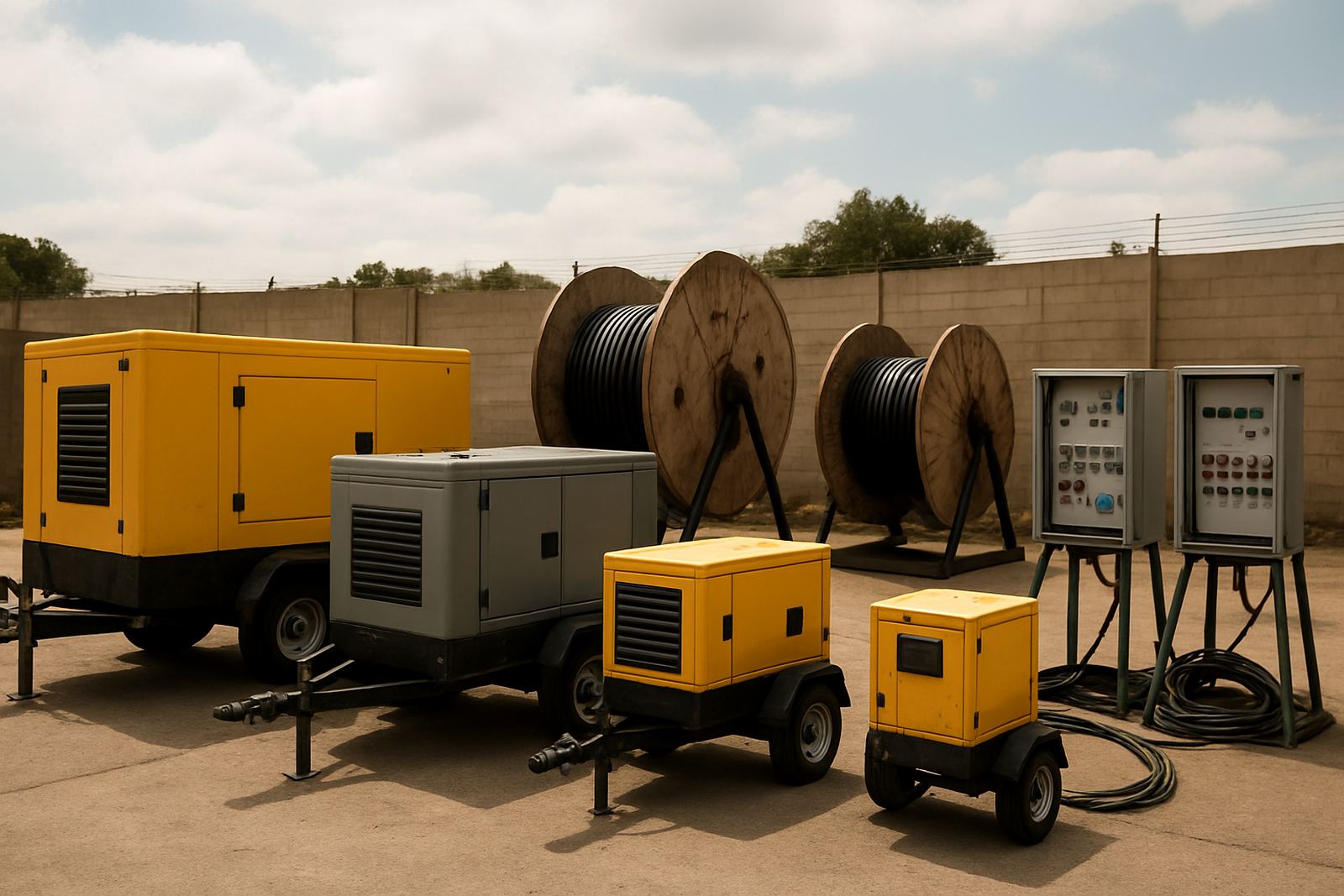
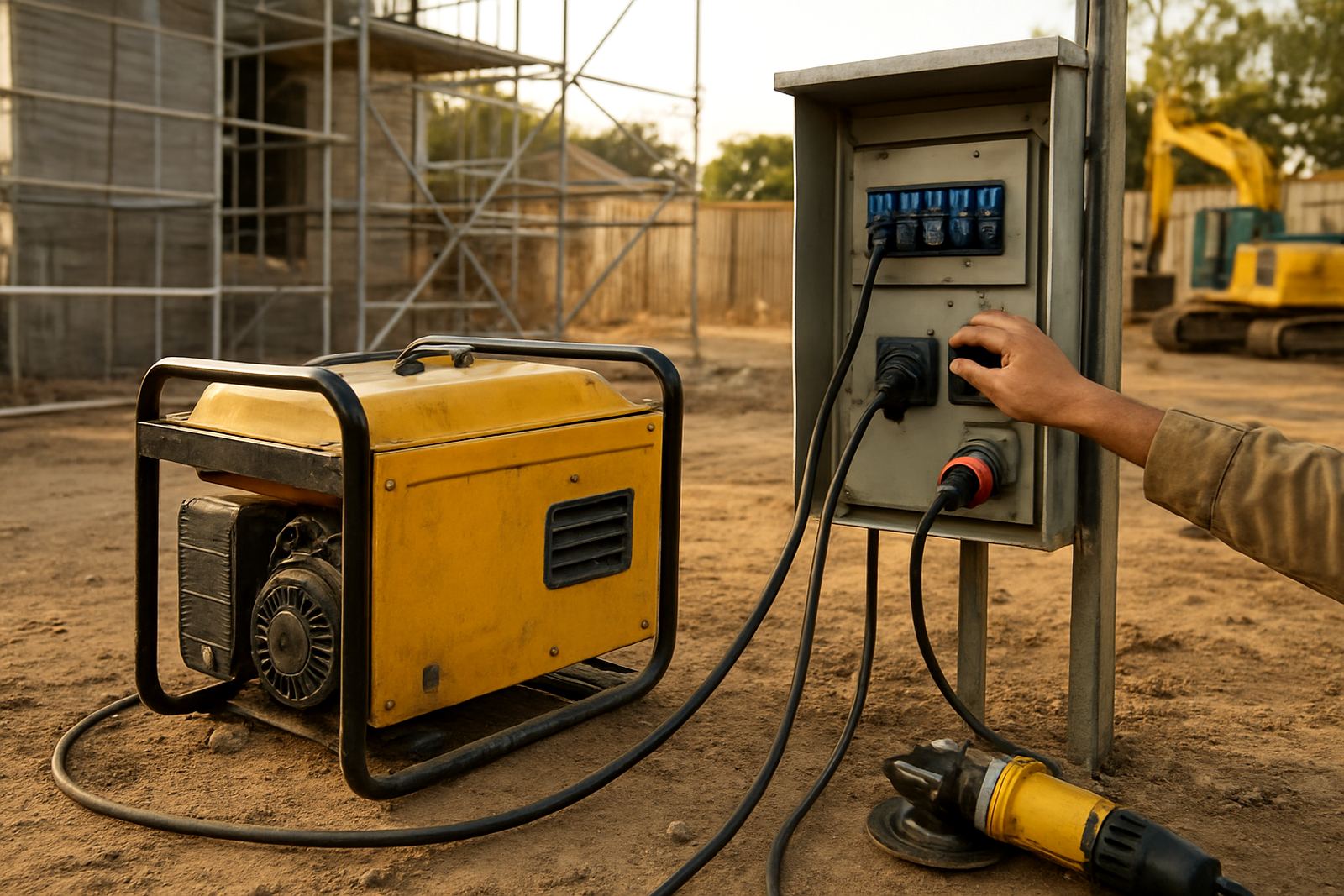
Power needs are not always obvious until the first day on site. Generators, compactors, lighting and pumps all draw different loads, and the wrong set-up can trip, stall or waste fuel. Check whether the equipment will run for a short shift, a full day or through the night, and whether backup power is needed for load-shedding or after-hours work.
Fuel use, tank size and refuelling access matter too. On longer hires, it is worth planning fuel management from the start so the machine keeps working and the crew does not lose time waiting for supply. In coastal areas, exposed electrics and stored plant should be managed with care because humidity can be hard on equipment.
- Confirm the expected operating hours per day.
- Ask whether site power, battery support or a generator is needed.
- Allow for fuel storage, safe refuelling and spill control.
- Check if night work will need lighting or quieter plant.
Short Hire, Long Hire or Weekend Support?
The hire period affects the best option and the cost. A one-day lift, a two-week excavation job and a six-month build programme need different planning. Short hire often suits urgent breakdowns, small repairs or weekend catch-up work. Long-term hire is better when the machine must stay on site and keep moving with the programme.
We also see projects that need plant swop-outs as the job moves from bulk earthworks to finishing work. If your schedule changes often, ask about fleet planning and off-hire collections so you are not paying for equipment that is sitting idle. Weekend support can be useful on fast-track jobs where Monday deadlines are already tight.
What Support Should Be Included
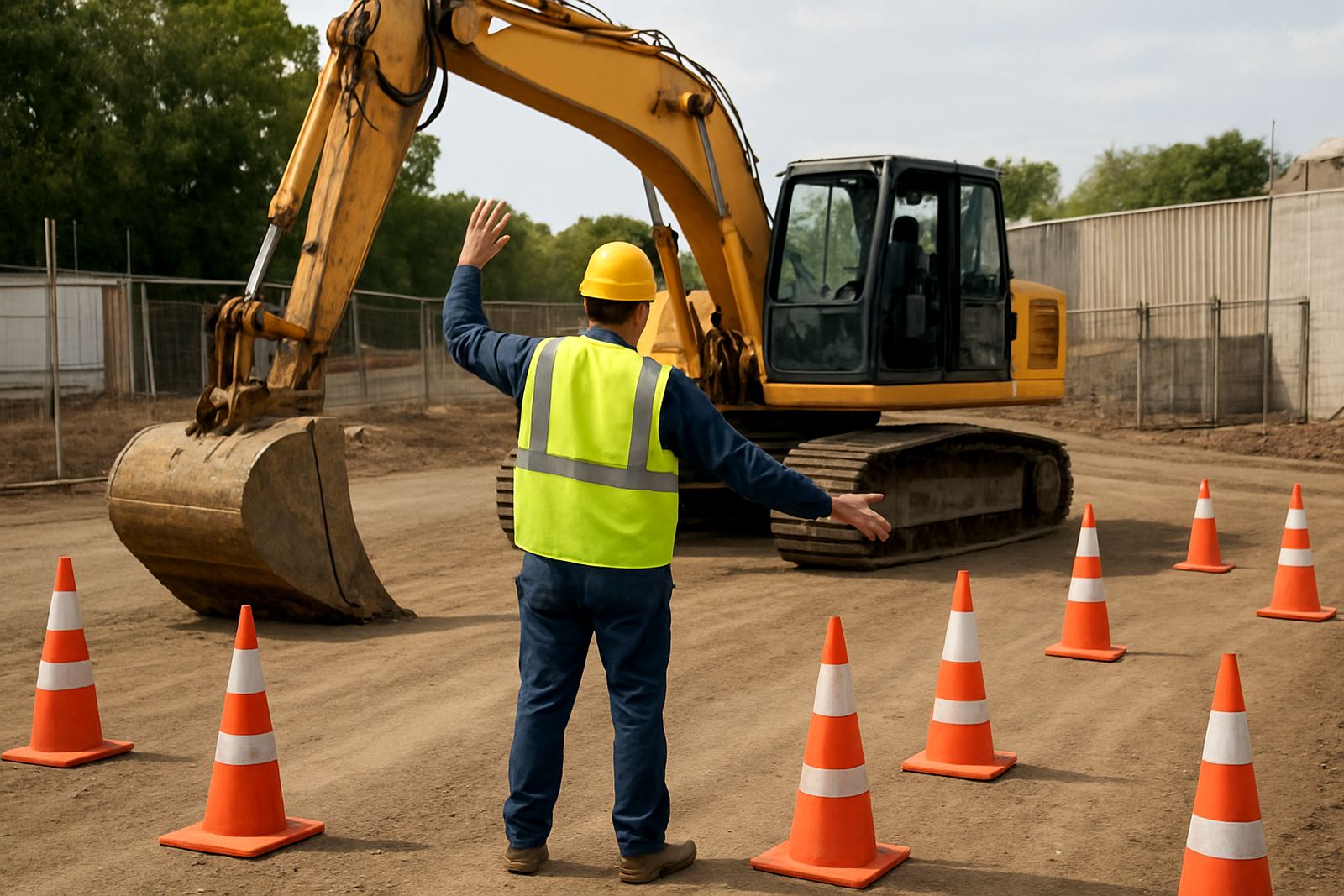
Reliable hire is about more than delivery. A good supplier should be able to help with operator supply, breakdown response, on-site servicing and safety documentation. On larger sites, that support keeps work moving and helps the contractor stay compliant with site rules and client requirements.
Before you confirm a booking, check what happens if the machine stops, needs a service or has to be replaced. Also make sure the handover covers safe use, daily checks and the limits of the equipment. That is especially important where several crews share the same plant and one missed check can hold up the whole site.
Use the Guides to Narrow Your Options
Our hire guides are set up to help you ask the right questions before you make a choice. Use them to compare size, reach, lifting capacity, operating space and the level of support your site will need. If your project spans Gauteng, KwaZulu-Natal or the Western Cape, it also helps to think about transport time, depot proximity and off-hire collection.
Each guide is written for practical site decisions, not for general reading. You will find plain guidance on what to check, what details to have ready and how to avoid the usual ordering mistakes. If you already know the job, the guide will help you tighten the spec. If you are still planning, it will help you ask better questions before the hire goes out.