Start with the job, not the machine
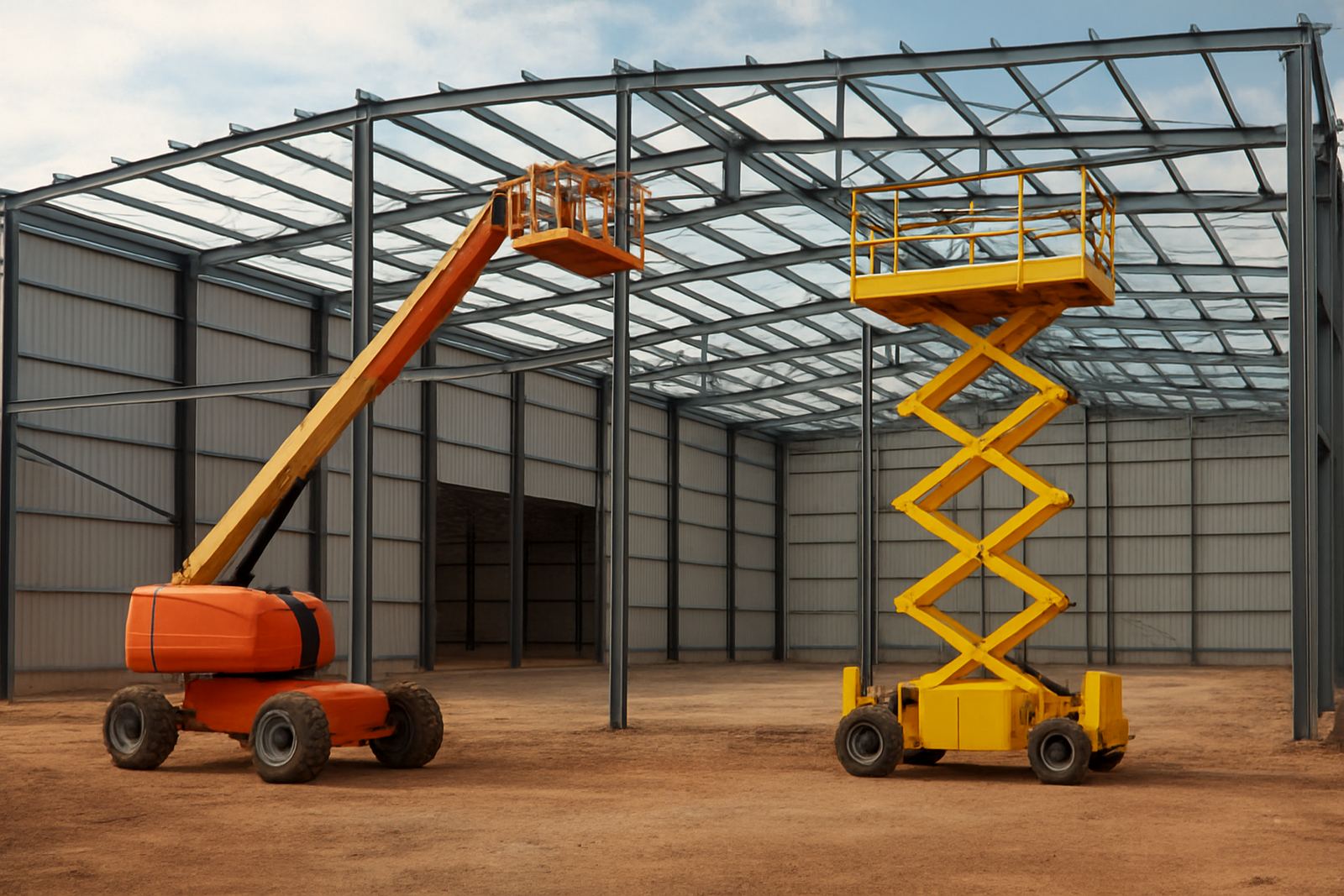
If the work is on a straight wall, ceiling, roof edge or façade with room to park below, a scissor lift may be the better fit. If the work needs you to reach up and over pipes, plant, balconies, steelwork or a loaded area, a boom lift usually makes more sense.
On Gauteng sites especially, access is often tight around partially completed buildings, service trenches and delivery routes. Before you hire, measure the work area, note the highest point to be reached and check whether the machine must travel through narrow gates, basement ramps or compact yards.
- Measure the highest working point, not just the floor level.
- Check access width, gate clearances and turning space.
- Allow for people, materials and barriers around the machine.
- Confirm whether the ground is level and compacted enough for the unit.
When a scissor lift is the practical choice
A scissor lift gives a stable platform that moves up and down in a straight line. It is often used for indoor maintenance, ceiling work, electrical installation, warehouse fit-outs and external jobs where the work face is close and directly above the machine.
It is usually the better option when you need a larger platform for two or more workers, tools and lightweight materials. Electric units are commonly used indoors because they produce no local exhaust fumes and are easier to manage in enclosed spaces. On projects in shopping centres, factories and schools, that can make a real difference to shift planning and ventilation.
- Best for straight vertical access.
- Good for flat, firm surfaces and level slabs.
- Often offers more platform space than a boom lift.
- Useful where you need to work for longer periods at one point.
If the site has poor floor loading, soft paving or drainage covers, ask for the machine weight and wheel pressure before delivery. A lift that is right for the job can still be wrong for the surface.
When a boom lift gives better reach
A boom lift is the better option when you need to go up and out, not just up. Its arm can reach over obstacles and position the platform around structures that block direct access. This is useful for façade repairs, roof steel, signage, high-level cladding and work around tanks, plant rooms or scaffolding.
In KZN and coastal Western Cape conditions, wind can affect boom work more than many teams expect. If the site is exposed, check wind limits and allow time for safe repositioning. A boom lift gives flexibility, but it also needs more operator awareness because the reach changes as the arm extends.
- Best where the work point is over an obstacle.
- Useful for irregular building shapes and service lines.
- Needs more room to manoeuvre than a scissor lift.
- Ideal when the access route to the job is not direct.
For compact city sites in Johannesburg, a boom lift can save time where scaffolding would take too long to erect and alter. It also helps when the work needs to move along a frontage rather than stay in one spot.
Check the access requirements before you book
Work at height is not only about the lift itself. You must also plan for the route to site, the surface conditions and the work area around the machine. A delivery that arrives without a clear access plan can waste a full day and put the crew under pressure.
Use this checklist before booking:
- Work height and horizontal reach required.
- Indoor or outdoor use.
- Ground condition, slope and slab capacity.
- Gate widths, driveway heights and overhead obstructions.
- Nearby power lines, service pipes, gutters or canopies.
- Need for harnesses, spotters or exclusion barriers.
- Shift times, overtime and weekend work requirements.
In some municipal areas, especially on busy streets and commercial properties, you may also need to manage pedestrian control, signage and delivery timing. Plan for that early so the machine can get on with the job without complaints or stoppages.
Safety checks that should happen every time
Whether you hire a boom or scissor lift, the same discipline applies: inspect, brief and record. A machine that looks fine from a distance can still have a hydraulic issue, damaged controls or a battery problem that affects the whole shift.
Before work starts, the site team should check the machine condition, the travel path and the emergency lowering method. If the lift is being moved between sites, make sure the off-hire and return condition are noted clearly so there is no confusion later.
- Confirm the operator is trained for the specific unit.
- Check tyres, guards, handrails and control functions.
- Verify emergency stop and descent controls.
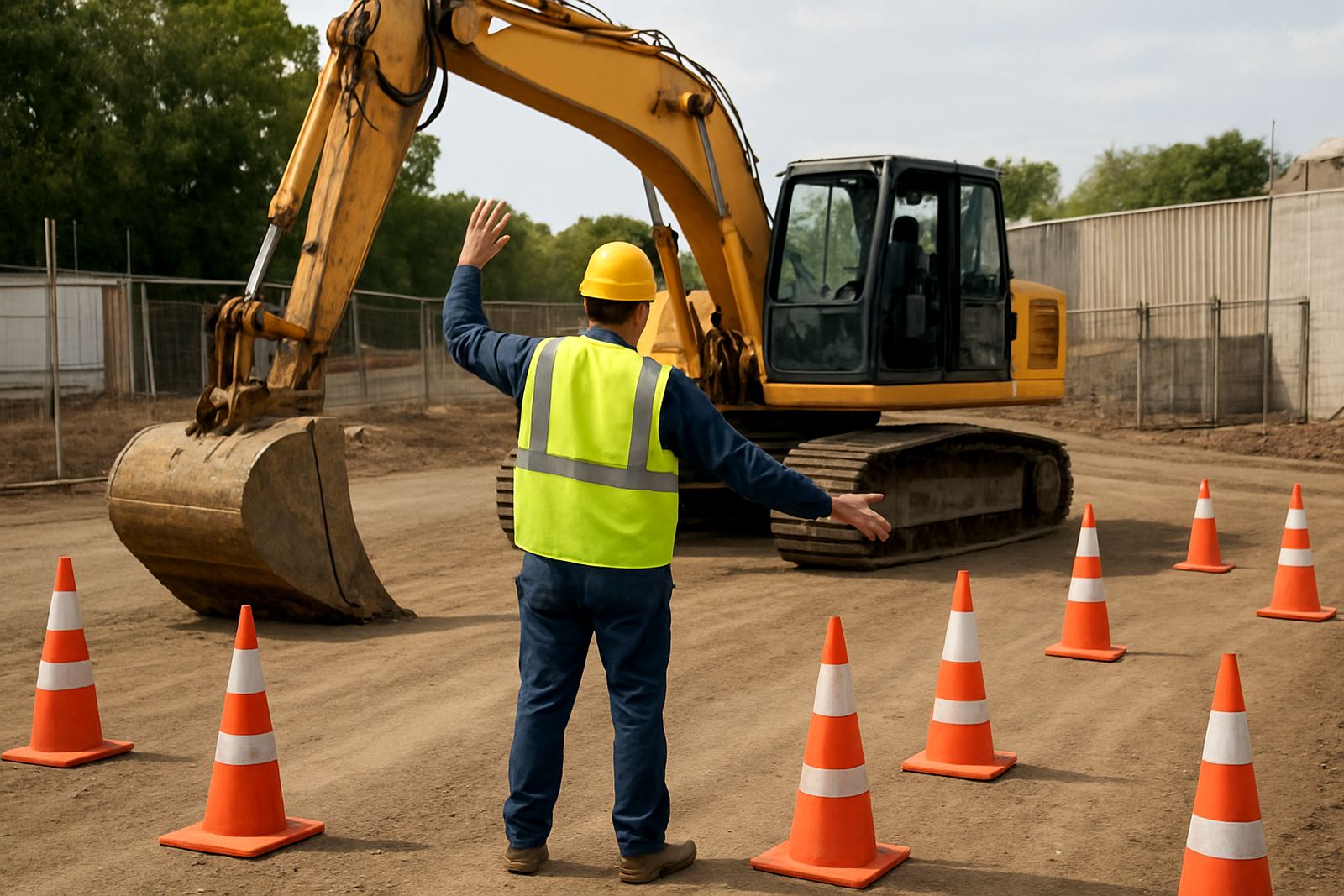
- Make sure the area below the lift is barricaded.
- Keep tools secured so nothing can fall from height.
On wet sites or near the coast, moisture can create slippery surfaces and electrical concerns, so extra care is needed around charging, storage and access ramps. A careful start saves time later, and keeps the whole crew safer.
How to choose the right hire package
The right hire package depends on how long the job runs, how often the lift will move and whether you need support on standby. Short work at one level may suit a simple hire, while phased projects often need long-term hire, plant planning and swop-outs if the job scope changes.
For contractors working across Gauteng, KZN or the Western Cape, local depot support can make a big difference when a machine needs servicing or replacement. Same-day dispatch, site delivery, fuel management and weekend support help keep the programme moving when schedules are tight.
- Choose short hire for quick maintenance and installation jobs.
- Use long-term hire for phased construction and fit-out projects.
- Ask for operator supply if your team is not fully covered.
- Plan breakdown response in case the job cannot wait.
If you are unsure, start with the workface and the access route, then match the machine from there. That approach usually gets the best result and avoids hiring a lift that is too large, too small or not suited to the site.
A simple rule that keeps projects moving
If you need vertical access with a larger platform on a flat surface, go scissor. If you need to reach over something or work at awkward points, go boom. That simple rule solves many decisions, but the site details still matter.
At MachinesAfrica Rentals, the team helps contractors compare reach, footprint and access needs before dispatch. From Germiston to Pretoria East, Midrand, Boksburg, Durban, Pinetown, Cape Town and Bellville, the aim is the same: get the right machine to site on time and keep the job moving.
When the plan is clear, the lift choice is usually clear too.