
Confirm the job, surface and power supply
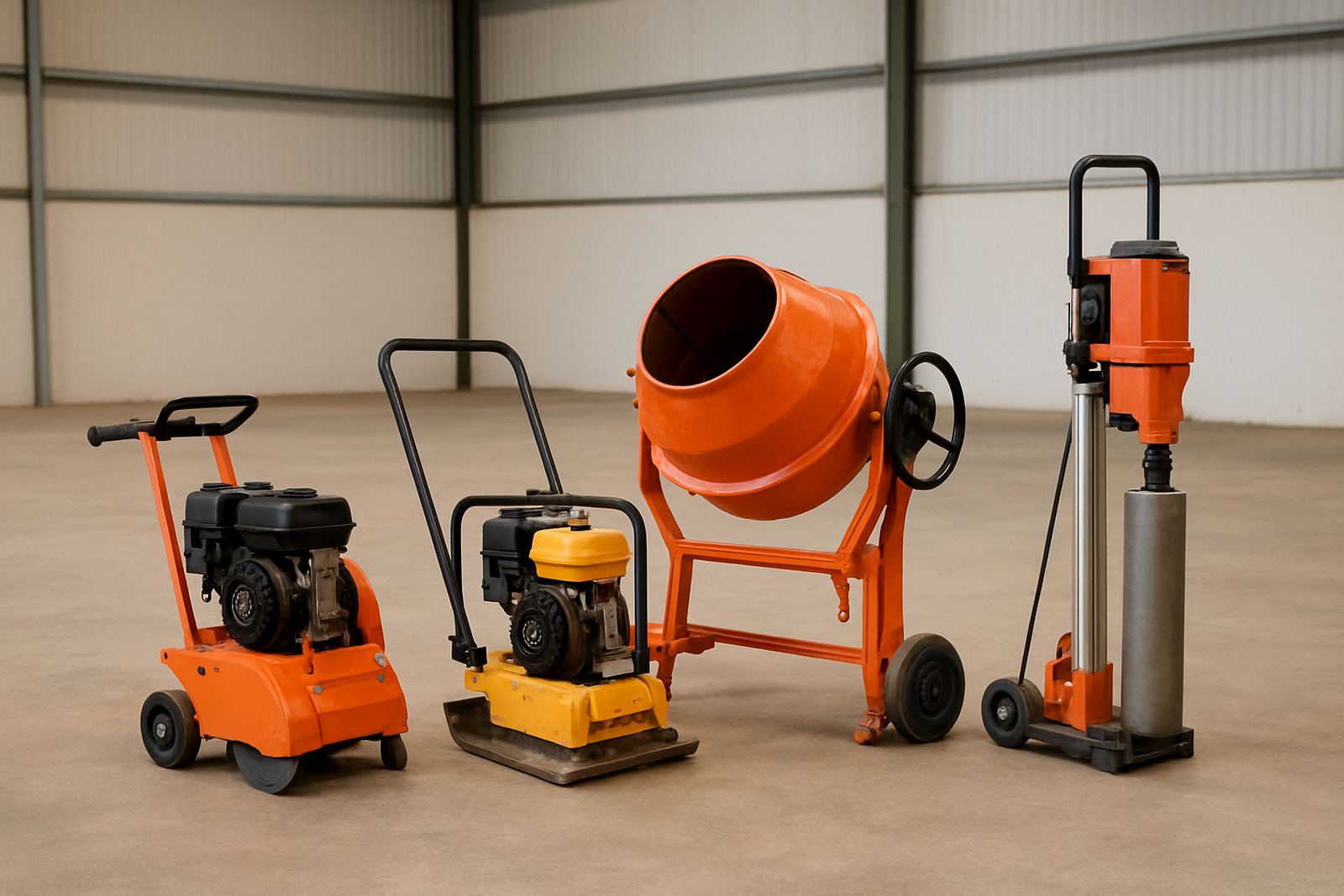
Start by matching the machine to the task. A plate compactor for paving is not the same as a trench roller, and a floor saw for a slab cut will not suit a light brick cutting job. On Gauteng sites, especially around Germiston, Midrand and Pretoria East, the ground can change from hard fill to wet clay in the same block. On coastal jobs in Durban or Cape Town, humidity and salt air can also affect electrics, bearings and fasteners.
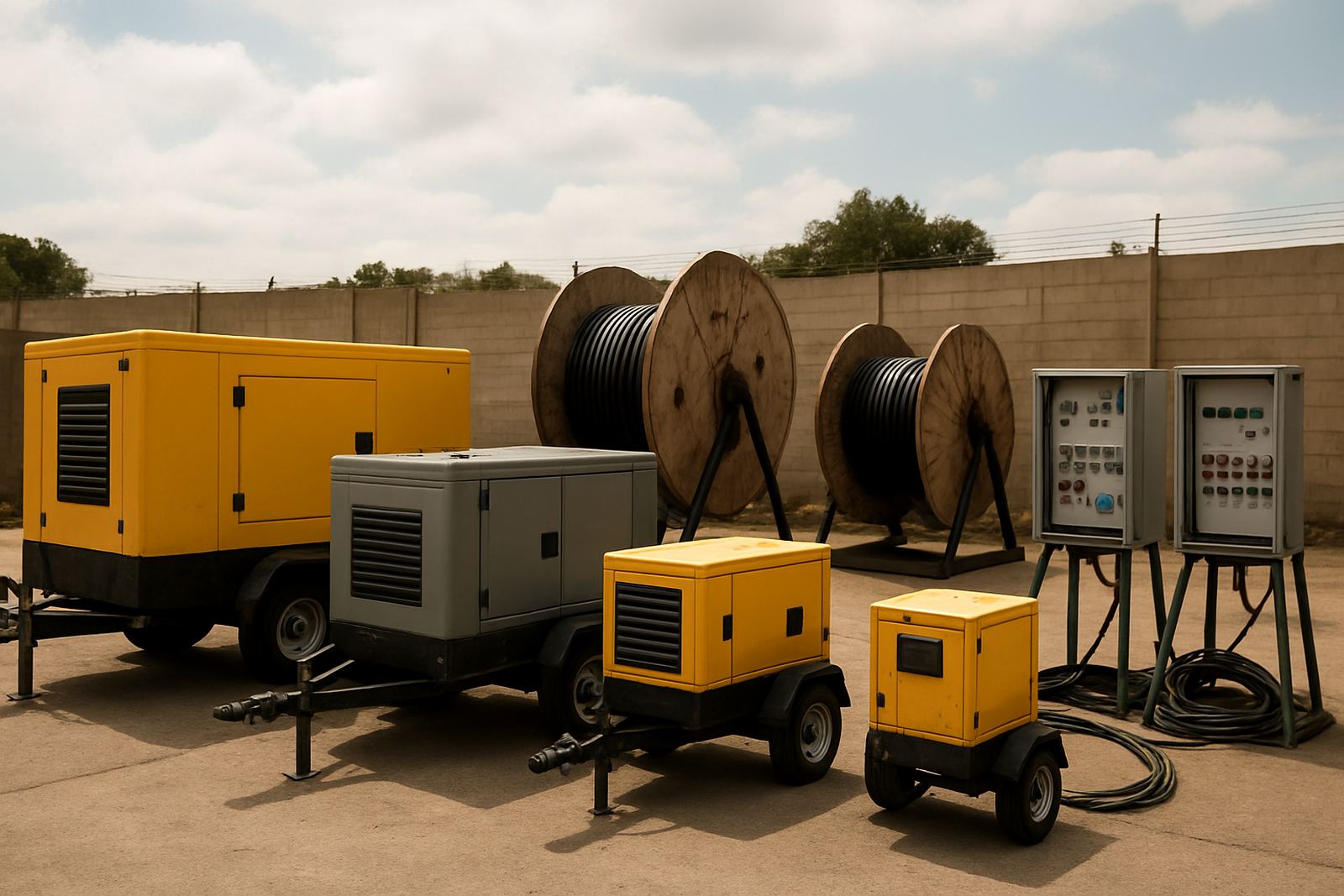
Before hire starts, check the surface, access and power points. If the site has limited parking, narrow lanes or wet ground after rain, plan delivery and off load space first. For electric mixers, drills or cutters, confirm whether you need 220V power, a generator, or battery units for work where load-shedding is still affecting the day. If the crew will work after hours, note lighting and security too.
- Check the material to be cut, drilled or mixed
- Confirm surface type: concrete, brick, block, pavers or soil
- Measure access width, height limits and turning space
- Confirm power source, cable length and backup supply
- Note any rain exposure, dust or coastal humidity
Inspect the frame, guards and moving parts
A proper pre hire check should start with the condition of the machine itself. Look for bent frames, cracked housings, missing bolts, damaged guards and loose handles. A compact mixer with a damaged drum ring or a cutter with a worn guard can slow a crew down fast, and it is not worth pushing it onto site.
Ask for the machine to be started or tested before dispatch if possible. Listen for rough running, uneven vibration, hard starting or abnormal smoke. For compactors, check the base plate, rubber mounts and throttle controls. For drills, confirm the chuck holds firmly and the side handle is secure. For cutters, inspect the blade guard, water feed and trigger action. Small things matter because these units are moved, dropped and loaded more often than larger plant.
- Check for visible cracks, dents and loose fixings
- Test guards, switches, throttles and emergency stop controls
- Inspect blades, bits, paddles and plates for wear
- Look for oil leaks, fuel leaks or wet patches under the machine
- Make sure handles, wheels and stands are firm and straight
Match the accessories and wear parts to the task
Many delays happen because the machine arrives but the right accessory does not. A drill may be in perfect condition yet useless without the correct bit size. A mixer can sit idle if the paddles are worn thin or the drum scraper is missing. Before hire starts, list every wear part, consumable and fitting needed for the shift.
For cutting work, confirm the blade diameter and material rating. For drilling, check the bit type, length and shank size. For compaction, make sure the plate size suits the paving or trench width. For mixing, confirm the drum capacity against the quantity of mortar or concrete required. If the site is spread across a few work fronts, ask about extra blades, spare paddles or a second machine so the crew does not wait while one unit is moved around.
- Blade or bit size confirmed in writing
- Spare consumables packed for the shift
- Mixing paddles, extension leads or water feed parts available
- Fuel type confirmed: petrol, diesel or electric
- Any special adapters, sockets or hoses included
Check fuel, fluids and operating time
Small plant often arrives ready to work, but only if the basic running checks are done. Confirm the fuel level, oil level and any coolant requirement before the unit leaves the depot. On long shifts or weekend work, this matters even more because the site team may not have time to fetch supplies mid morning. A half tank can disappear fast on a compactor running all day over a large slab prep area.
Ask how long the machine will run on a full tank and whether refuelling can happen safely on site. If the project is in a busy municipal area or near public walkways, make sure the refuelling point is controlled and away from open flames, grinding sparks or smoking areas. If the machine is electric, check cable condition and whether the socket protection is suitable for dusty or damp work. For coastal jobs, wipe down exposed metal regularly and keep plugs and connectors dry.
- Fuel level and oil level checked before dispatch
- Correct fuel grade used for the machine type
- Extension leads, plugs and connectors inspected
- Plan in place for safe refuelling on site
- Spill kit or absorbent material kept nearby
Make sure the crew knows the controls and limits
Even a small machine can cause damage or injury if the operator is guessing. Before the hire starts, the crew should know how to start, stop and move the unit properly. This is especially important where operator supply is requested for a short job in Pretoria, Boksburg or Bellville and the turnaround is tight. A quick handover on the controls can prevent missed starts and unnecessary wear.
Check that everyone using the machine understands the safe working angle, maximum load, noise levels and vibration limits. For drills and cutters, operators should know about dust control and hearing protection. For compactors, they should understand compaction passes and when to stop if the ground is too wet. If the job is near homes, schools or municipal buildings, plan working hours carefully so the site does not breach local noise rules. A clear handover also helps when plant swop-outs are needed during a busy week.
- Controls explained before work starts
- PPE confirmed: boots, gloves, eye and ear protection
- Dust suppression and water supply arranged where needed
- Noise limits and working hours checked
- Emergency stop and isolation steps understood
Keep the paperwork and site handover tidy
Good hire practice is not only about the machine. It also depends on the paperwork and the site handover. Record the machine make, serial number if supplied, condition on delivery, fuel level and any visible wear. Take note of the contact person on site and where the machine will be used. This helps when off hire collections, breakdown response or on site servicing are required later.
If the job needs safety documentation, make sure it is ready before the delivery truck arrives. On larger construction sites, the gate team may ask for proof of induction, delivery instructions or site specific safety notes before the machine enters. Keep these papers together and return them with the machine if needed. A tidy handover makes the next day easier, whether the hire is for a single morning or a long term contract.
- Delivery note checked against the machine supplied
- Condition recorded at handover and on return
- Site contact, access point and off load area confirmed
- Safety paperwork filed and available for inspection
- Collection time or extension request noted early