Start with the programme, not the machine list
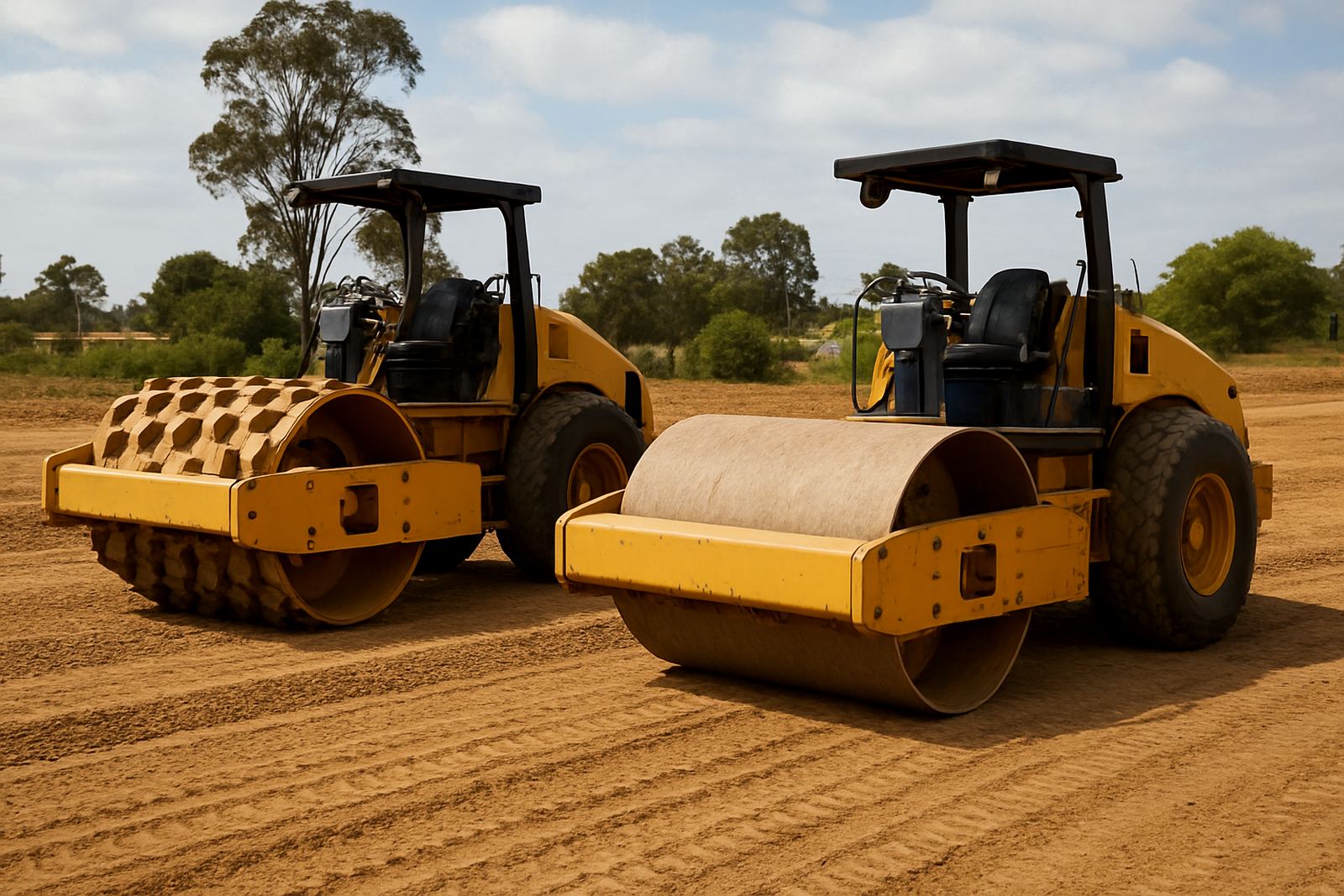
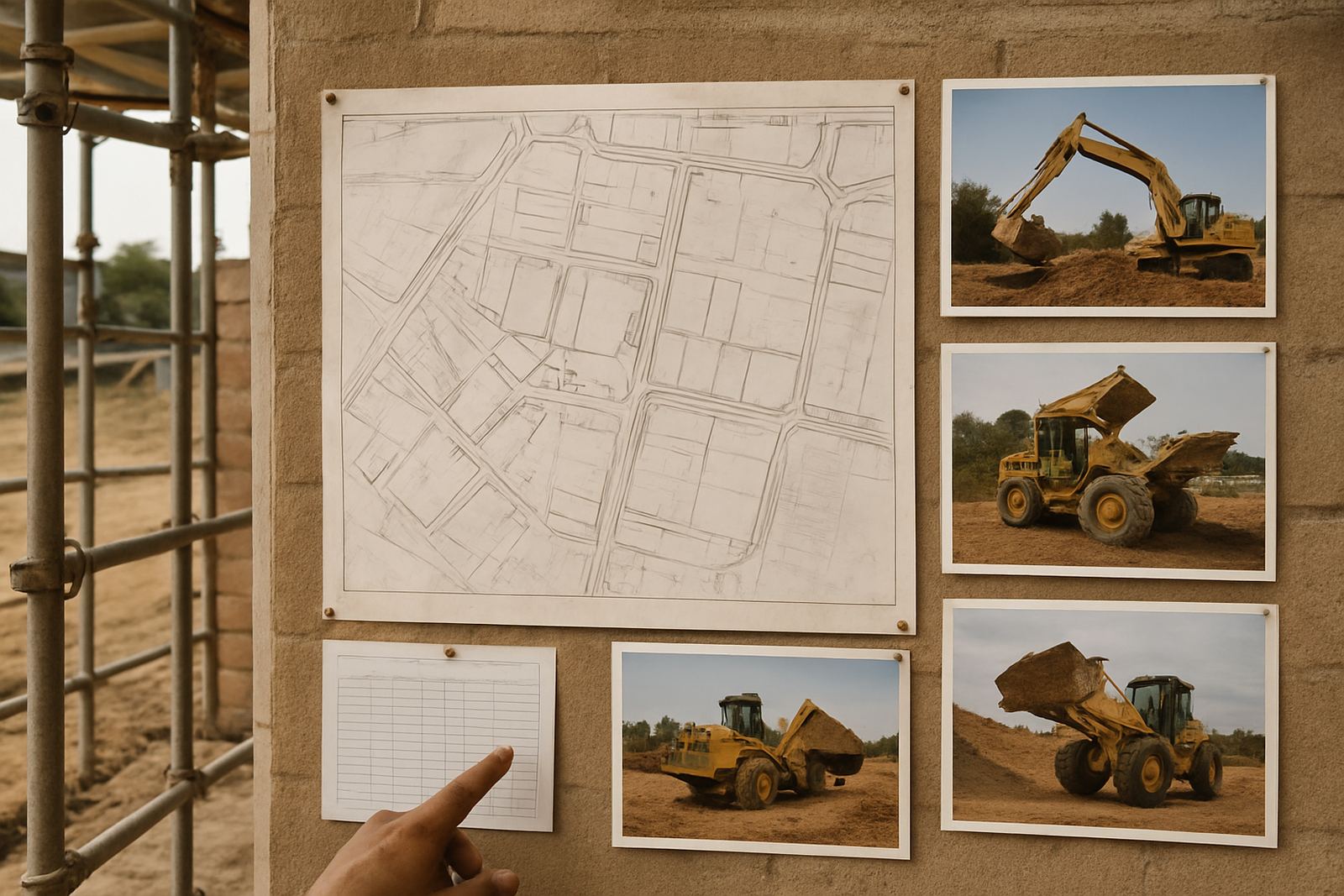
A long-term hire should be tied to your project programme, quantities and site access. If the earthworks will run for three months, then the compaction, loading, lifting and backup power needs should be planned around that period, not just the first few weeks. The right hire choice depends on what the machine will do each day, how many hours it will run, and whether the site has space for safe turning, refuelling and off-hire collections.
For contractors in Germiston, Midrand, Pretoria East, Boksburg, Durban, Pinetown, Cape Town and Bellville, the local conditions matter too. Coastal humidity can change maintenance intervals, while inner-city sites often need tighter delivery windows and municipal access control. It helps to map the full site sequence early, because a machine that is perfect for bulk excavation may be wrong later when finishing works start.
- Confirm the start date, expected duration and likely extension period.
- List each task by stage, for example clearing, excavation, backfill, lifting or access control.
- Check site space for parking, loading, refuelling and plant swop-outs.
- Match machine size to access roads, gate widths and turning circles.
Budget for the whole hire period, not only the daily rate
Long-term hire is easier to manage when all related costs are counted up front. The rate itself is only one part of the picture. Transport, operator supply, weekend support, fuel use, servicing, breakdown response and off-hire collections can all affect the final spend. A clear budget keeps surprises out of the monthly site meeting and helps the commercial team compare options properly.
It is also worth checking how the hire will be billed if the project pauses, changes scope or extends past the first agreement. On bigger sites, one machine may sit idle while another works harder than planned. If you have a spare plant strategy, you can reduce waste and avoid keeping equipment on site longer than needed.
- Ask for the full hire structure, including delivery and collection terms.
- Allow for fuel, consumables and minor wear items where relevant.
- Build in a contingency for programme delays and weather stoppages.
- Check whether a long-term rate changes after a set number of weeks or months.
Set up servicing, inspections and breakdown response before week one
A machine that works daily for months needs proper care from the start. Long-term hire should include a servicing rhythm that fits the site programme, plus a process for daily checks, defect reporting and quick response if something goes wrong. This is especially important on remote sites, high-output operations and jobs where a single breakdown can hold up other trades.
Before the machine arrives, decide who will inspect it, where defects will be recorded and who has authority to stop it if there is a safety issue. On-site servicing can reduce downtime, but only if the access route, workshop area and working hours are practical. If your project runs near load-shedding affected areas, a generator plan may also be needed so tools, lighting and security stay on.
- Nominate one person to report defects and manage the hire log.
- Keep daily inspection sheets on site for operators and supervisors.
- Confirm service intervals and who will sign off completed maintenance.
- Agree how breakdown response works after hours and on weekends.
Keep safety files and compliance paperwork current
For long-term hire, safety documentation should be treated as a working file, not a once-off pack. The site may need updated risk assessments, operator records, induction notes and machine-specific safety documents as the job progresses. If the scope changes, the paperwork should change with it. That keeps the site ready for audits and reduces friction with principal contractors, safety officers and municipal inspectors.
Good records also help when several machines are moving between depots and job sites. From Germiston and Midrand to Durban or Cape Town, a clear paper trail makes handovers quicker and keeps everyone aligned on what is on site, what has been serviced and what has been taken off hire. It sounds simple, but it saves time when the programme gets busy.
- File induction records, operator details and machine handover notes.
- Keep the current risk assessment and method statement with the site team.
- Record incidents, near misses and repairs in one place.
- Update the file when a machine is swapped, extended or removed.
Plan for fuel, storage and site conditions
Fuel management becomes more important as the hire period stretches out. A long-term site can use a surprising amount of diesel, especially when excavators, loaders and generators run through winter mornings or peak production weeks. If fuel is delivered to site, the storage area must be secure, level and protected from spills. In coastal areas, salty air and damp conditions can also affect plant left standing over weekends, so storage habits matter.
Think about where the machine will park at night, how it will be protected and who has access to keys, refuelling points and parking barriers. On compact urban sites, plant may need to be moved daily to make space for trades and deliveries. That is normal, but it must be planned. A bit of discipline here avoids small losses that add up over months.
- Choose a secure parking area with enough room for safe access.
- Set fuel levels, refuelling times and sign-off responsibility.
- Protect machines from theft, dust, mud and standing water.
- Check whether the site needs lighting or backup power for after-hours work.
Review the hire every month and change the plan when needed
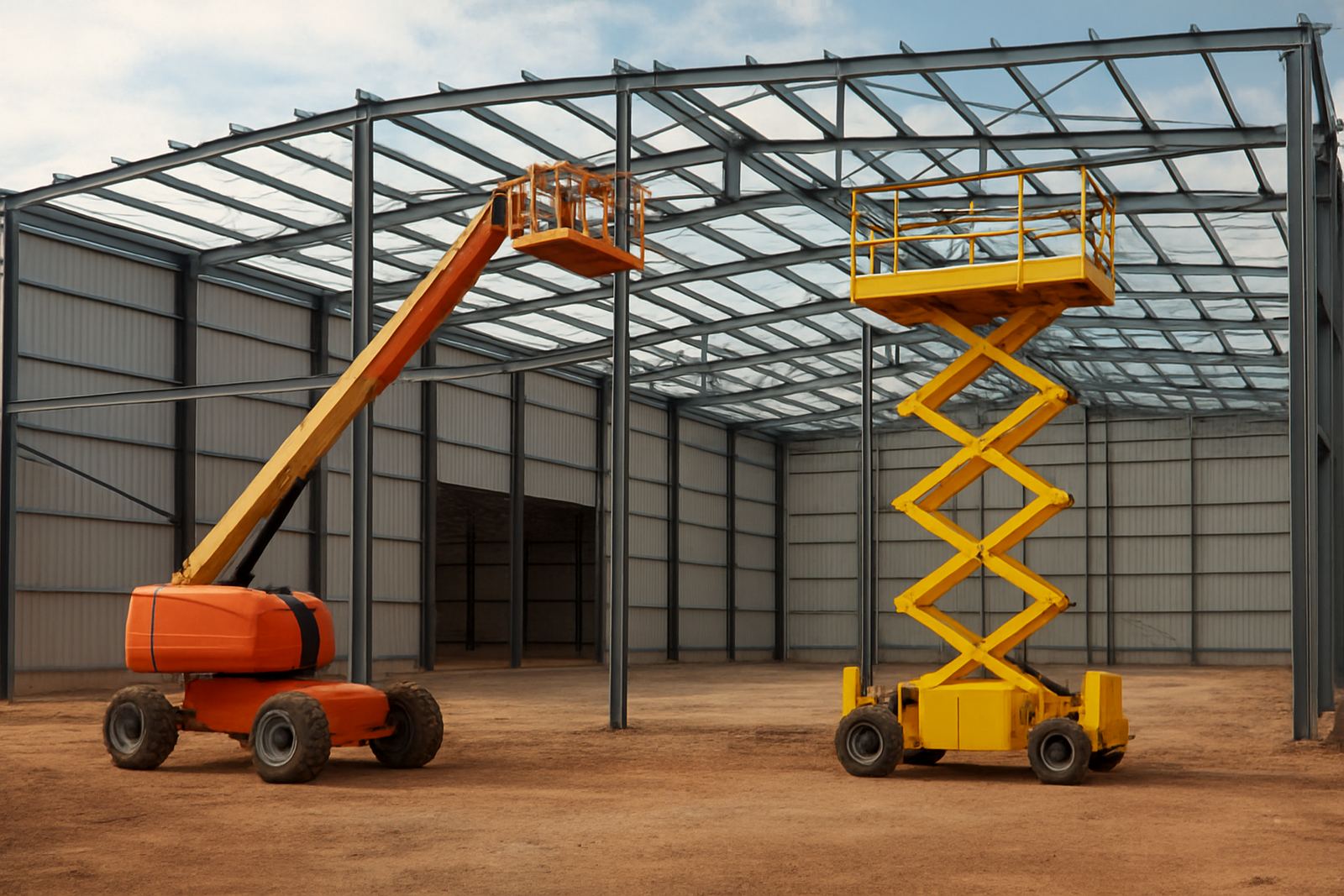
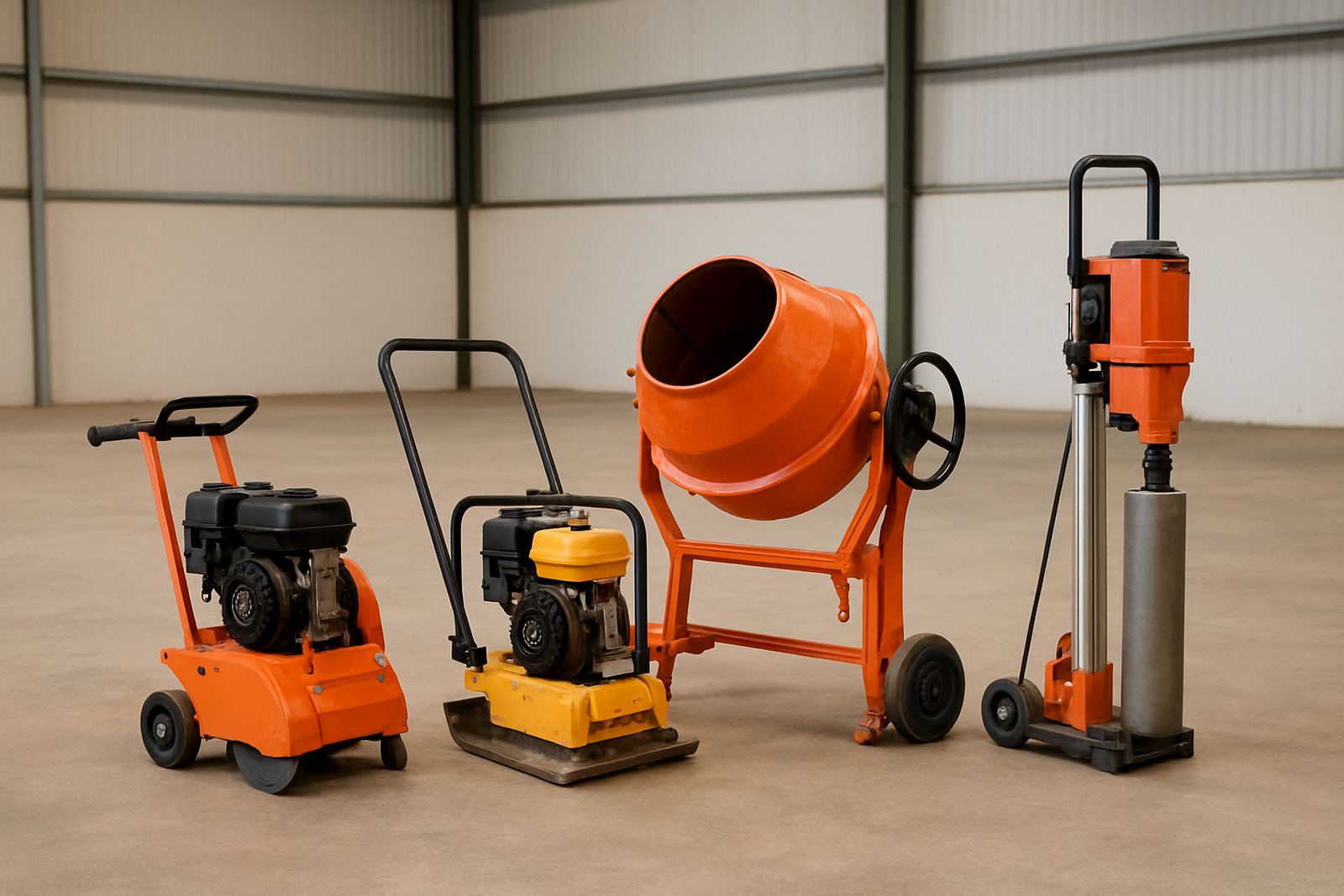
Long-term hire should not be left on autopilot. A monthly review helps you see whether the current plant still matches the work in front of you. In the first phase you may need heavier excavation plant, but later the job might call for smaller machines, scaffolding, site lighting or lift support. Swapping equipment at the right time can save money and reduce clutter on site.
Use the review to check machine hours, maintenance history, delivery dates and whether the programme has moved. If the scope has grown, you may need an extra generator or a second machine for a short burst of work. If the job has slowed, off-hire collections should be arranged quickly so you are not paying for idle plant. The best long-term hire plans stay flexible and practical, not overcomplicated.
- Compare planned usage with actual usage every month.
- Decide whether a plant swop-out will improve site efficiency.
- Confirm if any machine can be taken off hire early.
- Update the team on changes to delivery, operator cover or servicing needs.
A simple long-term hire checklist before you order
Before you place a long-term hire, it helps to run through a short checklist with the site manager, commercial team and safety lead. That way the machine arrives ready for the work, the paperwork is in order, and the depot knows what support the site will need over the coming months. A tidy start is worth a lot on a busy project.
If you are hiring across Gauteng, KwaZulu-Natal or the Western Cape, share the project timetable, delivery windows and site contact details early. It helps the depot plan transport and keep the machine on schedule. And if the work shifts, let the hire team know straight away so the plan can be adjusted without delay.
- Project duration confirmed
- Machine type and attachments confirmed
- Access route and delivery time agreed
- Operator supply required or not
- Fuel plan and servicing plan agreed
- Safety documents on file
- Extension, swap-out and off-hire process understood