

What these recent site jobs cover
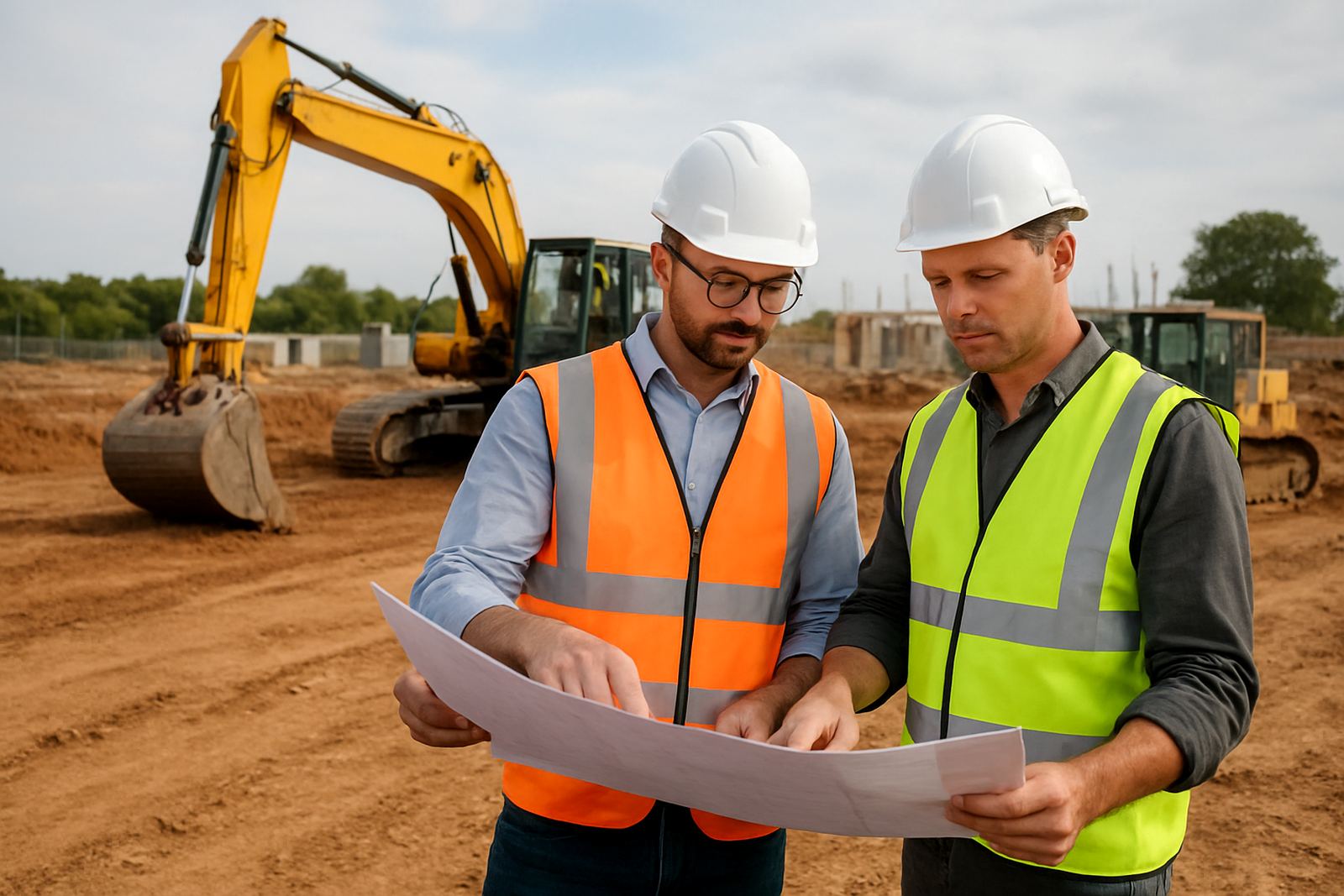
These project notes give a practical view of how our hire team supports work on active sites, without naming clients. You will see the mix of equipment, delivery timing and on-site support that helps teams stay moving when schedules are tight and access is not always straightforward.
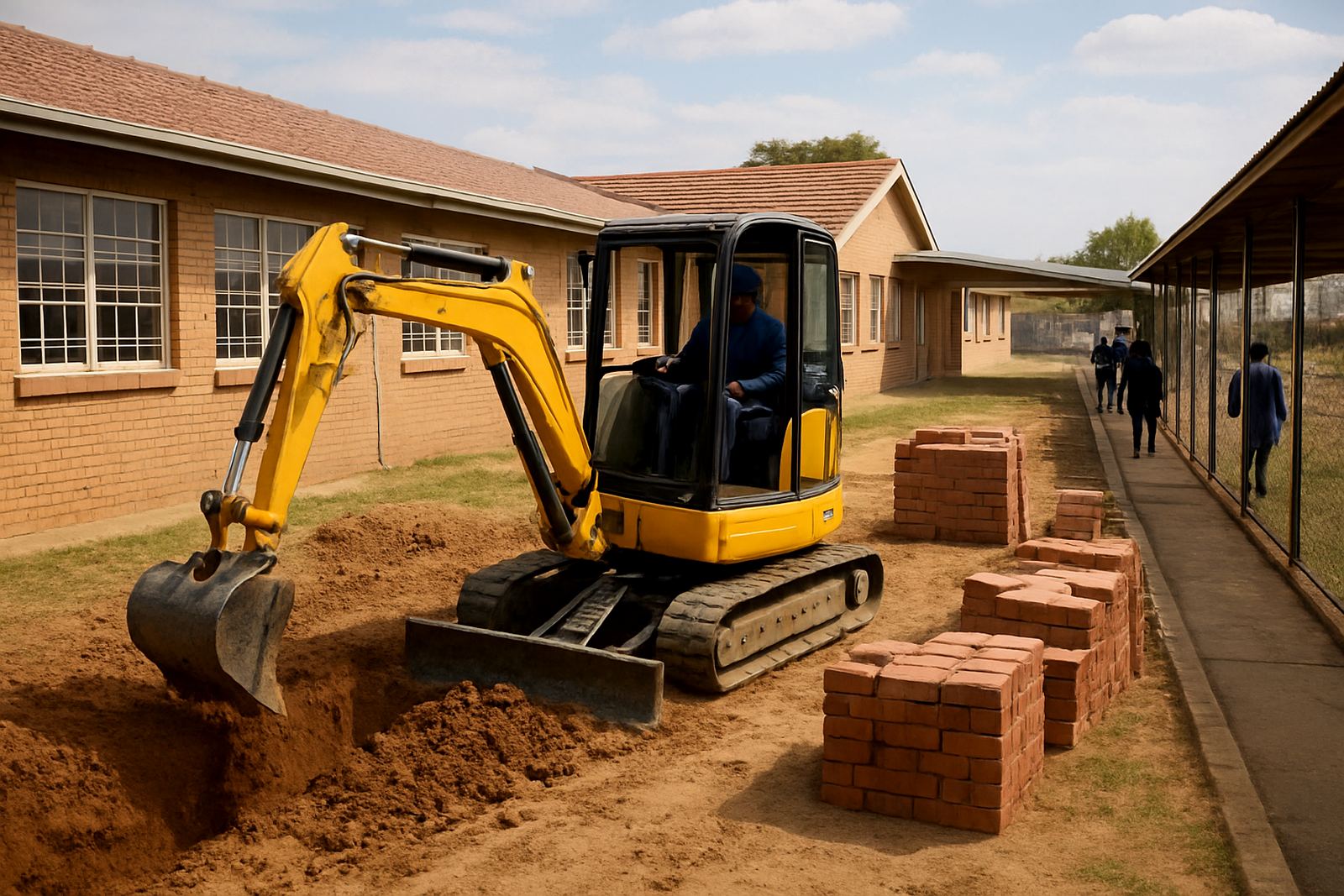
Some jobs need a single machine for a short window. Others need several units moving in and out as the build changes. That can mean excavators for trenching, generators for backup power during load-shedding, scaffolding for access work, or a quick swop-out when a unit is due for service. We plan each hire around the site conditions, not just the machine request.
How to read the cards and choose the right hire support
The listing cards alongside this page are arranged by town, suburb and job type so you can compare work that is close to your own site. If your project is in Germiston, Midrand, Pretoria East, Boksburg, Durban, Pinetown, Cape Town or Bellville, look for jobs with similar access, ground conditions and time pressure.
- Choose jobs with similar site size if you need to judge equipment footprint and turning space.
- Choose jobs with similar duration if you are deciding between short-term hire and long-term hire.
- Choose jobs where we supplied operators or safety paperwork if your site needs extra compliance support.
- Choose jobs in the same province if transport timing and weekend support matter.
If your site has narrow entrance gates, neighbours close by or municipal access rules, those details shape the hire plan as much as the machine itself.
Typical equipment used on Gauteng building sites
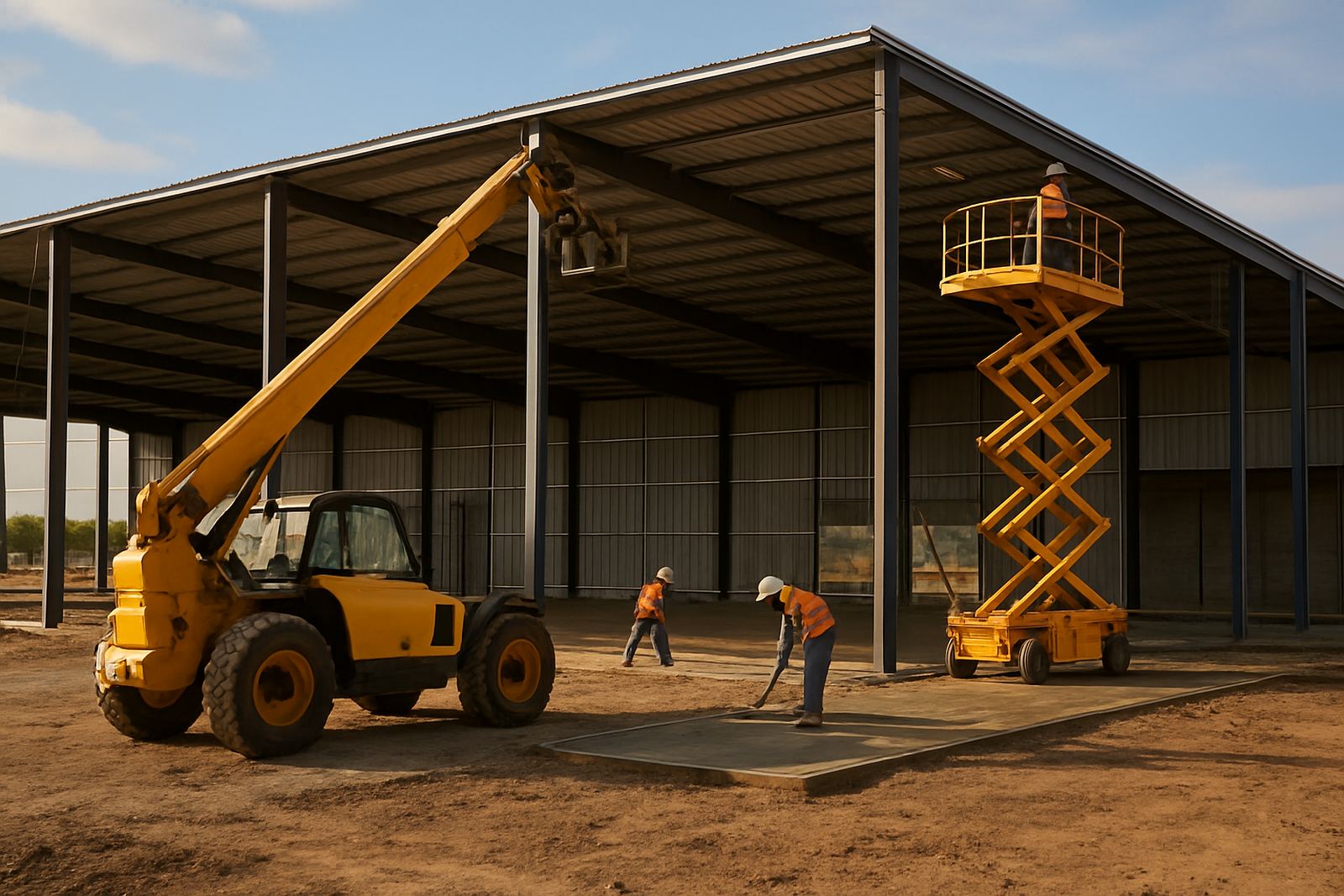
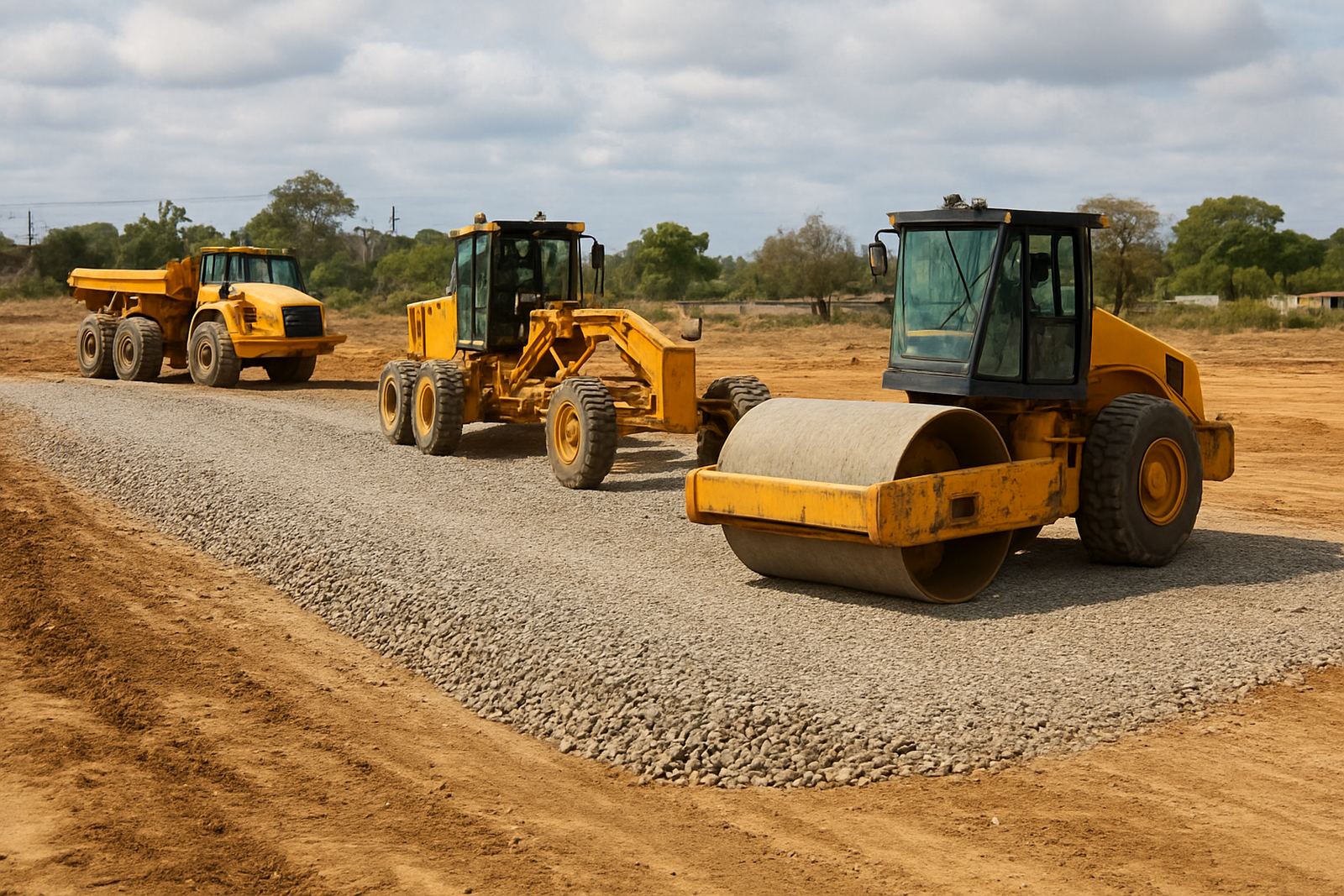
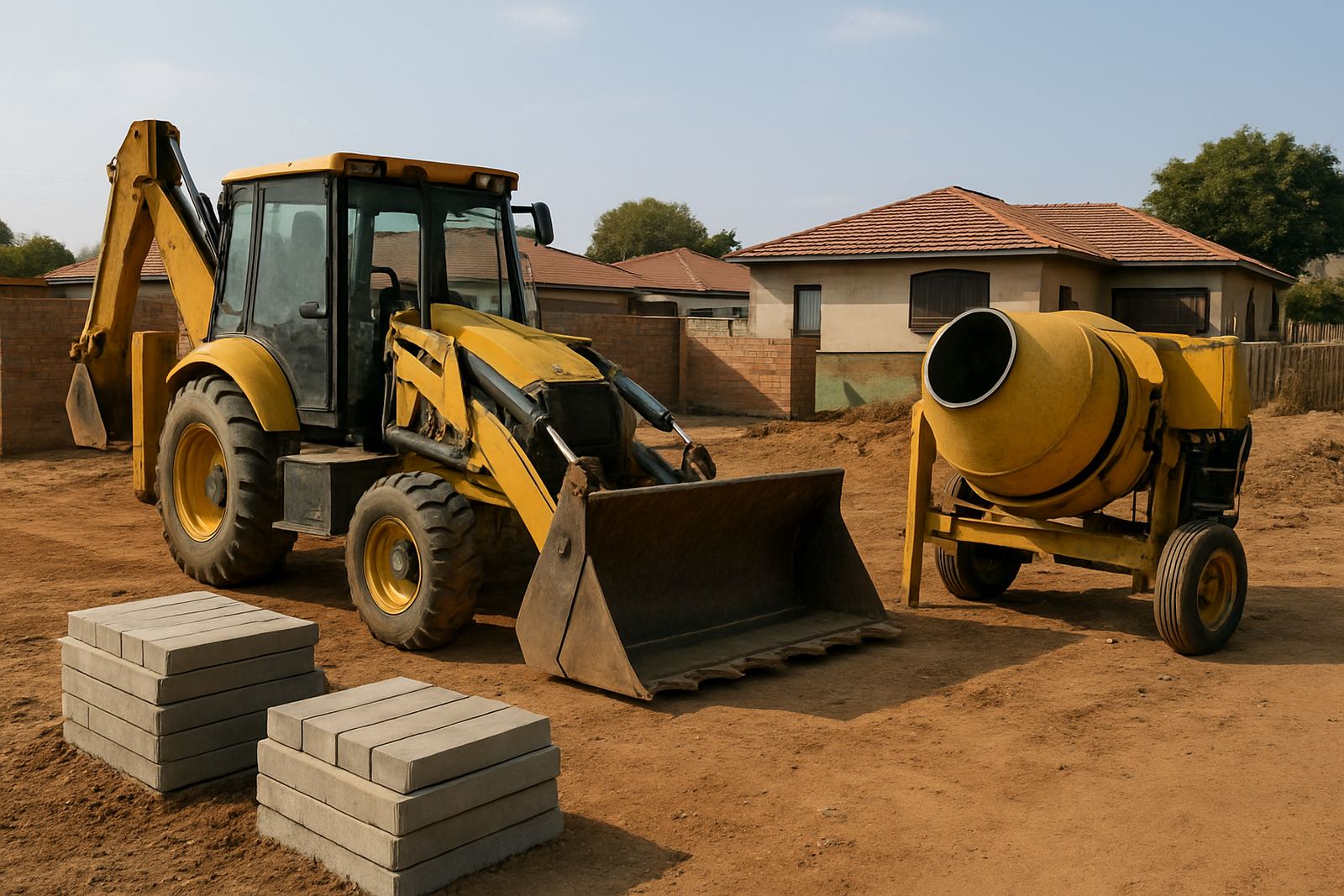
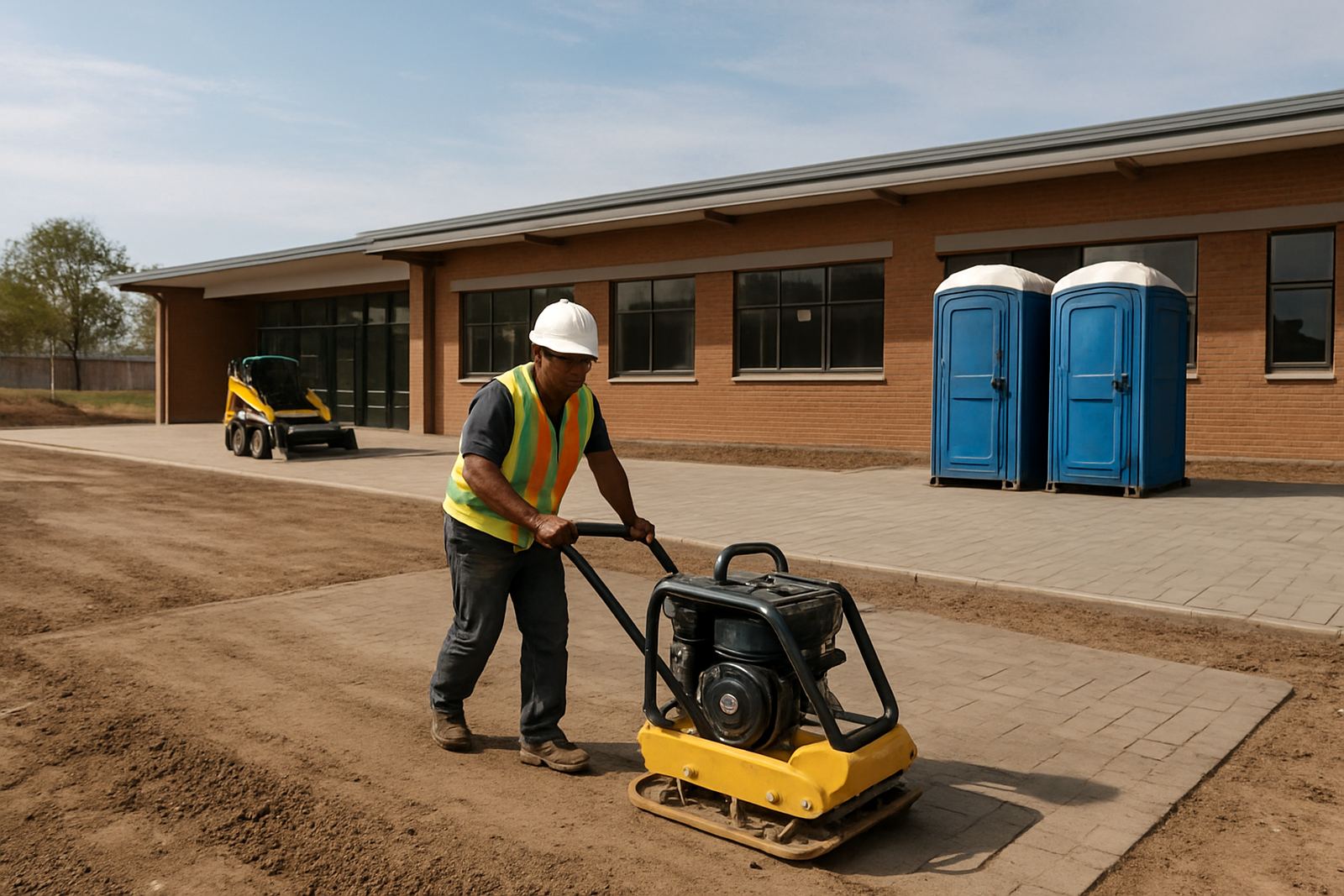
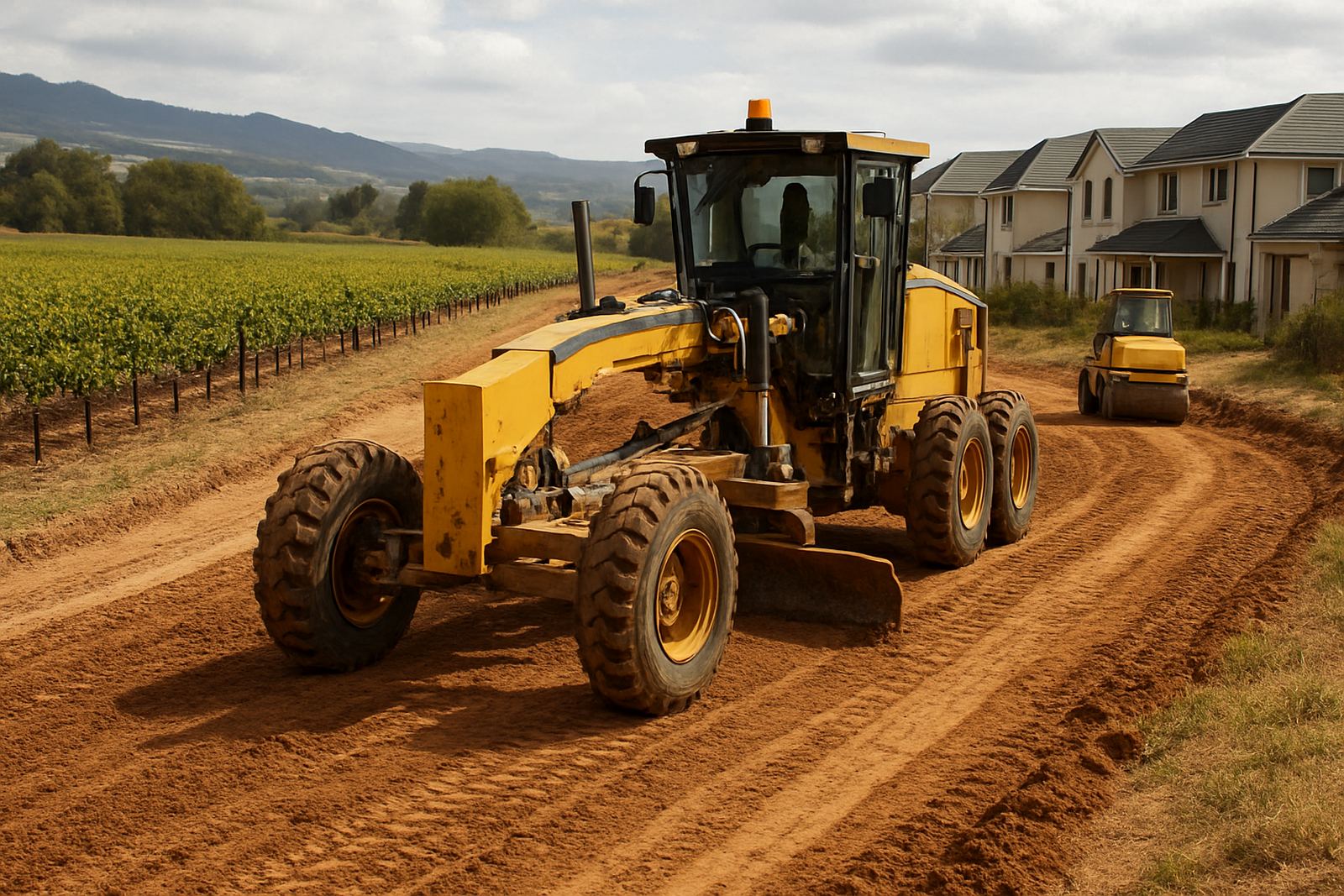
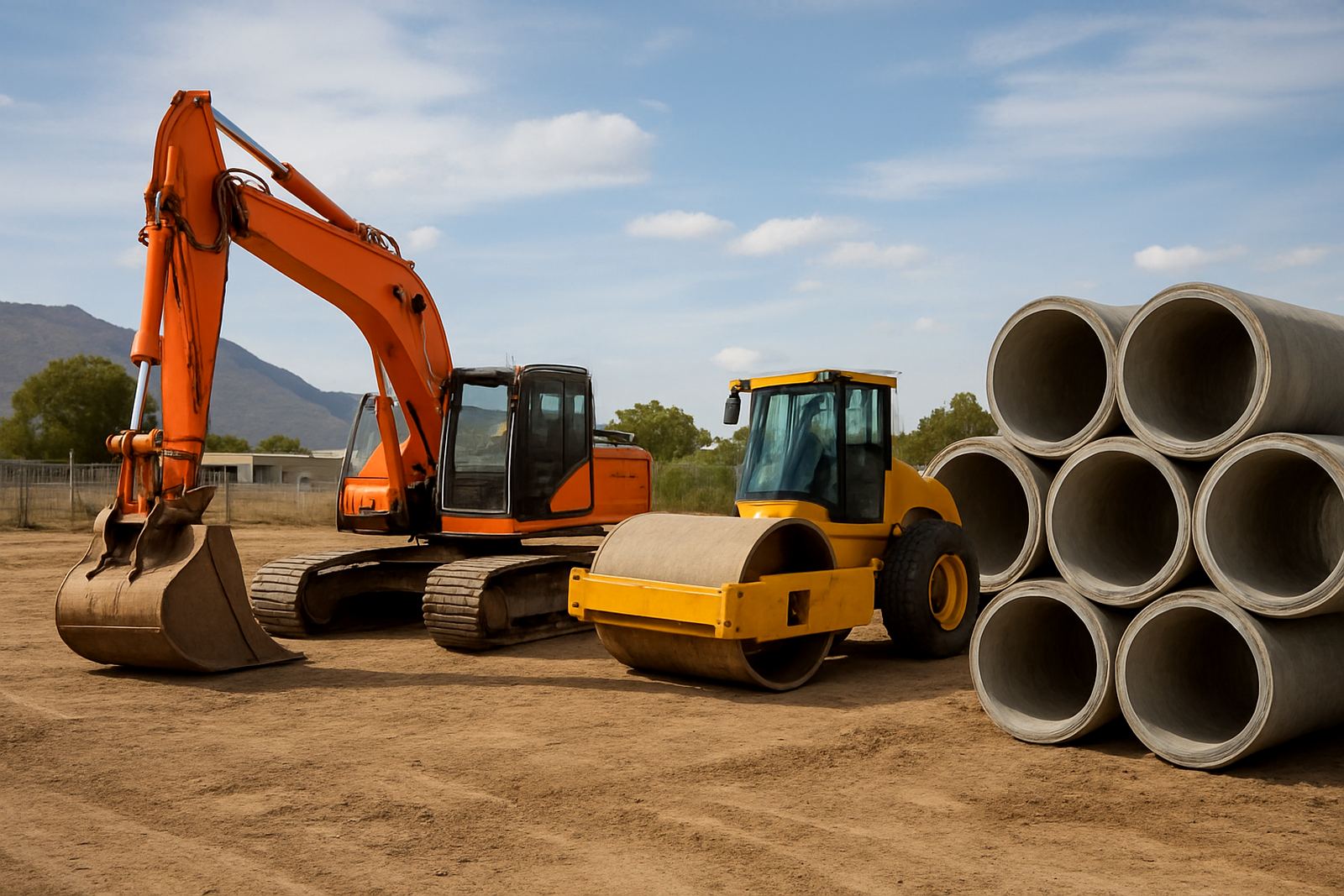
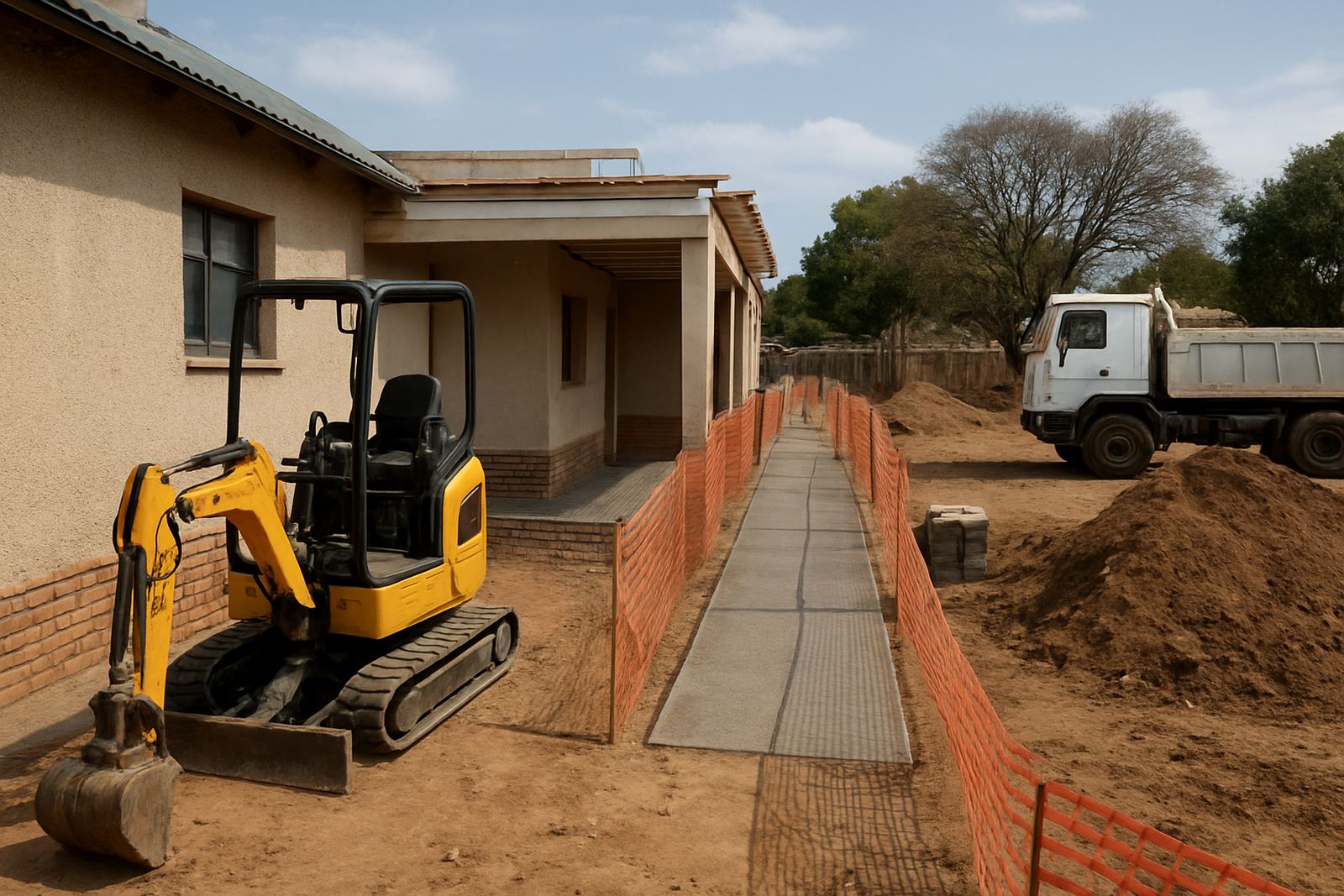
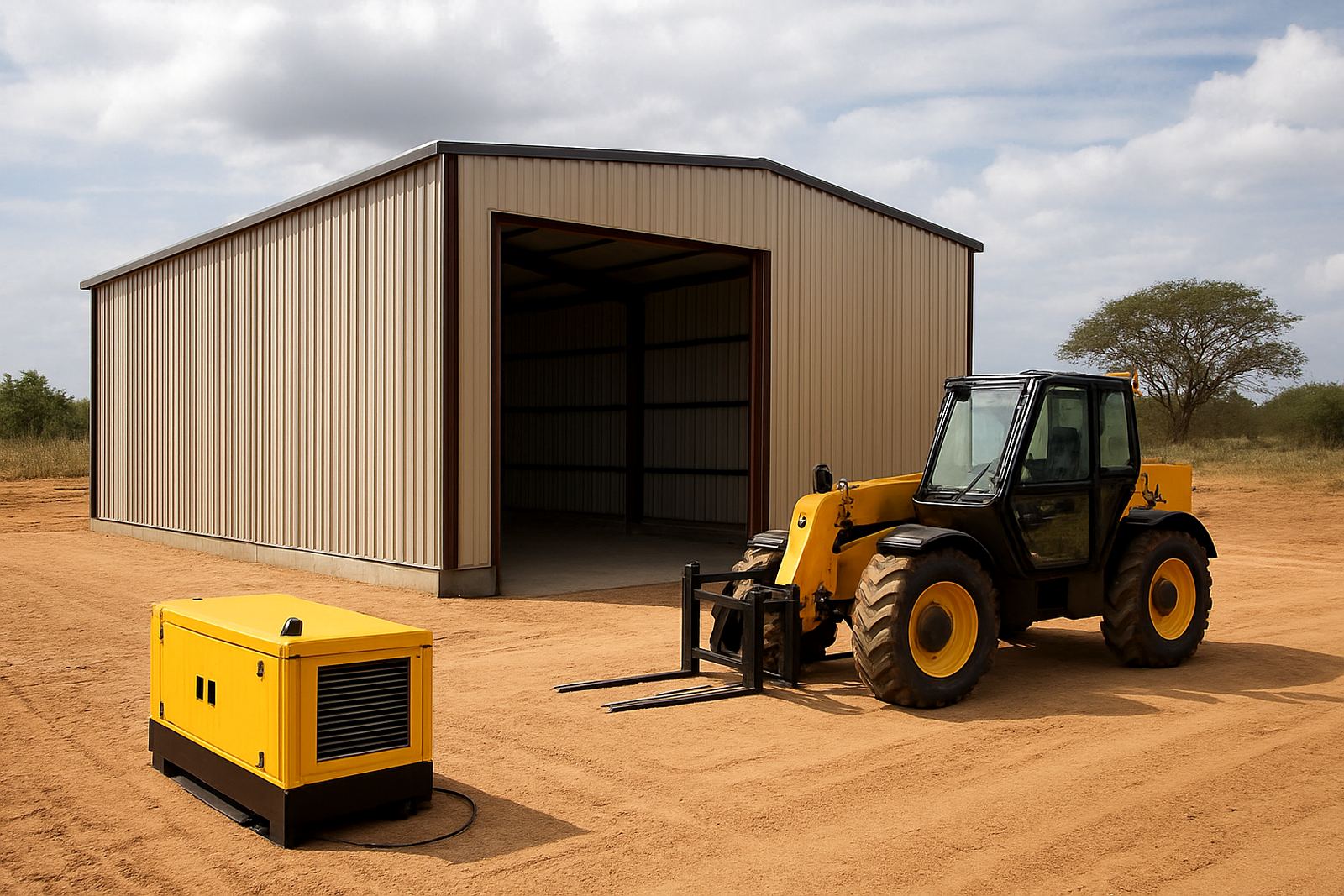
In Gauteng, many jobs involve dense urban sites, road access restrictions and mixed construction activity. That means the hire list often includes compact excavators, tipper support, generators, scaffolding, telehandlers and light compaction equipment. For larger earthworks, bulldozers and bigger excavators may be sent out with planned fuel management and on-site servicing.
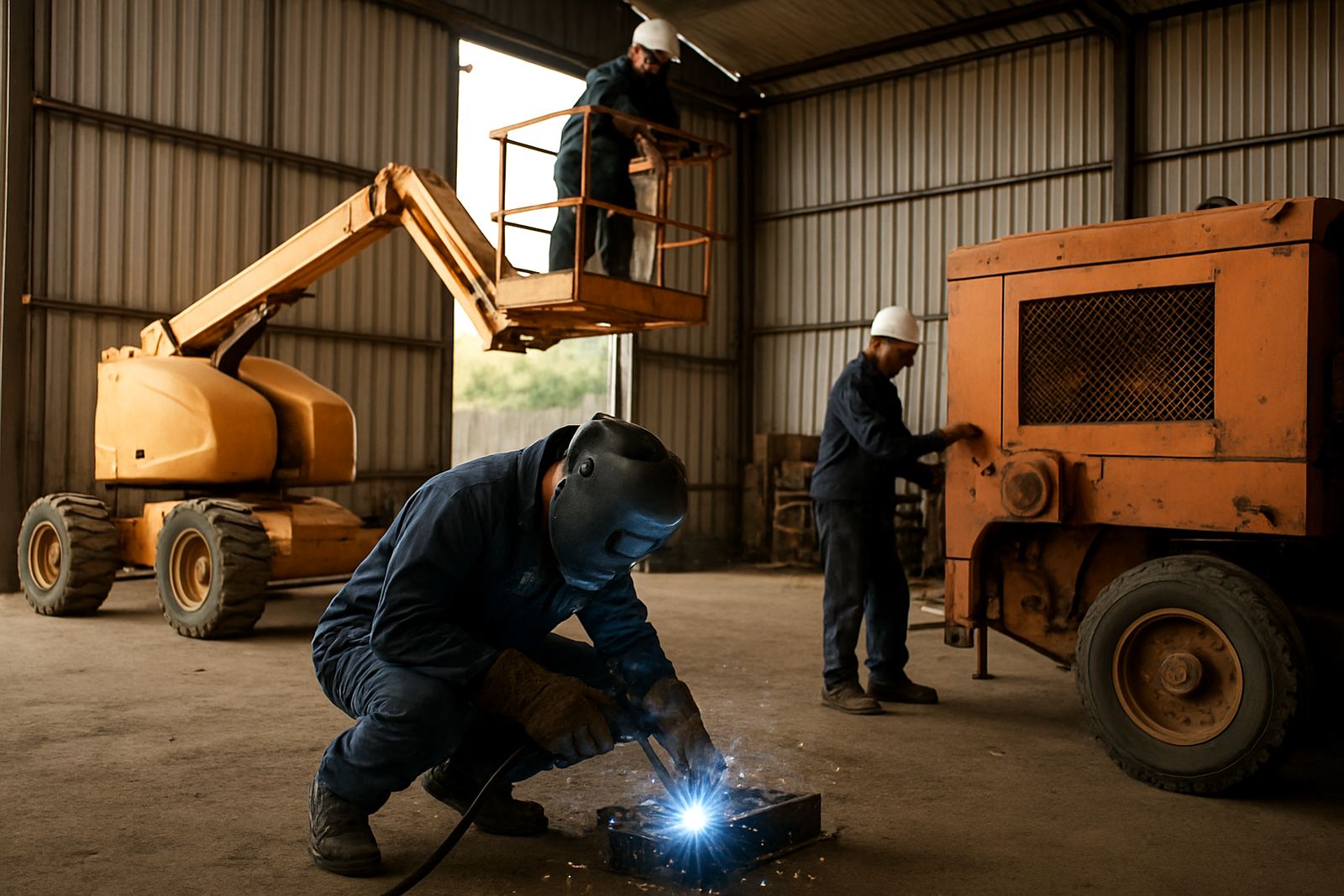
We also see a lot of callouts where a site needs a machine to arrive in working order and keep running through a full shift. Our workshop team checks units before dispatch, and if a breakdown does happen we respond quickly so the delay does not spread across the rest of the programme.
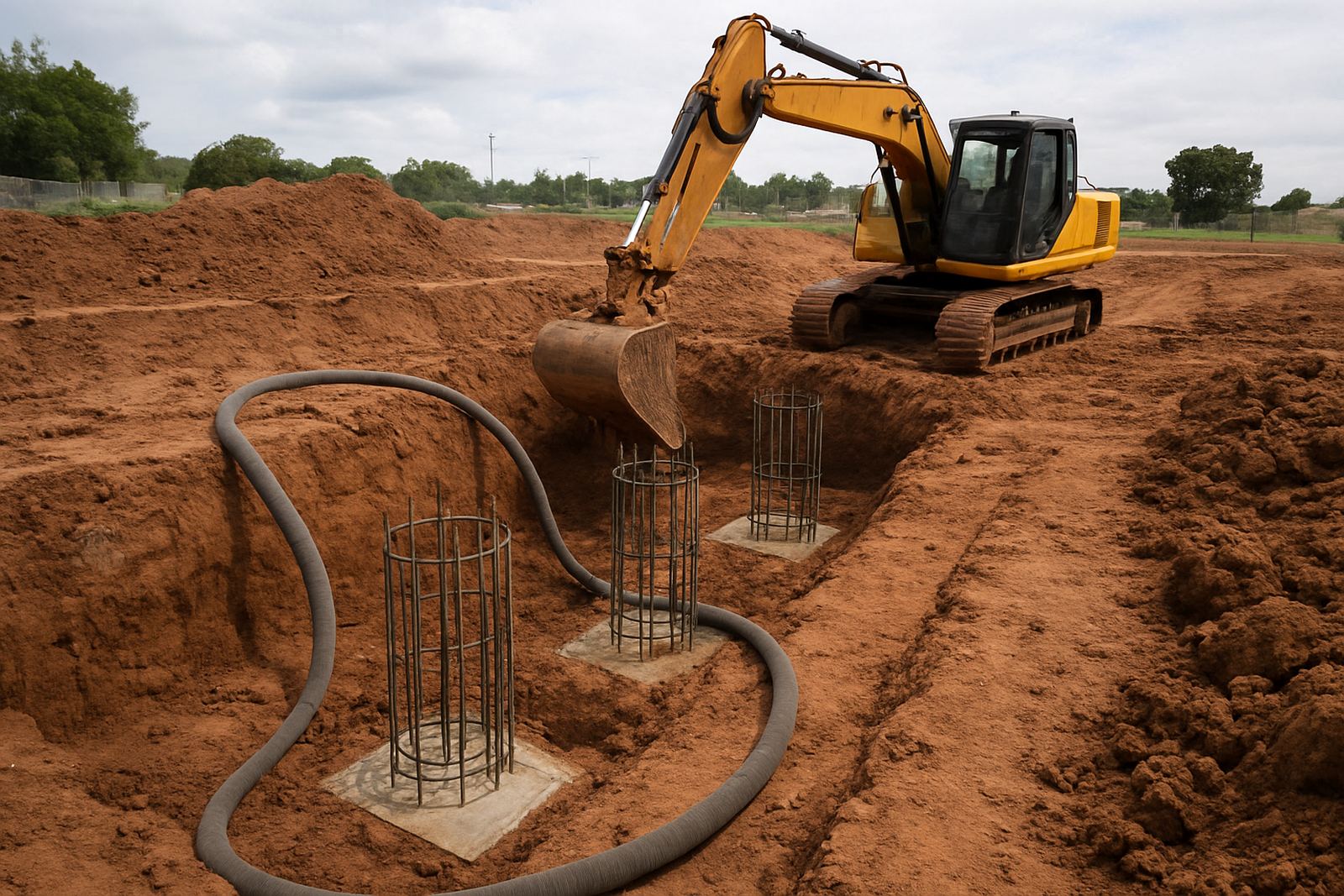
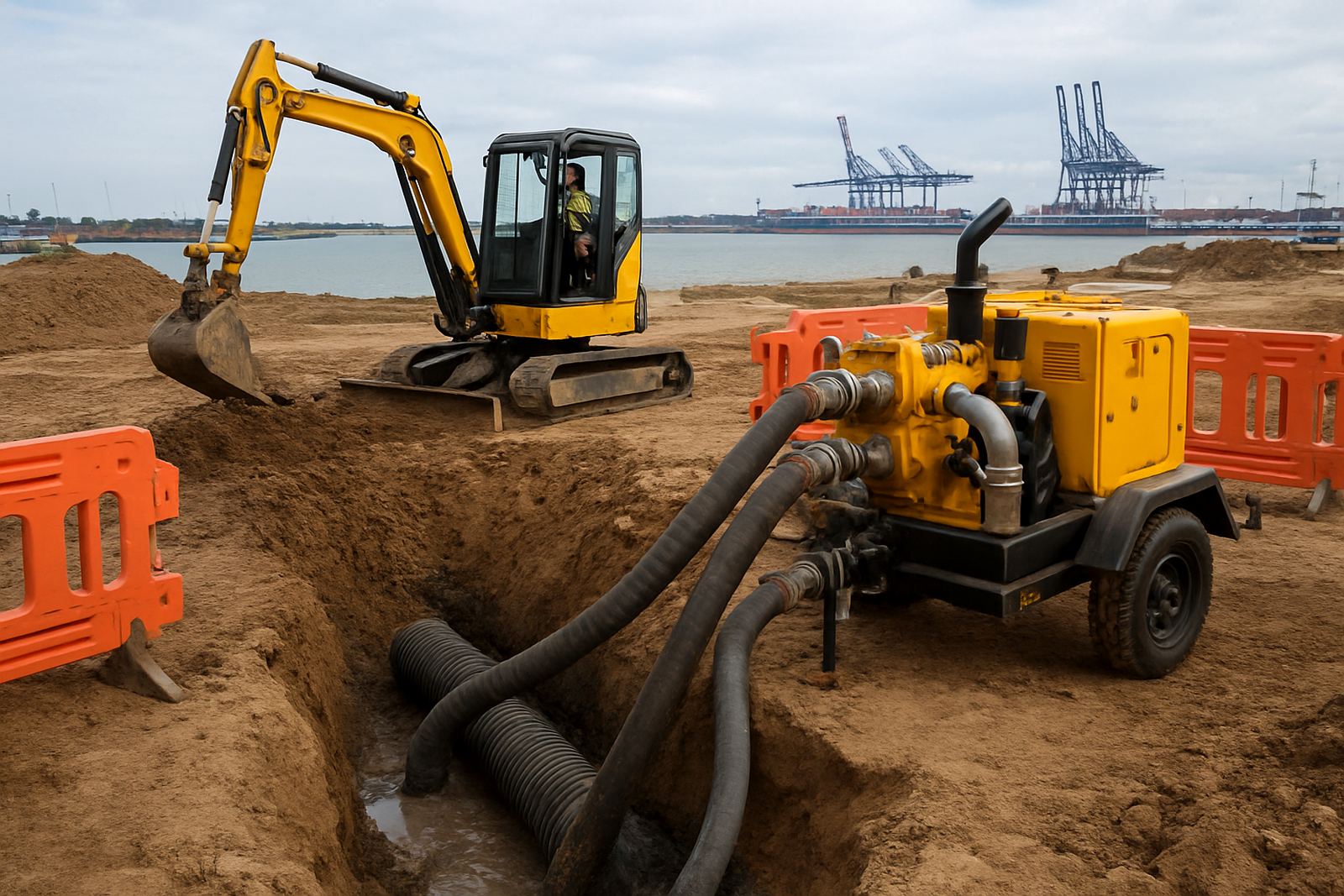
- Excavation and trenching
- Foundation prep and backfilling
- Temporary power for site cabins and tools
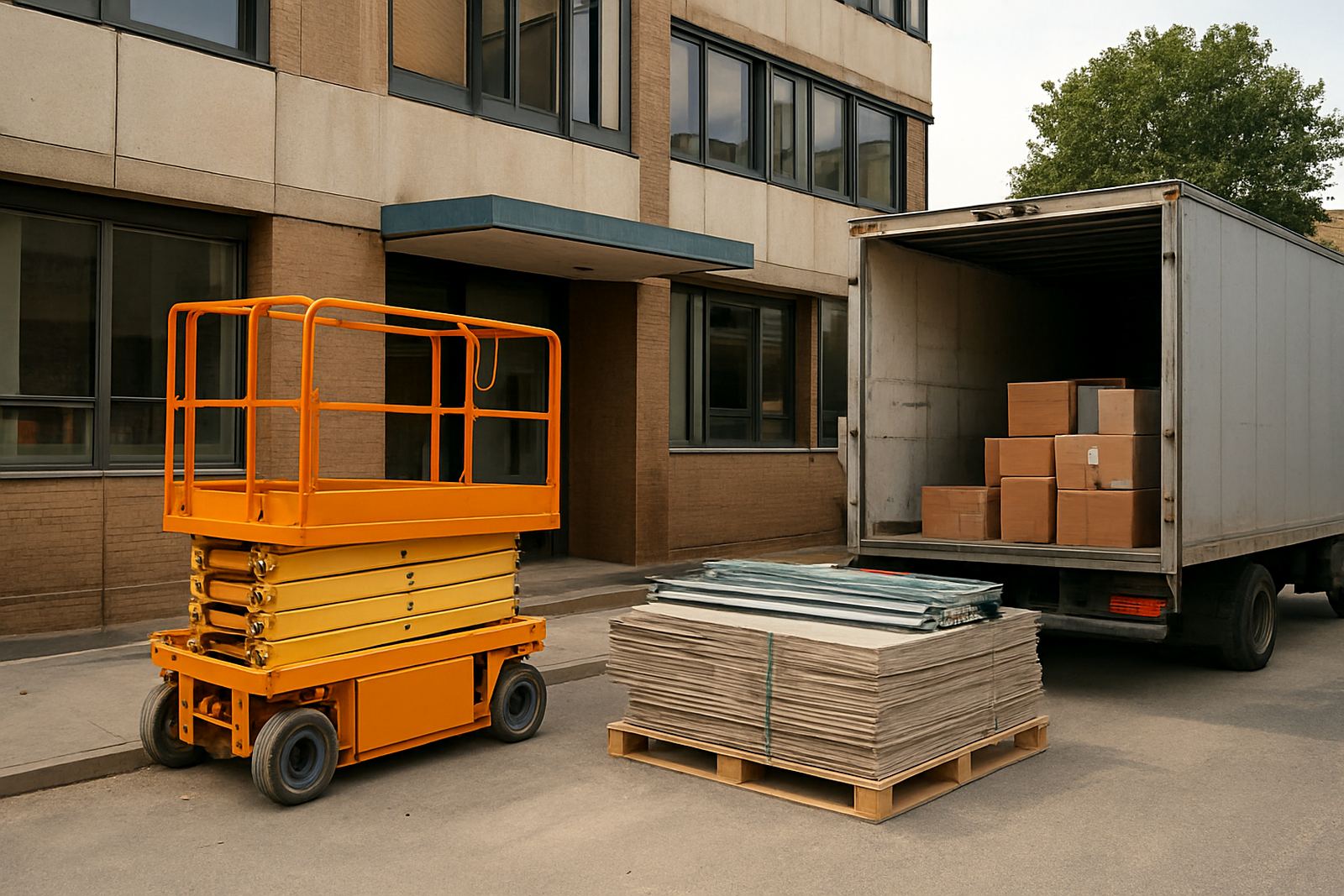
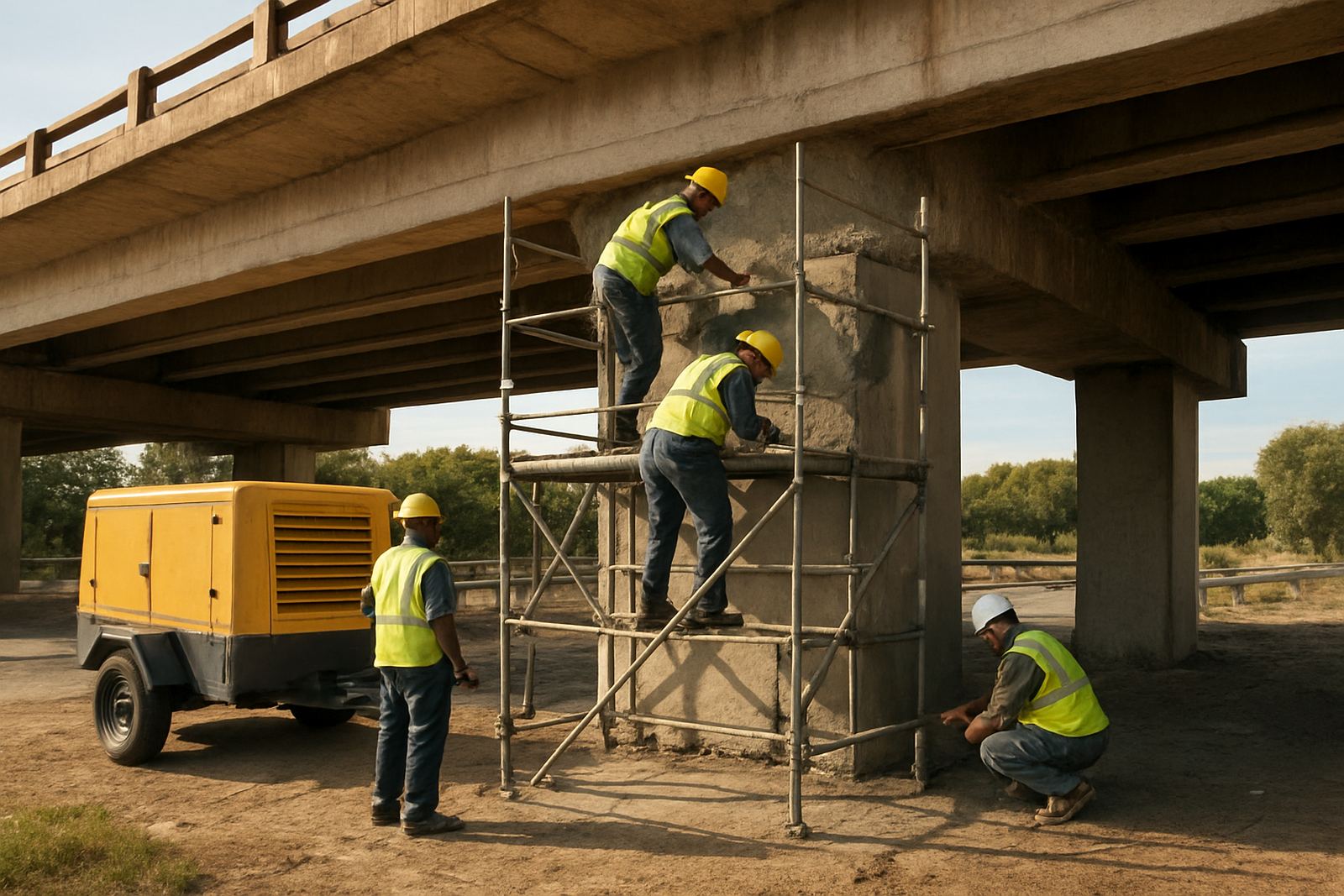
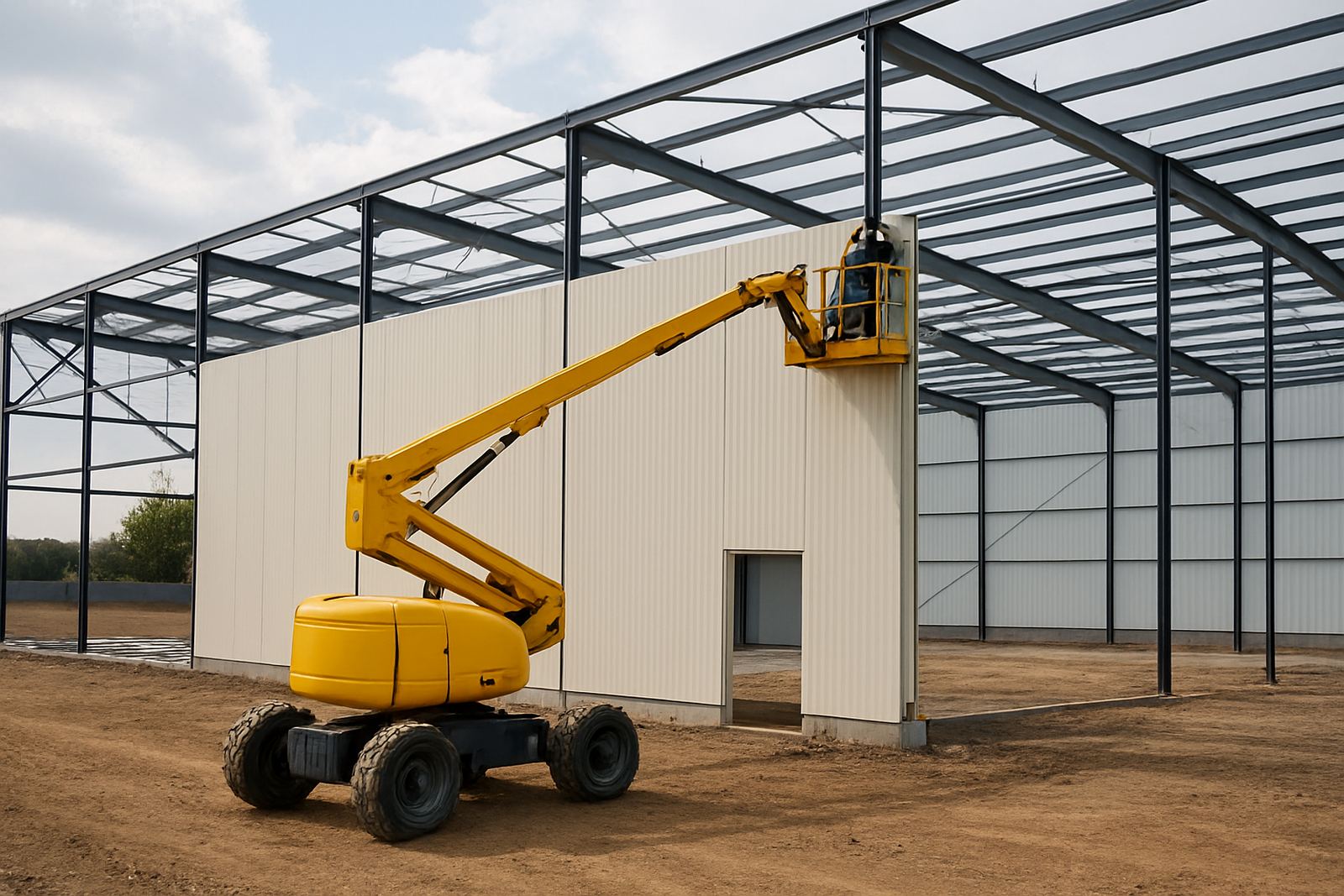
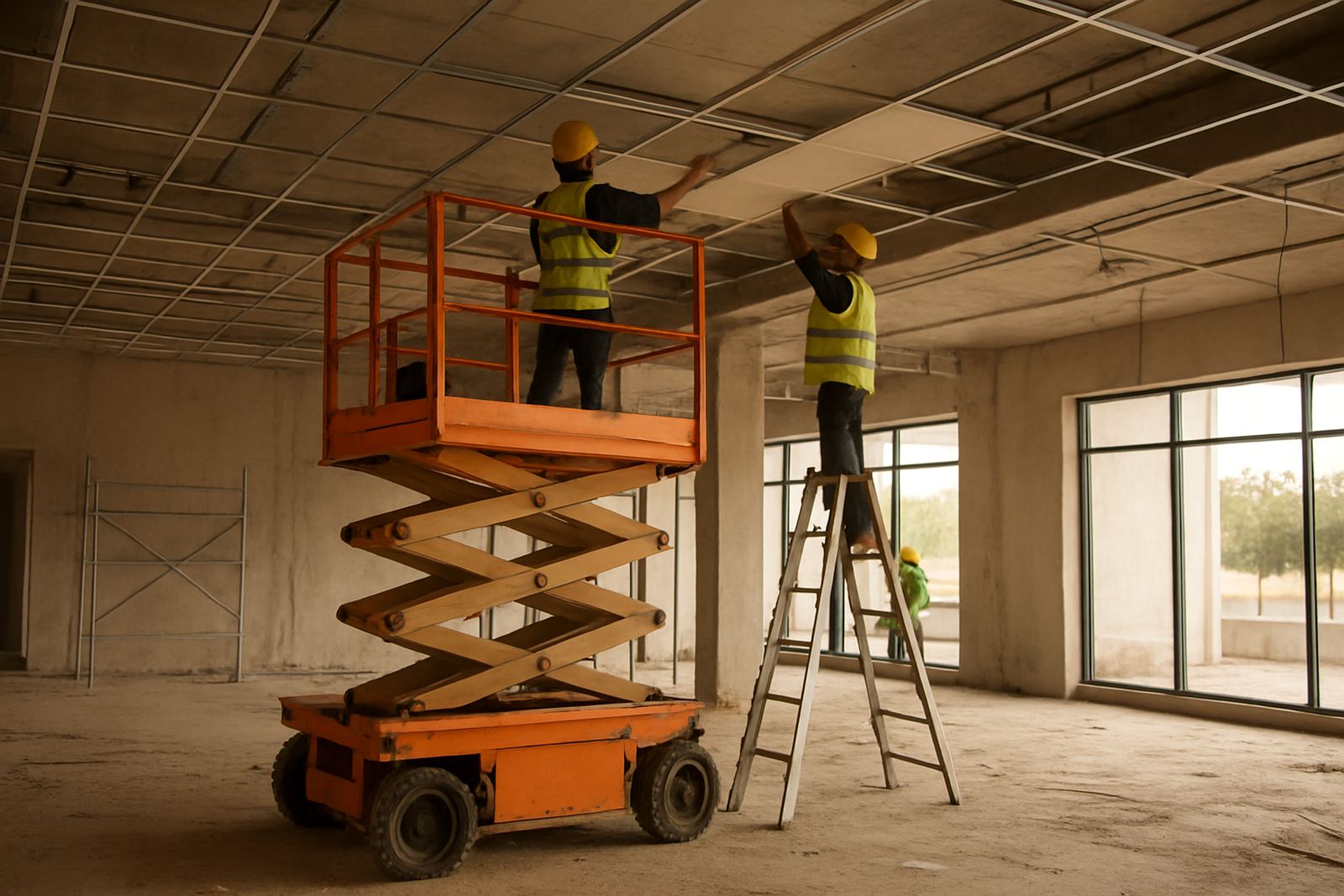
- Access platforms and work-at-height support
Coastal jobs and the extra planning they need
Jobs in Durban, Pinetown and Cape Town often need a little more planning because of humidity, salt air and changing weather. Metal components can need closer attention, and sites near the coast can be harder on plant that is left idle between shifts. For that reason, our team often works with tighter service intervals and clearer off-hire collection schedules.
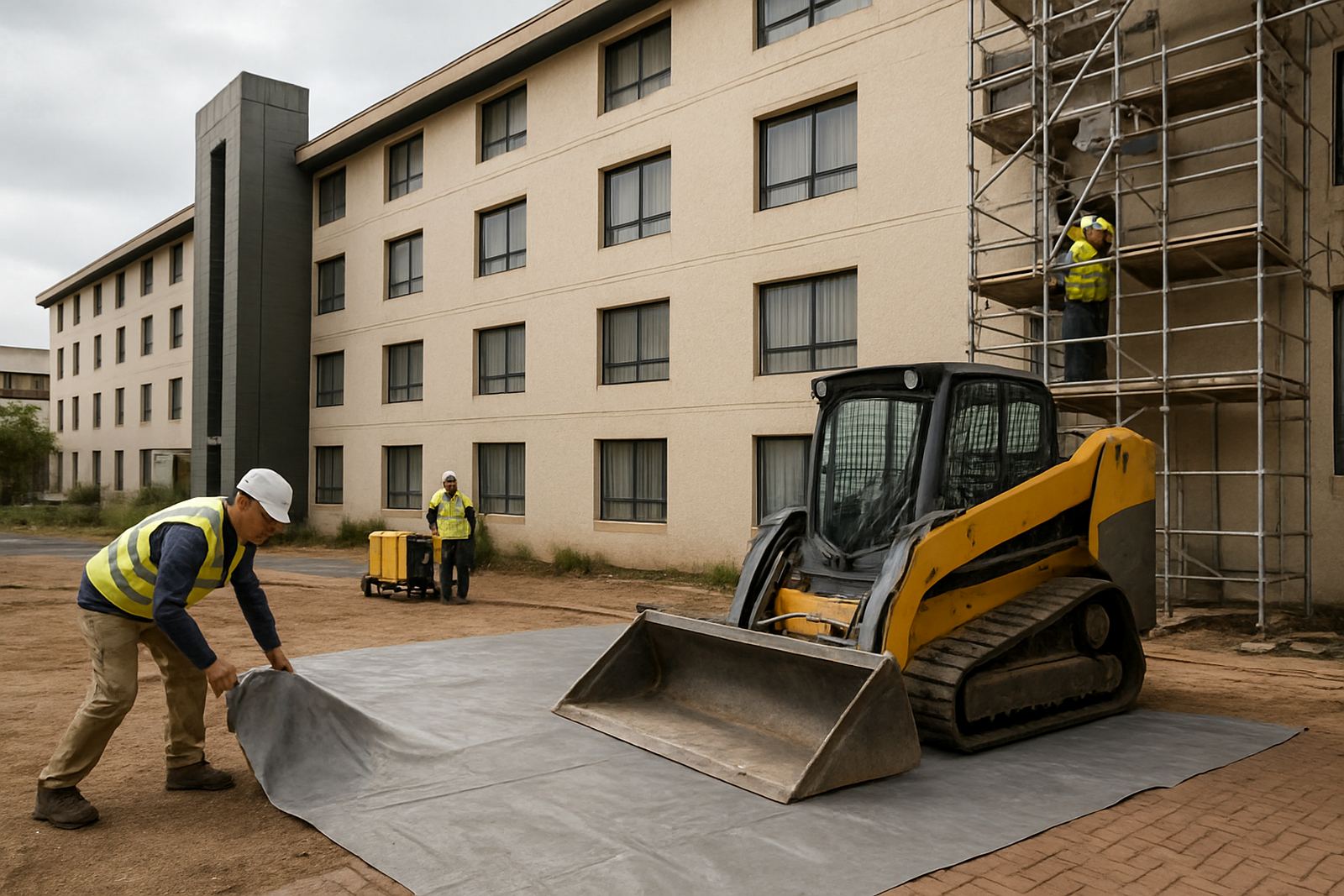
We also consider weather exposure when planning scaffolding, generators and longer hires. A coastal site may need extra protection for stored units, proper anchoring and quicker response if wind or rain changes the work plan. That sort of detail keeps the hire practical, not just available.
Support that goes beyond delivery
Recent jobs often show that the hire is only part of the job. Contractors also need a clear fuel plan, safety documents, operator supply and a reliable contact who understands the site sequence. That is why our support can include same-day dispatch, weekend support and plant swop-outs when the job changes direction.
- Site deliveries and off-hire collections
- Operator supply for short or extended works
- Safety documentation for site access and audits
- Breakdown response and on-site servicing
- Fleet planning for phased projects
When a build moves from excavation to slab work, or from structure to finishing, we adjust the plant plan so the next crew is not waiting around.
Why these examples matter for your next project
Every site is different, but the pattern stays the same: clear timing, the right machine, and support that matches the pace of the job. Our recent site jobs show how that works across small builders, major contractors and mixed-use developments across Johannesburg, Gauteng and beyond.
If you are comparing options for your own project, use these examples as a guide to what a well-planned hire can look like. The best fit is usually the one that suits the ground, the programme and the access you actually have, not the one that looks easiest on paper. A job runs better when the equipment arrives ready and the plan is simple.