What the contractor needed on site
The project was for a local contractor in Boksburg working on a yard extension at an active industrial property close to the N12 and key freight routes. The brief was simple on paper but tight in practice: cut back the existing edge, prepare a new platform, build up levels, and compact a yard surface strong enough for daily truck movement, material drops, and general plant traffic. The client wanted a hire package that could cover the full earthworks sequence without having to pull equipment from different suppliers every few days.
The site also had live operations running beside the work area, so access had to stay open for deliveries and staff. That meant careful scheduling, controlled delivery times, and machines with a footprint that suited a restricted yard. The ground conditions were mixed, with some old fill, softer pockets after rain, and a few service routes that had to be protected during the works. We planned the fleet around that reality, not around ideal conditions.
- Location: Boksburg, Gauteng
- Project type: yard extension and hardstanding prep
- Work area: active industrial site with restricted access
- Main challenge: compaction and level control on mixed fill
Plant we supplied for the earthworks sequence
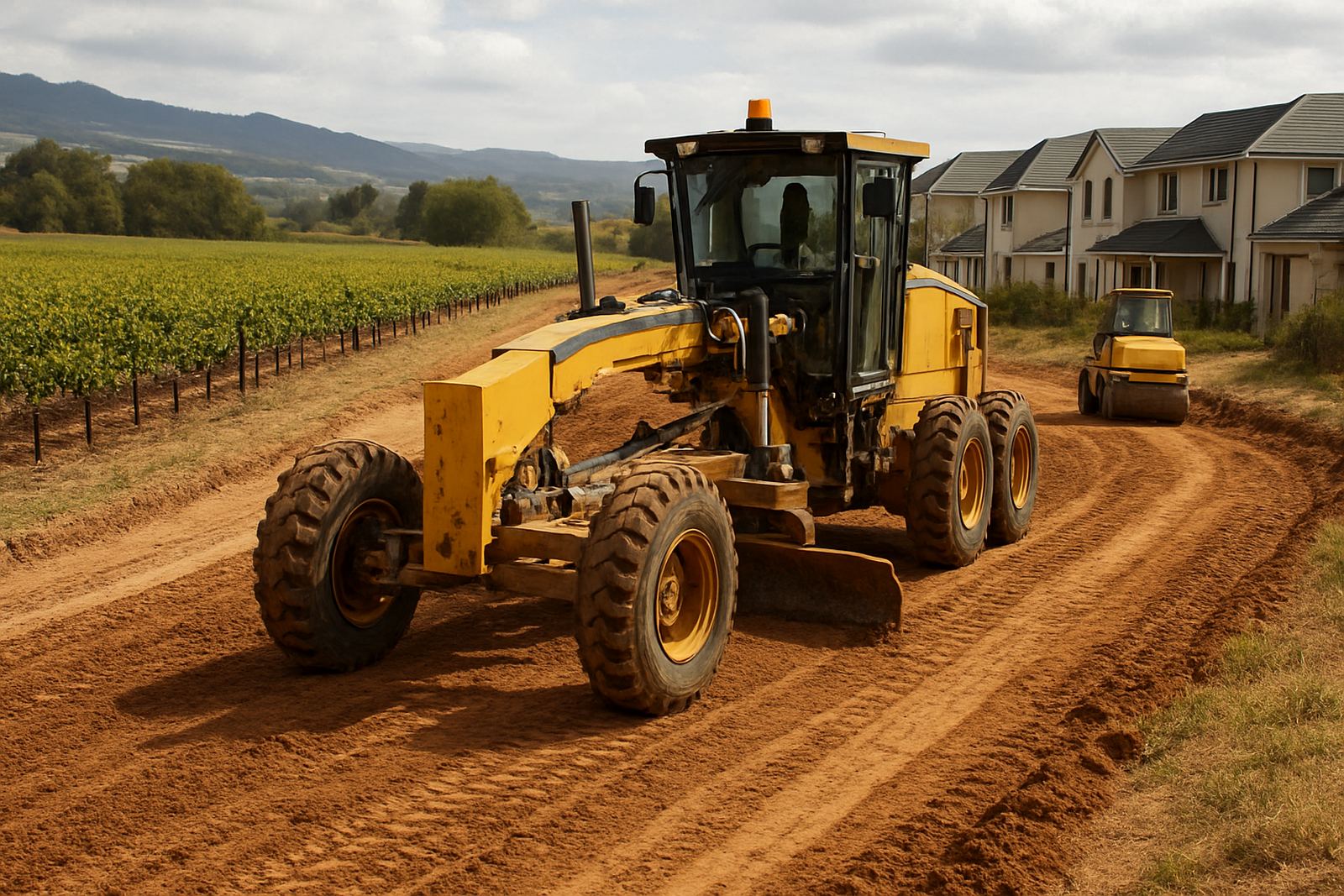
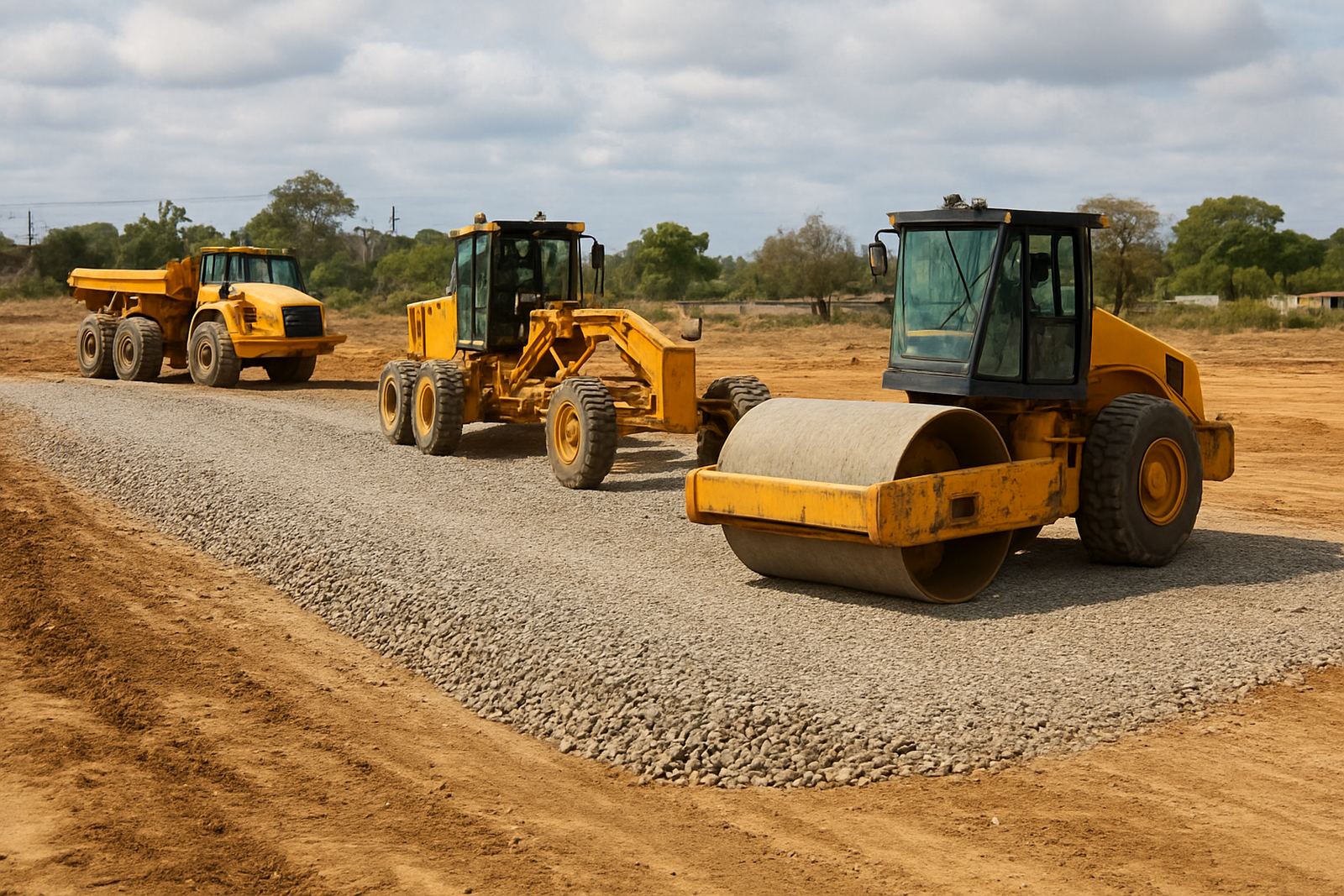
We supplied a matched package of earthmoving and compaction equipment so the contractor could move from strip-out to finishing without delays. The core fleet included a 20 tonne class excavator for bulk digging and trimming, a 3 tonne site dumper for moving spoil and crushed stone inside the yard, a ride-on roller for layer compaction, and a walk-behind plate compactor for edges, trench lines and tight spots near walls and fencing. Where the crew needed extra lift and loading support, we added a wheel loader sized for fast stockpile handling and truck loading.
For this kind of job, matching the plant matters more than over sizing it. A machine that is too large slows the team down in a confined yard and can damage existing paving or kerbs. A machine that is too small means more passes, more fuel burn and longer hire days. We set up the fleet so the excavator could open up the site, the dumper could feed the works, and the roller could follow with proper layer control at each stage.
- Excavator: approx. 20 tonne class with grading bucket
- Wheel loader: yard loading and stockpile handling
- Site dumper: on-site haulage for spoil and fill
- Compaction gear: ride-on roller plus plate compactor
Keeping the programme moving over six weeks
The hire ran for six weeks in total. Week one covered delivery, setting out support, and the first cut back of existing material. Week two and three focused on bulk excavation, formation shaping, and import of suitable fill for the new hardstanding footprint. Week four was mostly compaction, moisture control and final trimming, which is where the weather could have caused trouble if the machinery had been standing idle between tasks. The last two weeks were used for final passes, touch-ups at the edges, and getting the surface ready for the contractor’s paving and finishing crew.
We used same-day dispatch from Germiston when one of the compactors was required sooner than planned after a wet spell slowed the first pass. That saved a full day on the programme. Fuel management was also part of the arrangement because the site had long operating hours and the client preferred one controlled refuel process instead of ad hoc diesel runs. It kept the yard safer and cut down on interruptions.
- Total hire period: 6 weeks
- Dispatch: same-day where timing changed
- Support included: fuel planning and off-hire collections
- Operating need: long shifts with minimal downtime
Constraints we planned around in Boksburg
Boksburg sites often have practical limits that are easy to overlook until the plant arrives. This one had narrow access points, a live boundary line, and a yard surface that had to stay serviceable for vehicles entering and leaving the rest of the property. We scheduled deliveries around the client’s transport times and kept the layout clear so the machines could turn without clipping stockpiles or temporary fencing. There were also local dust control concerns, which meant the compaction and hauling sequence had to keep spoil moving off the working face rather than building up in piles.
Because the yard expansion sat in an industrial area, noise and traffic timing mattered too. The crew needed equipment that could start reliably before sunrise and continue through the day without the usual stop-start frustration that comes from weak batteries, poor hydraulics or worn tyres. Our workshop checked the machines before dispatch and again during the hire window, which reduced the chance of breakdowns mid job.
- Narrow site access and live traffic movement
- Dust control and controlled spoil stockpiles
- Noise and timing limits in an industrial area
- Need for dependable cold starts and clean hydraulics
Safety, documentation and on-site support
The client needed the hire to slot into their own safety file and site controls, so we supplied the relevant documentation upfront, including machine particulars, inspection records and risk support for the equipment on site. Nokuthula Khumalo and the compliance team kept the paperwork aligned with the contractor’s own requirements, which made inductions faster and reduced admin once the team was already busy with earthworks. For a yard project like this, that paperwork is not just box ticking, it helps the principal contractor stay on top of site control and machine movements.
We also arranged operator supply for the compaction works when the client needed extra hands during a busy stretch. That kept the pace steady and helped the team finish the critical layers on time. Willem Erasmus and the workshop crew handled servicing checks, while Thabo Nkosi managed fleet allocation so the right machine was always available when the sequence changed. It was a practical setup, not a flashy one, and that is usually what these sites need.
- Safety files and equipment records supplied
- Operator supply available for busy phases
- On-site servicing if the job required it
- Fleet reallocation handled without delay
What the yard looked like at handover
By the end of the six weeks, the contractor had a properly compacted hardstanding area with a cleaner working edge, better drainage shape, and enough bearing strength for day-to-day yard traffic. The surface was ready for the next stage of the build, and the client did not have to wait on equipment swaps or chase missing support. That matters on industrial sites because one delay on compaction can hold up paving, fencing, storage layout and even incoming deliveries.
If we were doing the job again, we would keep the same approach: start with a clear plant plan, maintain one contact point for the hire schedule, and keep a standby compactor available when the weather is unsettled. That combination worked well here because it matched the site conditions and the contractor’s pace. In short, the job moved steadily, the yard stayed usable, and the client got the surface they needed without the usual hassle.
For similar Boksburg yard works, we would again favour a compact earthworks fleet, clear delivery timing, and a close eye on compaction passes. It saves fuel, reduces rework, and helps the contractor hand over on time.
Key facts
| Project location | Boksburg, Gauteng |
|---|---|
| Client type | Industrial contractor extending a working yard |
| Hire duration | 6 weeks |
| Main plant supplied | Excavator, wheel loader, site dumper, ride-on roller, plate compactor |
| Key service add-ons | Site deliveries, same-day dispatch, fuel management, safety documentation |
| Main result | Compacted hardstanding area ready for the next build phase |