




Choosing the right machine for the job
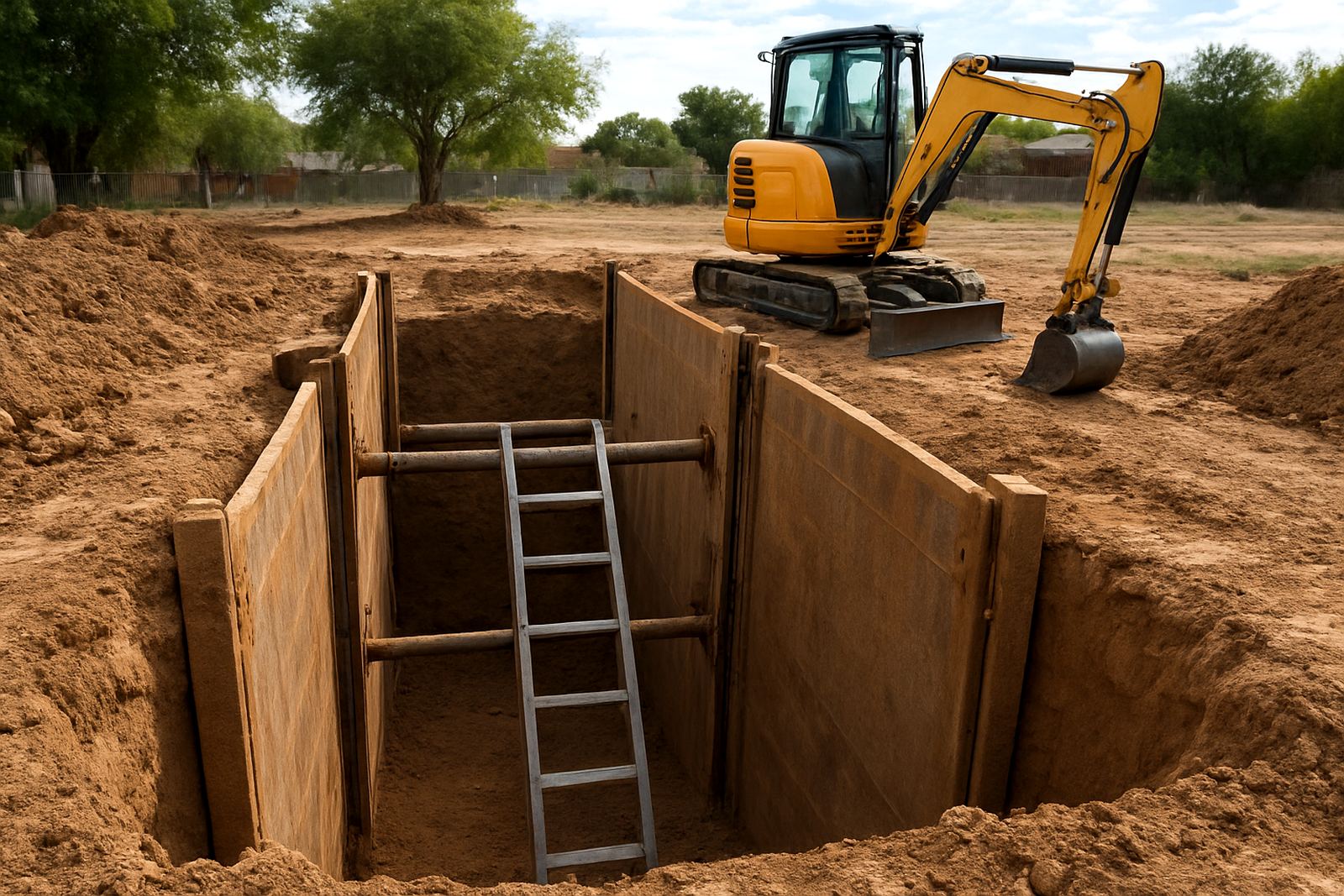
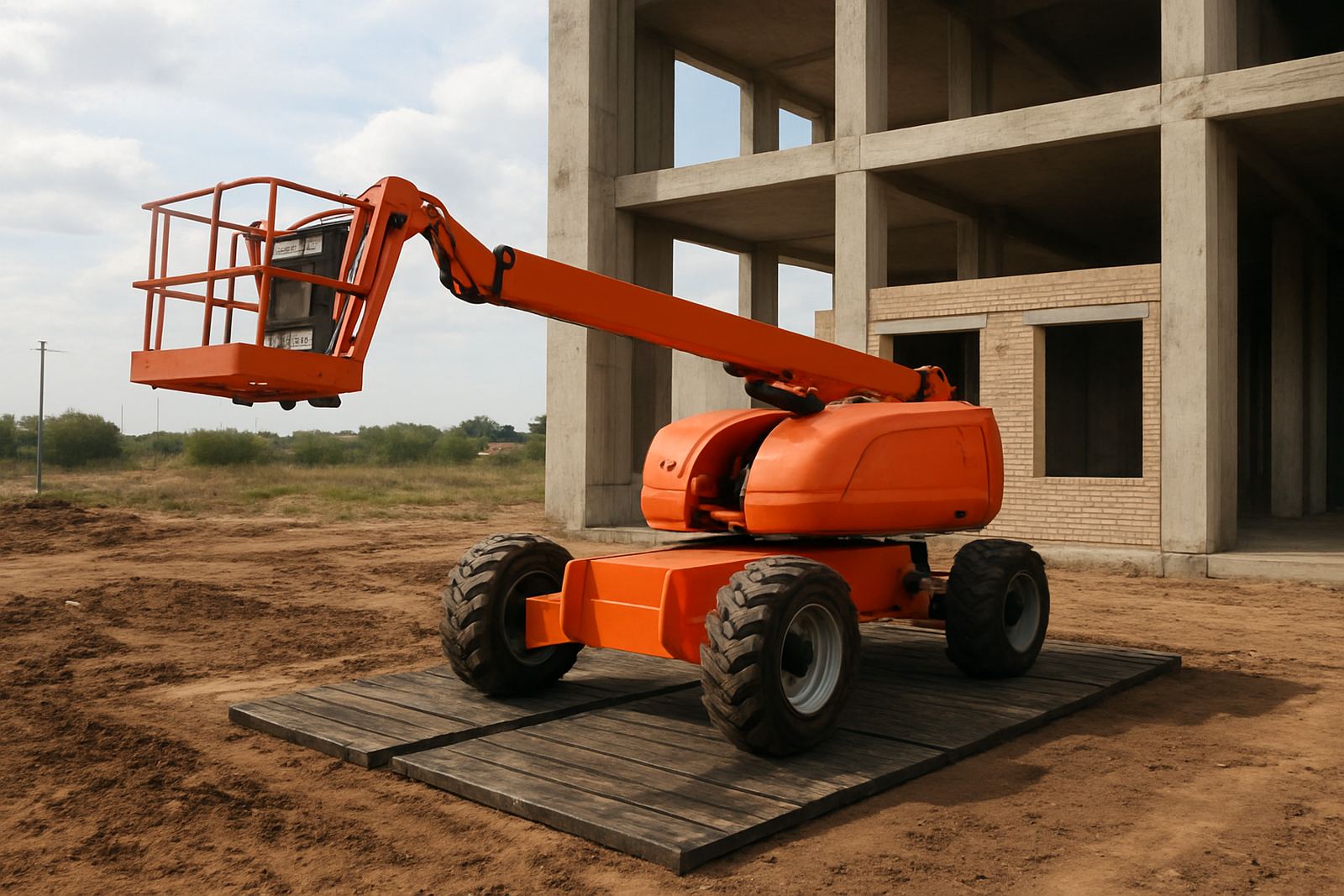
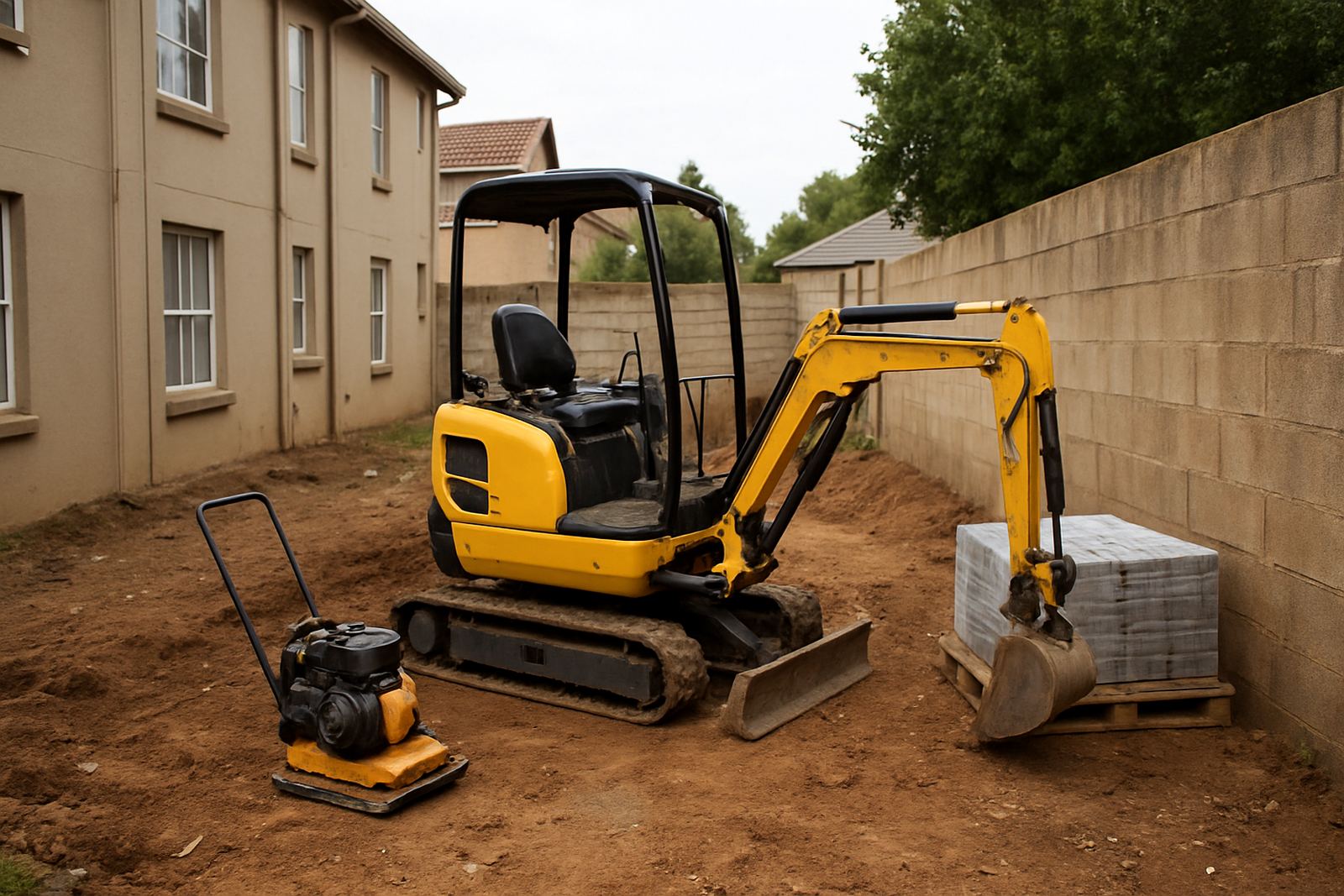
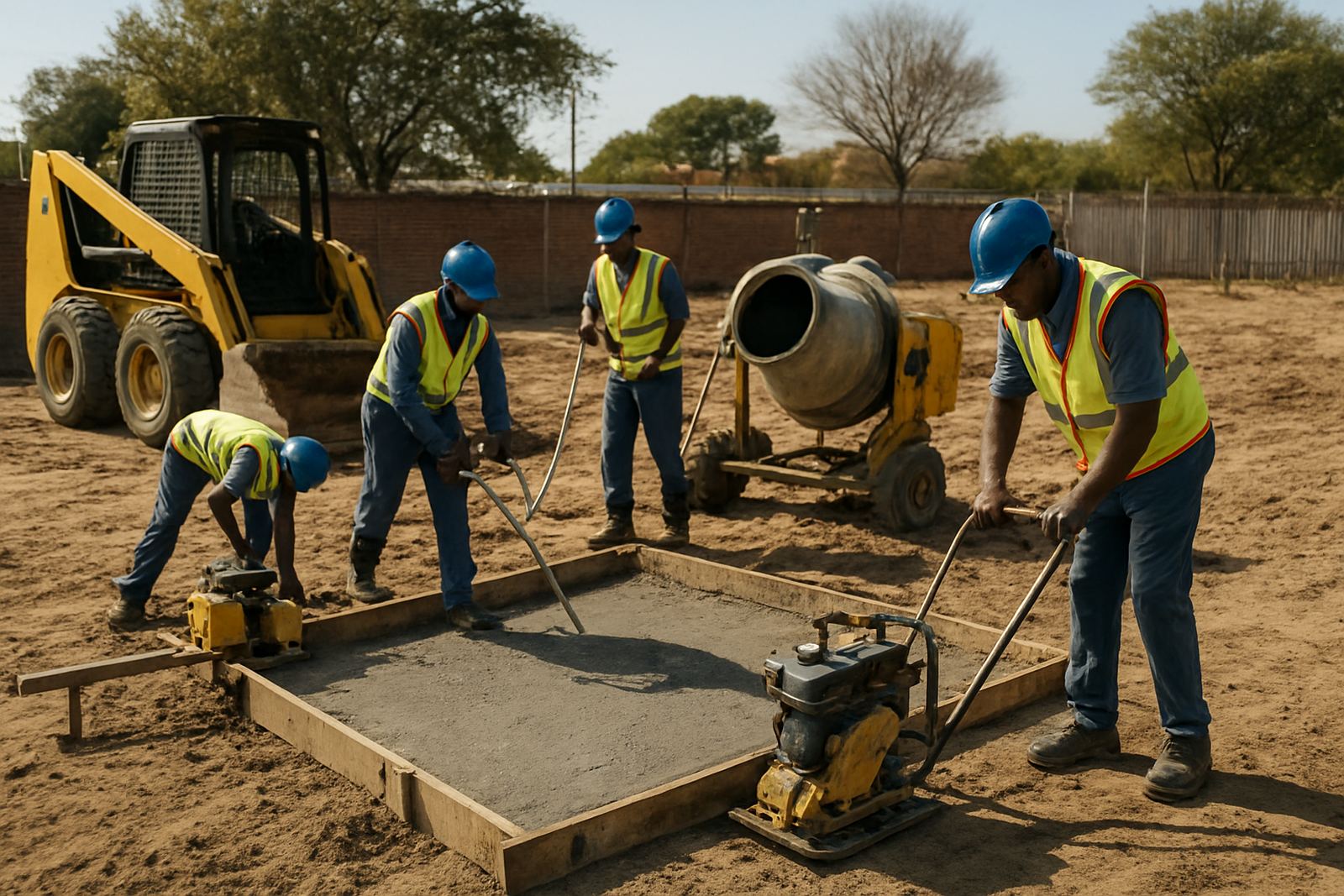
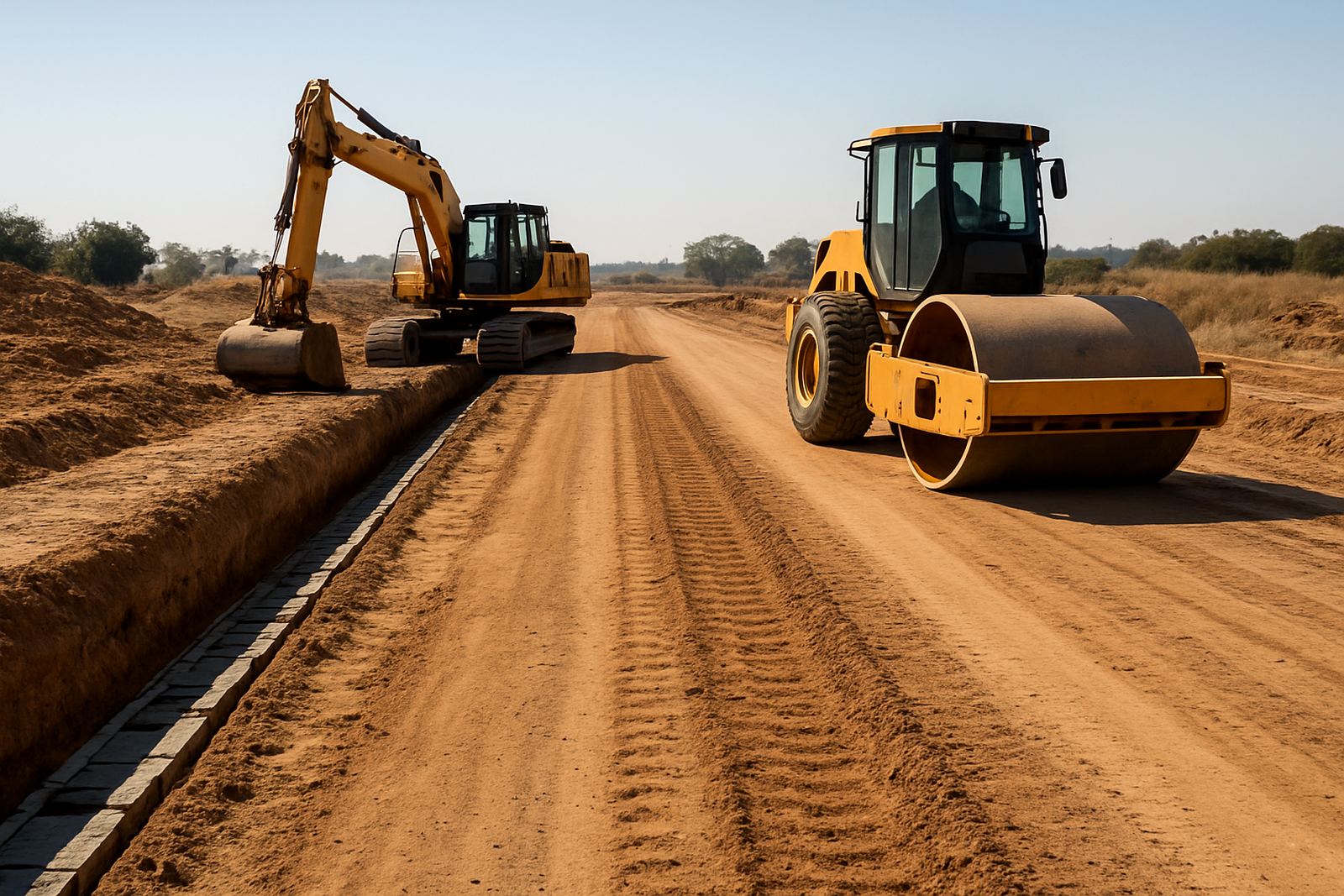
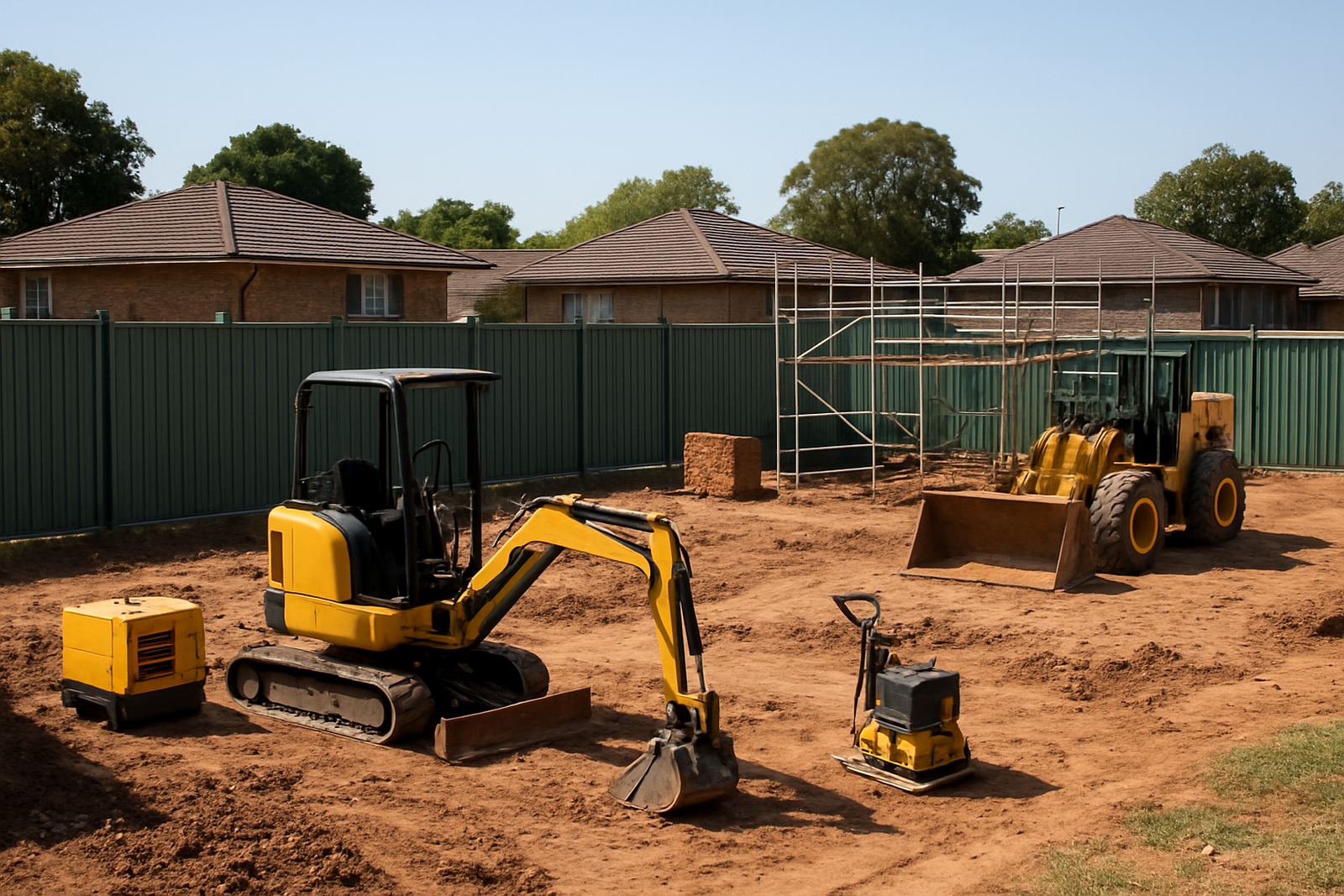
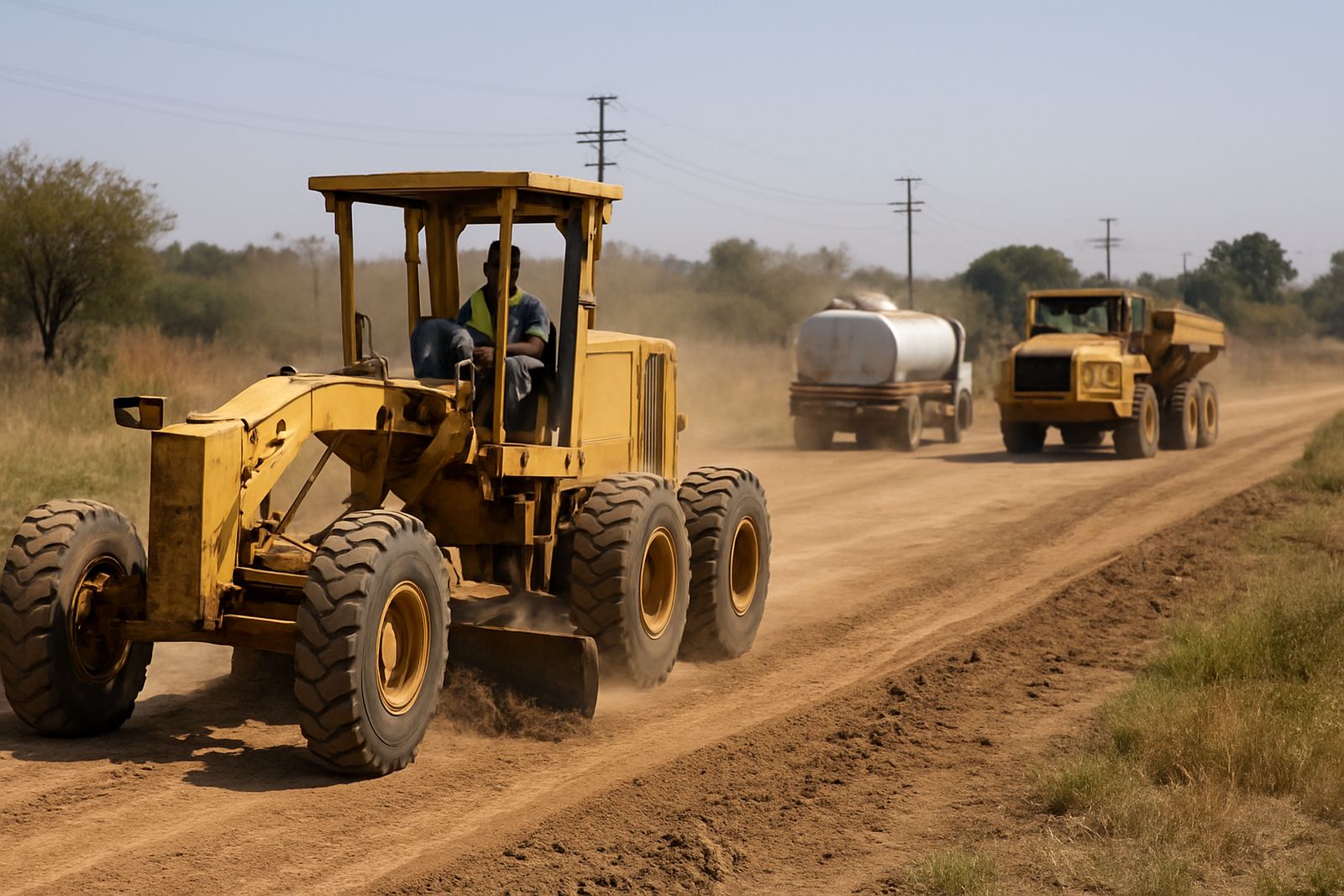
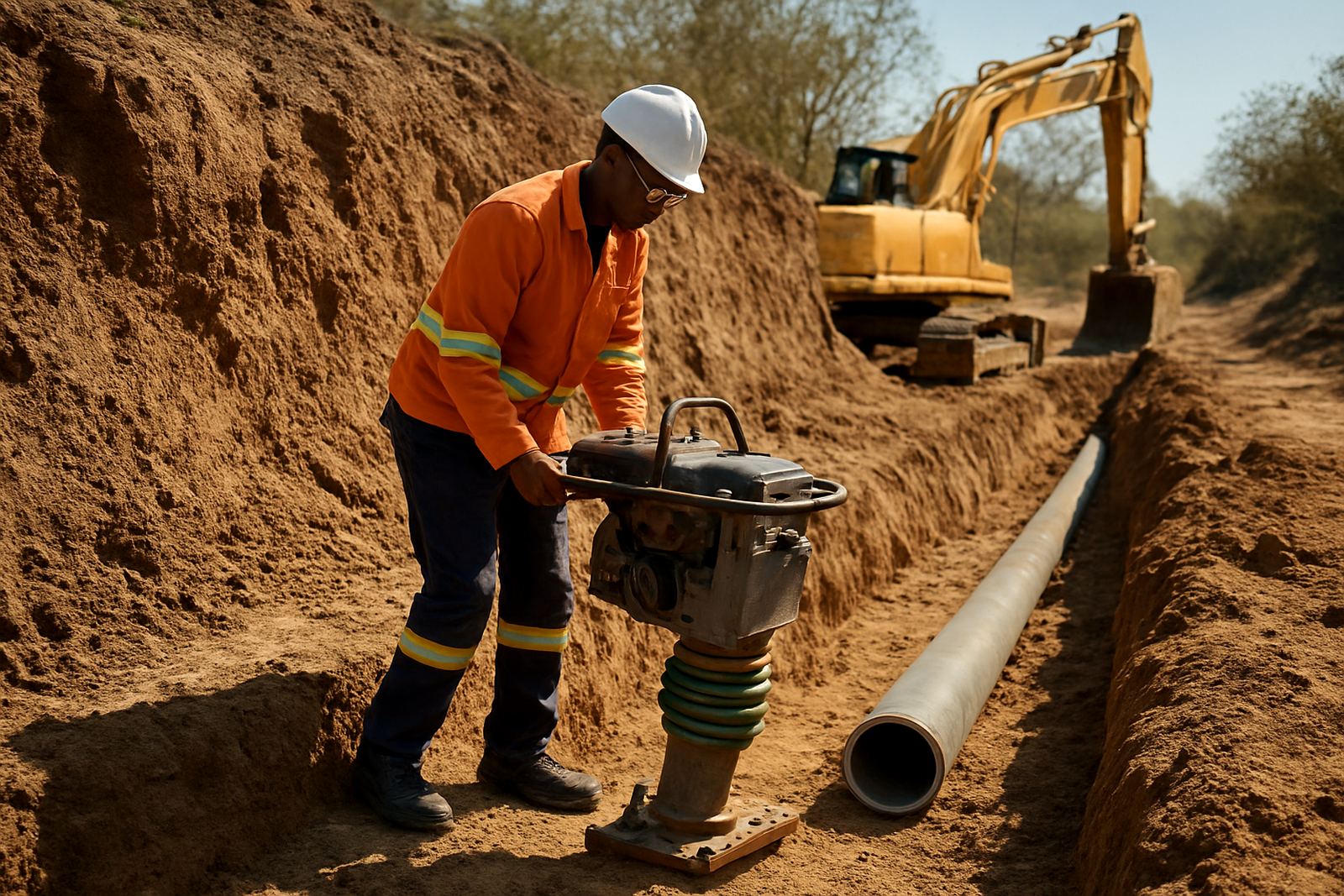
The right hire choice starts with the ground, the lift height, the digging depth and the space available for turning. A 14 tonne excavator that suits a housing estate in Midrand may be too much for a narrow renovation site in Germiston, while a compact machine may slow a bulk earthworks job in Durban. Matching the plant to the task saves fuel, reduces wear and cuts waiting time for the crew.
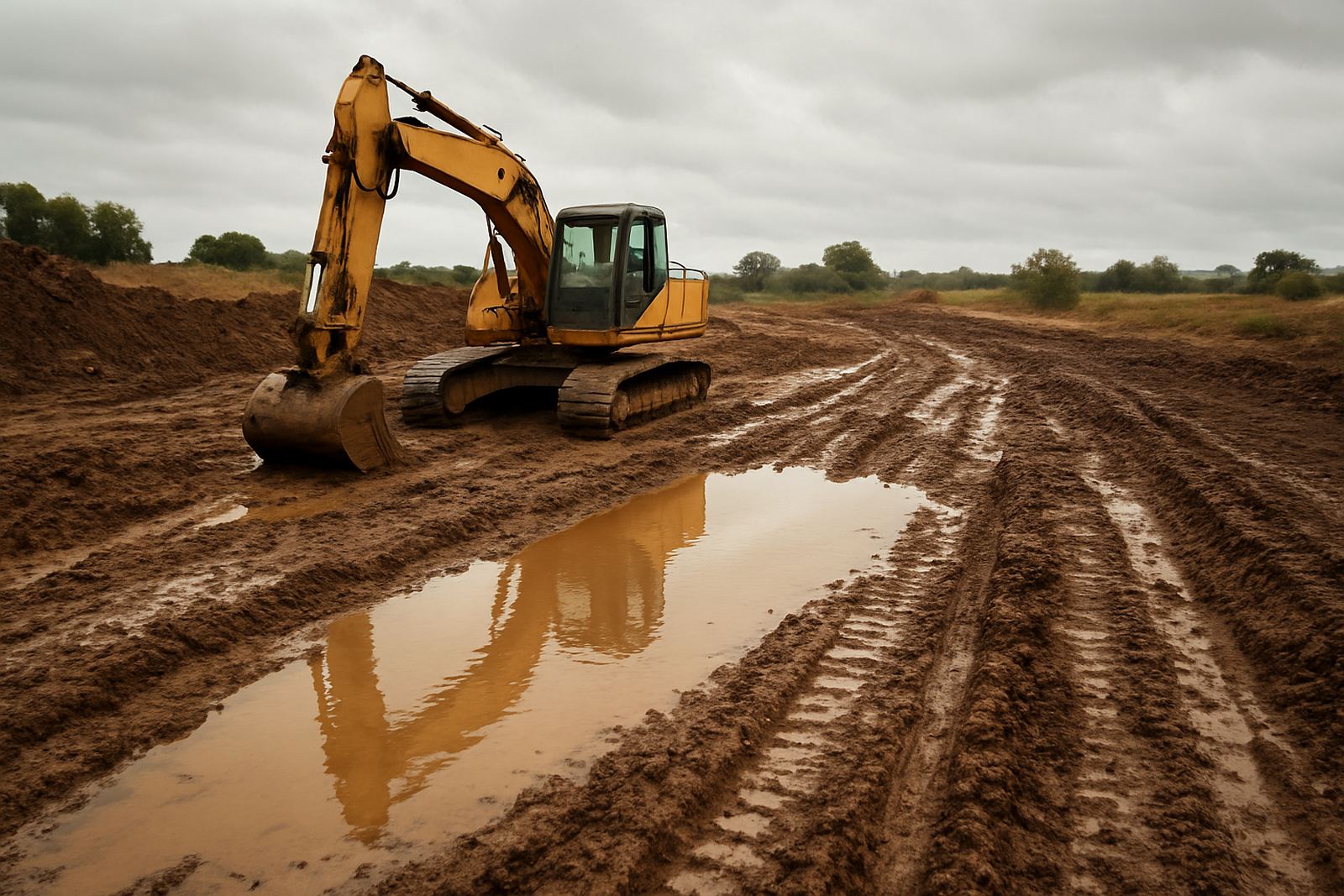
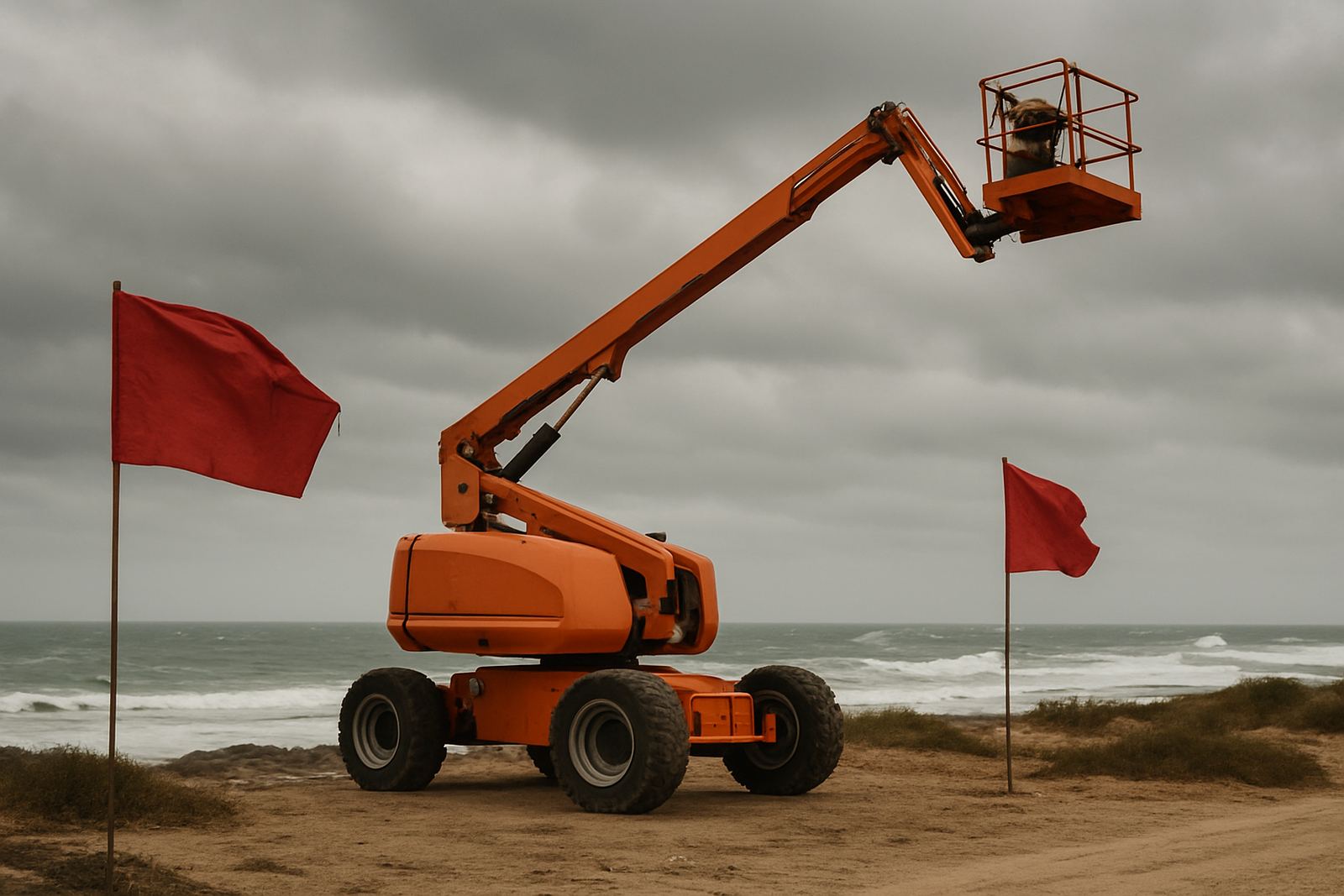
Contractors should also think about access for delivery trucks, hardstanding for loading and off loading, and whether the site can take the weight of the machine without rutting. On soft ground, after rain or on coastal sites with damp sand, a quick check before dispatch prevents delays and damage.
Planning for Gauteng traffic and site access
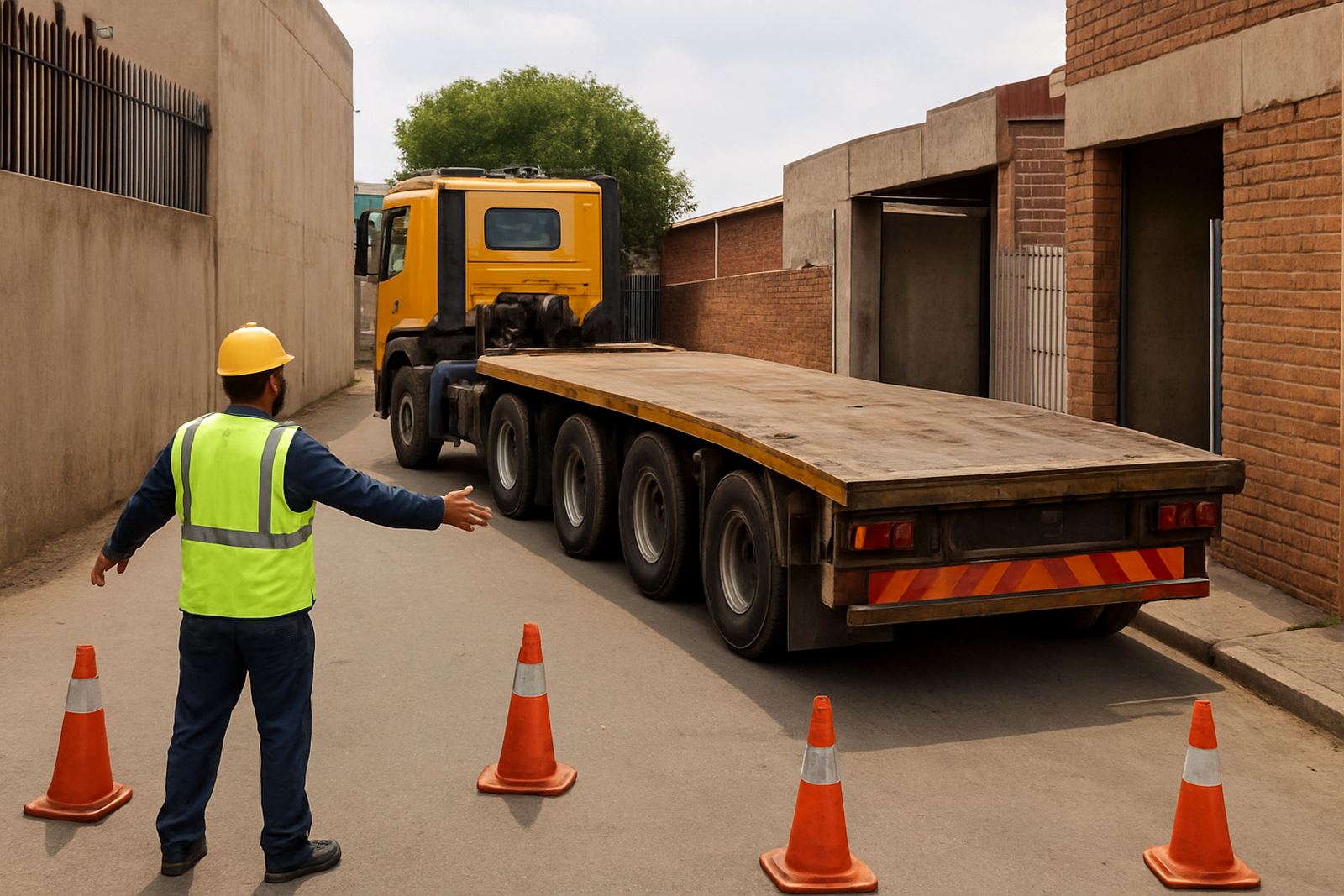
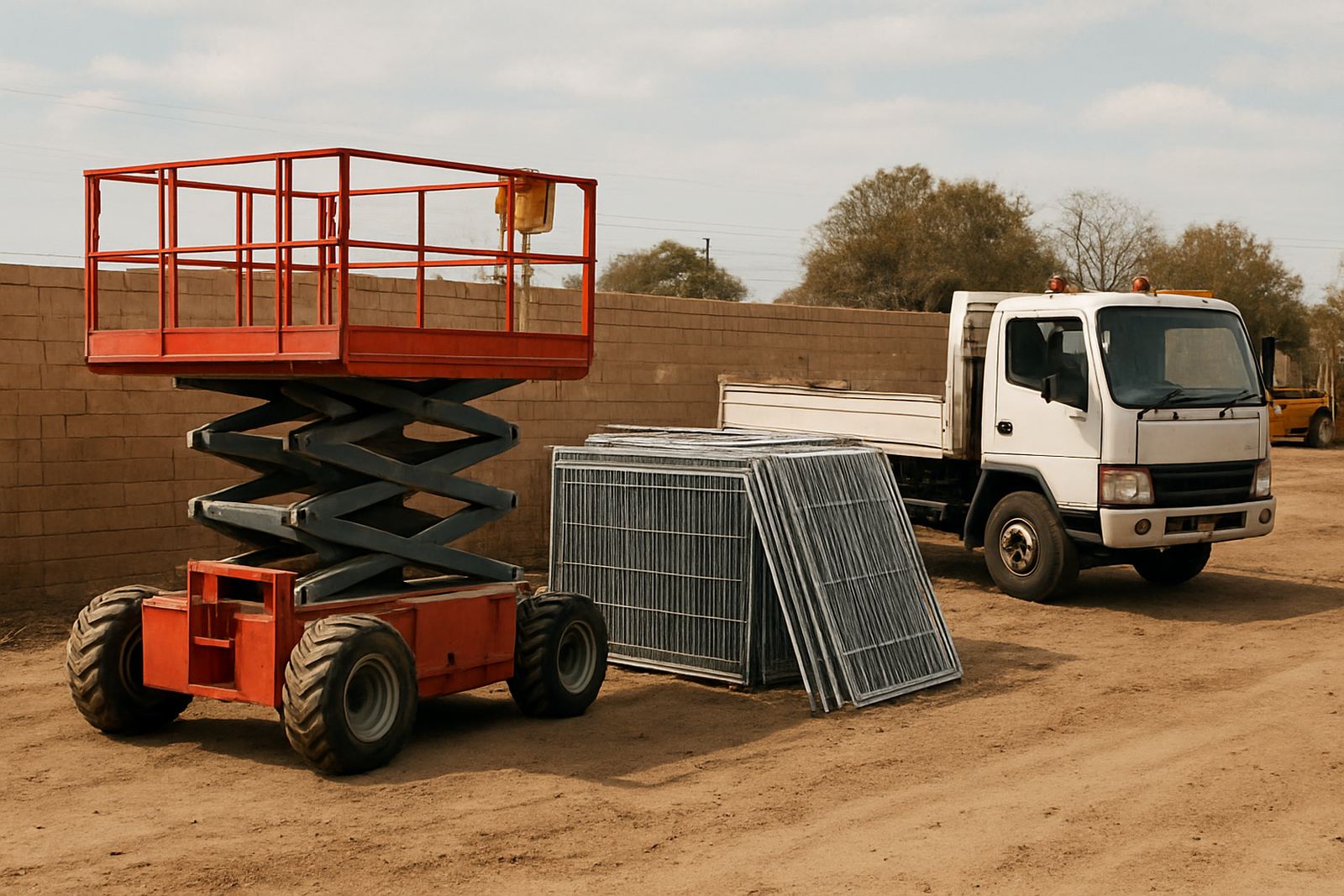
In Gauteng, delivery timing matters almost as much as the hire itself. Peak traffic around Germiston, Midrand and Pretoria East can add hours if the move is not planned properly, and some sites only allow offloading in a short window. It helps to confirm gate widths, turning circles, security procedures and the nearest entry point before the truck leaves the depot.
- Measure access roads, gate widths and overhead clearances before booking.
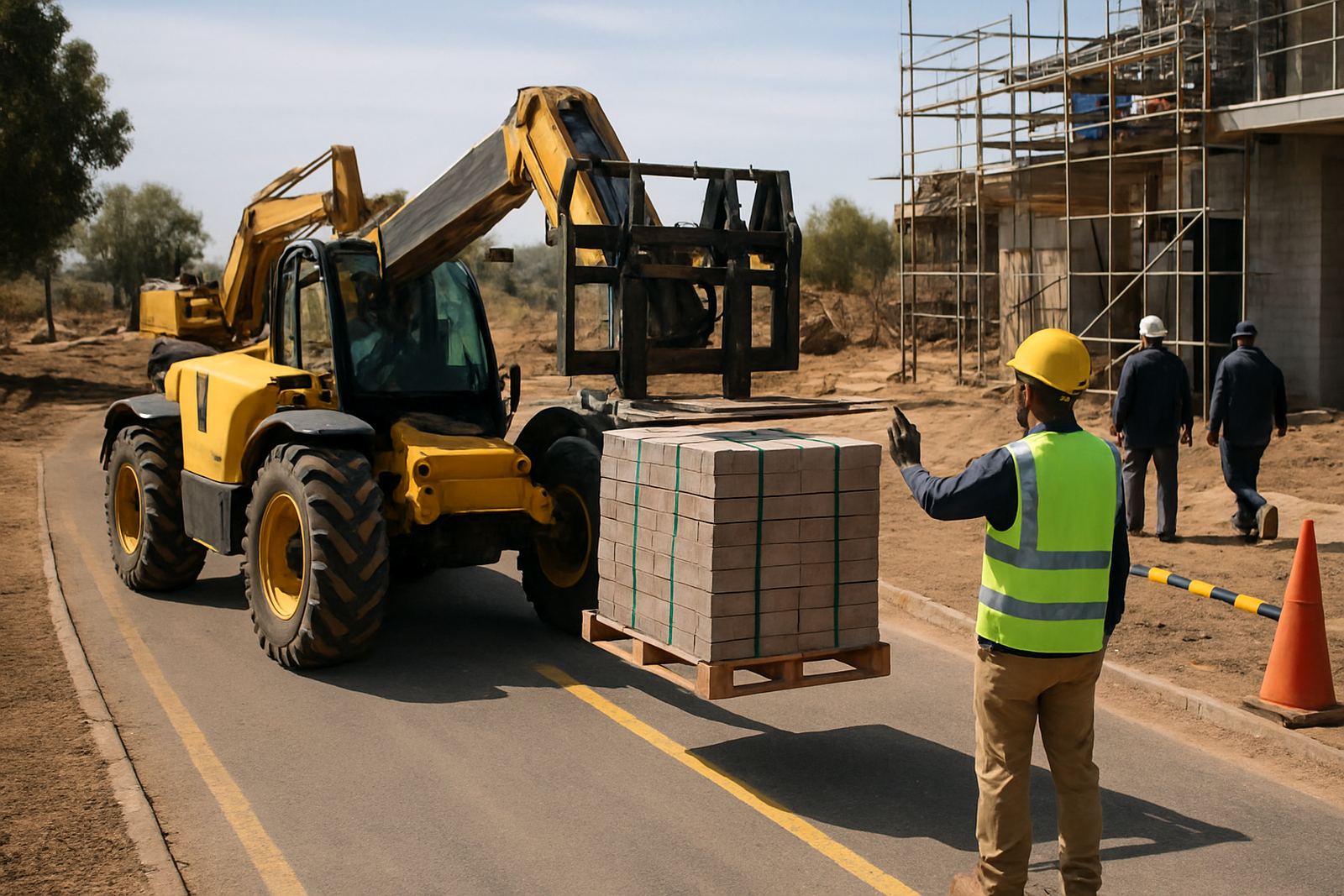
- Confirm if the site needs a banksman or escort during delivery.
- Check whether the surface can take a loaded truck without sinking.
- Keep someone on site for sign-off, handover and induction.
When a project runs on a tight programme, same-day dispatch and off-hire collections can keep the sequence moving without bottlenecks.
Power, water and load-shedding on live sites
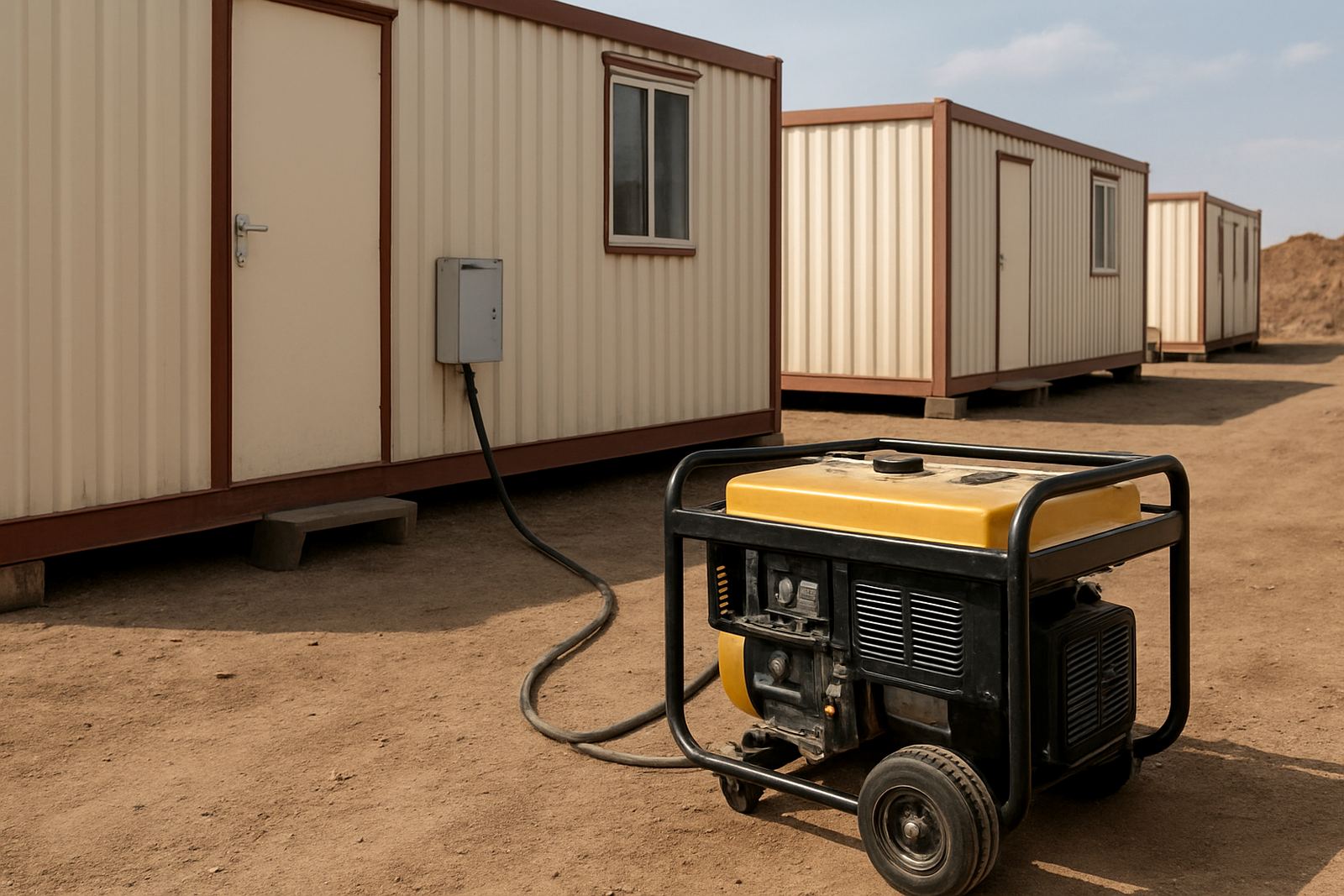
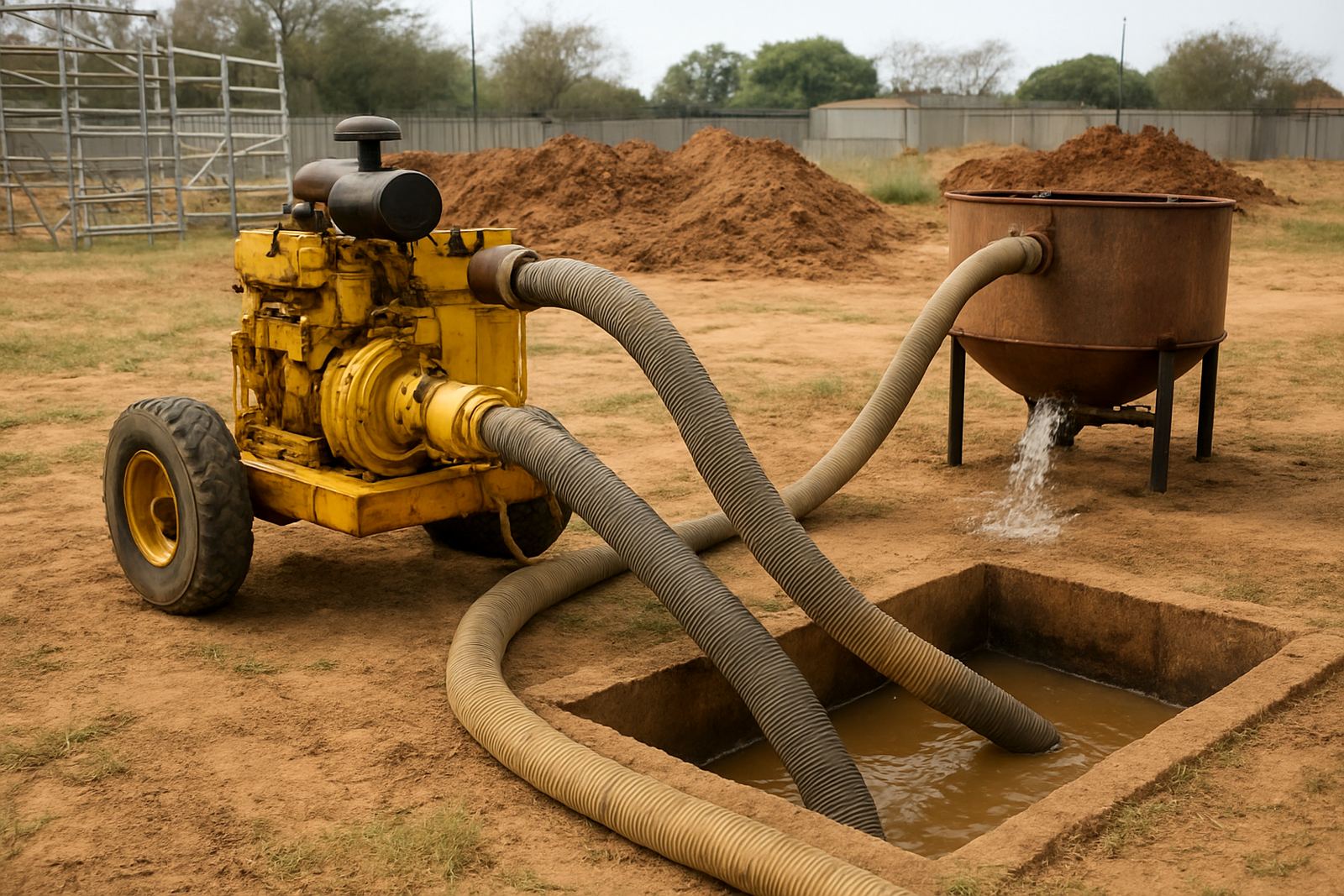
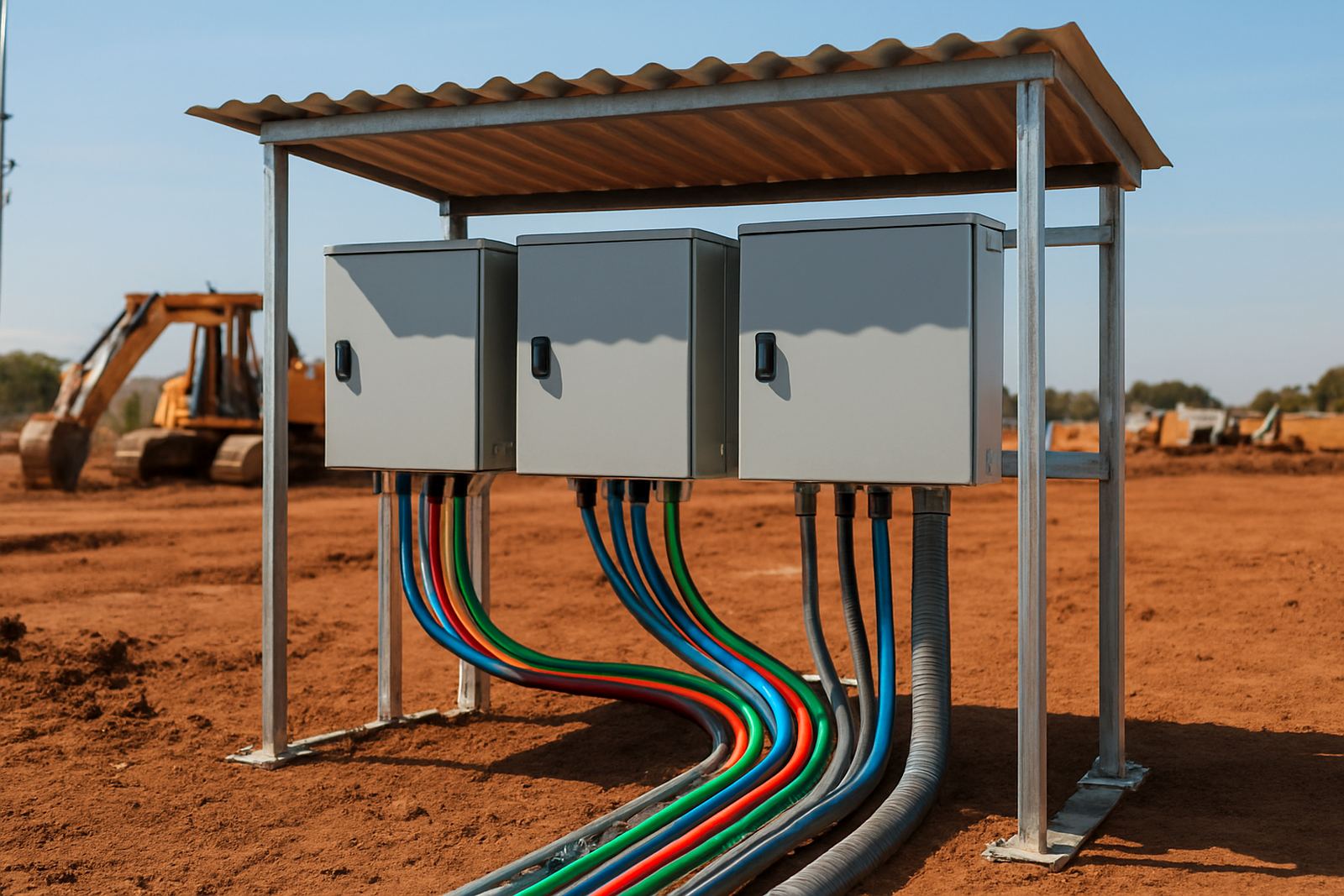
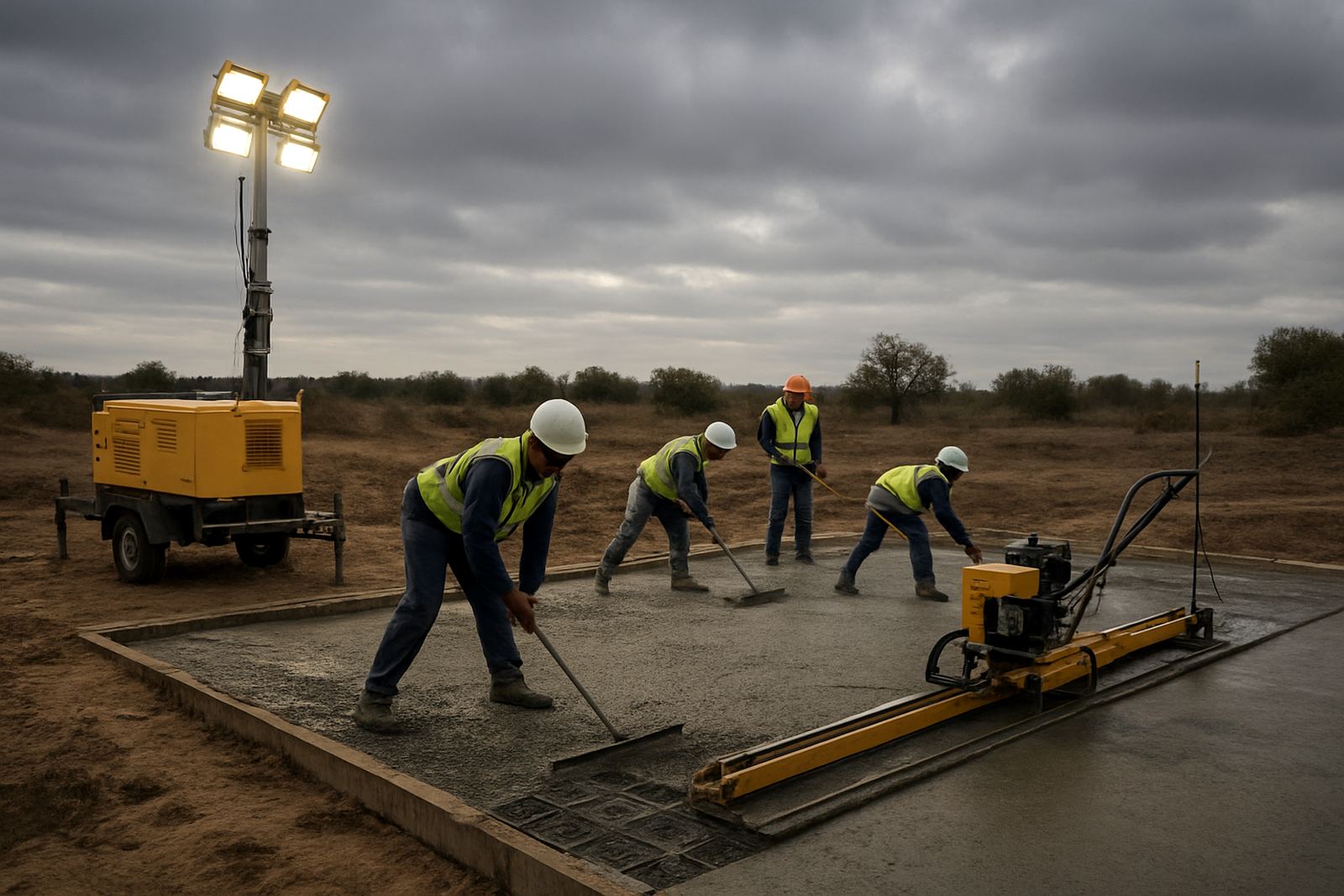
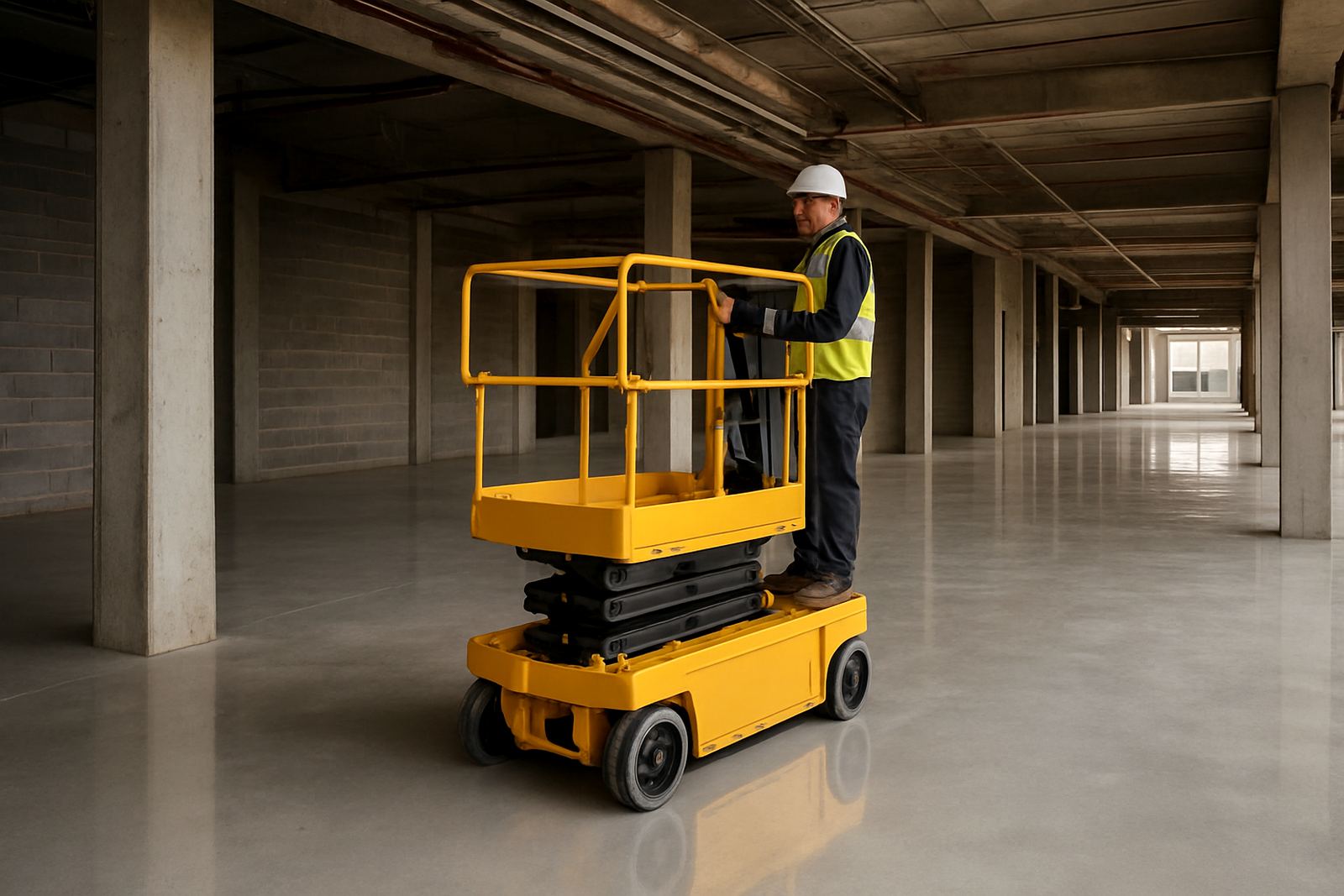
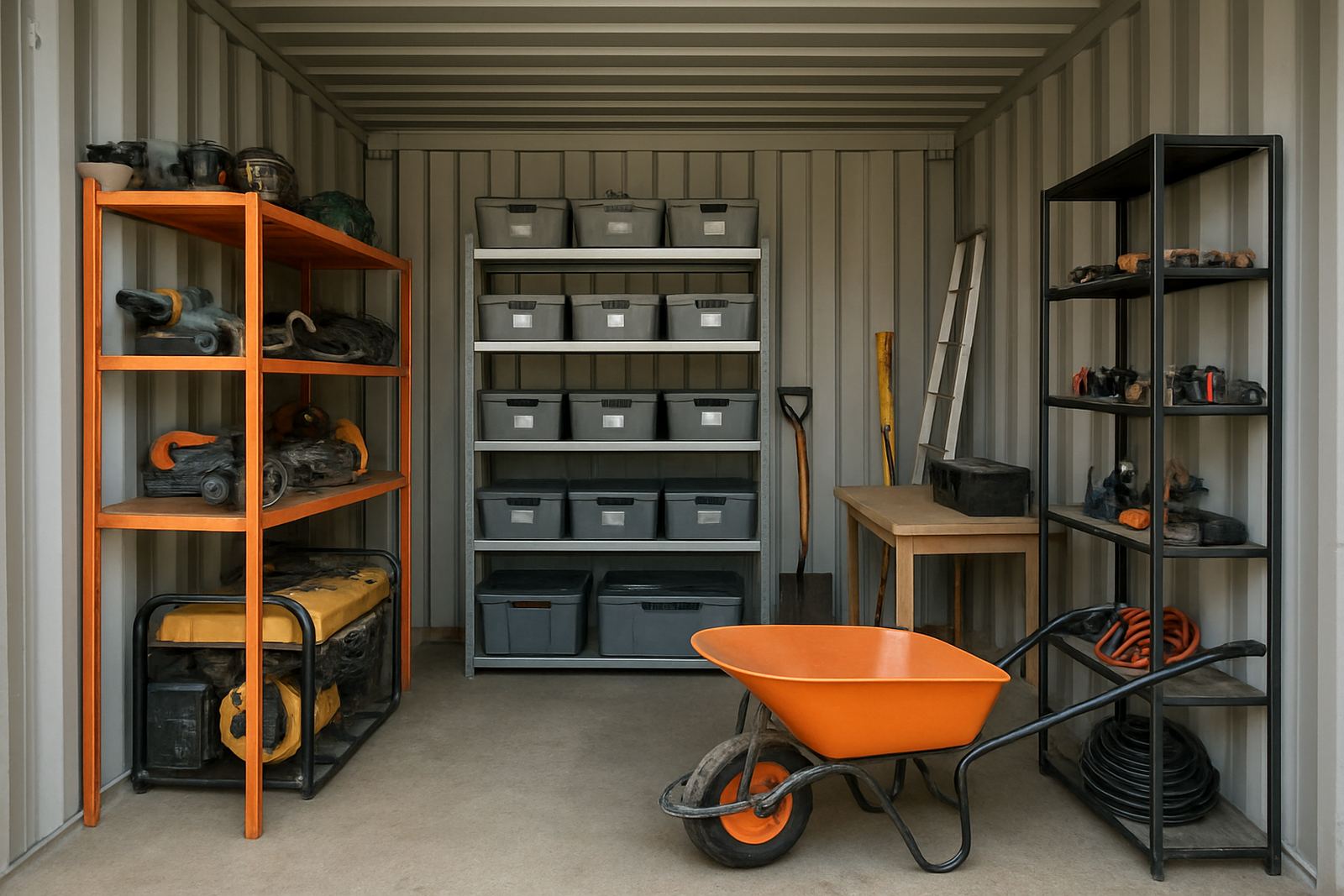
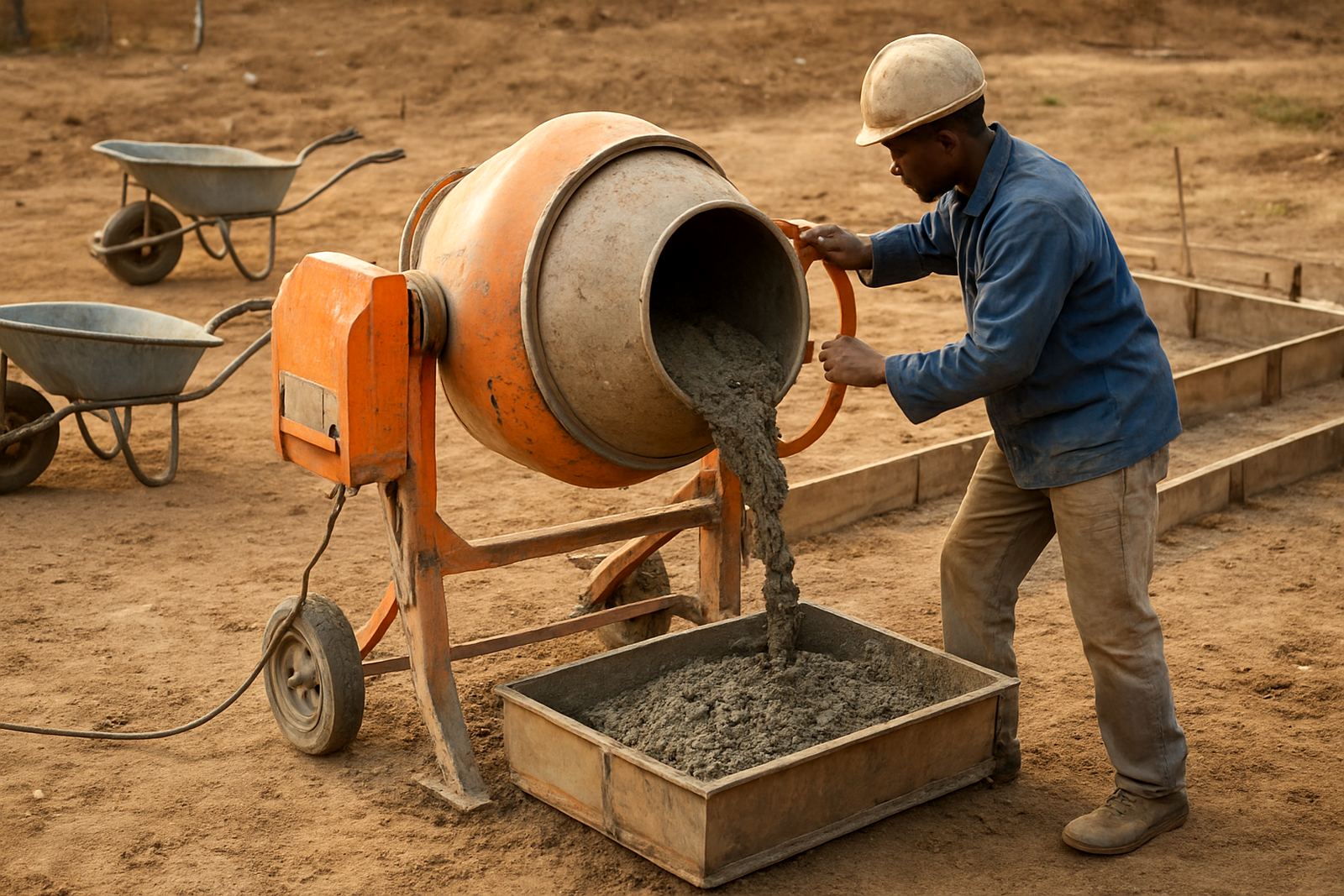
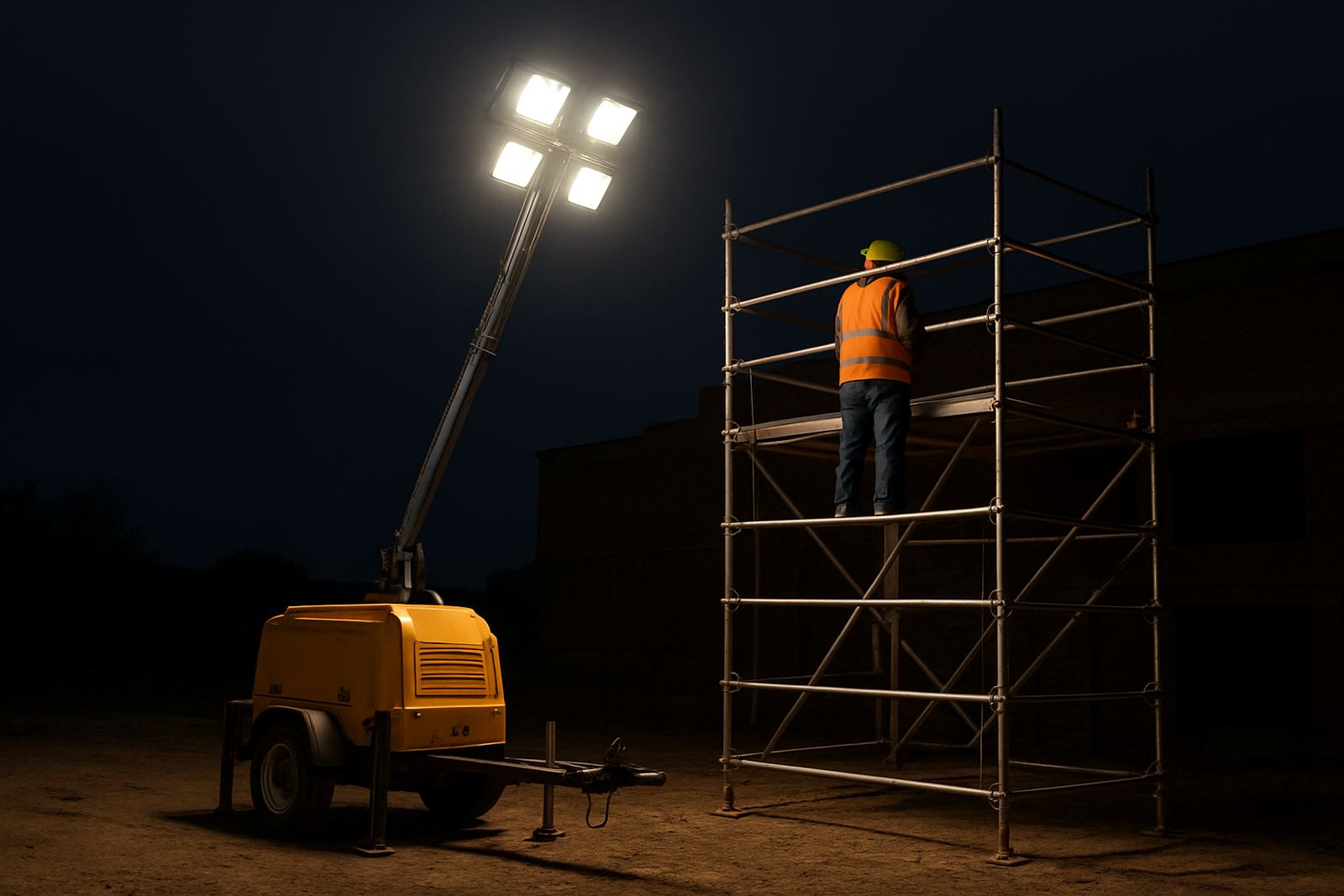
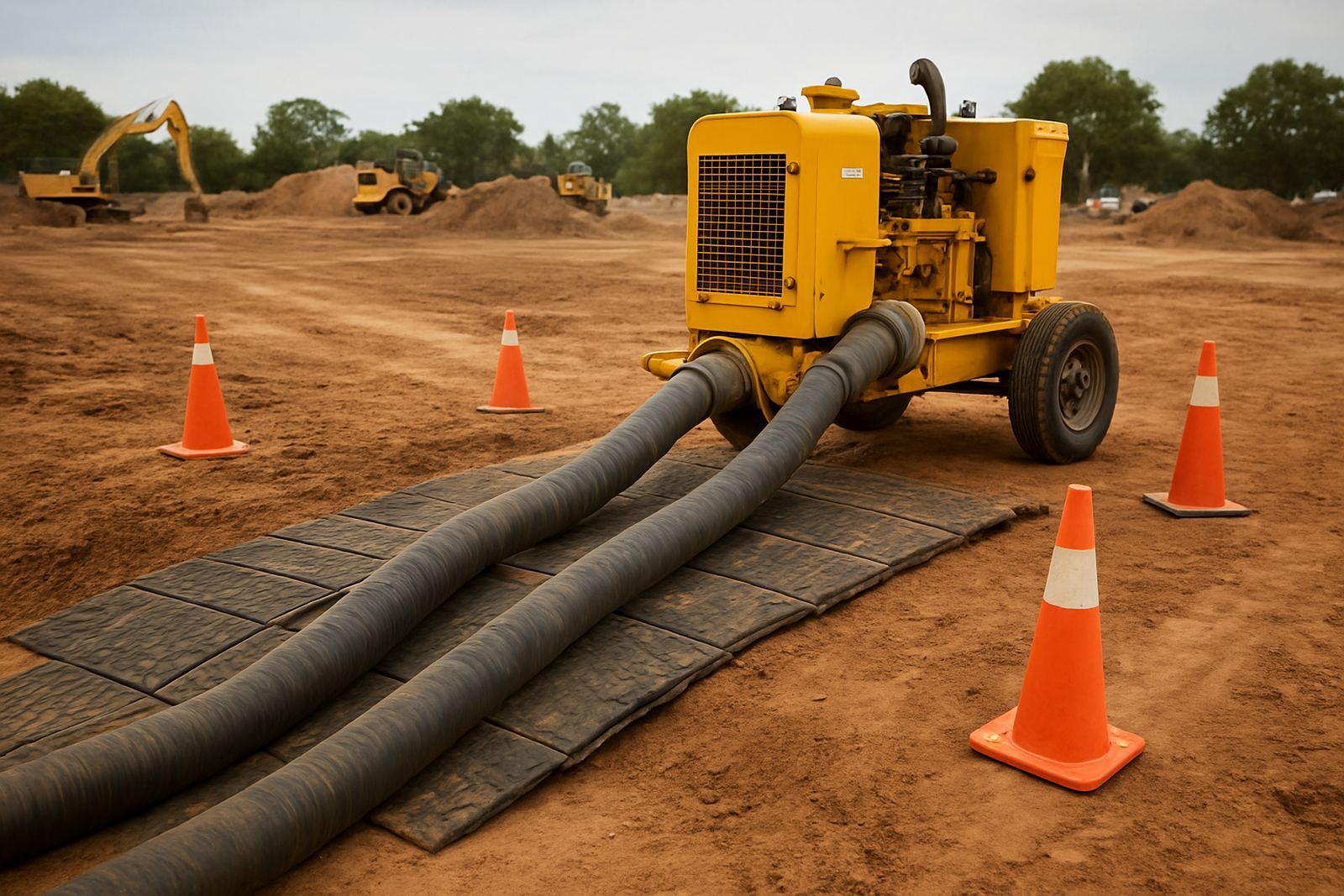
Generators, lighting towers and pumps often become essential support equipment rather than back up items. Load-shedding can stop mixers, tools and temporary offices if the site has not planned ahead, especially on multi-storey work where continuity matters. A diesel generator sized too small will struggle under start-up loads, while one that is oversized burns more fuel than needed.
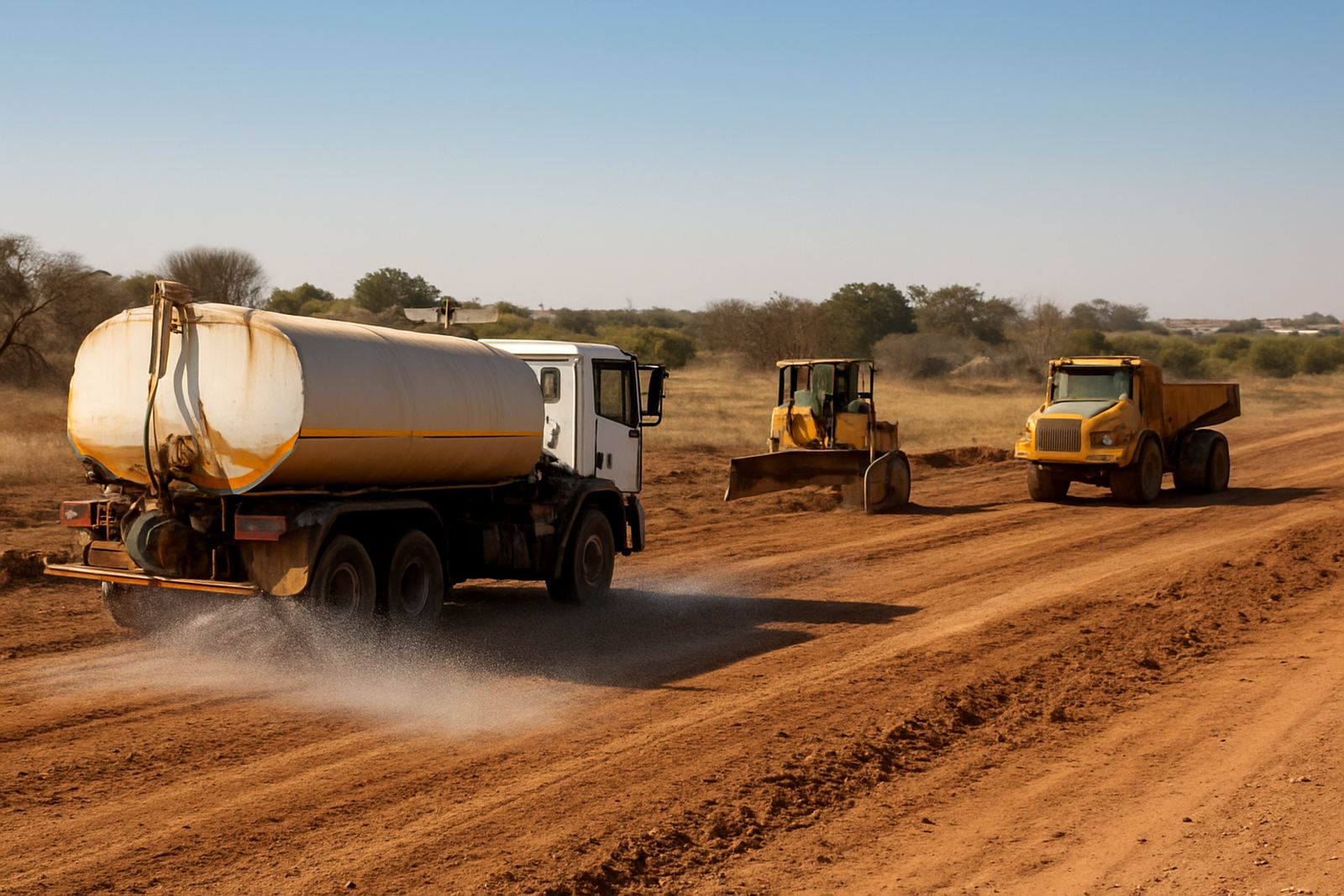
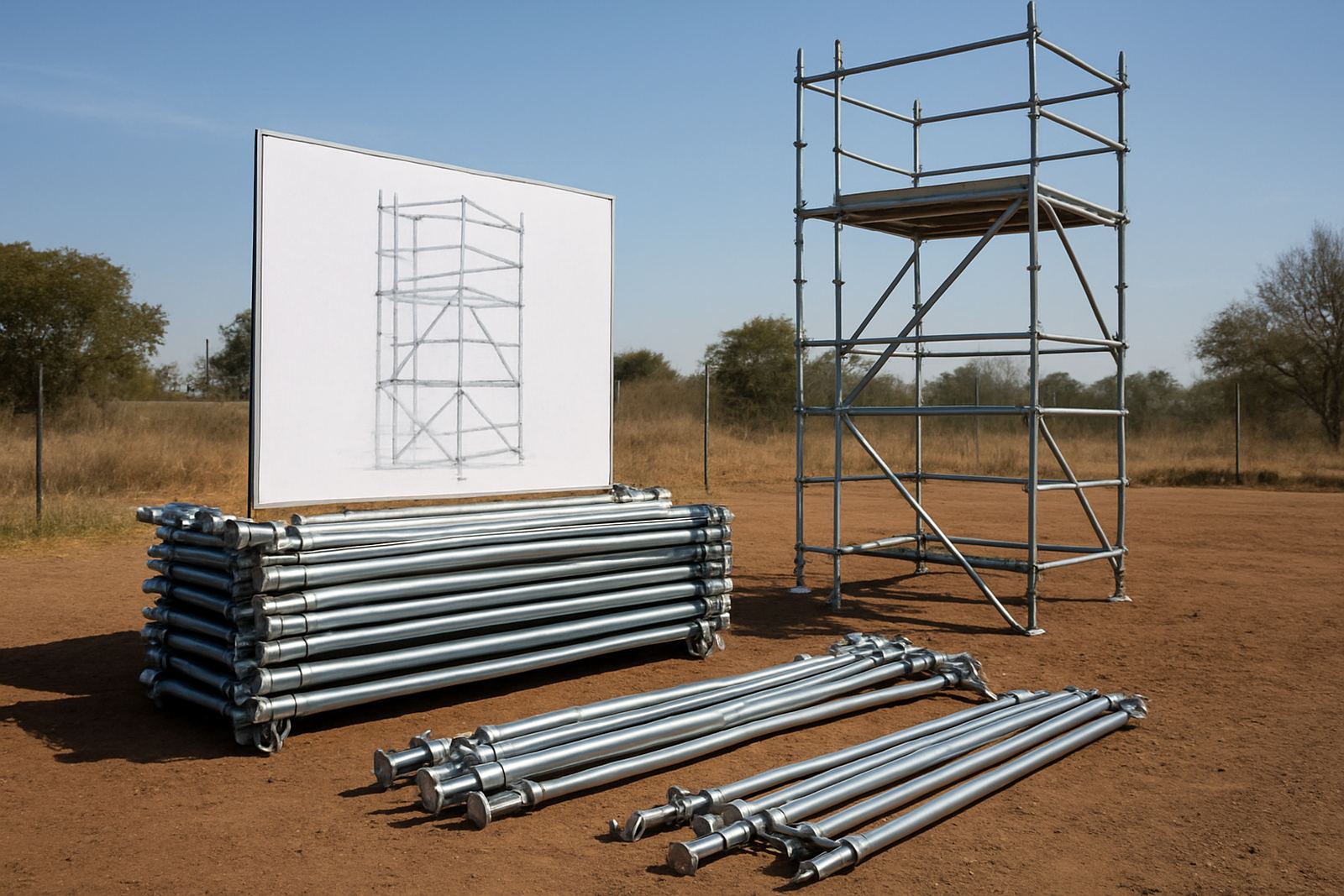
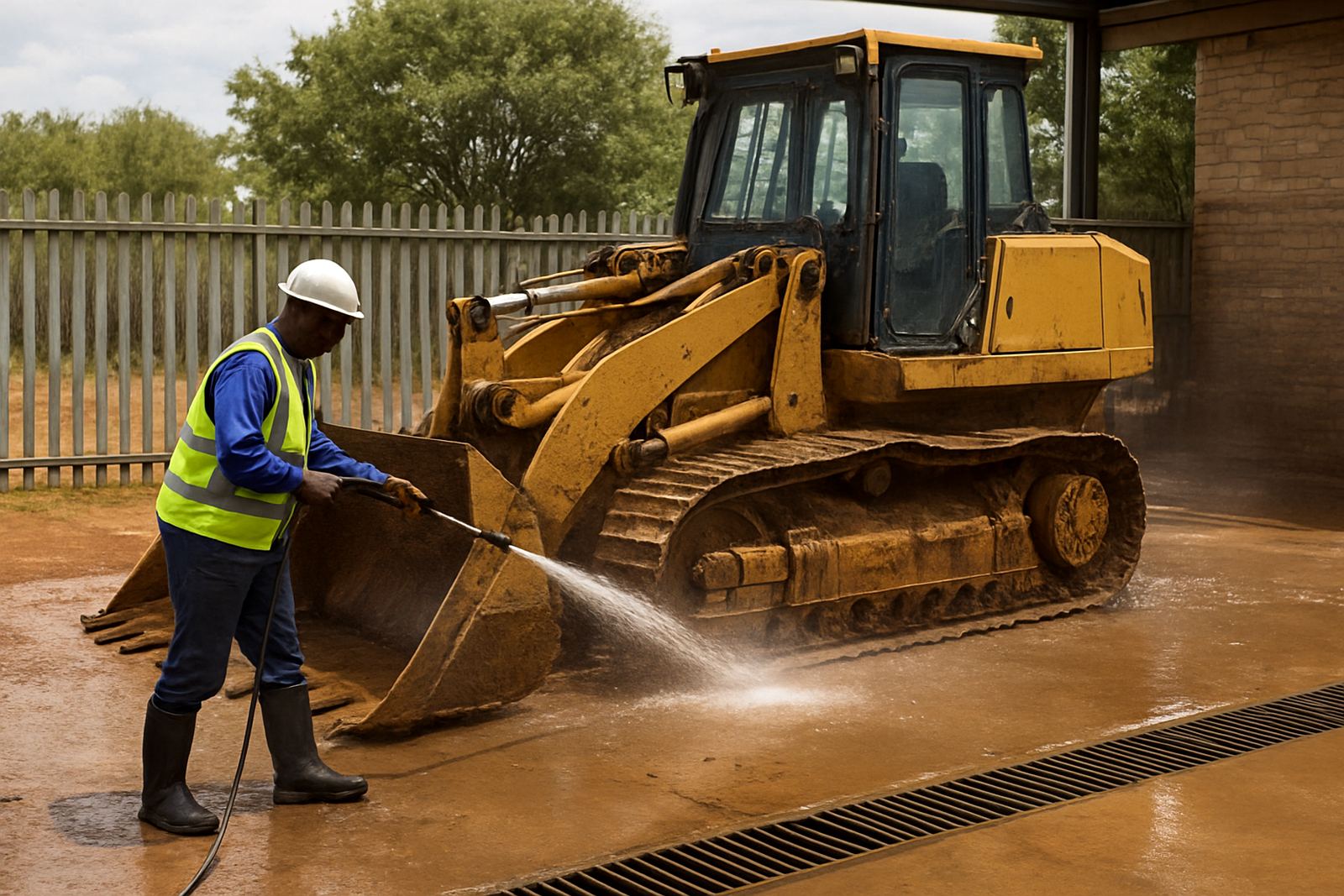
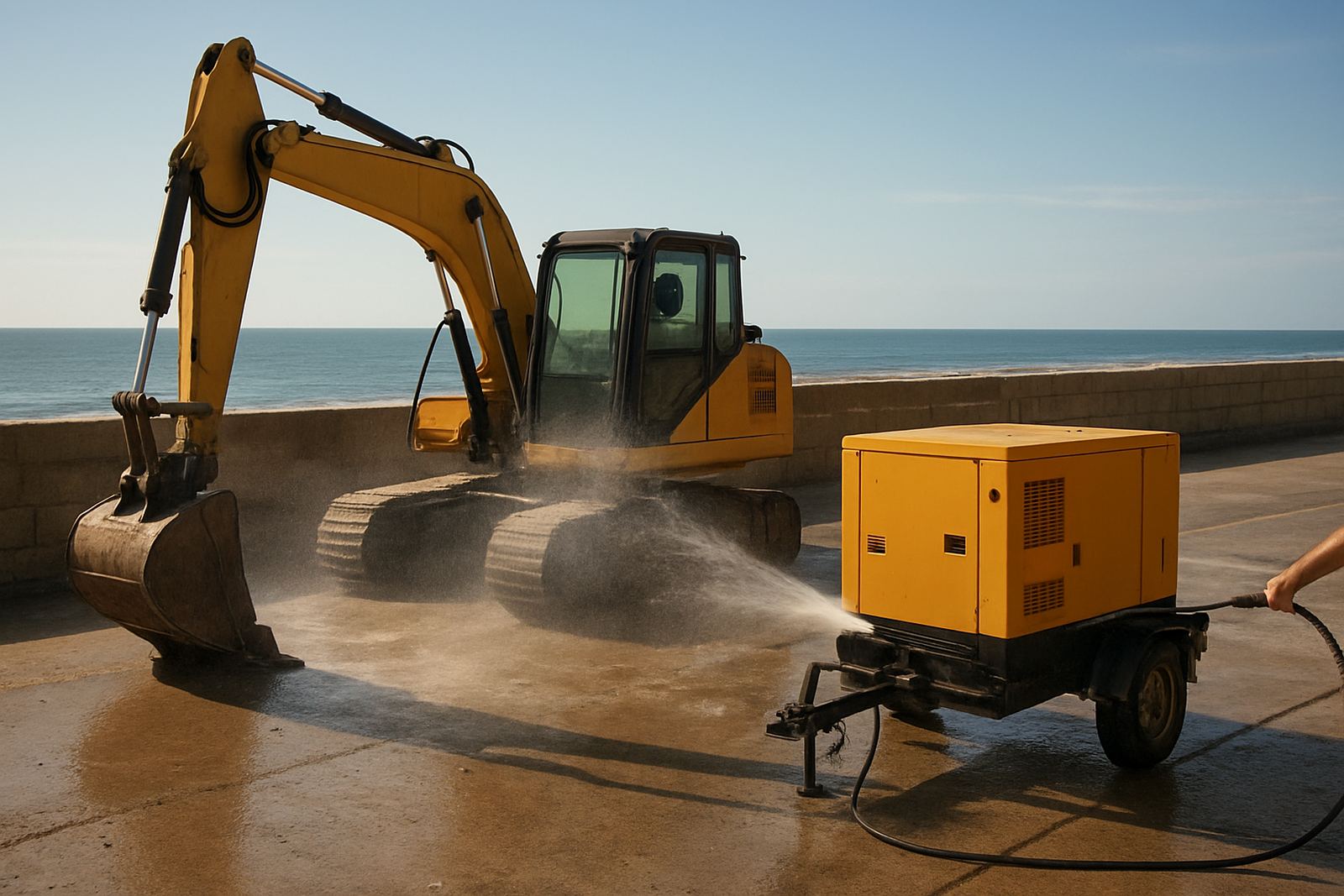
Water supply is another practical issue. Dust suppression, concrete curing and cutting work all need a reliable supply, and some municipal sites have tighter rules on runoff and waste. On coastal projects in KwaZulu-Natal and the Western Cape, humidity and salt air also mean electrical gear and scaffolding fittings need regular checks for corrosion.
Safety paperwork and on-site control
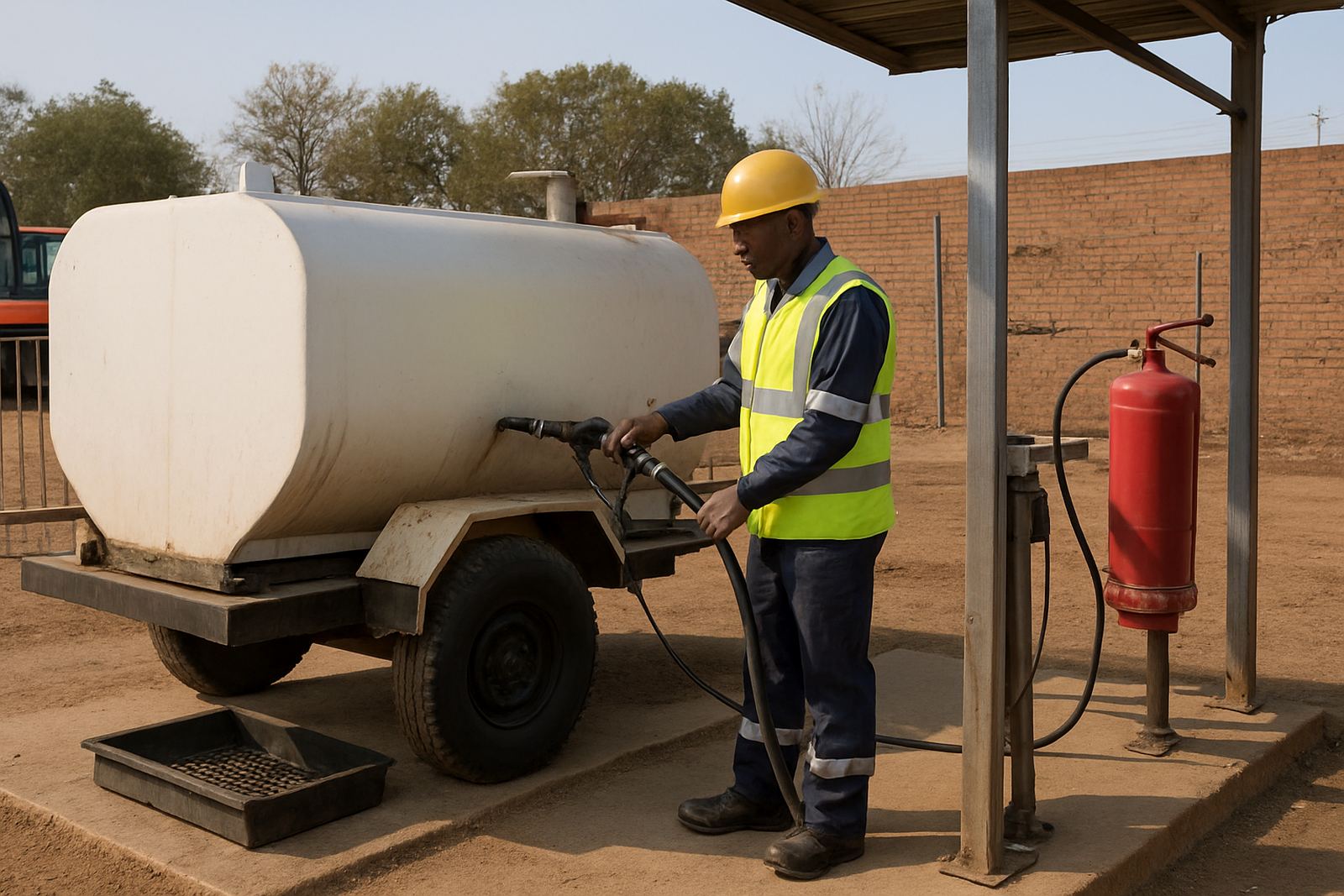
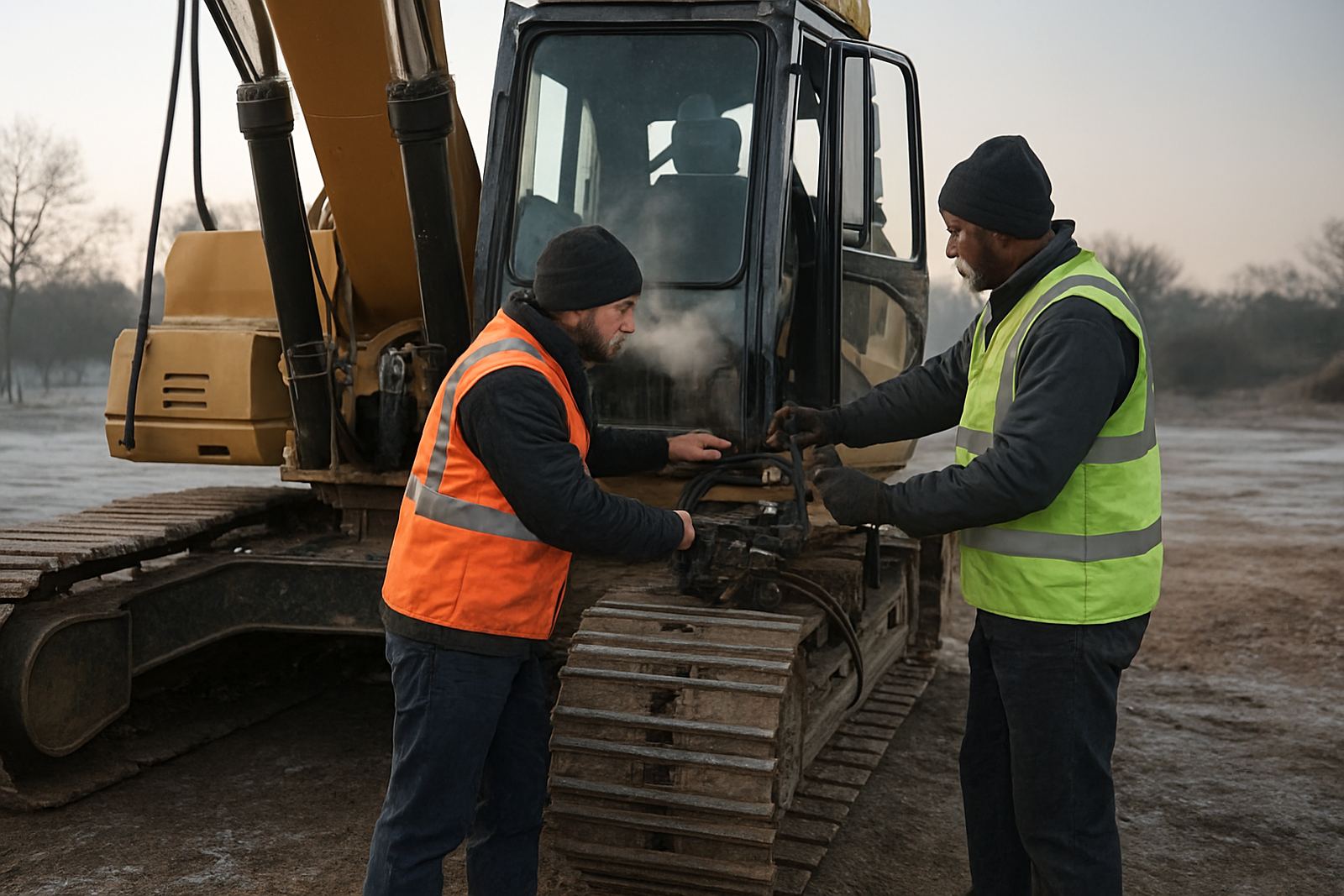
Good hire practice is not only about machine condition, it also depends on the paperwork that keeps a site legal and controlled. Safety files, operator records, toolbox talks and inspection logs should be in place before work starts. A clean handover is quicker when the contractor knows who is responsible for fuel, daily checks and lockout procedures.
- Use a pre-start inspection every shift, even on short-term hire.
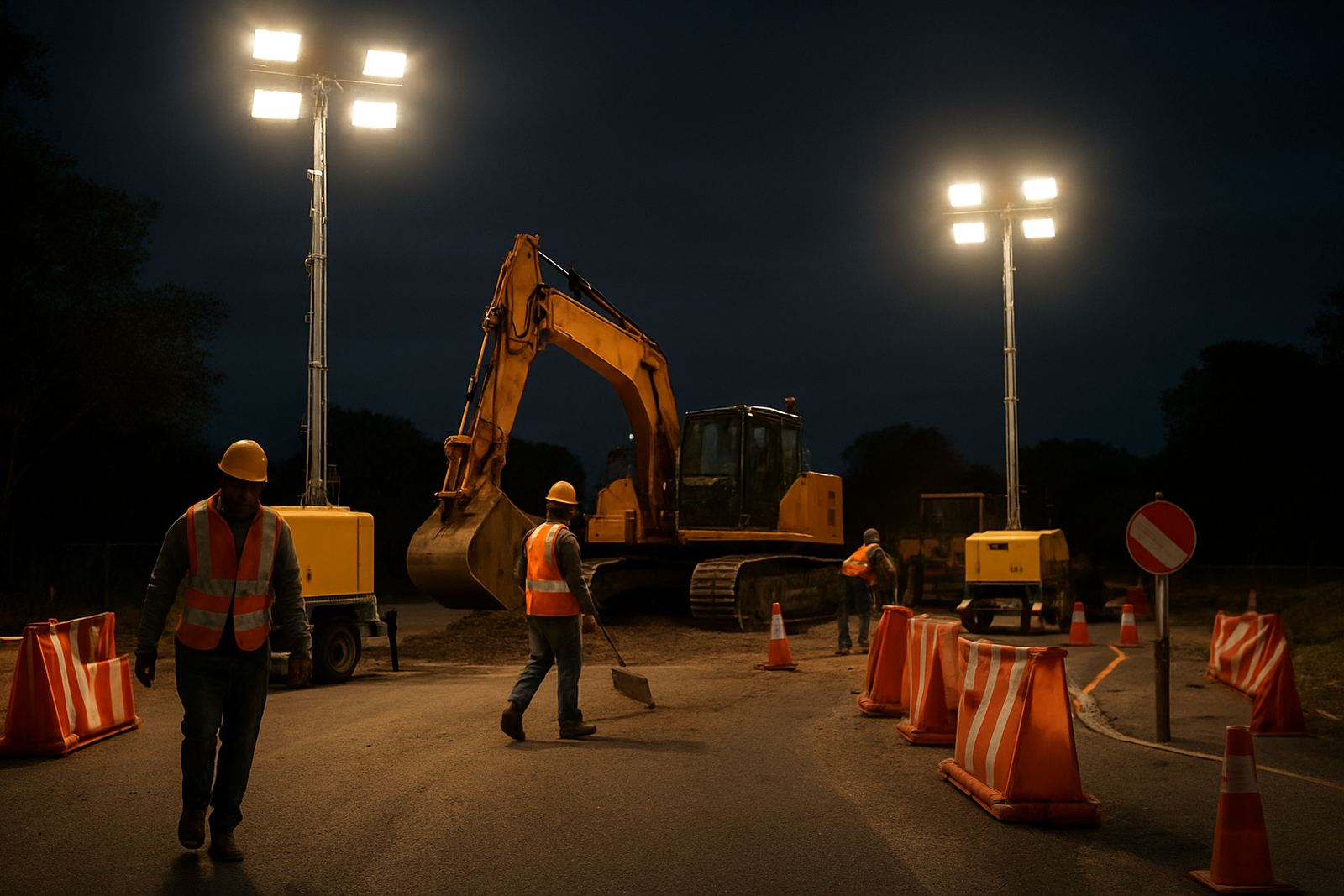
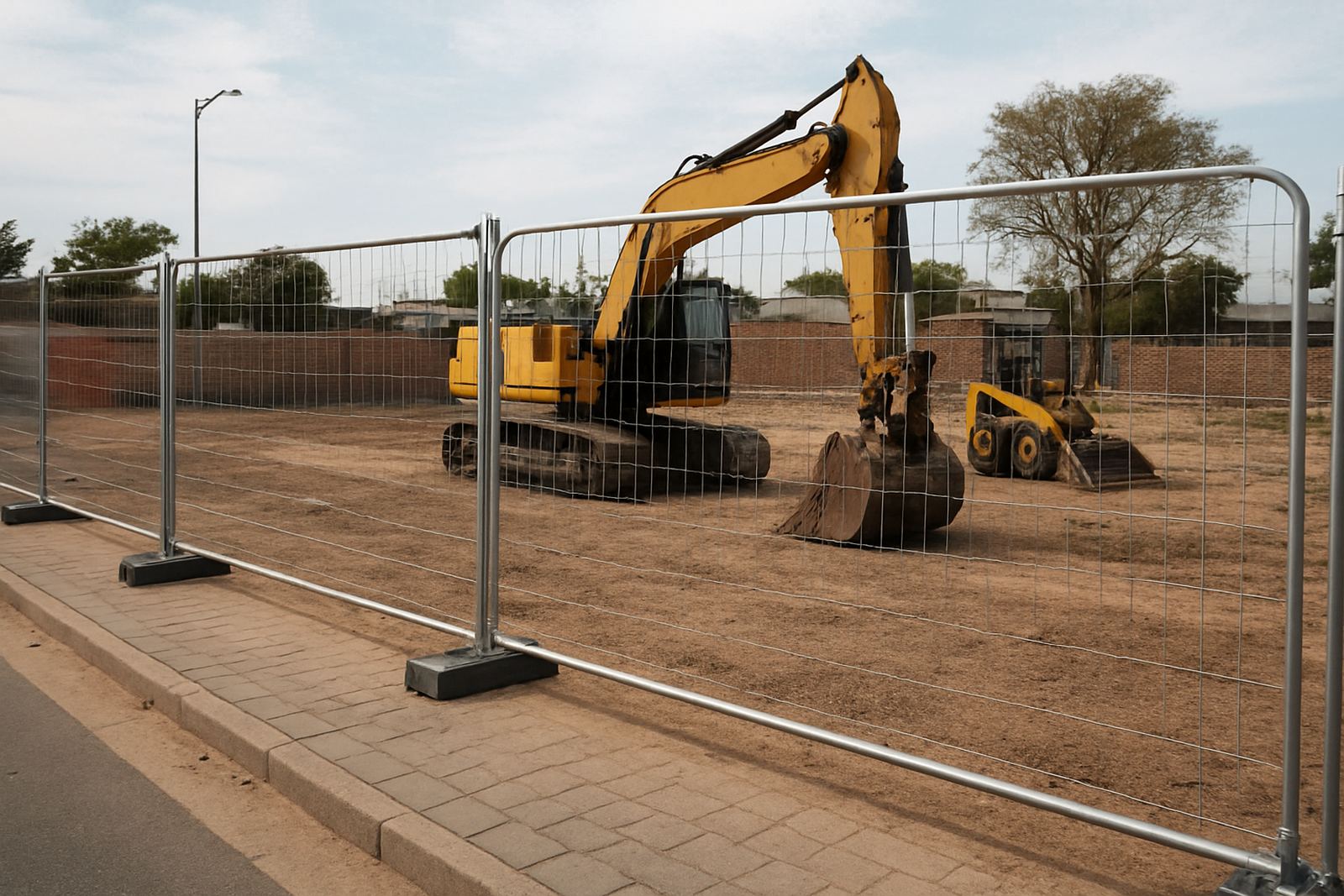
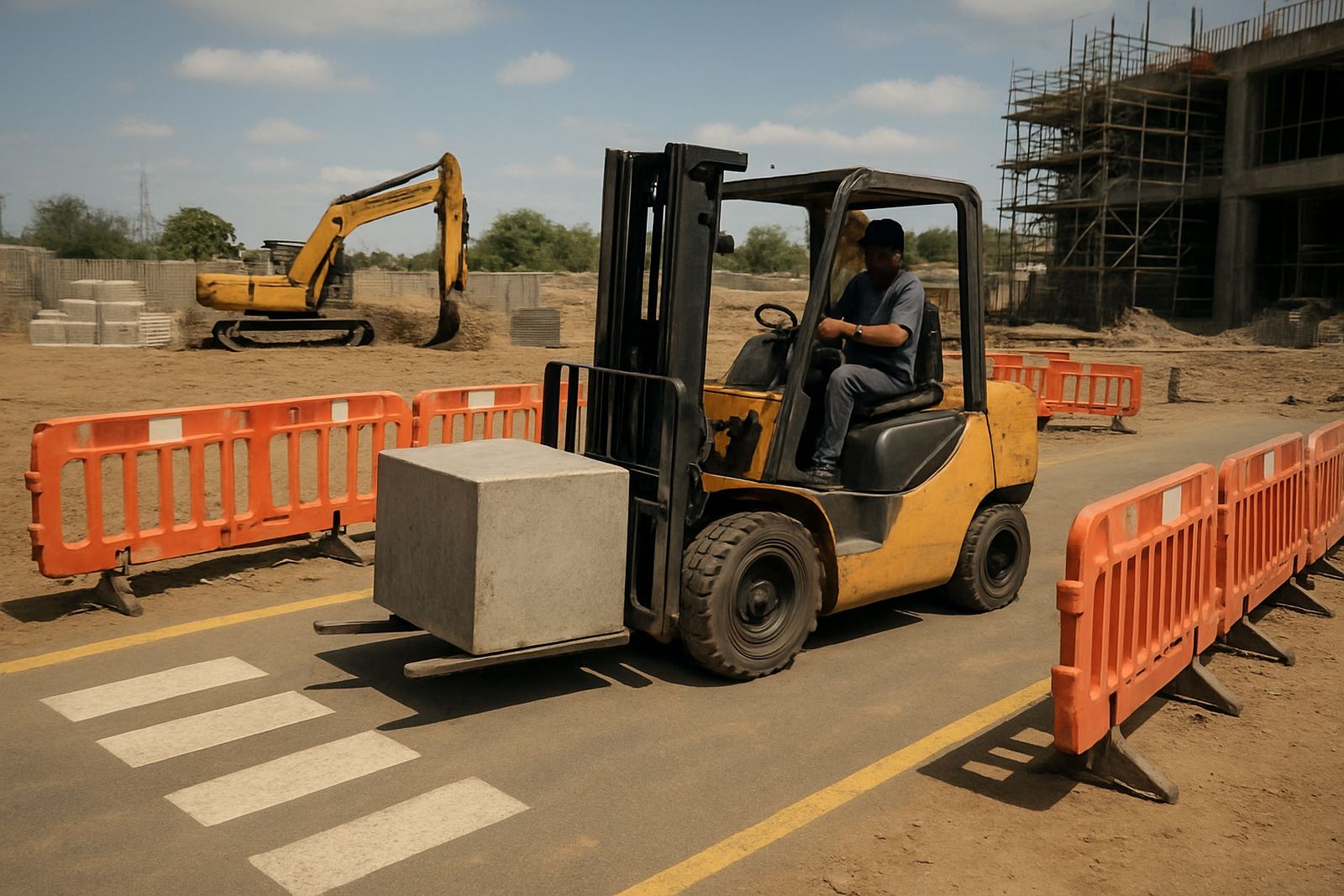
- Keep warning signs, cones and barriers in the right places.
- Make sure operators understand exclusion zones and blind spots.
- Record faults straight away so plant swop-outs can be arranged without delay.
That level of control reduces small incidents that can turn into costly stoppages, especially on busy civil and commercial sites.
What long-term hire should cover
Long-term hire is often the best fit when a project stretches over many weeks and the schedule may shift. Contractors should look beyond the daily rate and ask what is included in servicing, response times, fuel support and replacement cover if a machine goes down. A clear plan is especially useful when several machines are moving between phases on the same project.
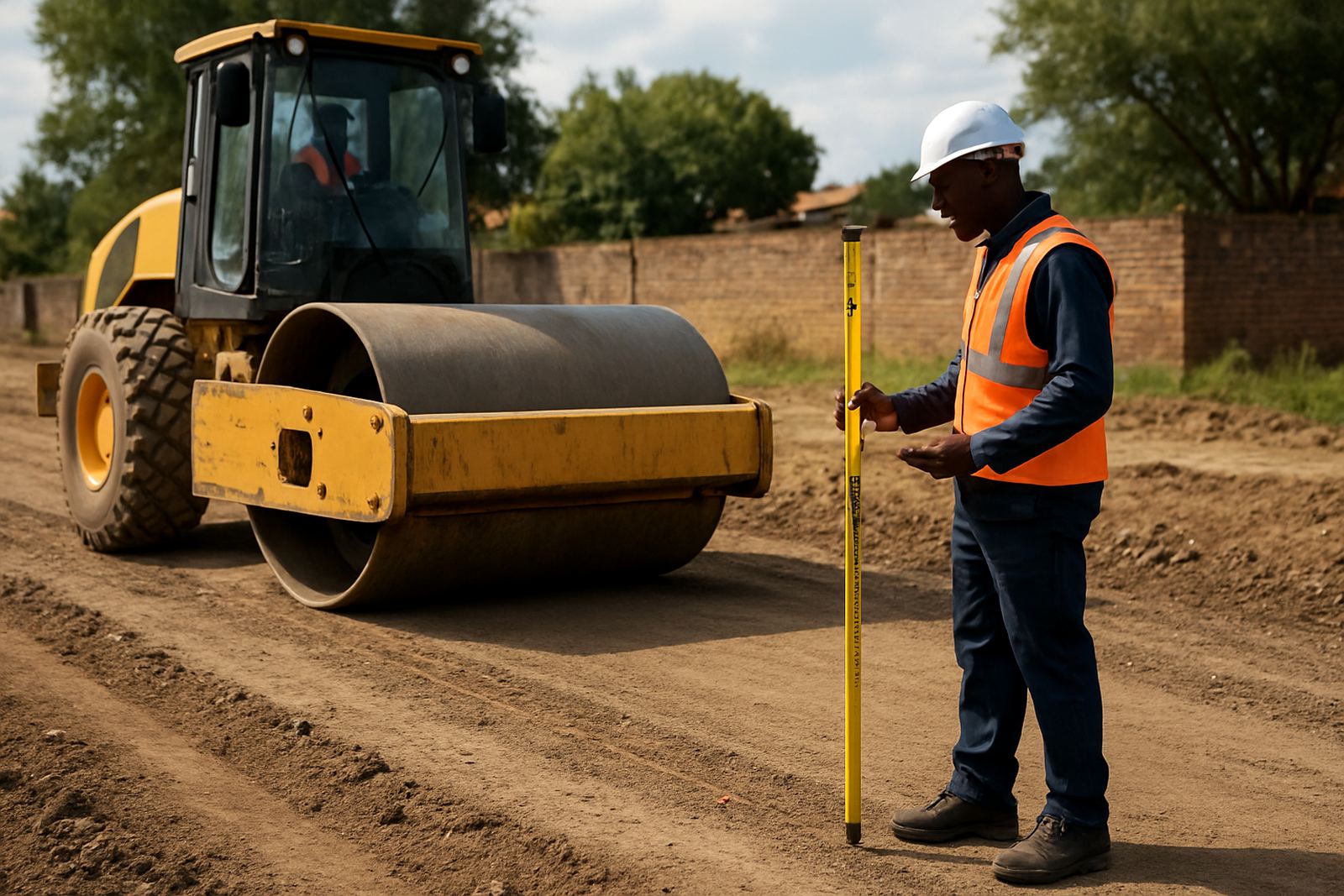
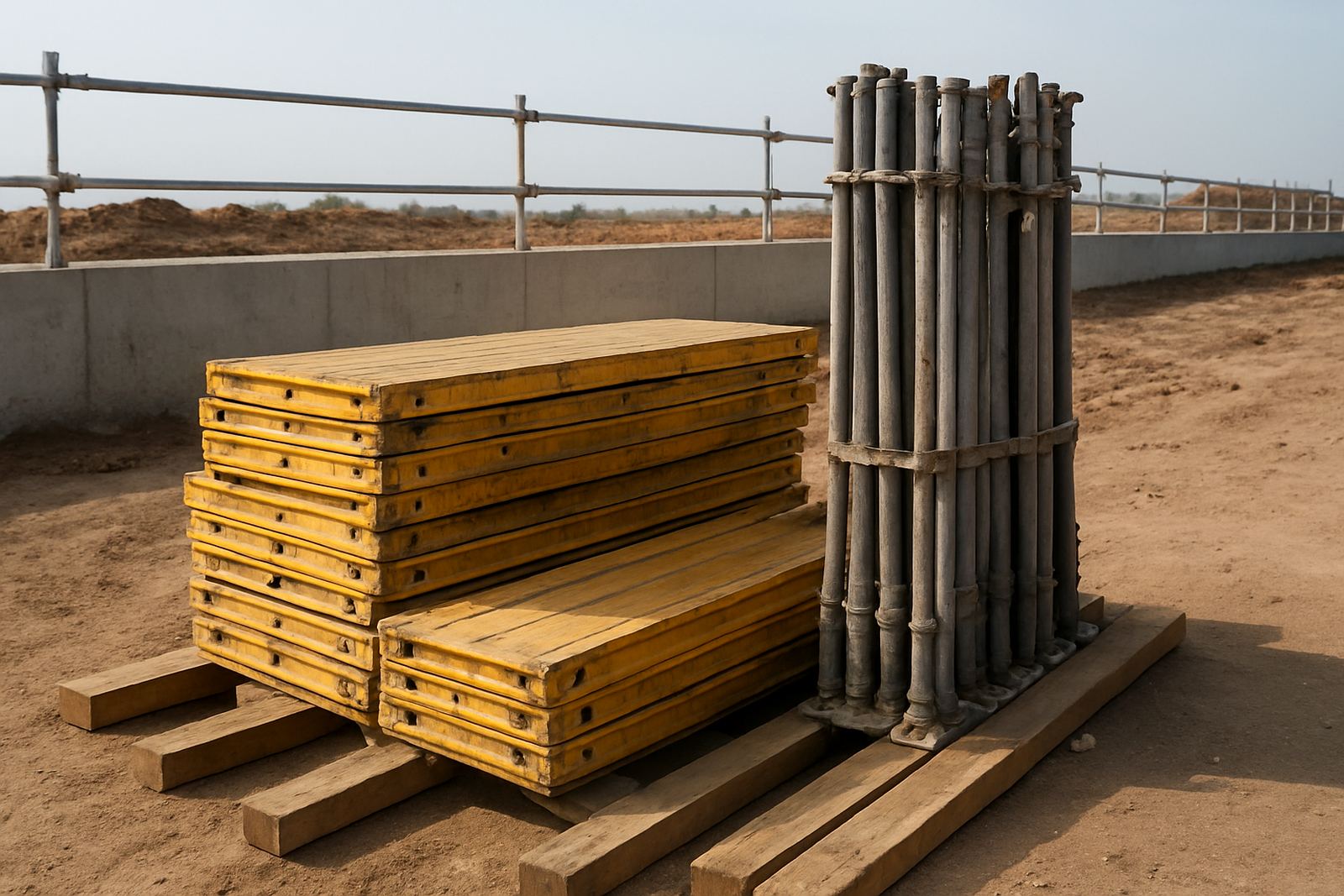
For bigger contracts, fleet planning can help balance excavators, bulldozers, rollers, scaffolding and support plant so that nothing arrives too early or too late. That keeps labour productive and prevents hired equipment sitting idle on site.
How depot support helps across the provinces
With depots in Germiston, Midrand, Pretoria East, Boksburg, Durban, Pinetown, Cape Town and Bellville, site support can be arranged close to the work. That makes it easier to handle servicing, breakdown response and off-hire collections without long delays. It also helps when a project needs a quick change in machine type part way through the job.
For contractors working across Gauteng, KwaZulu-Natal and the Western Cape, nearby support reduces transport costs and keeps site teams focused on output rather than waiting around for equipment. Small delay this side of the job often becomes a bigger one later, so quick action matters.
How to use these notes when comparing hire options
These editorial notes are there to help you think through the practical side of plant hire before you commit. When comparing options, look at site conditions, transport, operator needs, servicing support and how quickly a supplier can respond if the programme changes. The cheapest option is not always the one that keeps the job moving.
The listing cards on this hub cover the individual hire options separately, so use these notes to narrow your requirements first. Once you know the access, duty cycle and support you need, it becomes easier to choose the right machine and keep the project on track.