Start With One Job Card Per Work Front
On a busy site in Germiston or Midrand, the fastest way for hire costs to slip is to treat the whole project as one bucket. A better method is to open a separate job card for each work front, even if the same machine moves between areas during the week. That gives you a cleaner picture of what was used for bulk earthworks, trenching, demolition support, or material movement.
Each card should capture the basics before the machine arrives, then be updated daily. Keep the notes simple and consistent so the site team can do it under pressure without missing details.
- Project name and site address
- Work front or zone number
- Machine type, size and fleet number
- Delivery and off-hire date
- Operator name, if supplied
- Shift hours and idle time
That level of detail helps if a client queries the bill later. It also makes it easier to compare the actual plant use against the programme and see where time was lost due to waiting on access, drawings or inspections.
Match Plant to the Task, Not Just the Budget
A machine that is too large for the job can burn money fast. A smaller unit that is constantly pushed beyond its capacity does the same thing in a different way. Contractors often save more by choosing the right machine for the ground conditions, lift heights and cycle time than by chasing the lowest daily rate.
In Johannesburg, a civil contractor may need a compact excavator for service trenches in one section, then a larger unit for bulk excavation near the boundary. If both are recorded against the same cost code, the actual spend gets blurred. Separate tracking makes it clear what each task cost and whether the plant choice was suitable.
- Use one code for each phase of the job
- Record standby caused by waiting on access, water or approvals
- Note if a machine was swapped because the ground changed
- Track extras like fuel, delivery, and operator supply separately
Good plant planning is not only about rates, it is about reducing the number of hours a machine sits on site doing nothing. Even half a day of idle time each week can add up over a long contract.
Keep Daily Records Tight and Boring
The best cost records are plain, repetitive and accurate. They should not rely on memory at the end of the month when everyone is rushing to close out paperwork. A foreman or site agent should complete the log at the end of each shift, before the detail gets fuzzy.
Daily notes do not need a long story. They need facts that show how the hire was used and whether the site got full value from the machine. When there is load-shedding, weather delays or a late delivery, write it down on the same day.
- Start and finish times
- Hours worked versus hours on standby
- Fuel issued on site, if managed separately
- Any breakdowns, repair calls or swop-outs
- Work completed in that shift
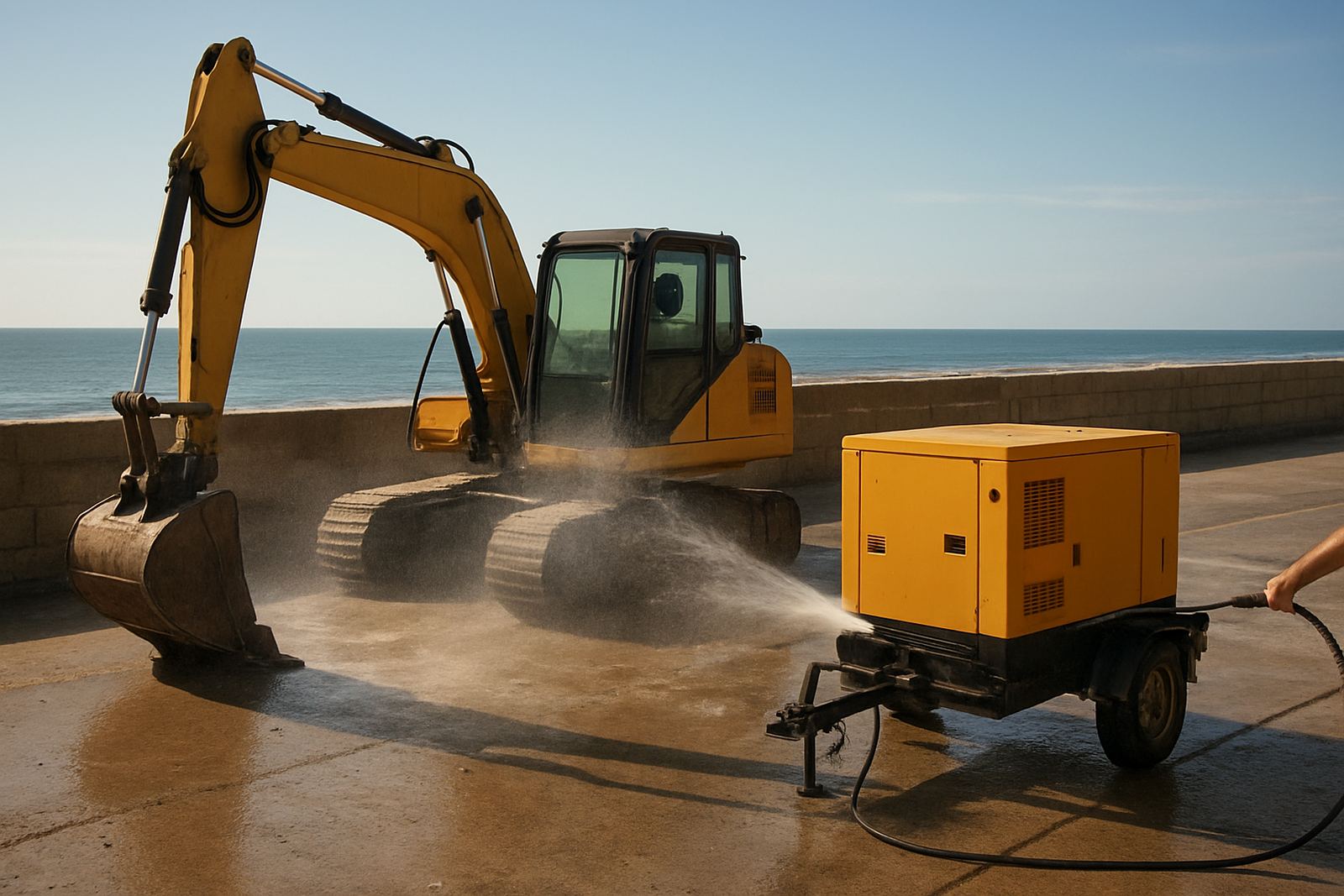
In coastal areas like Durban and parts of the Western Cape, humidity and salt can affect equipment if it stands too long without use. That makes servicing, cleaning and daily checks part of cost control too. A machine that fails because it was not monitored properly can hold up several trades, and that cost is often larger than the hire charge itself.
Use One Cost Code for the Machine and Another for the Delay
It is common for a plant item to sit on site longer than planned, but not every extra day should land in the same place on the budget. If the machine is waiting for steel, concrete, or a municipal inspection, separate the productive time from the delay time. This gives management a clearer view of whether the problem was with the hire, the programme, or the site team.
When the records are clean, it becomes easier to argue a valid extension of hire, or to recover delay costs where the contract allows it. It also shows whether off-hire collections were requested soon enough, because a late call can turn a finished task into an unnecessary extra charge.
- Productive hire time
- Delay or standby time
- Operator hours
- Fuel and maintenance allowances
- Transport in and out of site
This approach works well on larger developments around Pretoria East and Boksburg where different teams often share one programme. It keeps the accounting aligned with what happened on the ground rather than what was hoped for on paper.
Link Safety Paperwork to the Hire Record
Plant cost control and safety control should sit together. If the safety file is out of date, the machine may not be allowed to work, which creates both risk and cost. A clean hire file should therefore include the safety documents that prove the equipment was fit for site use and the operator was competent where required.
For principal contractors and larger builders, this matters when audits are done or when the client asks why a machine was booked but did not produce output. A missing permit or a late induction can explain the delay and protect the site team from unfair blame.
- Site induction sign-off
- Operator competency records
- Inspection sheets and daily checks
- Risk assessments for the task
- Any special municipal or access requirements
When these records are kept together, the hire cost file becomes more useful to both the commercial team and the site supervision team. It is a practical system, not admin for its own sake.
Use a Local Example to Spot Waste Early
Take a roadworks subcontract in Germiston as an example. A contractor may have one excavator on trenching, a generator for lights and tools, and scaffolding for a small structural tie-in. If the excavator is charged to the whole job instead of the trenching crew only, the cost of that work front will look too low and another area will look too expensive.
Now add a week of cable delays, a generator moved to another section, and a weekend callout to recover lost time. Without a clear record, the numbers become hard to read. With proper tracking, the contractor can see whether the extra spend was caused by the plant, the sequence of work, or a delay outside their control.
That is where discipline pays off. The foreman knows what was used, the commercial team knows what to bill, and the client gets a cleaner account of progress. It also helps with long-term hire where plant may stay on site for months and small leaks in the record can become large ones.