
Why coastal sites need a stricter maintenance rhythm
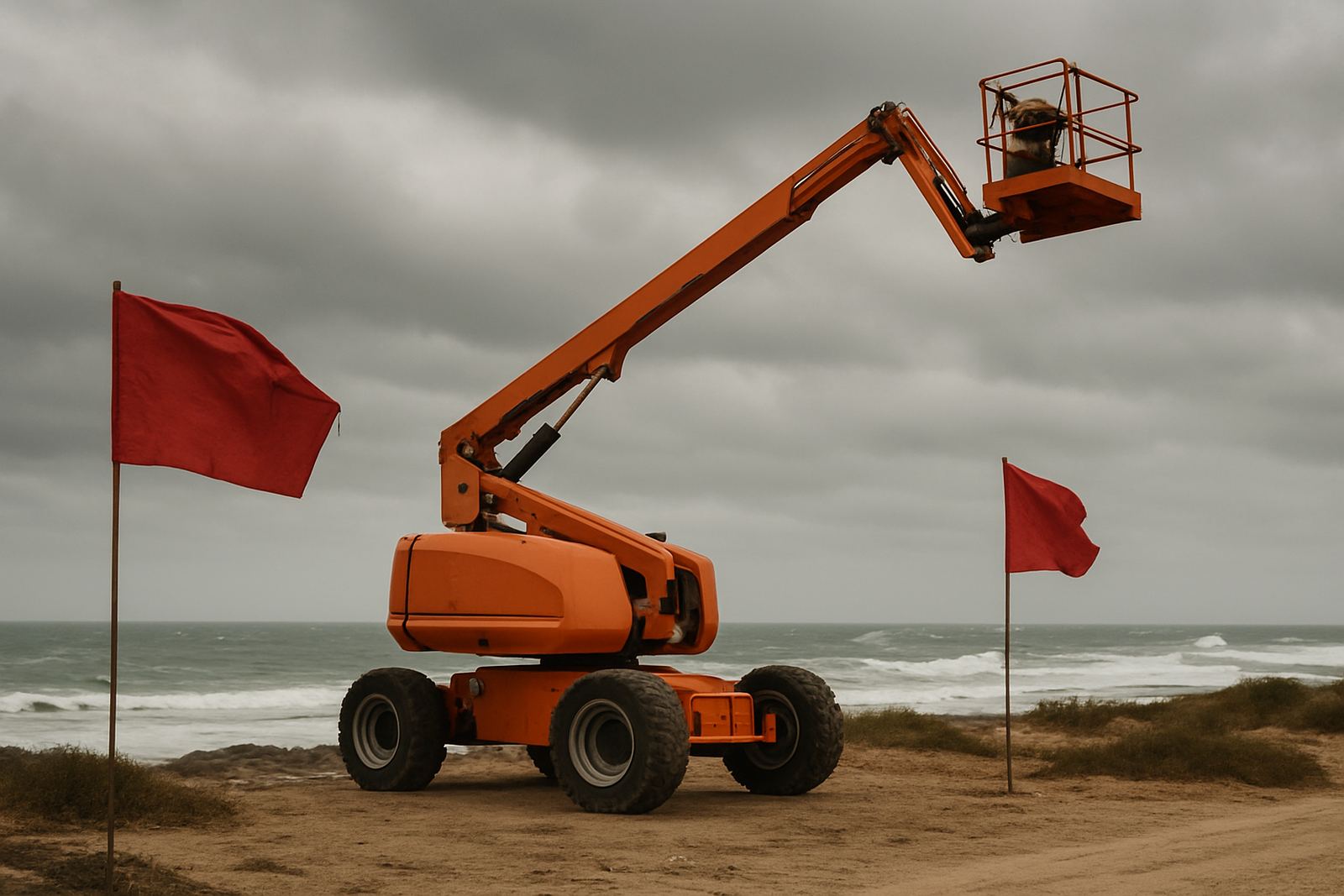
Work near the sea is different from inland jobs. The air carries salt, moisture and fine grit that settle on plant, tools and temporary power equipment, then creep into pins, connectors, bearings and control panels. On a busy site in Durban or Cape Town, that build-up can start affecting machines in a matter of days if nobody is watching it closely.
The first warning signs are often small. Paint starts to dull, fasteners show early rust, electrical contacts become unreliable and moving parts feel rough when they should run clean. If the team keeps pushing through, the problem grows into failures that stop production and push up the hire bill. It is cheaper to clean and inspect often than to wait for a breakdown and lose half a shift.
Coastal care is really about routine. A machine that works well in Germiston may need a different cleaning schedule at the coast because salt sticks to surfaces and moisture lingers overnight. That is why supervisors should build quick checks into the start and end of every day, especially on open sites near the harbour, the beachfront or low lying industrial areas.
The daily washdown that saves parts and labour
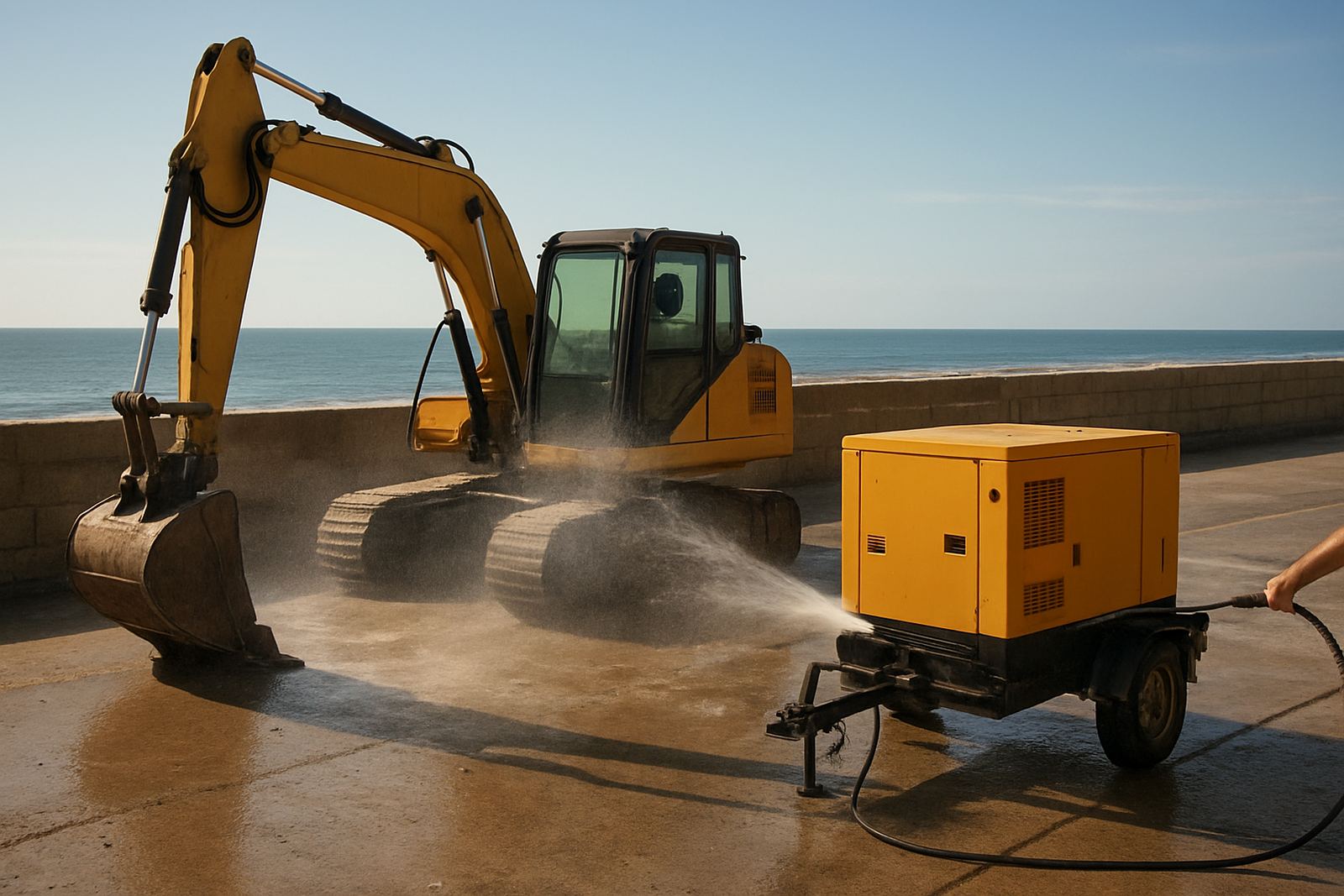
Do not leave salt on the machine until the weekend. A quick washdown, done properly, removes the film before it dries into corners and seams. Use clean water first, then mild detergent where needed, and avoid spraying forcefully into bearings, electrics or sealed housings. The aim is to lift grime, not drive water deeper.
- Rinse exposed metal, tracks, steps and handrails at the end of the shift.
- Wipe down controls, plugs and terminals with a dry cloth after cleaning.
- Check under guards and around hinges for trapped mud or salt crust.
- Dry the machine before parking it for the night where possible.
- Grease the points that need it, then inspect for fresh leaks.
On scaffolding and access gear, the same rule applies. Salt on couplers, braces and clamps can cause stubborn fittings and early corrosion. If the site uses temporary power, keep generators and extension sets off bare ground and out of spray from wash water. A little care here avoids nuisance trips and electrical faults later on.
What to inspect on engines, hydraulics and electrics
Coastal conditions hit some systems harder than others. Engines need clean air, clean fuel and sound cooling, while hydraulic systems depend on tight seals and uncontaminated oil. Moisture and salt can work their way into breathers and connectors, so inspections should focus on the parts most likely to suffer first.
- Look for rust on battery terminals, cable ends and control boxes.
- Check air filters more often, especially on windy days near sand.
- Inspect hydraulic hoses for swelling, cracks or oily residue.
- Test warning lights, switches and emergency stops before work starts.
- Drain water from fuel systems where the machine type allows it.
If a machine starts hard, loses power or trips without reason, do not carry on and hope for the best. Those signs usually mean moisture, contamination or a worn part is already interfering with the system. A quick fault check can prevent a bigger failure and save the operator from working around unsafe conditions.
How to store plant so overnight moisture does not do the damage
Storage matters just as much as running time. Even good equipment can suffer if it is left open to the sea air every evening. Wherever possible, park plant on hard standing, away from standing water and with enough space around it for a proper inspection in the morning.
On sites in Stellenbosch, Durban North or Milnerton, overnight mist and coastal wind can coat surfaces before sunrise. Covering equipment helps, but only if the covers breathe and do not trap wet air underneath. Plastic sheeting that seals in condensation can be worse than leaving a machine open. Ventilation and dry parking conditions are the better choice.
- Park machines with buckets and attachments lowered to reduce strain.
- Keep cabs shut and dry, with windows and seals checked regularly.
- Move fuel cans and spare parts into a dry lockable store.
- Use drip trays where leaks have been identified.
- Rotate parked equipment so one unit is not sitting idle for too long.
For long-term hire, this discipline matters even more. A machine standing for weeks in salty air may need a closer inspection before it goes back into service. That is not overcaution, it is simply good housekeeping.
Planning spares and swop-outs before a small fault turns into downtime
At the coast, downtime often comes from waiting for one small part. A corroded terminal, a split hose or a worn seal can keep a machine off the job while the crew waits around. Good hire planning reduces that risk by keeping a practical spare strategy in place and by arranging swop-outs before the failure becomes critical.
This is where fleet planning helps. If a site is running excavators, generators and access gear in a corrosive environment, it makes sense to schedule checks in advance and keep a spare unit ready where possible. A same-day dispatch service is useful when the weather turns or a machine shows early signs of trouble. It lets the site keep moving without forcing the team to improvise with unsafe kit.
For smaller contractors, the lesson is simple: do not wait for the breakdown response to become the plan. Build in off-hire collections, weekend support and on-site servicing when the programme is tight. That is often the difference between finishing a pour on time and carrying a delay into the next week.
A Durban harbour job where routine checks paid off
On a mixed-use site near Durban harbour, a contractor had generators, compaction plant and access equipment working in shifts close to the water. The first week went well, then the site supervisor noticed light rust on exposed fasteners and a bit of moisture around a control panel after a humid night. Nothing had failed yet, but the signs were there.
The crew tightened their cleaning routine, moved parked units further from spray and asked for an extra inspection before first shift. One generator showed early terminal corrosion and was swapped out before it tripped under load. The job carried on without a shutdown, and the team avoided the usual panic that follows a surprise fault. That kind of outcome is not luck, it comes from watching the small details and acting early.
Coastal work will always ask more of plant than inland work. The answer is not to overcomplicate things, just to be steady about checks, cleaning and storage. When everyone on site understands that salt and moisture are part of the job, equipment lasts longer and the programme holds together better.
What site teams should insist on from the hire partner
A good hire partner should make coastal care easier, not harder. That means supplying equipment that has been checked, serviced and prepared for the environment it will face. It also means giving clear safety documentation, helping with operator supply where needed, and being ready to respond if something changes on site.
- Ask for equipment that has been inspected before dispatch.
- Keep maintenance records and safety documents on file.
- Use operator support when the machine type demands it.
- Plan fuel management and servicing around the site programme.
- Agree in advance how swop-outs and collections will work.
From Germiston through to Durban, Pinetown, Bellville and Cape Town, the right routine keeps coastal hire practical. If the checks are regular and the storage is sound, salt air becomes a nuisance rather than a costly setback. That is the real aim: less stoppage, less rework and safer days on site.