Why soft ground changes the whole hire plan
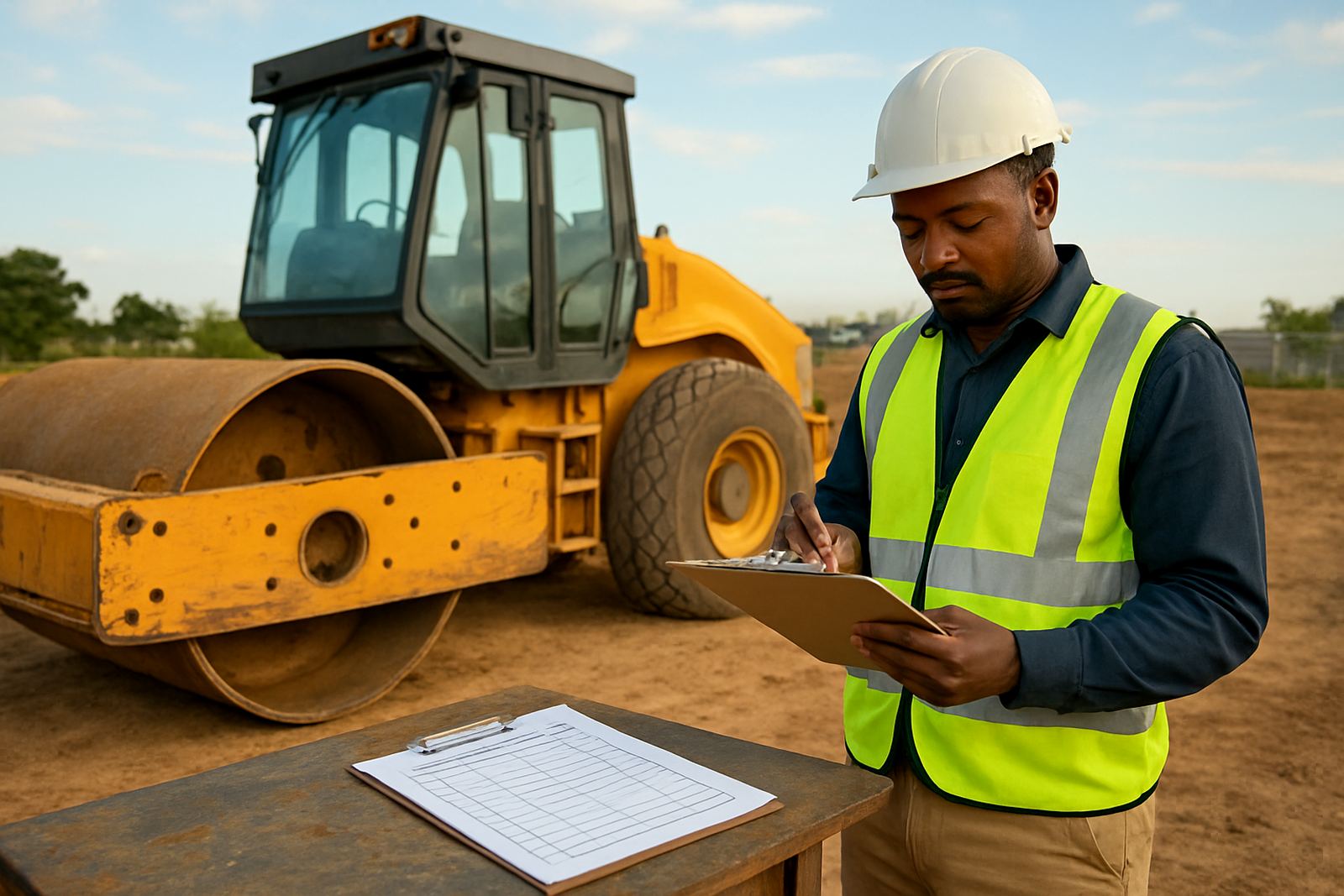
When a site has clay, fill, waterlogged topsoil or freshly compacted ground, the first machine on site can decide how the rest of the job goes. If the access road ruts out, every delivery after that becomes harder and more expensive. On soft ground, the issue is not only sinking. It is also steering, braking, turning space, and how much pressure the machine puts into the surface.
That is why plant selection should start with the ground conditions, not with the biggest unit available. A machine that works well on a firm commercial site in Sandton may struggle on a low-lying plot in Germiston after rain, or on an estate road in Durban where the sub-base is still damp. The goal is simple: keep the site open, protect the surface, and avoid recovery work that eats into the programme.
- Check where the soft spots are before the first delivery.
- Allow for rain, irrigation overspray and drainage runoff.
- Plan a turning area so machines do not churn the same patch of ground.
Choose plant that matches the bearing capacity
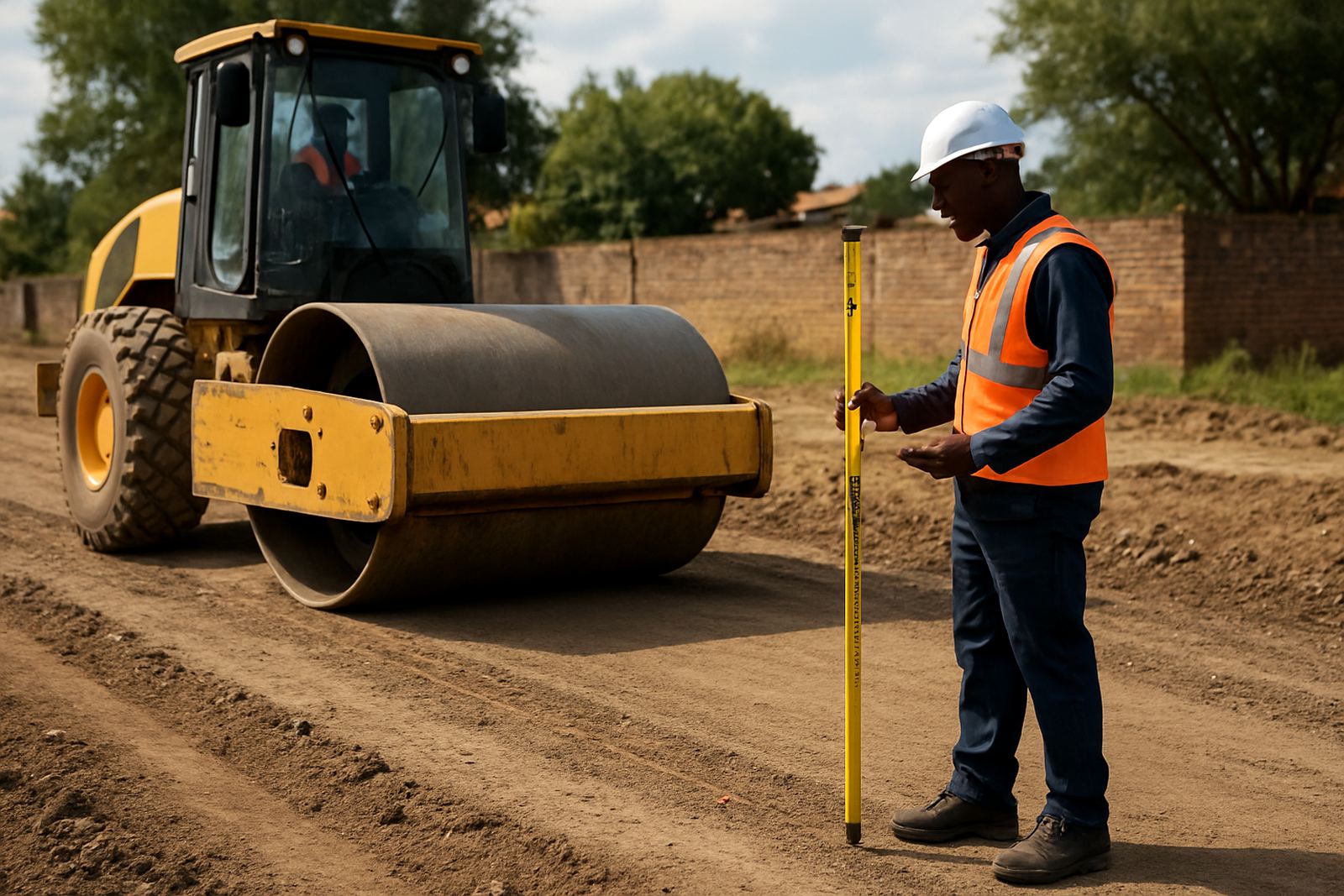
Different machines spread their weight in different ways. Tracked plant usually performs better than wheeled plant on unstable surfaces because it spreads the load over a larger area. But even tracked machines need the correct size and setup. A compact excavator with the right track width may be a safer choice than a heavier unit that leaves deep ruts and loses traction.
For access work, the hire team should look at ground pressure, boom reach, spoil handling and the distance from the working face. If the site needs material moved only a short distance, a smaller machine can often do the job with less disturbance. For lifts and support work, the right telehandler or loader can save time, but only if the route can support it.
- Use tracked equipment where surface damage is a risk.
- Keep axle loads and machine weight within what the route can carry.
- Match the machine to the task instead of hiring by habit.
In some cases, the best option is to split the work into stages. Get access prepared first, then bring in larger plant once the route is stable. That approach costs less than calling in recovery equipment and replacing damaged ground later.
Ground protection is part of the hire, not an extra
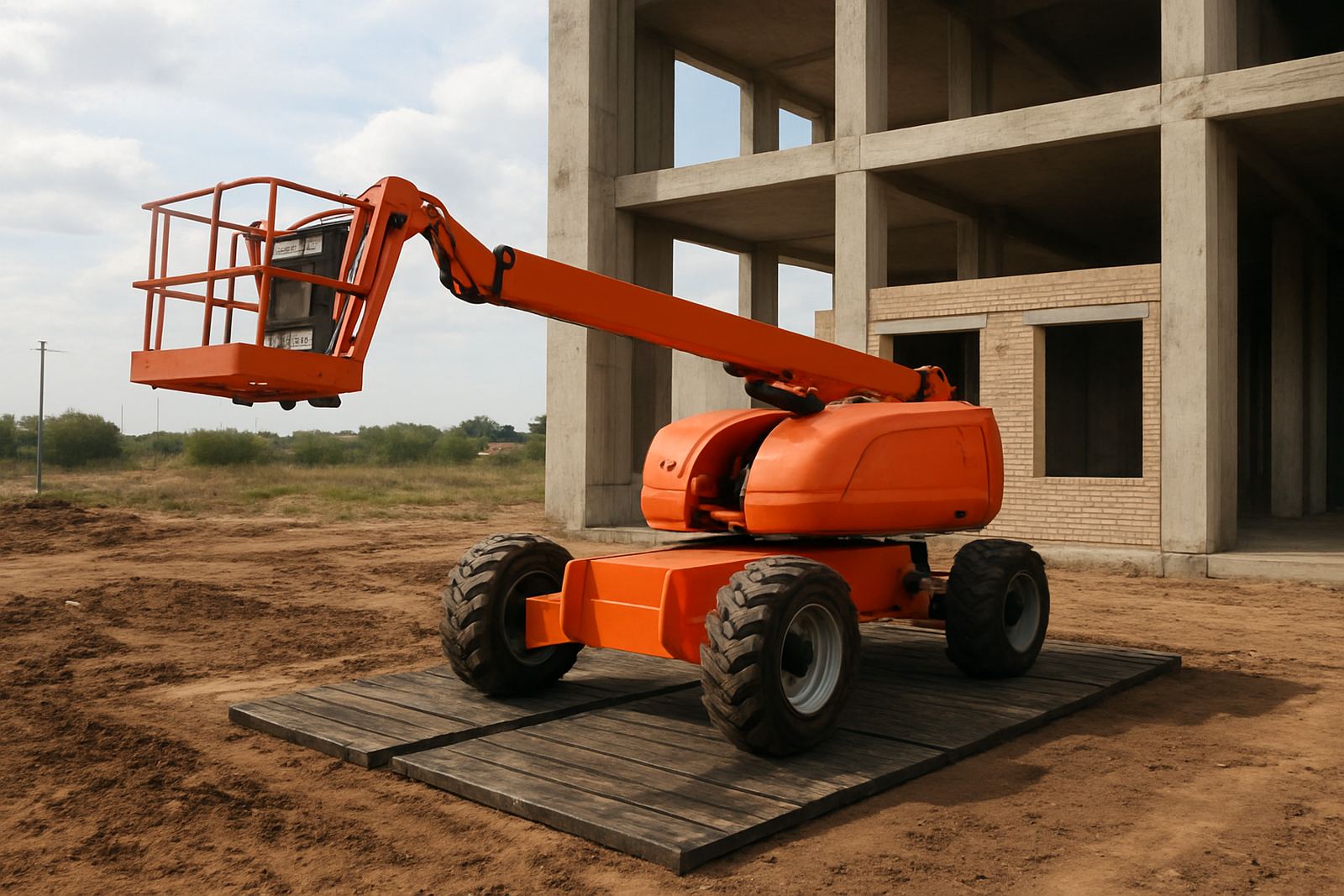
Soft ground often needs protection before the machine arrives. Mats, timber spreaders, temporary hardcore and properly compacted access strips help carry the load and stop the surface from pumping under pressure. For sites with repeated deliveries, this is especially important at entrance points and loading bays, where one wet patch can quickly become a bog.
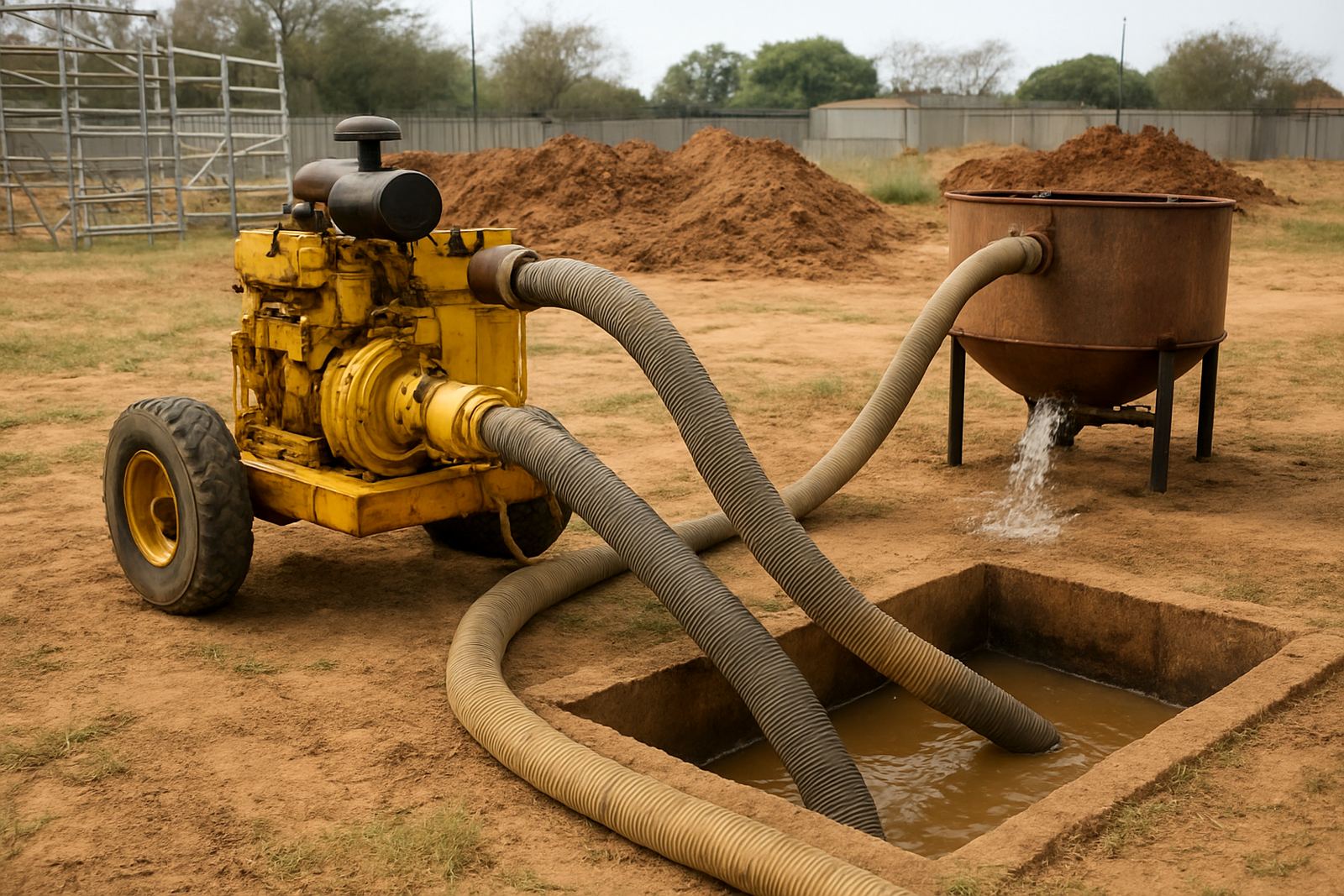
On coastal jobs in KwaZulu-Natal and the Western Cape, moisture can sit in the ground longer than expected. Even when the top looks dry, the sub-layer may still be unstable. That means the route for plant and trucks needs to be treated as part of the work area. If not, the site can look fine in the morning and turn messy by lunch, especially after a load-shedding delay has stretched the working day and traffic to the site is heavier than planned.
- Protect entrance points, corners and turning circles first.
- Keep a separate route for deliveries where possible.
- Inspect protection daily and reset it if it shifts or sinks.
Sequence the site so machines do not trap each other
Soft ground punishes poor sequencing. If a delivery vehicle blocks the only firm route, the next machine may have no safe way in or out. That is how delays start. A practical access plan should show where each machine enters, where it stands while unloading, where spoil is placed, and how it will leave without reversing through the weakest section of the site.
For longer hires, it helps to schedule the work in the order the ground can tolerate. Put the lightest, most mobile unit on the softest section first. Keep heavier plant to firmer areas or bring it in once the route has been improved. When possible, use plant swop-outs rather than leaving one unsuitable machine on site and hoping it will manage.
Good sequencing also reduces safety issues. A machine that spins its wheels on wet clay can throw mud onto access roads, hides trip hazards, and creates poor visibility for pedestrians and banksmen. That is not just a productivity issue, it is a compliance issue too.
Breakdown response matters more on unstable sites
If a machine fails on soft ground, the problem gets bigger very fast. Recovery vehicles may also struggle to reach it, and every extra movement can make the access worse. This is why breakdown response should be planned before the hire starts. The hire partner needs to know whether there is a hardstanding nearby, whether a tow route exists, and if another machine can be used to clear a path.
On a wet construction site, time matters. A small hydraulic issue can become a half-day recovery if the machine is sitting in a rut. Having the right backup plan on hand reduces the risk of a damaged surface and keeps the rest of the crew working. It also saves fuel, labour and the awkward cost of explaining why a machine had to be dug out of the mud.
- Keep recovery access in mind from the first day.
- Make sure a spare route exists for off-hire collections.
- Confirm who will handle lift points, towing and site clearance if a machine stops.
A Germiston example after heavy rain
After a run of rain in Germiston, a contractor starting a small commercial build near a low-lying access road needed to bring in an excavator, a generator and scaffolding. The first instinct was to send the heaviest machine in straight away. Instead, the access plan was changed. The route was covered with protection, the smaller machine went in first to prepare the base, and the heavier unit followed once the entrance had firmed up. That saved the driveway from ruts and kept the delivery schedule on track.
The same approach works across Gauteng, especially on sites where fill has not fully settled. In Midrand and Pretoria East, the ground can look passable until the first wet spell exposes weak points. In Durban and Pinetown, the humidity and rainfall can keep the surface soft longer than expected. On the Western Cape side, winter rain and clay pockets can cause the same problem. The lesson is the same every time: treat access as a working surface, not just a path.
When access is planned properly, the job stays safer, cleaner and cheaper to run. And that gives the contractor more time to focus on the build instead of chasing stuck machinery.
What to ask before you book plant for soft ground
The best hire decisions come from a few direct questions. Before booking, it helps to know the ground type, the wettest parts of the site, whether there is a firm loading point, and if the machine needs to travel over lawns, sand, clay or backfilled trenches. It also helps to know whether the job runs through the weekend or after hours, because traffic patterns and delivery windows can change the access risk.
A hire team should be able to help with fleet planning, site deliveries, safety documentation, operator supply and long-term hire where needed. On soft ground, that support makes a real difference because the machine choice is only one part of the job. The route, timing, fuel needs and off-hire collection all matter too. Get those right and the site keeps moving without unnecessary recoveries.
- Ask what the machine will sit on between moves.
- Confirm whether weekend support is needed for the route plan.
- Tell the hire team about slopes, wet patches and any access gates before delivery.