
Start with the layer, not just the machine
Compaction checks should begin with the material itself. Before a roller goes out, the base, subbase or selected fill needs the right moisture content, correct layer thickness and a surface that can actually be compacted. If the layer is too dry, the particles will not bind properly. If it is too wet, the roller can smear the surface and leave soft pockets underneath.
On Gauteng sites around Germiston and Midrand, builders often lose time because the layer is spread too thick in a hurry. A 150 mm lift may look fine from the edge, but if the material is not placed evenly the roller will only seal the top and the middle stays loose. That is where early failures start, especially near turning points and access ramps.
- Check the lift thickness against the spec before compaction starts
- Break up clumps and remove oversized material that can bridge the roller
- Confirm the layer has been trimmed to profile so water does not sit in low spots
Moisture control makes or breaks the pass count
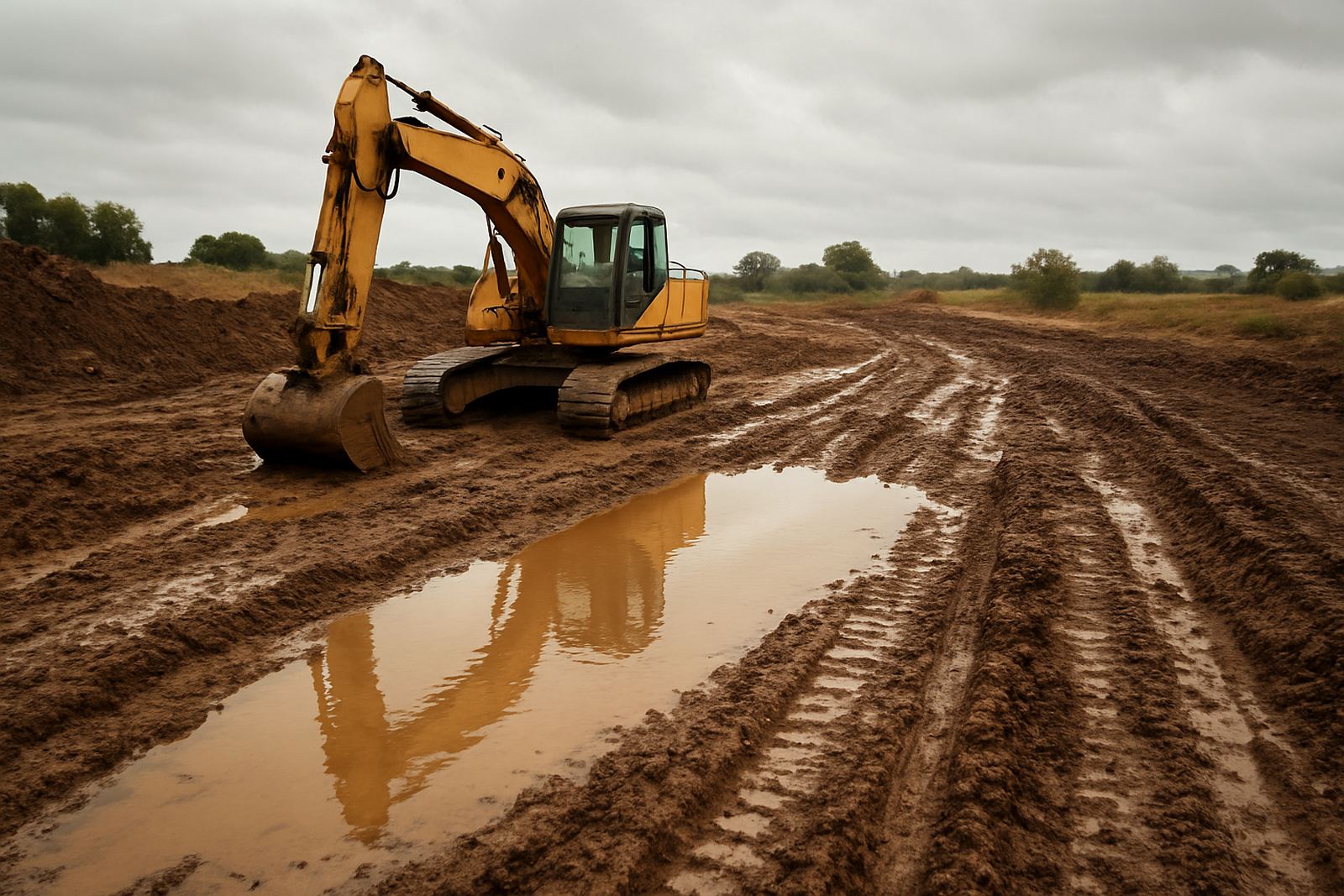
Moisture is one of the first things to verify on site. A good compaction result depends on getting the water content close to the material’s working range. Too little moisture and the roller needs extra passes without much gain. Too much moisture and the material pumps under the drum or tyre, which means the density reading will never settle properly.
This matters even more when weather changes through the day. In Durban and Pinetown, coastal humidity can keep stockpiles damp overnight, while in Pretoria East hot afternoons can dry out the top layer faster than the crew expects. The team should check the material before every shift and again if the weather turns, because a morning start can become an afternoon problem, no question about it.
- Test moisture before spreading and again after watering or drying out
- Cover stockpiles where possible to limit rain and overnight dampness
- Adjust water carts in small steps rather than flooding the layer
Roller passes need a pattern, not guesswork
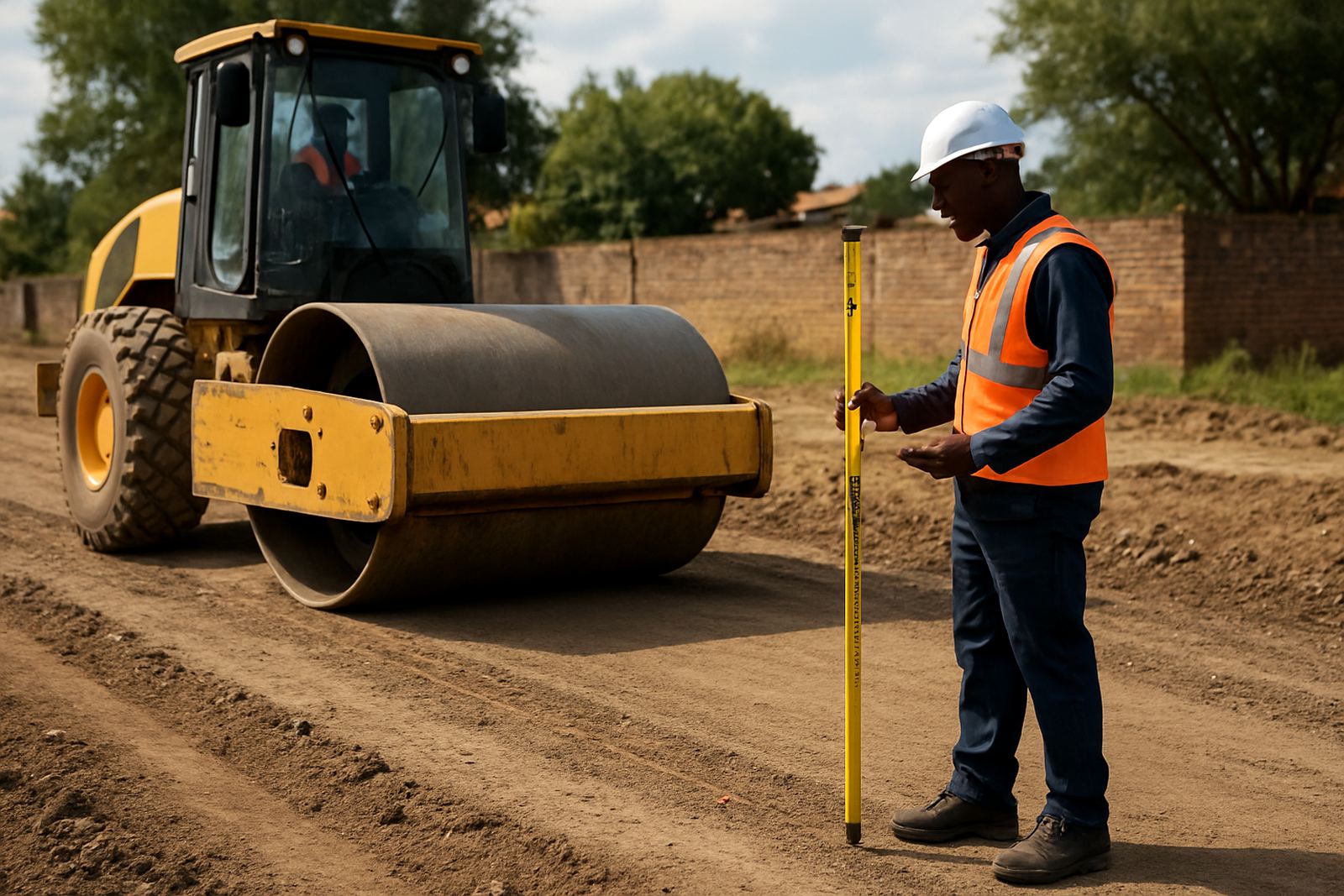
The right number of passes depends on the material, the lift thickness and the machine being used. A smooth drum roller, padfoot roller or pneumatic tyre unit all compact differently, so counting passes without checking the result is not enough. The crew should work from a set pattern and confirm density as they go, instead of just running the machine until the operator feels satisfied.
On busy site entrances or service roads, the first few passes are usually the most important. A proper overlap prevents striping, while a steady speed helps the drum do its work evenly. If the operator travels too fast the machine can bounce and leave weak zones. If it crawls too slowly, the top may overwork and the lower part remains loose.
- Record the pass pattern for each section of road
- Overlap each run by a consistent margin
- Avoid sharp turns on soft layers because they tear the surface
Use field checks before the inspector arrives
Road compaction checks are not only for the final handover. Site teams should do field checks during the work, while the layer can still be corrected. Straightedge checks, proof rolling and basic density readings tell you whether the road is holding together or starting to fail. If a weak patch is found early, the crew can rework that area instead of cutting it out later.
For contractors working under municipal rules in Johannesburg, Ekurhuleni or Cape Town, early checks also help keep the job moving. A failed test after finishing means delays, extra labour and repeat traffic control. It is far easier to fix one bad stretch near the kerb than to reopen a full lane later.
- Check for soft spots under wheel tracks and around service trenches
- Watch for cracking, shoving or a glossy surface after rolling
- Keep simple notes on moisture, pass count and any rework done
Match the compaction plan to the local site conditions
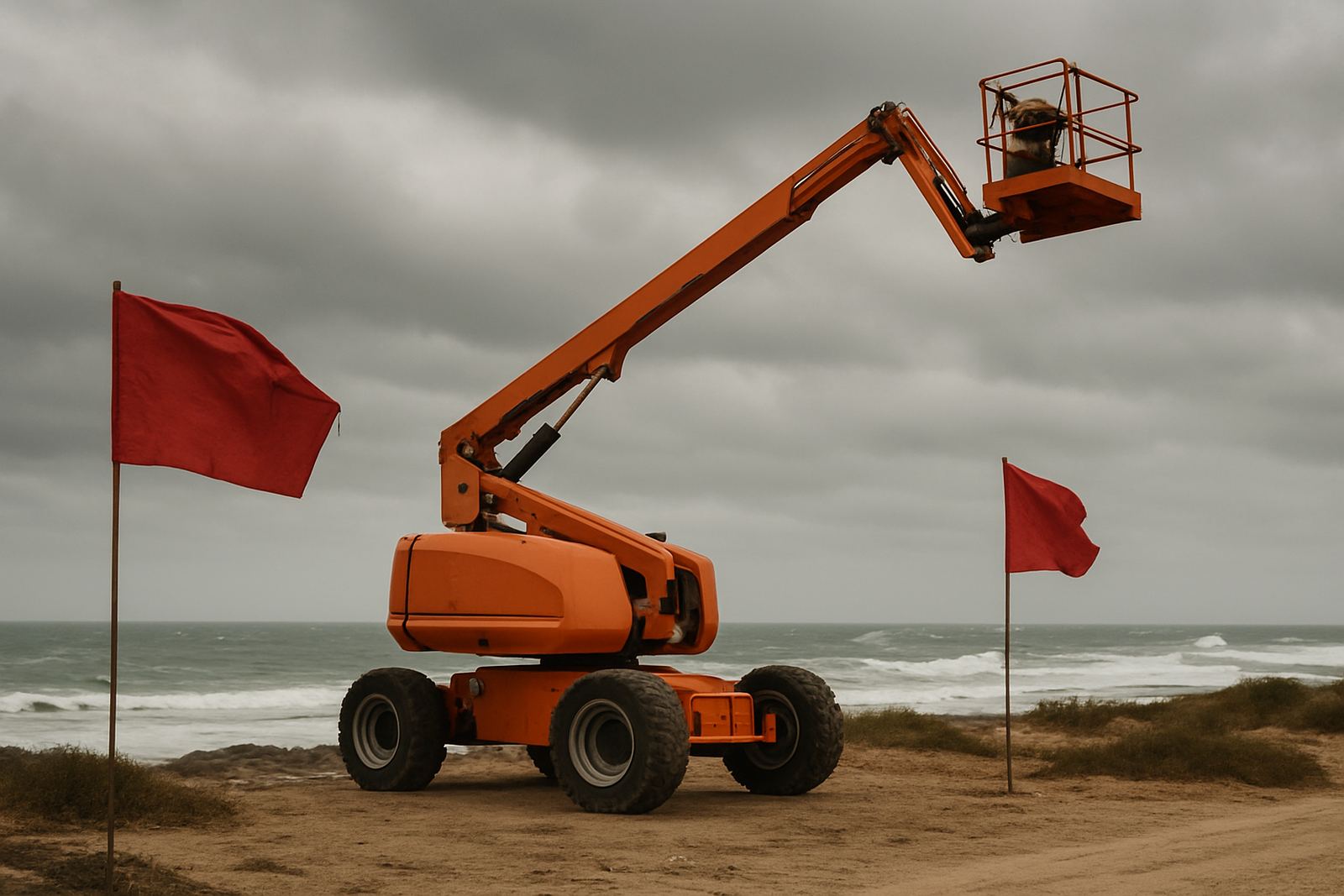
Every site brings different pressures. In Germiston and Boksburg, heavy truck movement can disturb freshly placed layers before they have fully settled. In Cape Town and Bellville, wind and coastal moisture may change the surface behaviour from one shift to the next. A compaction plan should account for access, traffic flow, weather and the size of the road section being built.
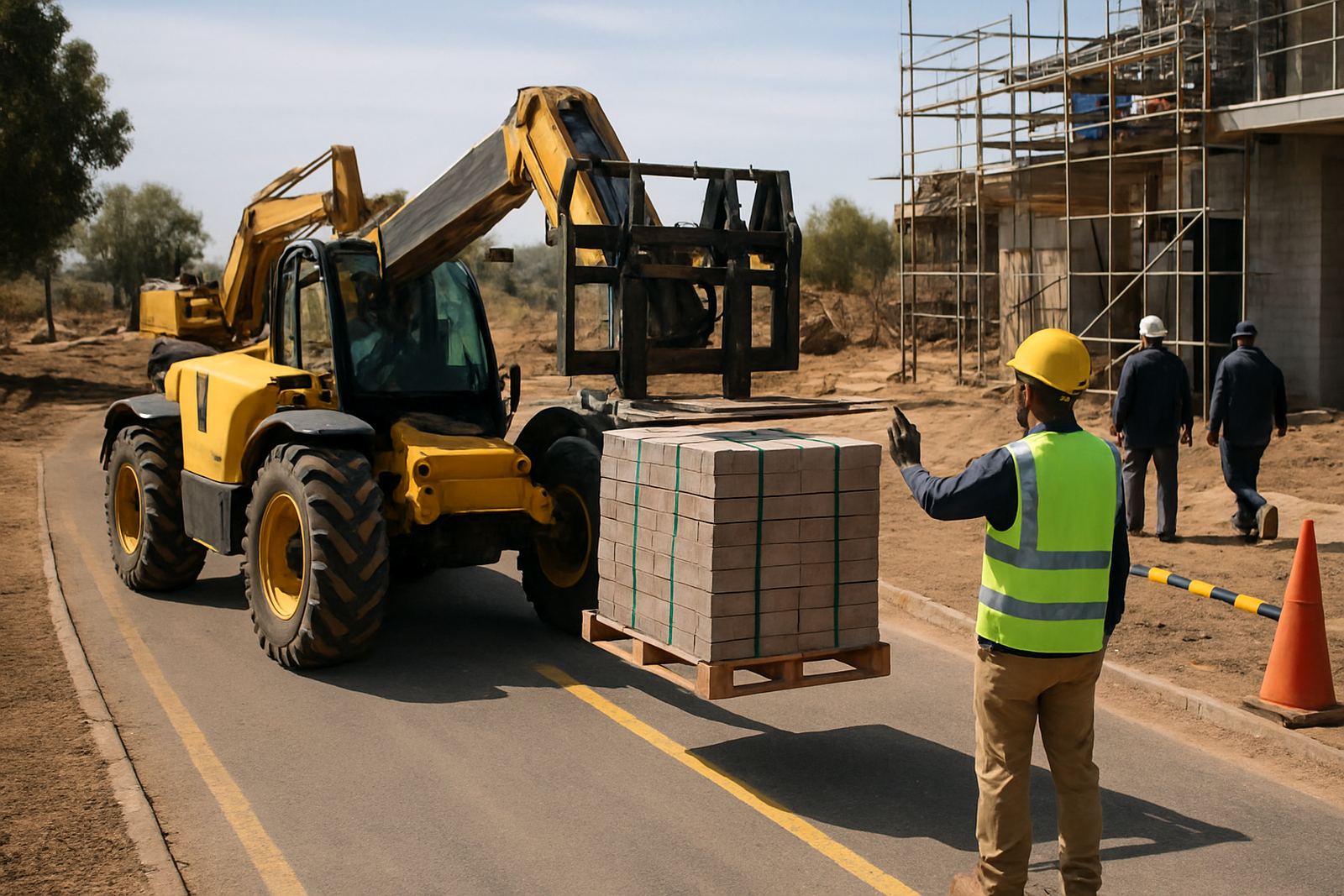
Long stretches need more control than small patchwork repairs. A widened access road near a warehouse may only need short runs and tight supervision, while a new internal road at a housing development might need staged compaction over several days. The method should suit the site, not the other way around.
- Plan compaction around deliveries so fresh material is not tracked out
- Keep wet and dry areas separated on site where possible
- Use different rollers or passes for shoulders, edges and main lanes
Reliable plant support keeps the work moving
Compaction checks are easier to manage when the right plant is on site and working properly. A roller that starts late, a generator that fails or a machine that sits idle while fuel is sorted can throw the whole sequence off. That is why many contractors prefer hire support that includes same-day dispatch, breakdown response and on-site servicing, especially on tight programmes.
MachinesAfrica Rentals supports sites across Gauteng, KwaZulu-Natal and the Western Cape from depots in Germiston, Midrand, Pretoria East, Boksburg, Durban, Pinetown, Cape Town and Bellville. For the team, the job is simple: get the right machine in place, keep it available and help the crew stay on schedule. When the plant is ready, the compaction checks can be done properly and the road has a better chance of holding up over time.
- Confirm the roller, support plant and fuel plan before the shift starts
- Schedule weekend support if the programme runs outside normal hours
- Arrange plant swop-outs quickly if a machine shows signs of trouble