
Why wet weather slows earthworks faster than most crews expect
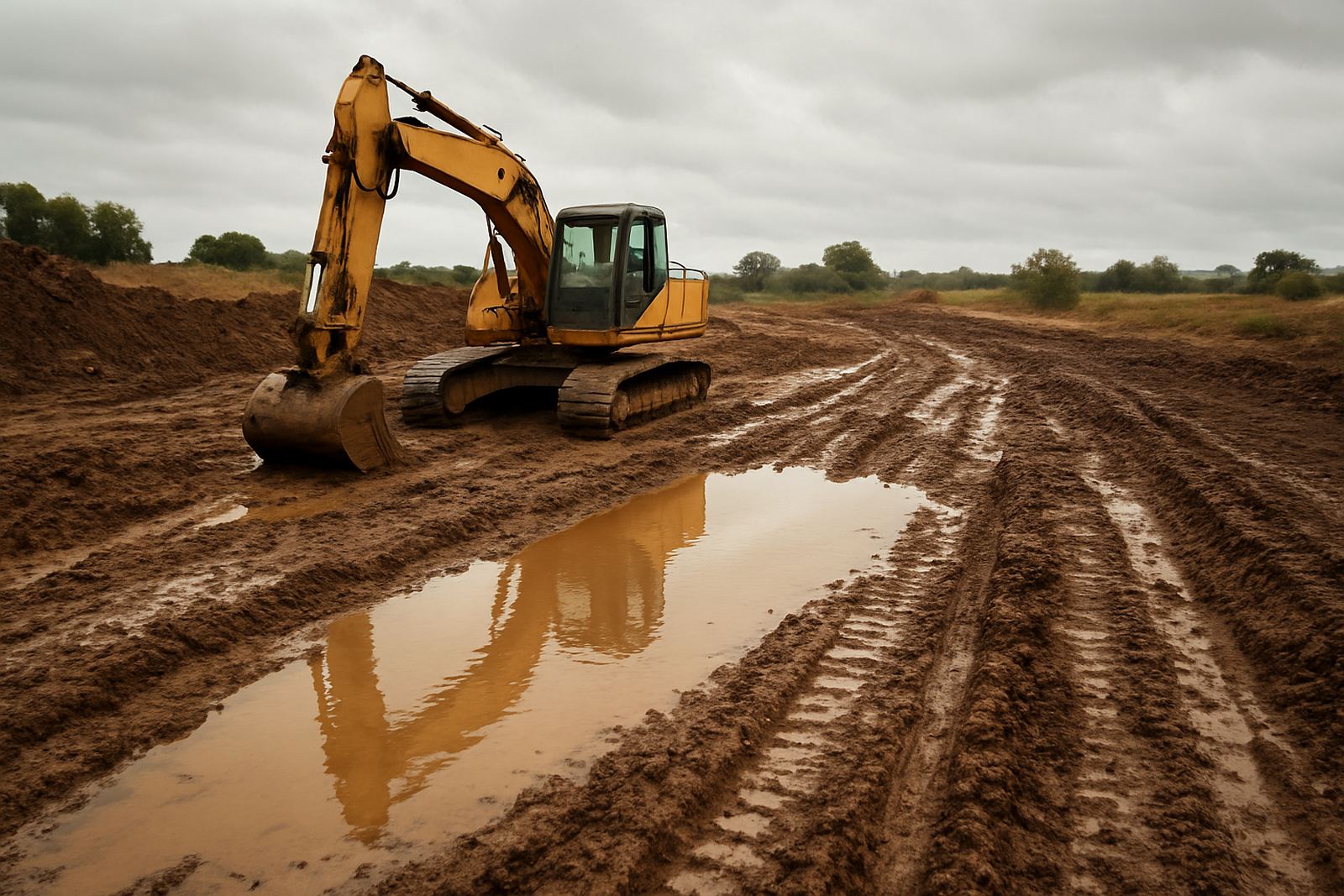
On an exposed site, rain does not just make the ground wet, it changes the way the soil carries weight. Clay turns sticky, sand shifts under load and imported fill can lose structure before it is spread and compacted. That means the same machine that moved cleanly on Friday may start bogging down by Monday morning.
Contractors working in Gauteng, KwaZulu-Natal and the Western Cape know this well. Summer storms in Johannesburg can arrive hard and fast, while coastal humidity in Durban and Cape Town can keep surfaces damp long after the rain has passed. If the programme does not allow for that, the job starts slipping in small ways first, then the delays stack up.
The first decision is not always which machine has the biggest bucket. It is which machine can work on the site without making the problem worse. A lighter tracked unit may be a better choice for soft access, while a larger excavator can stay on firmer standing areas and load out from there.
Choose plant for ground conditions, not just production rates
Wet weather earthworks call for a different mindset. High production numbers matter, but only when the ground can support them. On soft or saturated areas, tracked equipment usually performs better than wheeled plant because it spreads the load more evenly and reduces rutting. In some cases, smaller machines working in shifts are more useful than one large unit trying to force progress through mud.
For hauling spoil or bringing in fill, consider axle load, turning space and how quickly the access route will break down. If a road starts cutting up, every extra trip makes recovery harder. It is often smarter to establish a temporary running surface early, even if that means a few more loads of stone or selected material upfront.
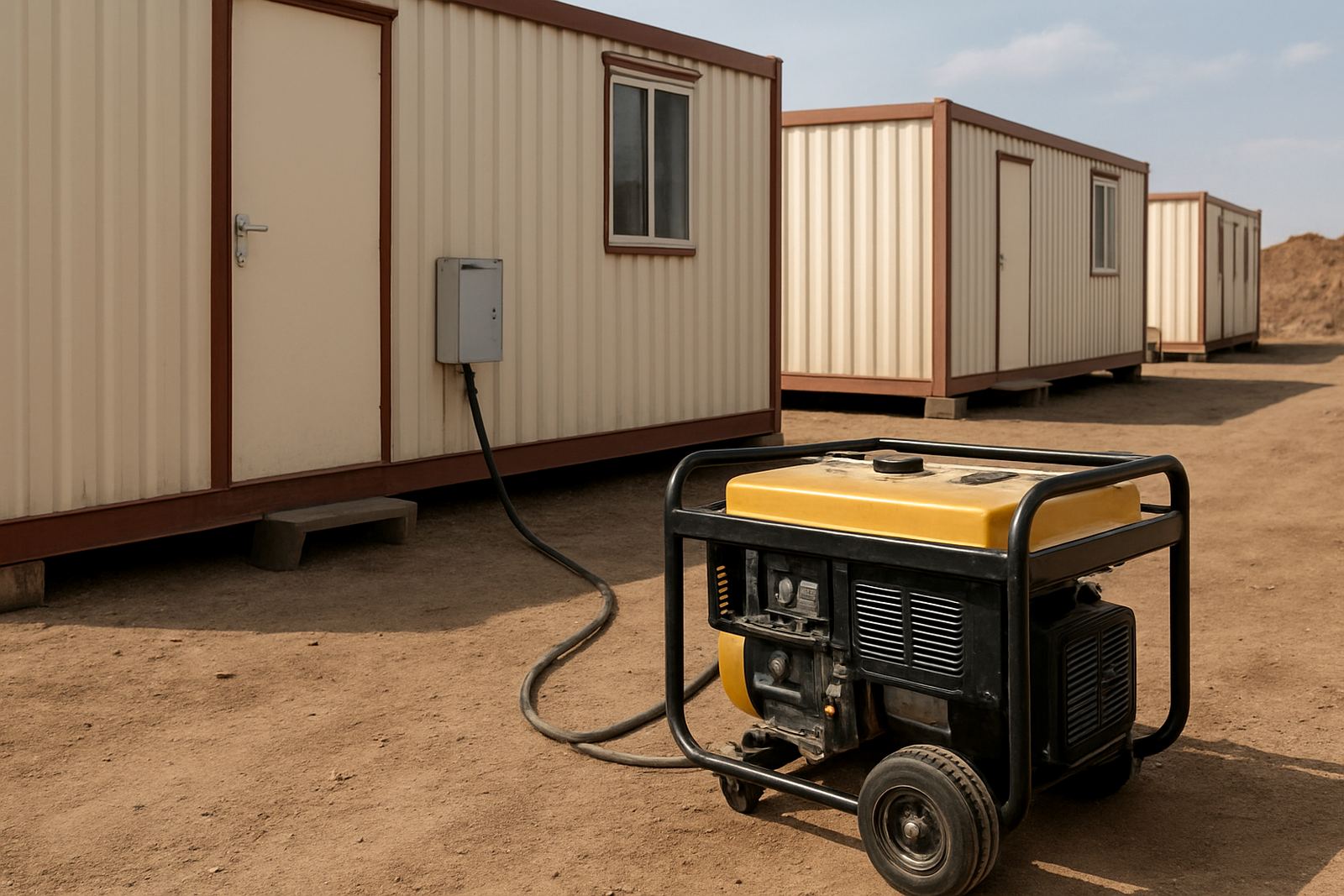
Wet weather also affects support equipment. Generators, lighting towers and pump sets are not extras on a bad week, they are part of the earthworks plan. Load-shedding and rain together can stop drainage pumps, compactors and site lighting if backup power is not available.
- Use tracked excavators where the access is soft or uneven
- Keep wheeled plant on firmer sections and short haul runs
- Bring in generators for pumps, lighting and essential tools
- Allow for a swop-out plan if a machine starts sinking or slipping
Haul routes need grading, drainage and discipline
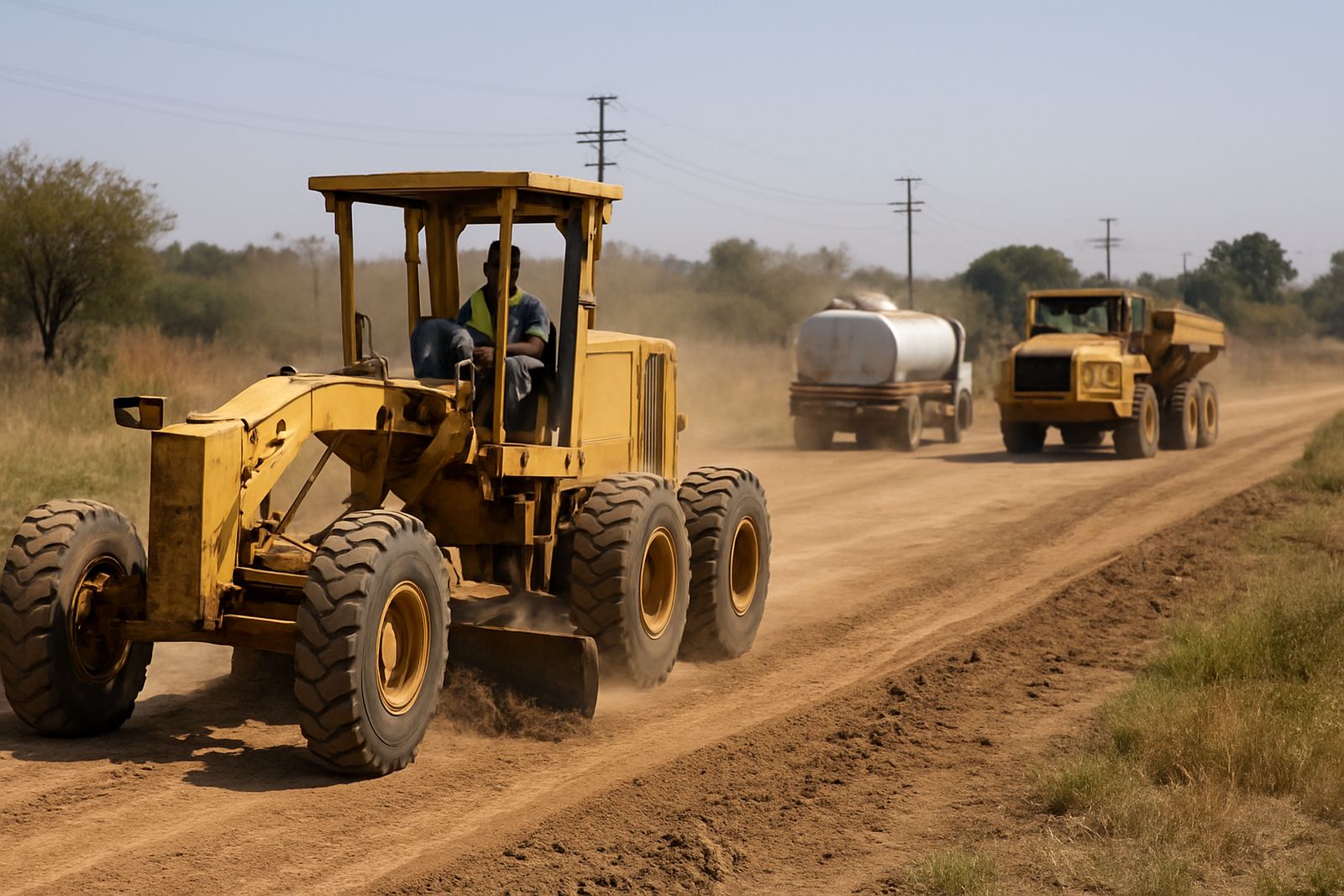
The best haul route in dry weather can fail within an hour of rain if water is allowed to sit on it. The route should fall away enough to drain, but not so much that material runs off and forms gullies. On bigger sites, simple shaping works better than trying to fix the whole road at once.
Keep the route wide enough for safe passing, and avoid sharp turns where tyres and tracks churn the surface into slurry. If trucks or tippers are involved, plan turning and waiting areas separately from the main working face. A narrow bottleneck near an excavated area can become a safety issue quickly, especially when visibility drops in rain.
In Germiston and the wider East Rand, many sites sit on ground that looks firm until the top layer opens up after heavy rain. That is why haul routes should be inspected every shift, not just when the weather turns bad. One wet patch can force a line change, so a practical route map saves time and keeps operators from guessing.
- Keep stormwater away from access roads where possible
- Inspect culverts, runoff paths and low points daily
- Separate loading zones from waiting areas
- Mark soft spots clearly so operators do not drive back into them
Compaction changes when moisture moves outside the target range
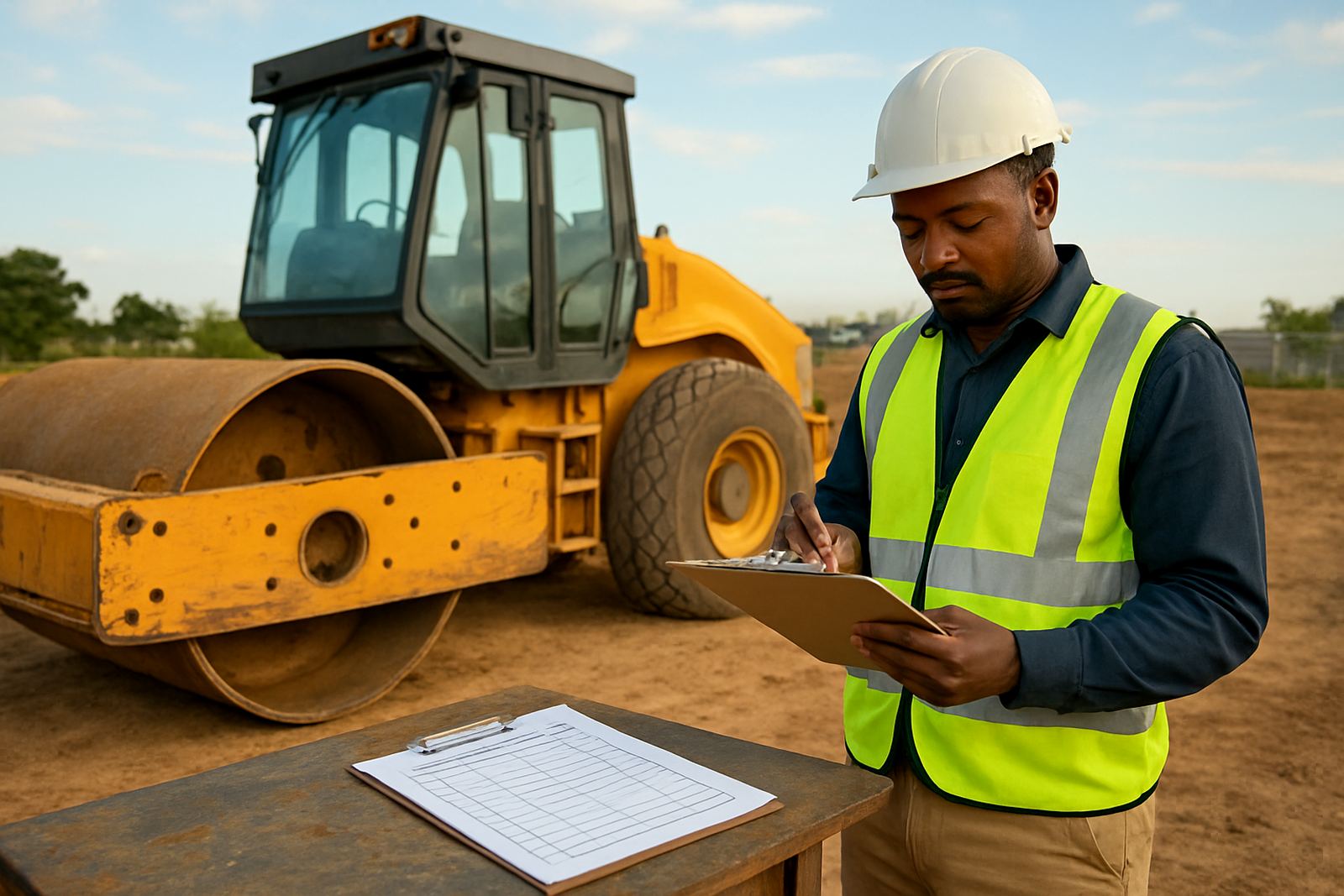
Compaction is where wet weather can undo good work fastest. Too much moisture and the material pumps under the roller or plate compactor instead of binding together. Too little and the layer will not knit properly. Either way, the result is a weak base that needs to be reopened later.
That is why moisture testing and layer control matter on earthworks jobs. If the soil is outside the workable range, it may need to be aerated, blended or left to dry before compaction continues. Trying to compact a saturated layer just wastes fuel and hours. On a tight programme, that can also mean reworking material that should have stayed in place.
For site teams, the practical step is to break the job into smaller sections that can be finished and signed off in manageable stretches. Finish only what can be compacted properly before the next rain. Leaving loose fill exposed overnight is a common reason for morning rework, and it usually starts with a weather report that got ignored too late.
A Johannesburg example: storm rain, soft access and a saved programme
On a mixed-use development near Germiston, a contractor faced repeated afternoon storms during the earthworks phase. The first week was lost to bogged access and material tracking across the site, especially where haul vehicles had to pass close to the excavation edge. The team changed the plan quickly.
A smaller tracked excavator was brought in for the wet zones, with heavier loading done from a firmer pad. Temporary stone was placed on the main access line, and pumping was added at the low point where water kept collecting. The compaction sequence was also tightened so only short lengths of fill were opened at a time. The result was not a dry site, because that was not realistic. It was a controlled site that kept moving despite the rain.
This is where local knowledge helps. Gauteng storms can dump a lot of water in a short period, then leave the ground steaming the next day. If the plan does not account for that cycle, the same section will keep failing. If it does, the crew can still make measurable progress even with interruptions.
What to hire when the weather turns against you
Wet weather earthworks usually need a mix of primary plant and support equipment. The right hire list depends on access, material type and how much of the site is already serviced. A good hire plan should also include backup arrangements for breakdowns and fuel, because downtime during rainy periods is expensive.
MachinesAfrica Rentals supports sites across Gauteng, KwaZulu-Natal and the Western Cape with hire depots in Germiston, Midrand, Pretoria East, Boksburg, Durban, Pinetown, Cape Town and Bellville. That local spread helps when a machine must move fast, or when a weekend changeover is needed to keep the programme alive.
- Tracked excavators for soft ground and loading from firm pads
- Bulldozers for spreading, shaping and access recovery
- Compaction equipment for layer control and finish work
- Generators for pumps, lighting and power where supply is unstable
- Scaffolding and support plant where site access or structure work is affected by rain
Keep the site safe when visibility drops and surfaces shift
Rain brings more than slower production. It changes visibility, footing and the movement of machines around pedestrians and other contractors. Safety documentation should be current, operators briefed, and exclusion zones clear before work starts. Slippery boards, muddy ramps and unmarked edges are common problem points on wet sites.
Where water is pooling, avoid sending people to work in unstable cut faces or open trenches until conditions are checked. On coastal sites, wet steel and damp access points can also become a corrosion and slip issue, so cleaning and daily checks should not be skipped. If the site is running through a long wet spell, on-site servicing and weekend support can prevent small faults from becoming full stoppages.
In wet weather, good earthworks is less about pushing harder and more about adjusting quickly. The crews that keep their haul routes open, their plant matched to the ground and their compaction disciplined are the ones that finish cleaner and with fewer surprises.