Start with the ground before the machine moves
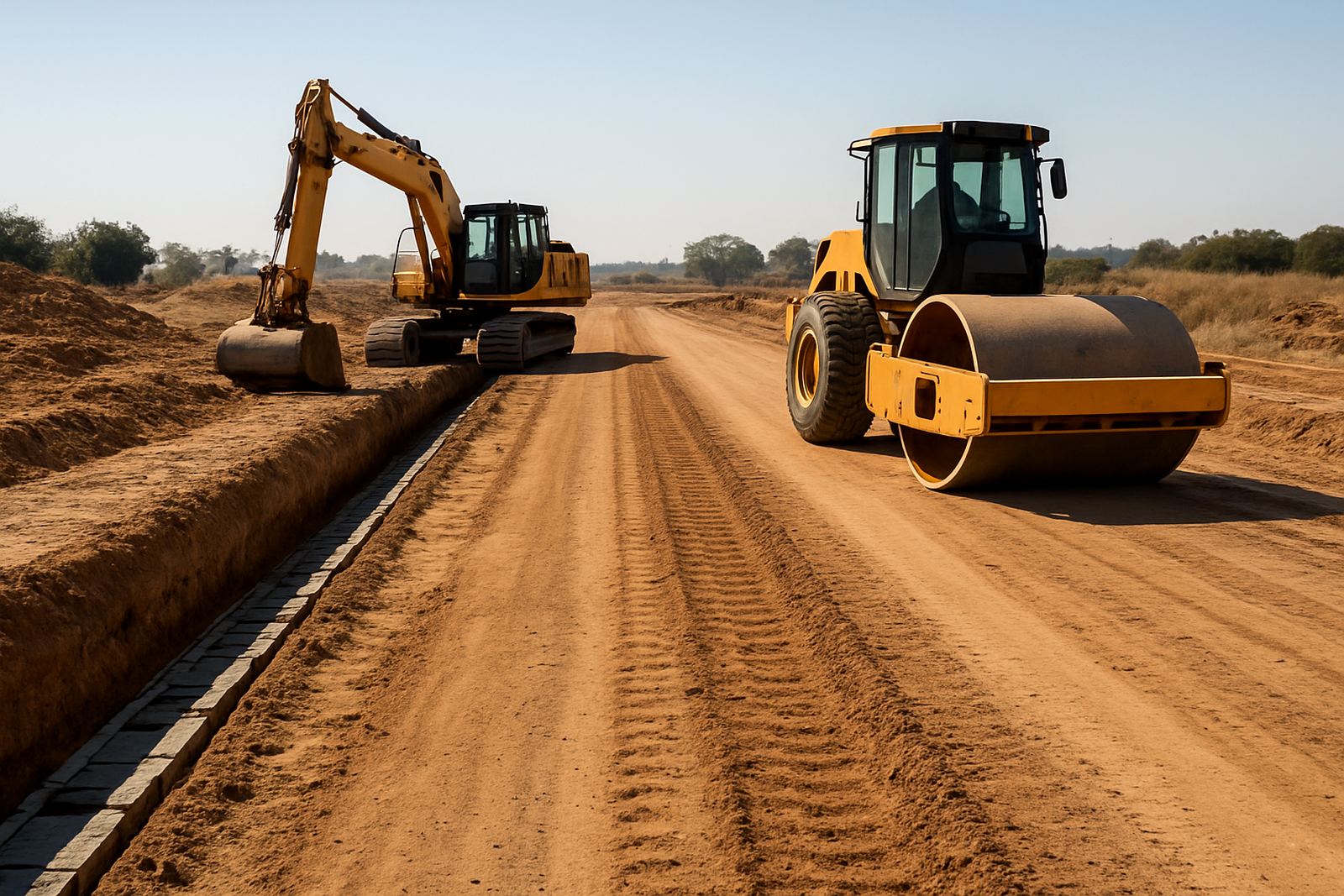
A telehandler is only as safe as the surface it travels on. Before the first lift, walk the route and check for soft spots, open trenches, wet clay, loose rubble and service covers that may not take the weight. On new builds in Germiston or a tight infill site in Midrand, the ground often changes from one bay to the next, so the path needs checking more than once during the day.
Set up a simple routine: identify the loading point, the turning area and the drop-off point, then keep all three as level and tidy as possible. Where conditions are uneven, use mats, compacted fill or an alternative route. A machine can recover from a bump, but it cannot recover from a side tip. That is where most avoidable incidents start.
- Inspect ground bearing conditions before each shift
- Keep spoil heaps and stacked materials away from travel lines
- Mark soft or restricted zones clearly with cones or bunting
- Do not cross over trenches unless an engineer has approved the route
Keep travel paths clear, straight and visible
Telehandlers work best when the operator can see where they are going and the site crew knows when to stand back. A path should be wide enough for the machine and its load, with enough room to turn without clipping scaffold, brick piles or parked equipment. If the route is too tight, the machine will spend more time reversing and that raises the risk of strike damage and poor judgement.
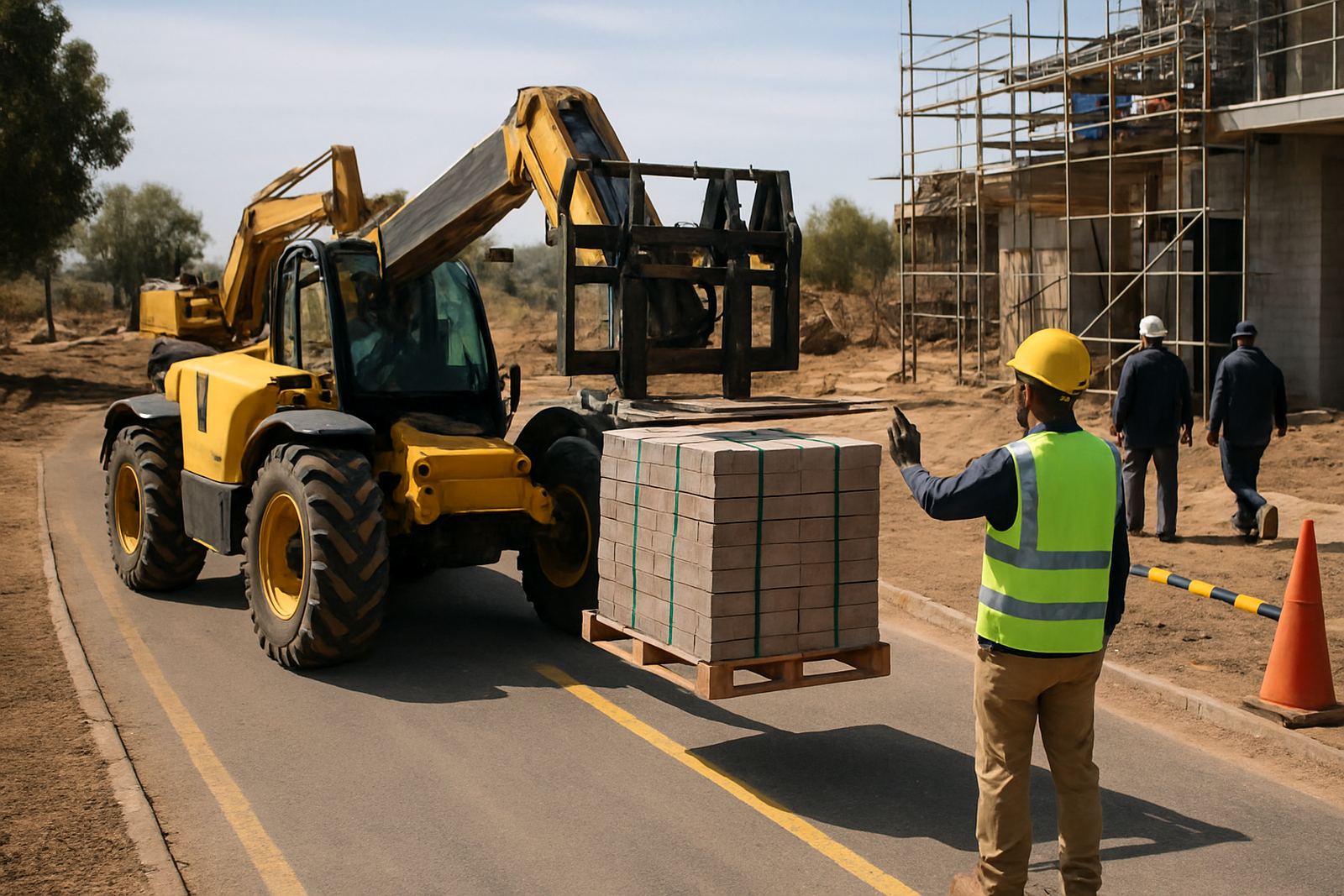
Use a banksman where visibility drops, especially around blind corners, steel delivery points and shared access roads. On Gauteng sites near live traffic, a clear spotter makes a real difference when trucks, forklifts and labourers all use the same gate. Keep pedestrian routes separate where possible and make sure no one walks under a raised load, even for a second.
- Use one-way movement where the site layout allows it
- Separate walkers from plant movement with barriers or tape
- Keep turning areas free of loose cable, timber and offcuts
- Pause movements if dust, rain or glare affects visibility
Match the load to the machine, not the other way round
Every telehandler has limits on height, reach and load weight, and those limits change as the boom extends. A pallet that looks light on the ground can become unsafe once it is lifted to the third level or carried out over a wall. Operators should use the load chart for the exact setup, including attachments, and never guess. A quick check saves a lot of trouble later.
Load stability matters as much as mass. Uneven pallets, loose bricks and badly wrapped materials can shift while travelling, which throws the machine off balance. If the load is long or awkward, shorten the travel distance and lower the boom before moving. Keep the forks level and the load low when driving, unless the task requires a different position and the route has been checked first.
- Confirm the load weight before lifting
- Check the attachment rating and locking pins
- Keep loads low while travelling
- Never exceed the reach or capacity shown on the machine chart
Assign only trained operators and clear site roles
Safe telehandler use depends on everyone knowing their role. The operator handles the machine, the banksman guides movement where needed and the site supervisor keeps the area organised. When those roles blur, people step into lift zones or give instructions from too far away. That is when confusion starts.
Training should cover machine controls, load charts, pre-start checks and what to do if the machine behaves oddly. Operators also need to understand site-specific risks such as tight basement ramps, overhead lines, wind exposure on coastal projects and soft soil after rain. A worker who has used a telehandler on one site may still need a fresh briefing on the next one, because no two sites move the same way.
In Durban and Pinetown, for example, humid conditions can affect ground grip and create slick patches after a light shower. On those sites, the crew often has to slow down the day’s pace, inspect access routes again and keep the lifting area cleaner than usual.
Use pre-start checks to catch small problems early
A good pre-start check only takes a few minutes, but it often picks up the issues that cause downtime later. Look at the tyres, boom hydraulics, brakes, lights, mirrors, alarms and stabilisers where fitted. Check for oil leaks, loose fasteners, cracked glass and damaged forks. If the machine is due for servicing, dont push it through another shift just to finish the delivery.
Fuel, service records and daily inspection sheets should be kept close to hand. If the machine is hired for a long-term programme, it helps to plan inspections around the site schedule so the unit does not stand idle when the crew is ready to work. Breakdown response matters, but prevention is cheaper and safer than a repair on the side of a half-finished slab.
- Record defects before the machine goes to work
- Keep a clean cab and clear access to controls
- Test warning devices before leaving the yard
- Remove a faulty machine from service until it is checked
Plan lifts around weather, access and municipal control
South African sites need practical planning, not just good intentions. Wind can change the feel of a load, heavy rain can soften access roads and load shedding can disrupt site lighting and traffic control after dark. If the lift is near a public road or a shared access gate, plan the timing carefully and keep the municipal or project access rules in mind. That is especially important on city jobs where neighbours, trucks and pedestrians all arrive at once.
A local example is a warehouse upgrade in Germiston where deliveries came in early morning, then the same route was needed for brick offloads and scaffold movement later in the day. The crew saved time by setting one clear access lane, keeping the telehandler on a fixed route and scheduling the heavier lifts before the site filled up. The job ran cleaner because the machine was never asked to squeeze through a changing mess of materials.
For hire planning, it helps to match the machine to the site instead of forcing the site to fit the machine. That means using the right reach, the right tyres, the right attachment and the right support for the full hire period, whether the job runs for a week or several months.
Why stable lifting practice keeps the whole site moving
Telehandler safety is not only about avoiding incidents. It also protects productivity, keeps deliveries on time and reduces damage to stock and finishes. When travel paths stay clear and lifting stays within limits, the whole site works with less waiting around and fewer stoppages. That matters on commercial projects, housing developments and industrial sites where every delay has a knock-on effect.
Clear route planning, controlled loading and proper operator discipline are small habits, but they shape the entire lift process. Keep the route tidy, keep the machine within its limits and keep people out of the swing area. The result is fewer delays, less rework and safer material handling from the first pallet to the last.
If your site needs telehandler hire, operator supply, breakdown response or off-hire collection, it pays to plan those details early so the machine arrives ready for the work ahead.