
Start with the ground before you bring in the fleet
Layer works sequencing begins long before the first load is tipped. The team should first confirm formation levels, cut and fill quantities, access routes, and where stockpiles will sit without blocking the next trade. On a busy site in Germiston or Midrand, poor planning can turn a clean programme into a mess of wet subgrade, tyre ruts and double handling.
Earthworks must be arranged so that the formation is prepared, trimmed and tested before bulk materials arrive. If the first layer is rushed, the rest of the programme carries the problem. That is why a clear sequence matters for contractors working on roads, warehouses, housing developments and municipal upgrades across Gauteng, KZN and the Western Cape.
- Confirm the final levels before material is ordered.
- Set out haul routes that keep plant away from finished layers.
- Plan where spoil, fill and imported material will be stockpiled.
- Allow enough room for testing, inspection and rework if required.
Services, ducts and drainage need their own window
Services should never be treated as an afterthought. Stormwater pipes, sewer lines, electrical ducts and comms sleeves all need a window in the sequence before backfilling starts. Once a layer is compacted, opening it again for a missed service costs time and can weaken the section around it. That is why service installation must be mapped against the layer works programme from the start.
On South African sites the common mistake is to let multiple subcontractors work on the same zone without control of who opens, who closes and who signs off. A simple zone plan avoids clashes and keeps the site moving. It also helps with municipal inspections, where the sequence of excavation, bedding, laying and backfilling needs to be clear and traceable.
- Coordinate service trenches before final subgrade compaction.
- Keep as-built records current while trenches are still open.
- Use the right backfill material around ducts and pipes.
- Reinstate each layer in the correct thickness, not in one rushed lift.
Compaction only works when moisture and layer thickness are controlled
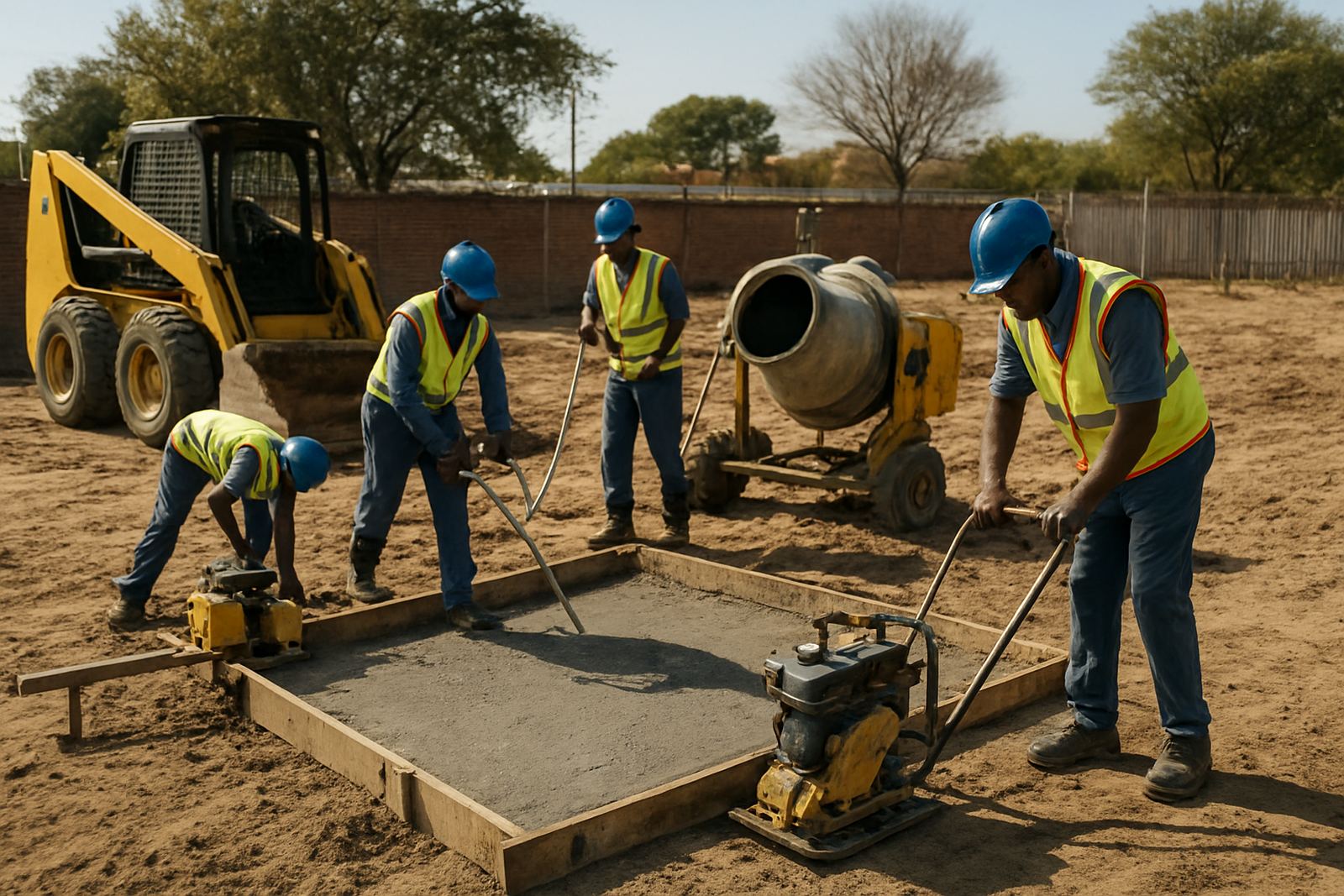
Compaction is not just about the roller, its about moisture content, layer thickness and timing. A layer that is too thick will bridge under the roller and stay loose underneath. A layer that is too dry or too wet will never reach the target density, no matter how many passes are made. This is where sequencing protects the job.
Good site managers break the work into manageable sections and keep each layer within the agreed thickness. They also make space for testing between stages so the next layer does not trap a failed layer underneath. In coastal areas like Durban and Cape Town, humidity and sudden rain can shift the moisture balance quickly, so the sequence must allow for weather delays without forcing bad compaction just to keep moving.
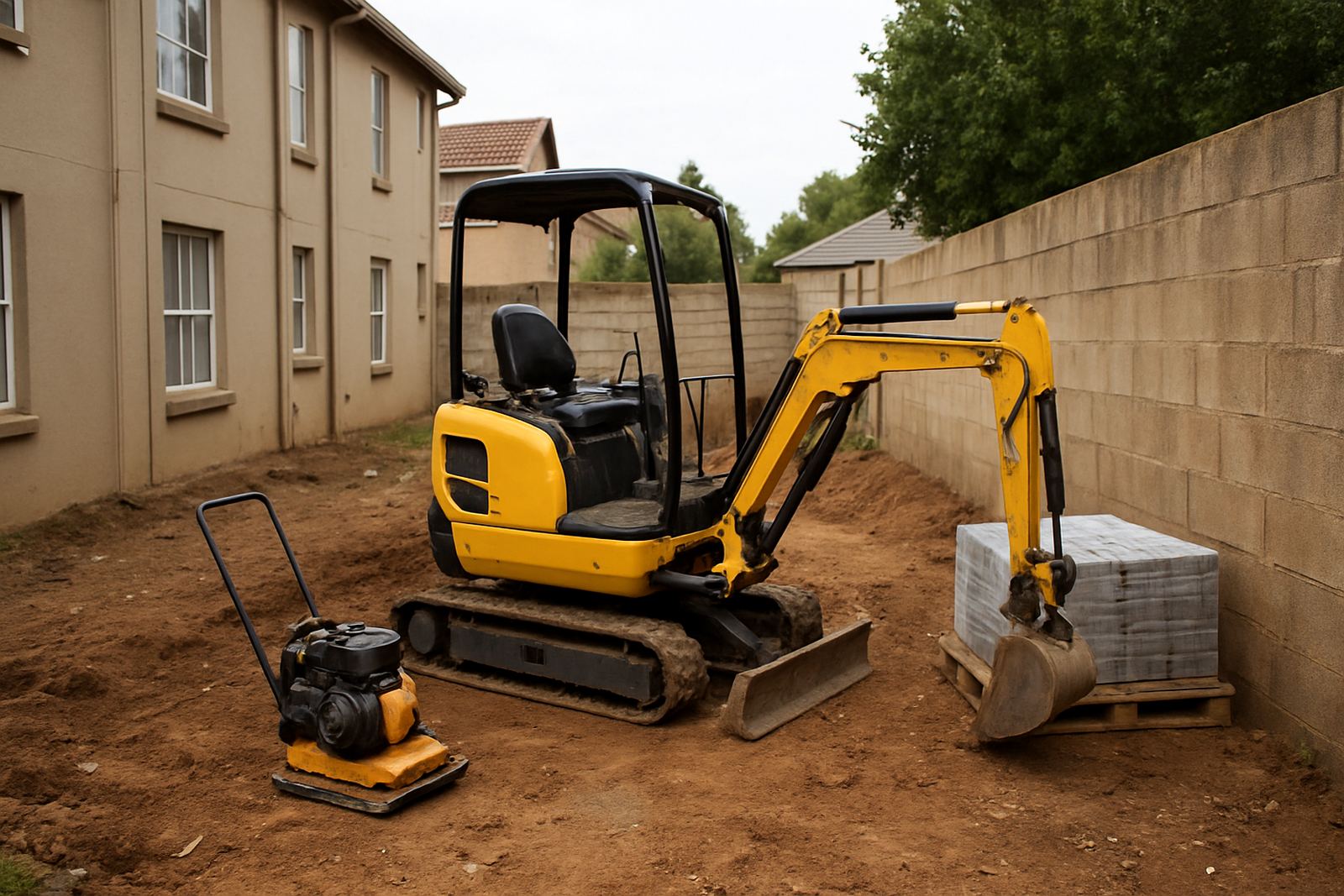
Where access is tight, smaller compactors or a suitable dozer can help manage edges and tie-ins. The key is to keep the plant matched to the layer and the material, not the other way round.
Plant planning keeps the sequence moving
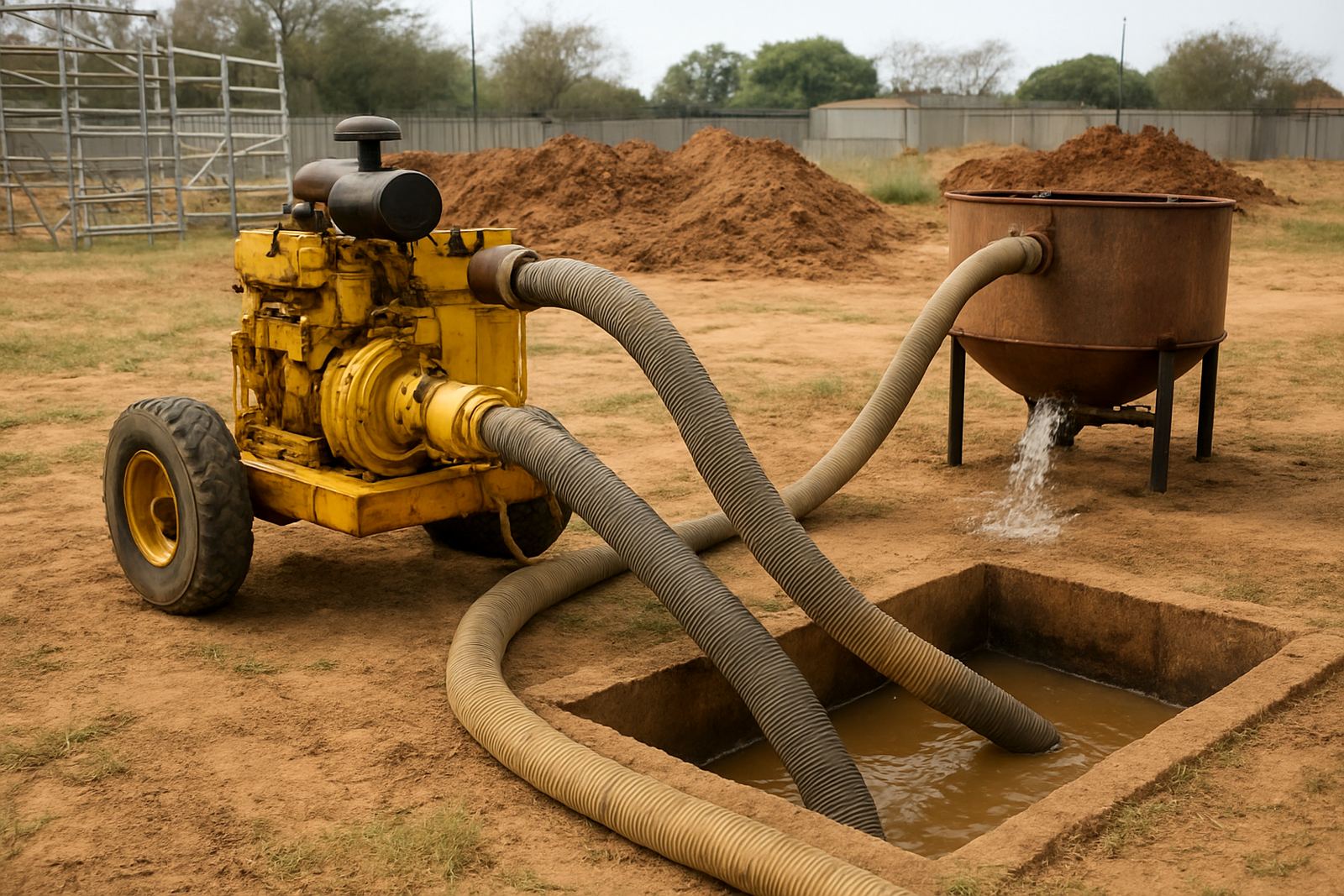
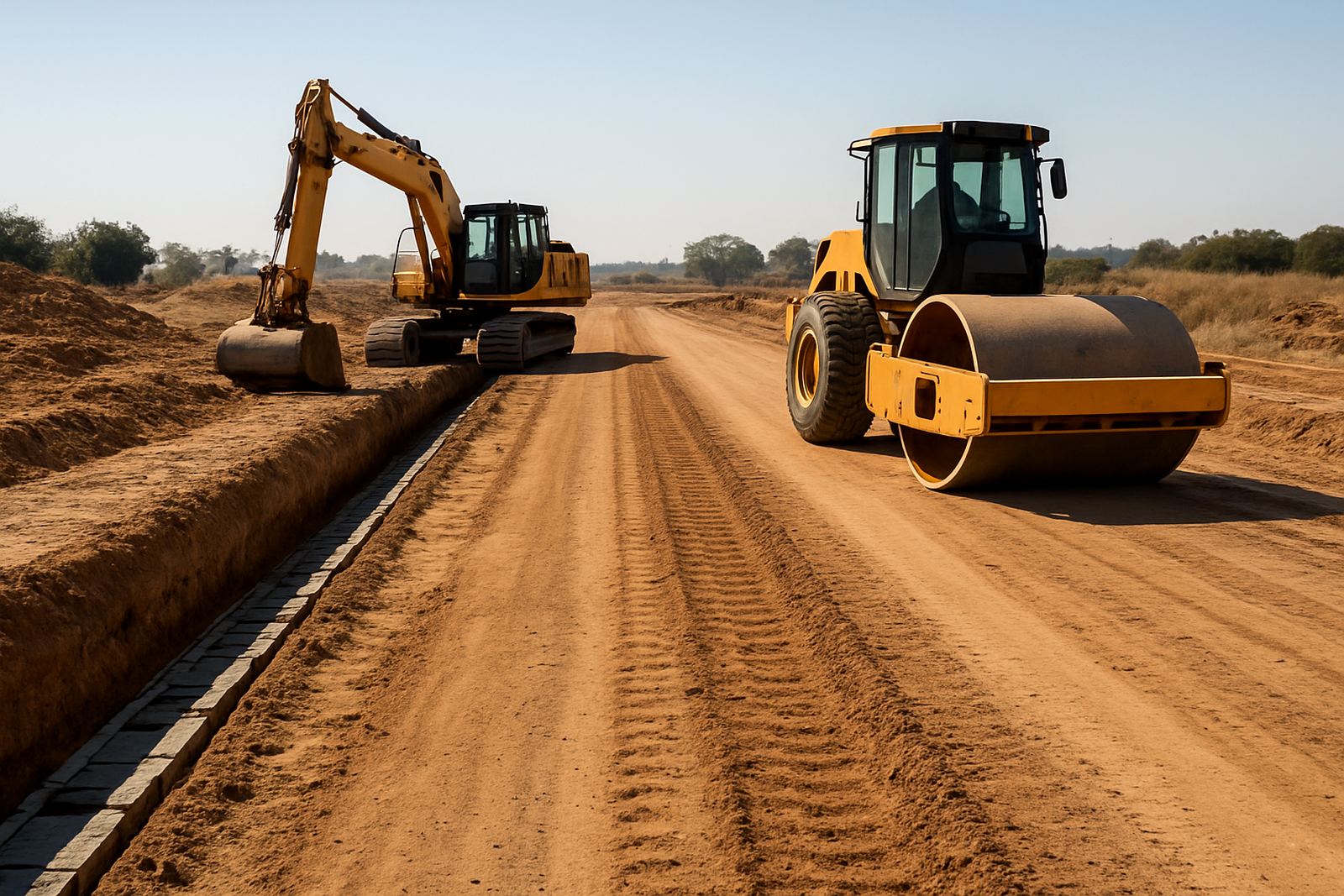
The right machine at the right time can save a whole day. Excavators, dozers, rollers, water bowsers, generators and scaffolding all have a role in layer works, but they must be scheduled in the correct order. If the grader arrives before the services are closed, or the roller arrives before the moisture is right, the site loses both time and money.
Contractors often underestimate how much plant planning affects sequence discipline. A short delay on one machine can ripple through the rest of the programme, especially where multiple subcontractors are waiting for access. With proper hire planning, a site can keep moving even if something breaks down or the weather changes.
- Match machine size to the working area and material volume.
- Keep standby plant available for critical activities.
- Use same-day dispatch where a breakdown would stop the layer from closing.
- Arrange weekend support where the programme has no spare days.
Local conditions change the order of operations
Layer works in Johannesburg are not the same as layer works near the coast or in the Western Cape winds. In Gauteng, summer storms can flood open excavations and soften subgrade overnight. In Durban, humidity can affect drying times and make temporary access harder to manage. In Bellville or Milnerton, wind and dust control become part of the sequence because exposed material can be lost or contaminated quickly.
A practical programme allows for these local conditions instead of pretending they will not happen. That means checking weather, planning traffic routes for wet days, and keeping fuel, water and operator cover available when the site needs to push through a window of good conditions. On municipal work, the sequence also needs to fit traffic accommodation rules, safety signage and work zone controls.
At Germiston Depot, a contractor collecting plant for a road repair in Boksburg may need a different setup from a builder taking compacting equipment to a housing site in Pinetown. The sequence changes with the job, the soil and the access, so the plan must stay practical.
A Germiston example: one missed layer, one week lost
A contractor working near the Germiston industrial area was preparing a platform for a storage yard. The service trench for stormwater was opened late, after the first fill had already been compacted. Once the trench was cut, the surrounding layer had to be reworked, retested and compacted again. That one change pushed the handover back by almost a week and delayed surfacing materials already booked for delivery.
The fix was simple in principle. The revised sequence started with setting out, then service trenching, then bedding and inspection, followed by controlled backfilling in layers. Only after the test results came back did the team bring in the heavier plant for final trimming and compaction. The lesson was clear: if the sequence is right, the site stays calm; if it is wrong, every trade pays for it.
For contractors managing multiple sites across Gauteng, KZN and the Western Cape, that kind of planning matters just as much as the equipment itself. It keeps crews productive, avoids unnecessary rework and helps keep the programme realistic from the first cut to final off-hire.
Use a sequence that protects both the job and the schedule
Layer works sequencing is really about control. Control the ground, control the services, control the moisture, and control the plant movements. When those pieces are lined up properly, the site runs better and the risk of failure drops. When they are not, small problems turn into expensive delays.
For contractors who need plant support across Gauteng, KwaZulu-Natal and the Western Cape, the best hire plan is the one that follows the programme, not the other way round. That means looking ahead at what must happen next, what can wait, and what will stop the job if it is missed.
- Sequence earthworks, services and compaction in a written plan.
- Allow for testing and rework before closing each layer.
- Keep the right plant on site for the next task, not just the current one.
- Build in weather and breakdown cover so the programme does not stall.