
Start With Access, Setout and Ground Conditions
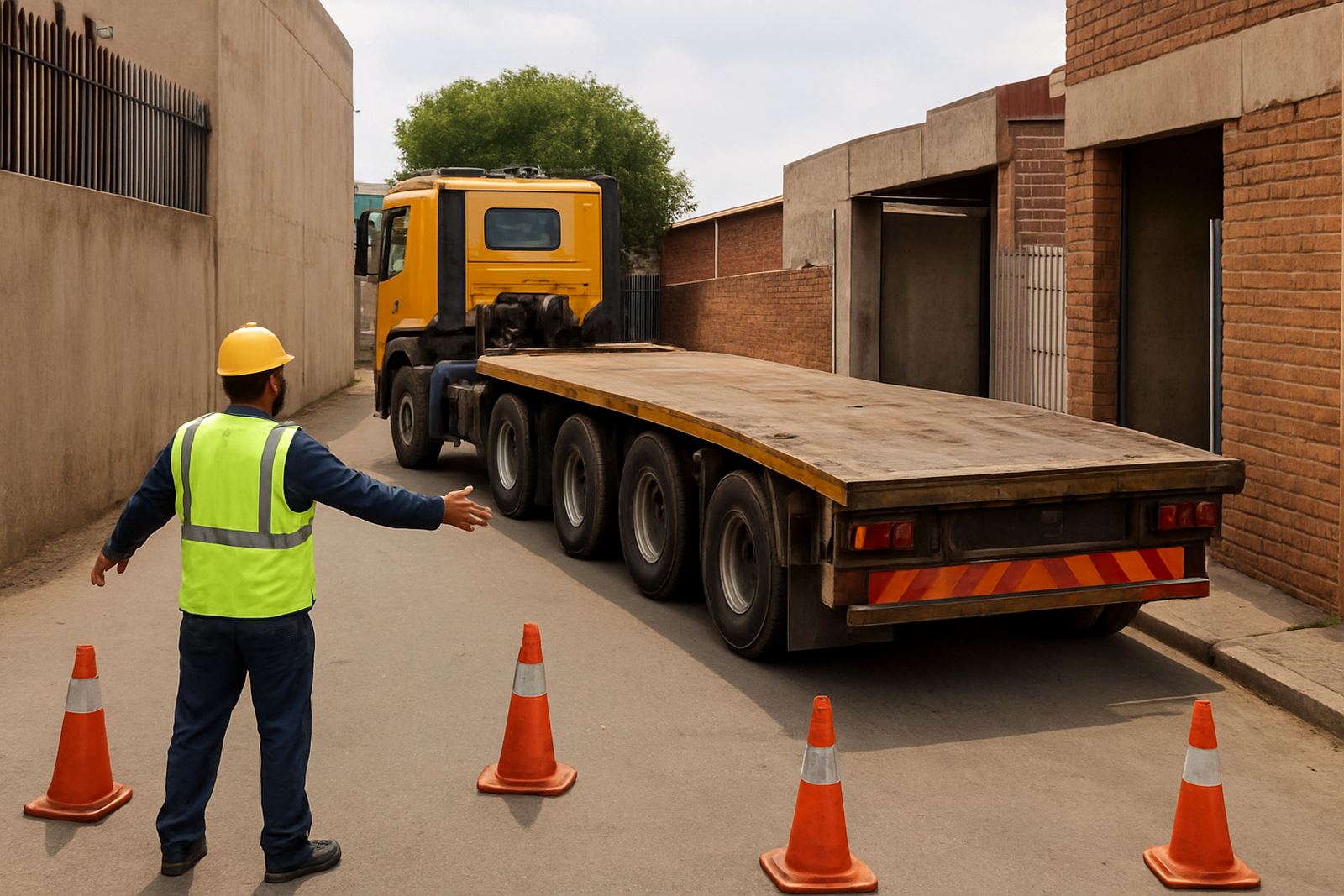
Before anyone starts reversing trucks or moving shuttering, check that the site can actually handle the pour. Access roads need to take delivery vehicles, mixers, pumps and any hired plant without bogging down. In Germiston, especially on sites close to busy industrial yards, a wet entrance or loose rubble can turn a simple delivery into delays. Make sure the route from gate to pour point is clear, level enough, and marked so drivers do not waste time asking where to offload.
Ground conditions matter just as much. If the sub-base is soft or uneven, the concrete will show it later. Compaction, formwork line, levels and reinforcement spacing should all be confirmed before the first load is due. A site walk the day before can catch small issues like blocked access, missing pegs, loose boards, or a trench that still needs trimming. Those are the jobs that cost time when ignored.
- Confirm the access route for mixer trucks and any plant
- Check the setout, levels and formwork line before delivery day
- Clear loose material, offcuts and standing water from the pour area
- Mark turning space, offload points and pedestrian paths clearly
Match the Plant to the Pour Size
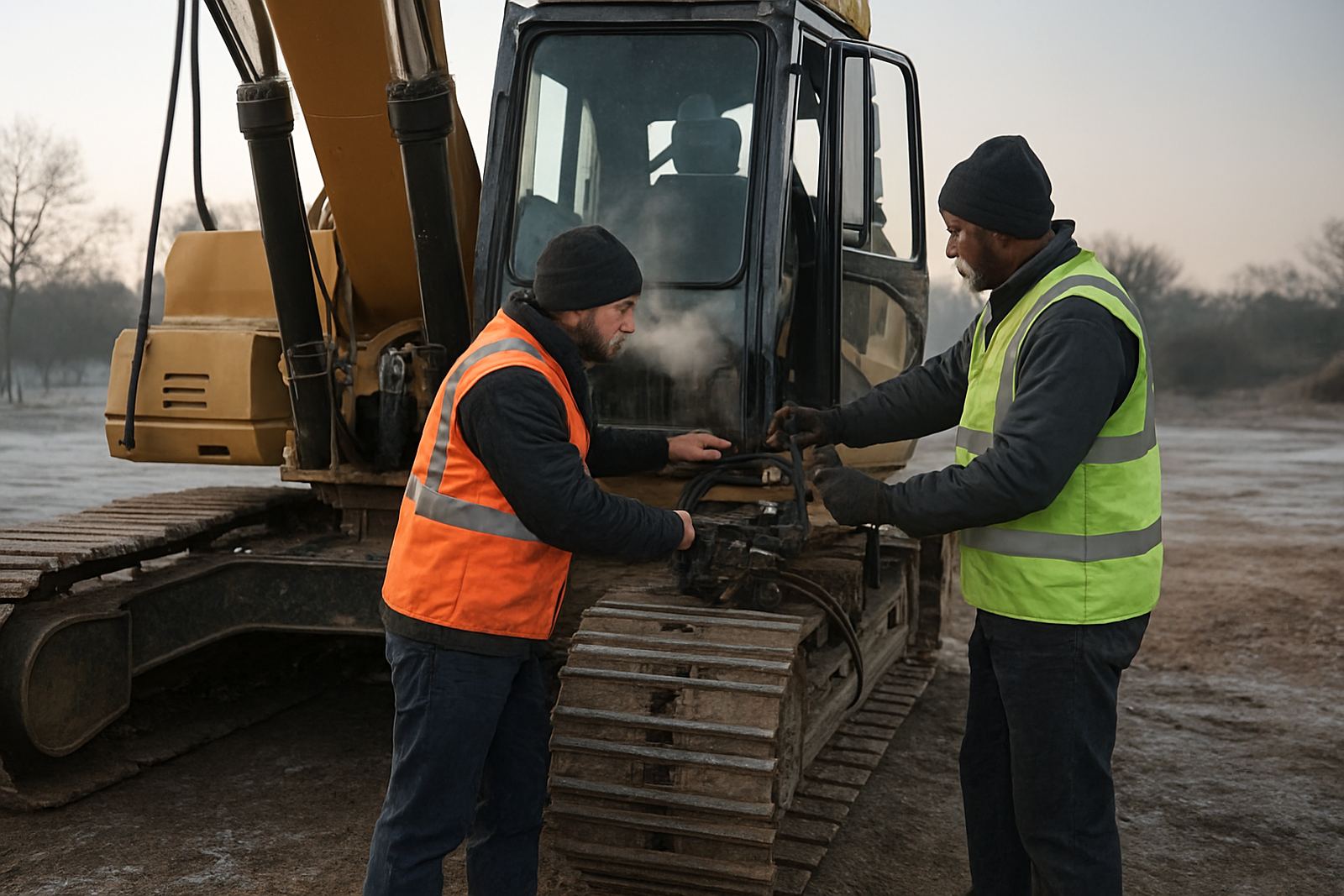
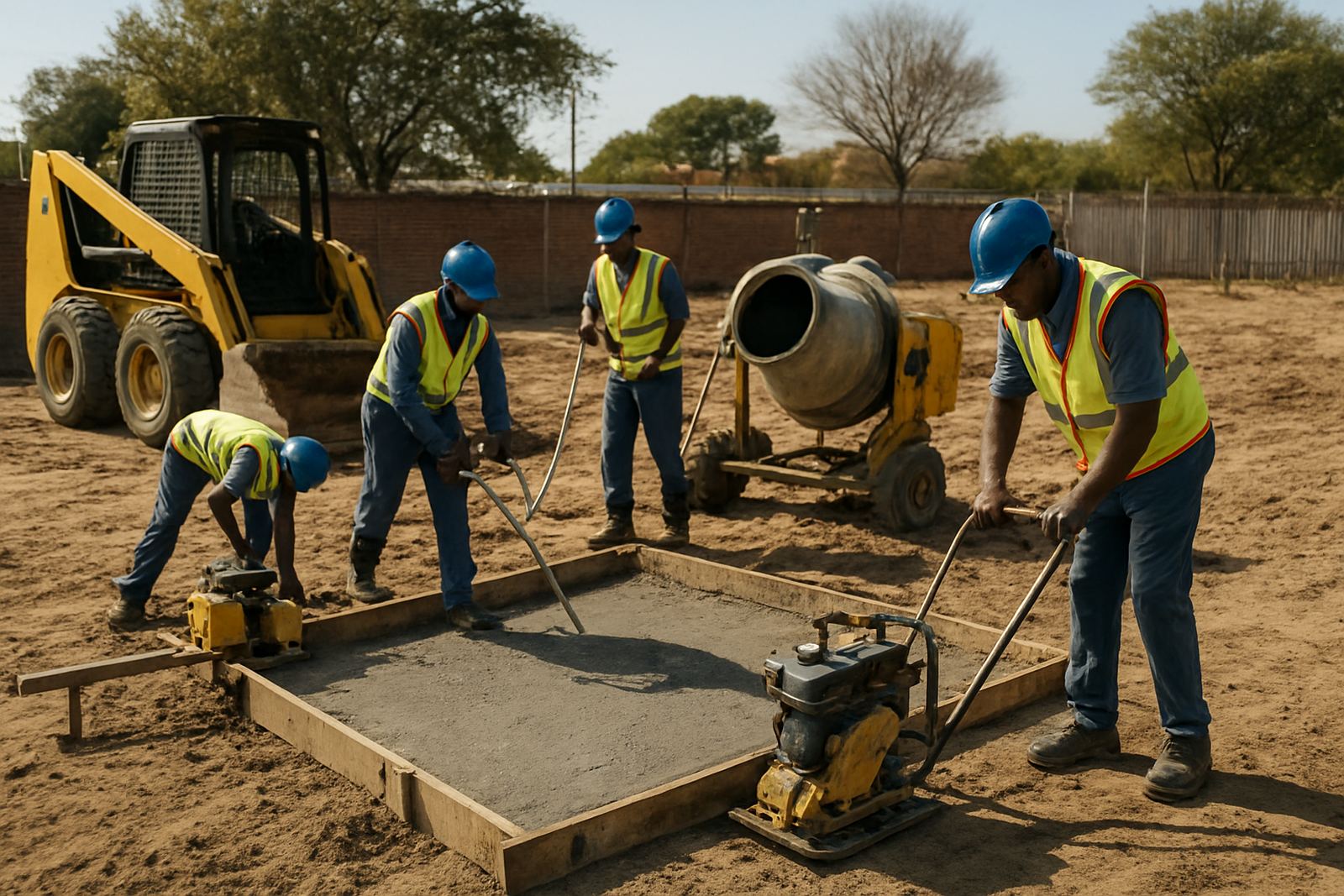
The right hire kit depends on the size of the pour and how far the concrete needs to travel. A small footing job may only need compact plant and a generator for tools and lighting, while a bigger slab may call for excavators for prep, scaffolding for access, and a pump setup if the pour point is hard to reach. Choosing too little equipment slows the pour, while too much can crowd the site and create safety problems.
For contractors working across Gauteng, plant planning should also factor in traffic, delivery windows and the available labour on site. A pour in Pretoria East is not the same as a fast turnaround job in Durban or a coastal site in Cape Town, where wind, salt air and tighter access can affect timing. Good planning means the hire items arrive in the right order and leave once their job is done.
- Use generators where power is unreliable or load shedding may affect mixers and lights
- Plan plant swop-outs for long pours so backup equipment is ready
- Order scaffolding only where safe access is needed for finishing or edge work
- Arrange same-day dispatch if the pour date moves suddenly
Check Power, Lighting and Backup Before the Pour Starts
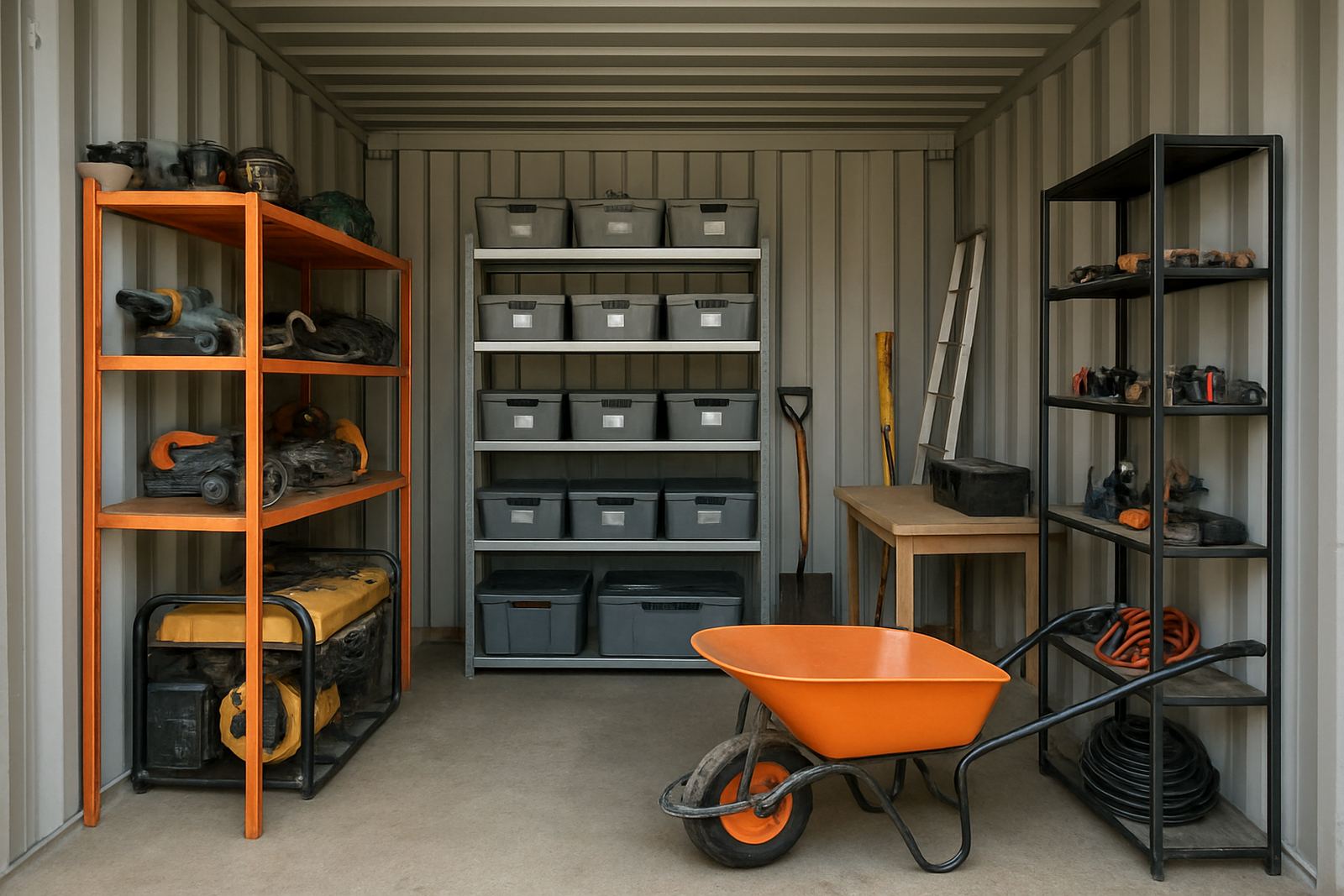
Concrete work does not wait for a power cut. If the site depends on electric mixers, vibration tools, lighting or pumps, the backup plan must be ready before the first load arrives. In South Africa, load shedding can interrupt finishing work at the worst possible moment. A generator sized for the job, with enough fuel on site, is often the difference between finishing on time and trying to repair a cold joint the next morning.
Do not leave backup planning until the concrete is already in the chute. Check cables, earthing, fuel levels and the starting system well in advance. If the site runs night shifts or early morning pours, test all lighting so the crew can see forms, edges and wet concrete clearly. Poor visibility leads to poor finishing and avoidable mistakes.
- Test generators under load before pour day
- Keep extra fuel on site where the pour may run long
- Check extension leads and sockets for damage or loose connections
- Make sure all working areas are lit for finishing and cleaning
Safety and Compliance Cannot Be Left for Later
A concrete pour brings moving vehicles, wet surfaces, lifting gear and tight time pressure into one place. That is why safety documentation should be ready before the first load. Induction records, method statements, PPE checks and access control all matter, especially on municipal and commercial jobs where site rules are strict. Missing paperwork can stop work at the gate, and no contractor wants that after ordering ready-mix and labour.
Keep the crew briefed on where the slip hazards are, which areas stay clear during delivery, and who gives the signal to start and stop. A safety lead should also check that the team knows where emergency contact points are and how to handle spills or breakages. It is practical work, not box ticking.
- Prepare safety documentation before delivery day
- Brief operators and labour on safe movement around the pour zone
- Keep walkways clear and dry where possible
- Separate public access from work areas with barriers or tape
Keep the Pour Moving With Good Coordination
Concrete pours go best when everyone knows the sequence. Site management, plant hire, operators and the finishing crew should all be working from the same plan. If the truck arrives before the shuttering is ready, the mix can start setting while everyone is still scrambling. If the finishing team is late, the surface may be harder to close properly. Good coordination cuts out those weak points.
At Germiston Depot and the nearby Midrand, Boksburg and Pretoria East areas, many projects need fast turnarounds because the site windows are short. That is where fleet planning and same-day dispatch help. When equipment can be swapped or added quickly, the job stays on track even if the weather changes or the scope shifts. An off-hire collection after the pour also keeps the site tidy and frees up space for the next phase.
- Confirm delivery times, pour sequence and finish times the day before
- Keep operator supply and backup labour arranged if the pour is large
- Have a named contact on site who can make quick decisions
- Book off-hire collection once the equipment is no longer needed
A Germiston Slab Job Shows Why Readiness Matters
One common example is a warehouse slab in Germiston where the contractor has a narrow morning window before traffic builds up. The team may need an excavator for last-minute trimming, a generator for tools and lighting, and water on site for cleaning equipment after the pour. If the access road is muddy from overnight rain, the first truck can struggle at the gate. If the backup power is not tested, the crew may lose time during finishing. Small issues stack up quickly on concrete day.
In that kind of job, preparation is not fancy, it is practical. Check the access, check the plant, check the power, and check the paperwork. The smoother those basics run, the better the pour will go and the less remedial work there will be later. A good pour is usually the result of jobs done right before the concrete ever leaves the batching plant.
When contractors plan properly, concrete work becomes more predictable. That means fewer delays, fewer wet setbacks and less pressure on the crew. It also keeps costs under control, which matters when you are trying to complete a slab, footing or extension on a tight programme.