Why city deliveries need a different plan
Urban hire deliveries are not the same as dropping equipment on an open site outside town. In Germiston, Sandton, central Durban or Bellville, the route, gate width, road works and surrounding traffic can change the plan in minutes. A machine that fits on paper may still struggle with a steep driveway, low tree branches, a narrow boom gate or a neighbour's parked cars.
That is why delivery planning starts before the truck leaves the depot. We look at the size of the machine, the weight, the access road, the turning circle and the time of day. If a site sits near a busy intersection or a school zone, an early morning slot often saves hours. On tight city jobs, those hours matter because labour, security and crane time all add up.
What we check before a machine leaves the depot
Good planning cuts delays and prevents damage to the machine, the property and surrounding traffic. Our hire coordinators and fleet team work through the basics before dispatch, then confirm the practical details with the client. For urban deliveries, the checklist is often more important than the load itself.
- Access width at the gate, yard or basement entrance
- Overhead clearance for cables, awnings, trees and signage
- Ground condition, including soft shoulders, kerbs and manholes
- Road restrictions, local construction activity and peak traffic times
- Off-load method, whether ramps, lowbed, crane or forklift support
- Site contact name and who is allowed to sign for the machine
If the site is in an area with municipal controls, we also check for loading bay rules, traffic marshals, permit needs and any restrictions that affect after-hours work. A small oversight can force a return trip and that is rarely good for the programme.
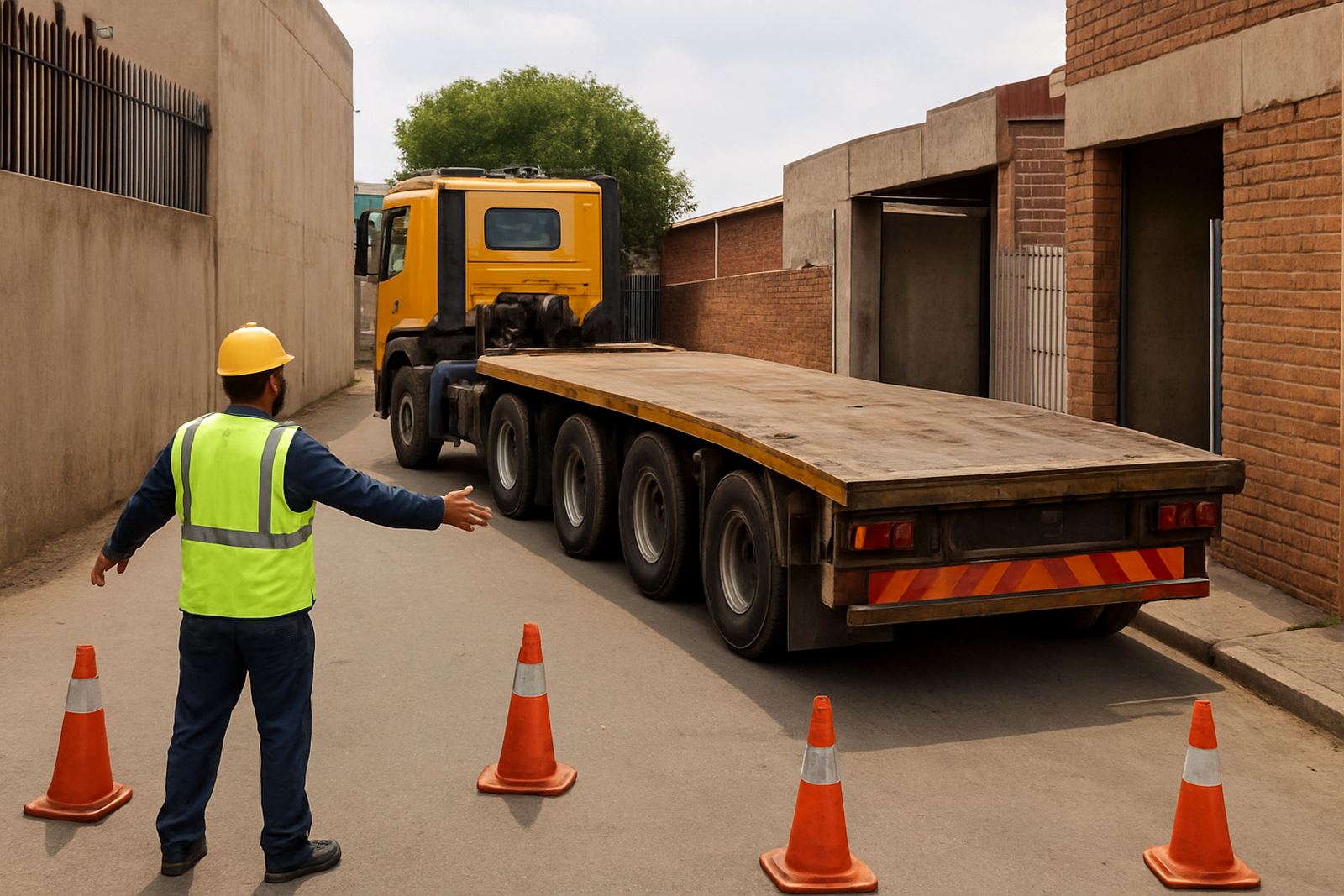
Tight entrances, live traffic and limited staging space
Many inner-city sites do not have room to stage machinery. A truck might arrive and find only a short laydown area, active pedestrians, or a road shoulder that cannot take the weight. In those cases, timing becomes part of the delivery method. A same-day dispatch does not help if the site can only receive equipment for 20 minutes between traffic peaks.
For compact sites we often recommend plant that matches the access rather than the biggest unit available. A smaller excavator or lighter generator may be the smarter choice if it means faster off-load and less disruption. In some cases, plant swop-outs are scheduled after hours so the outgoing unit can be removed first, then the replacement brought in once the entrance is clear.
Urban jobs often need a practical sequence:
- Confirm the delivery window with the site foreman
- Send photos of the entrance, gate and turning area
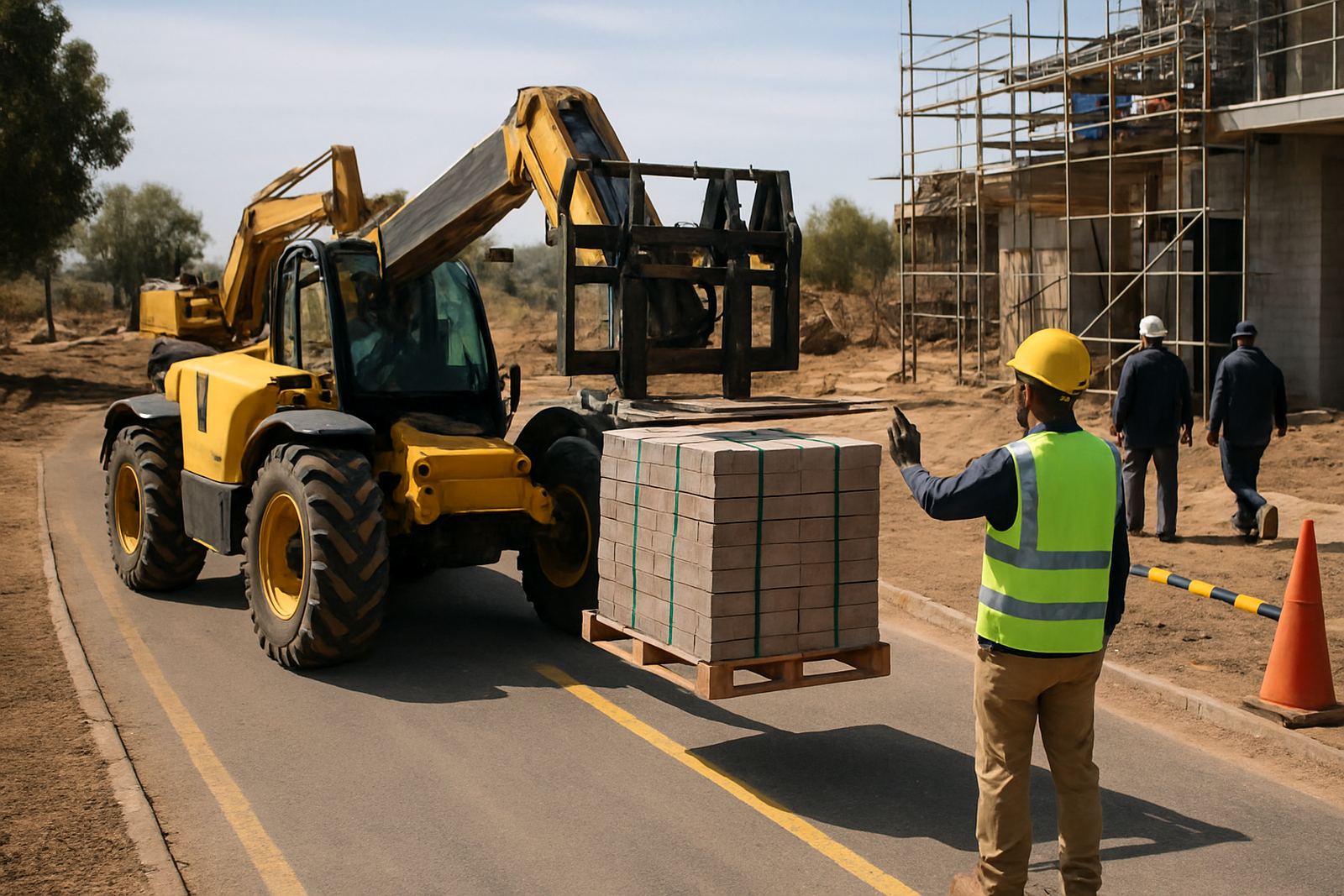
- Pre-plan the off-load position and any spotter requirements
- Keep pedestrian movement separated from the unloading zone
- Allow time for sign-off, fuel checks and safety documentation
Local example: Germiston to a constrained Johannesburg CBD site
A contractor working on a refurbishment near the Johannesburg CBD needed a compact excavator, a generator and scaffolding delivered from our Germiston depot. The site had a narrow access lane, overhead service lines and limited parking for support vehicles. A standard delivery at midday would have sat in traffic and blocked the lane, which would have upset the body corporate and delayed the crew.
We planned the job for early morning, used the smallest practical delivery vehicle and kept the off-load sequence tight. The generator went in first so the electrical team could start before the rest of the crew arrived, then the excavator followed once the lane was clear. Safety documentation was issued before arrival and the site contact was ready to receive the hire. The whole movement was completed with one visit, no backtracking and no time lost to city traffic.
This is a good example of why Johannesburg jobs often succeed or fail on logistics rather than on the machine itself. The right unit still has to arrive in the right order, at the right time, with enough space to unload safely.
Weather, load-shedding and coastal conditions change the delivery plan
Urban delivery constraints are not only about roads. In KwaZulu-Natal and along the Western Cape coast, humidity and salt in the air can affect plant that sits on a site for long periods. If equipment is due to stand for several weeks, we may recommend protection, more frequent on-site servicing or a different storage position to reduce exposure. On wet weeks, a neat urban yard can become slippery, and that changes both access and braking distance.
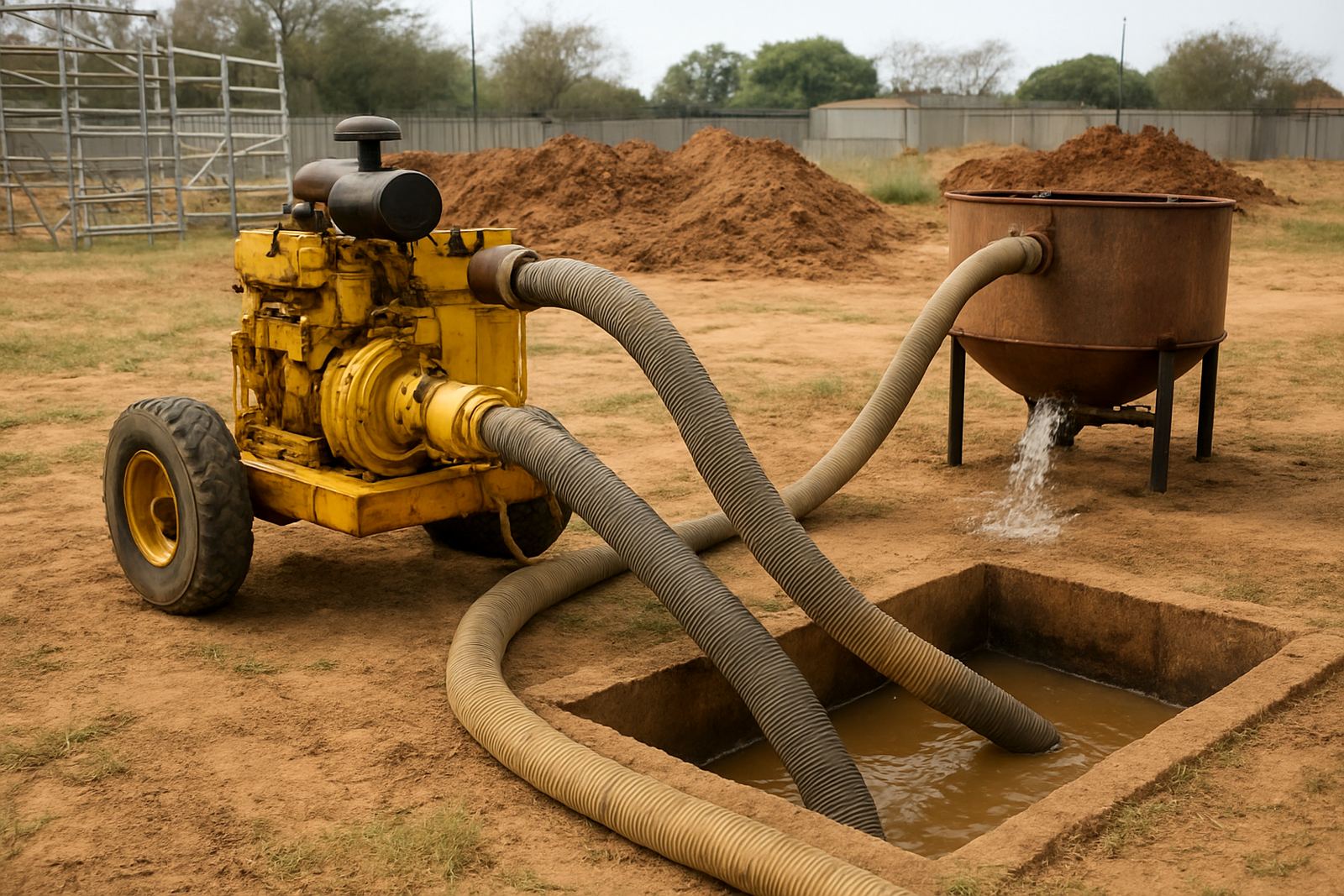
Load-shedding also affects the way a project is set up. When a site depends on a generator, delivery has to line up with fuel management, cable runs and the sequence of trades. If the generator arrives late, the rest of the schedule slips with it. That is why long-term hire on urban sites often works best when the delivery, servicing and fuel supply are planned as one package, not as separate jobs.
- Check whether the site has back-up lighting for evening off-loads
- Confirm fuel delivery points and safe storage space
- Make sure access gates still work during outages
- Allow for rain, standing water and slippery surfaces
How contractors can reduce delays and extra handling costs
Most delivery problems can be avoided with a few simple habits. Send clear photographs of the entrance before the truck is booked. Measure the tightest point, not just the main gate. Tell us if there are speed bumps, weight limits, steep ramps or security procedures. If the site changes daily, give updates before dispatch instead of after the truck is already on the road.
It also helps to decide early whether you need operator supply, weekend support or off-hire collections. A machine that is ready for use on arrival saves crew time and avoids a second callout. If the hire is likely to move between phases of the job, we can plan plant planning around the programme so the correct equipment is on hand when the next section opens.
For busy city work, a reliable delivery process is a practical cost saver. It keeps labour productive, reduces wear on the equipment and avoids the kind of stop-start day that eats into margins.
The right hire partner for crowded sites
Urban delivery works best when the hire team knows the fleet, the roads and the pressure that contractors face on live sites. At MachinesAfrica Rentals, our Germiston base supports deliveries across Gauteng, with additional depots in Midrand, Pretoria East, Boksburg, Durban, Pinetown, Cape Town and Bellville. That spread helps us position plant closer to the work and respond quickly when access changes or a breakdown interrupts the schedule.
Sibusiso Mthembu and the team keep the focus on practical service: clear handovers, safe off-loads, prompt breakdown response and support that fits the realities of city work. Whether the job is in a tight Johannesburg street or a coastal industrial park, the aim is the same. Get the equipment in safely, keep the programme moving and leave the site ready for the next trade.