Why tight programmes fail when the hire plan is too rigid
Fast-moving sites do not usually slip because one machine is late by a day, they slip because the whole sequence was planned as if nothing would change. A trench gets deeper than expected, a concrete pour moves forward, or a delivery truck cannot access the site after rain. Then crews wait, subcontractors stand around, and the cost starts climbing by the hour.
That is why tight programme hire is not only about getting a machine on site. It is about matching the equipment to the order of work, then allowing for changeovers without upsetting the rest of the job. On busy sites in Germiston, Midrand and Pretoria East, that often means thinking two steps ahead: what is working today, what changes tomorrow, and what can be swapped out with minimum downtime.
At MachinesAfrica Rentals, we see this on civil, commercial and industrial work where the contractor is juggling site access, labour, deliveries and compliance. The best hire plan leaves room for the unexpected without over-hiring equipment that will just sit there costing money.
Plan for peaks, not only the average day
Many programmes look manageable on paper because they are built around the average day. The trouble is that construction never performs on average. One day may need bulk excavation, the next may need lifting, drilling, or compaction. Tight programme hire works best when peak demand is identified early and covered before the site reaches that point.
Good planning starts with the sequence. If your earthworks will run into drainage installation, you may need an excavator, a compactor and a generator ready in staggered stages. If the structure is going up while finishes are starting below, then access equipment and scaffolding must be coordinated so teams are not blocking each other.
- Map each phase of the works and mark the likely pressure points.
- Identify equipment that must arrive before the first crew starts, not after.
- Allow for plant swop-outs where one machine is only needed for a short window.
- Keep a fallback option for breakdowns or weather delays.
This approach reduces idle labour and helps the site keep moving when the programme compresses. It also avoids hiring a larger machine for longer than needed, which can make the budget harder to protect.
When same-day dispatch matters more than a perfect schedule
Even the best plan can be shaken by a supplier issue, sudden rain, or a client decision that brings work forward. On those days, same-day dispatch and nearby depot cover make a real difference. For jobs in Gauteng, the ability to send equipment from Germiston, Boksburg, Midrand or Pretoria East can be the difference between keeping a crew productive and losing half a day.
For coastal work in Durban, Pinetown or Cape Town, weather and humidity can also change the game. Equipment may need to be moved or serviced quickly if conditions become hard on plant. That is why local depot support matters. It shortens response time and keeps the programme from stalling while everyone waits for transport from far away.
We also find that tight jobs often need a short-term hire decision to be made quickly, then adjusted after a day or two once the site reality is clearer. That is normal. What matters is having a team that can respond fast and still keep the paperwork and safety records in order.
Load-shedding, fuel use and generator planning on pressured sites
On a compressed programme, power interruptions are not a side issue. If the site loses electricity during loading, cutting, pumping or lighting, the knock-on effect can be serious. Generator sizing and fuel management should therefore be part of the hire plan from the start, not an afterthought when the first outage hits.
For contractors working under municipal constraints, it helps to know exactly which tasks must stay live and which can pause. Lighting towers, pumps, small tools and security systems often need separate consideration. A generator that is too small causes frustration, while one that is too large wastes fuel and adds unnecessary hire cost.
- Check which activities must continue during load-shedding.
- Keep fuel usage estimates tied to real shift lengths.
- Place generators where refuelling and ventilation are practical and safe.
- Ask for site-ready servicing intervals on long runs.
On short notice, a practical fuel plan is often as useful as the machine itself. It keeps the work moving and reduces the risk of a crew stopping mid-shift because the power plan was guessed instead of calculated.
Operator supply and safety paperwork cannot be left to the end
Pressure on time should never mean pressure on safety. When a job is running to a tight handover date, it is tempting to focus only on output and leave documentation for later. That is where trouble starts. Operator supply, safety documentation and site induction requirements all need to be lined up before the machine arrives.
In many cases, the fastest site is the one that has already cleared the admin. If the operator is briefed, the machine is suitable for the task, and the safety paperwork is in place, there is less chance of delays at the gate or during inspection. Nokuthula Khumalo and the compliance team keep this side of the process practical, especially where contractors need records for audits, client checks or municipal site rules.
The same thinking applies to off-hire collections. When a machine is finished, it should be removed quickly so it does not block access or create a billing dispute. A tight programme needs tidy changeovers on both the way in and the way out.
A Germiston example: one site, three phases, no room for slippage
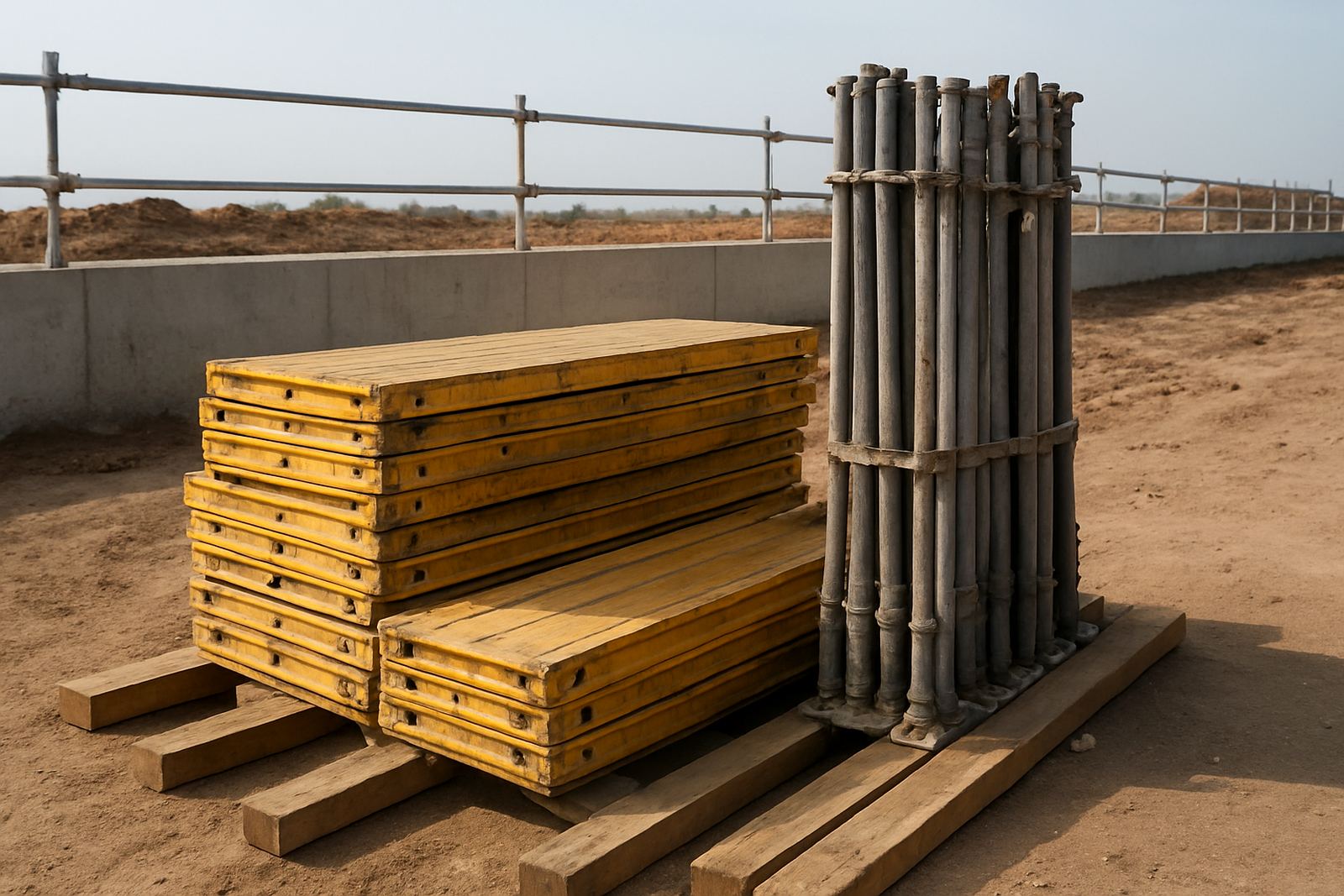
A commercial build near Germiston often runs with little margin for delay. Suppose the first phase is bulk excavation, the second is slab preparation, and the third is access and finishing. The site may need an excavator and truck support first, then a compactor, generator and scaffolding later, with a lighting solution added if crews are working beyond normal daylight hours.
In that sort of programme, Thabo Nkosi in the fleet team and Zanele Dlamini on hire coordination would usually look at the likely changeover dates and build the plan around them. If the slab pour moves forward, a plant swop-out can be arranged so the next item arrives before the first one leaves. If rain delays the earthworks, the off-hire collection may be held back a day while the site catches up. That flexibility saves the contractor from paying for dead time.
The lesson is simple: tight programmes are not only about speed, they are about sequencing. The right machine at the right hour keeps the rest of the programme intact.
What contractors should ask before they confirm hire
Before you confirm equipment for a pressured job, it helps to ask a few direct questions. The answers will tell you whether the hire plan is realistic or likely to cause problems once work begins. Sibusiso Mthembu and the team have built long-term hire support around these kinds of questions because they come up on nearly every demanding site.
- What is the exact start date and what happens if the sequence changes?
- Which machine is needed for the peak activity, and for how long?
- Can the supplier arrange site delivery and collection around access times?
- Is weekend support available if the programme slips?
- What happens if a machine breaks down mid-task?
If those answers are clear from the start, the site is far more likely to stay on schedule. Tight programme hire is less about luck and more about working with a supplier who plans for change instead of waiting for it.