Why clean plant matters before the first shift starts
Plant hire is usually judged by output, but cleanliness plays a bigger part than many crews expect. Dust, mud, concrete splash and pooled water can hide damage, make daily checks harder and create avoidable wear on moving parts. A machine that is cleaned as it is used is easier to inspect, easier to refuel and safer to hand over between operators.
On a Germiston site near busy industrial yards, you may get fine dust from demolition or stockpiles in the morning, then clay mud after a thunderstorm by lunch. If that dirt is left to build up, it can block filters, cover warning labels and make leaks harder to spot. Keeping hired plant clean is not about making it look new, it is about keeping it serviceable and easy to manage.
Build cleaning into the daily handover
The easiest time to deal with dirt is before it gets baked on. A quick clean at the start and end of each shift makes the next operator's job simpler and gives the foreman a better chance to pick up issues early. It also helps when a machine is moving between sites in Midrand, Pretoria East or further down to Durban where travel time can be tight.
- Brush off loose soil, rubble and cement dust before starting.
- Check the cab floor, steps, handrails and mirrors every day.
- Wipe glass and lights so the operator can see hand signals and edges clearly.
- Clear grilles and cooling areas so airflow is not restricted.
- Remove waste from the cab, including cable ties, rags and food wrappers.
A small routine like this takes only a few minutes but it helps the machine start the shift ready for work. It also gives the operator a chance to spot loose fittings, damaged hoses or signs of seepage before the job gets going.
Protect hydraulic points, filters and electrical areas
Some parts of hired plant must stay clean to keep working properly. Hydraulic couplings, fuel caps, battery terminals and air intake areas do not like caked dust or mud. If these areas are cleaned carefully and kept clear, the machine is less likely to overheat, lose power or suffer from contamination. That matters on long-term hire where the plant may be on site for weeks at a time.
In coastal conditions, especially around Durban and Cape Town, salt in the air can add another layer of trouble. Moisture and salt build-up can speed up surface corrosion and cause fittings to seize if nobody keeps an eye on them. A basic wipe-down after rain or after a wash can help stop that from becoming a bigger issue.
- Keep fuel caps closed and wipe the area before opening.
- Never spray water directly into switches, panels or bearings.
- Use a soft brush or cloth around sensitive parts.
- Make sure covers and guards go back in place after any inspection.
- If you see a damaged seal or exposed wire, report it immediately.
How to clean plant without causing damage
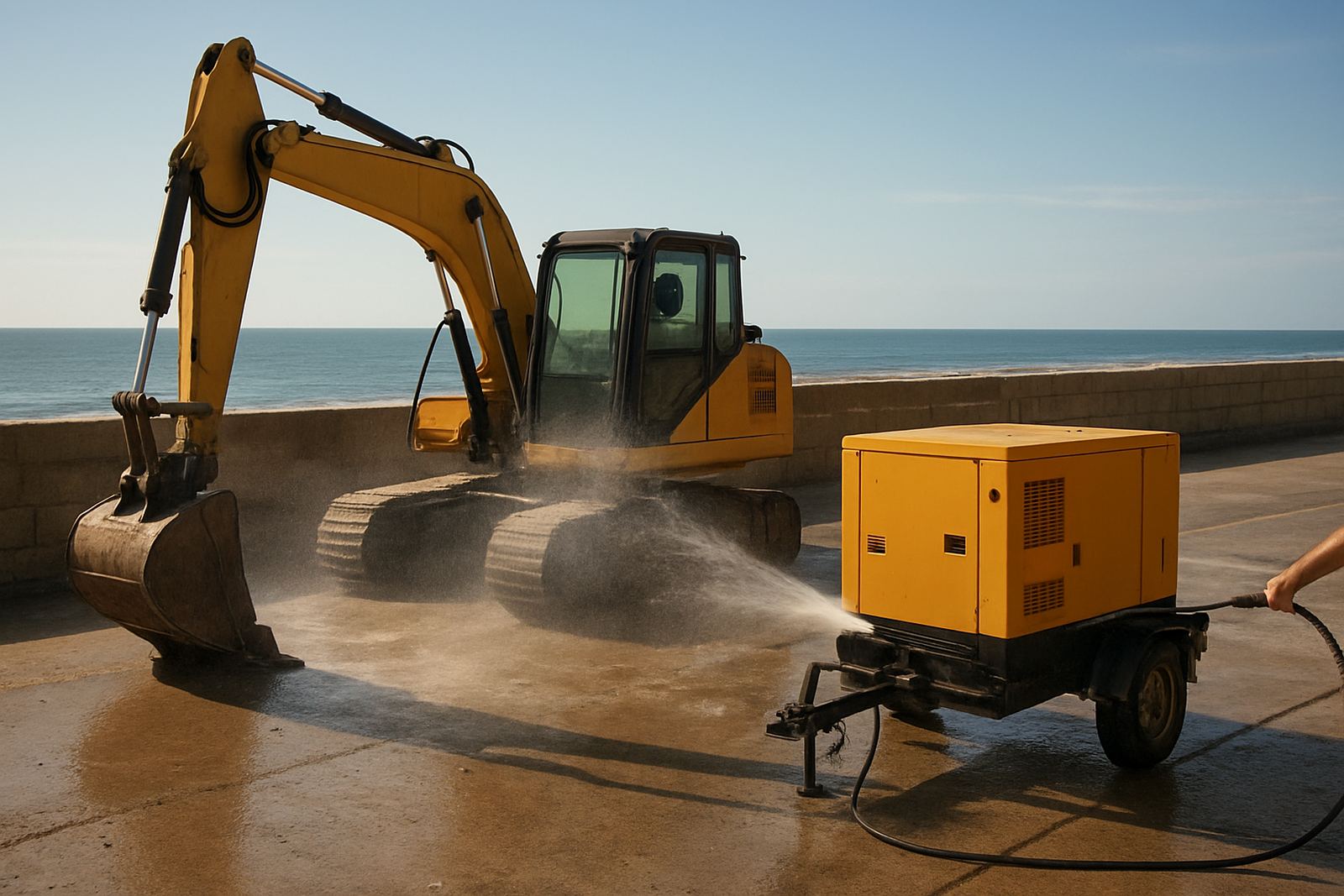
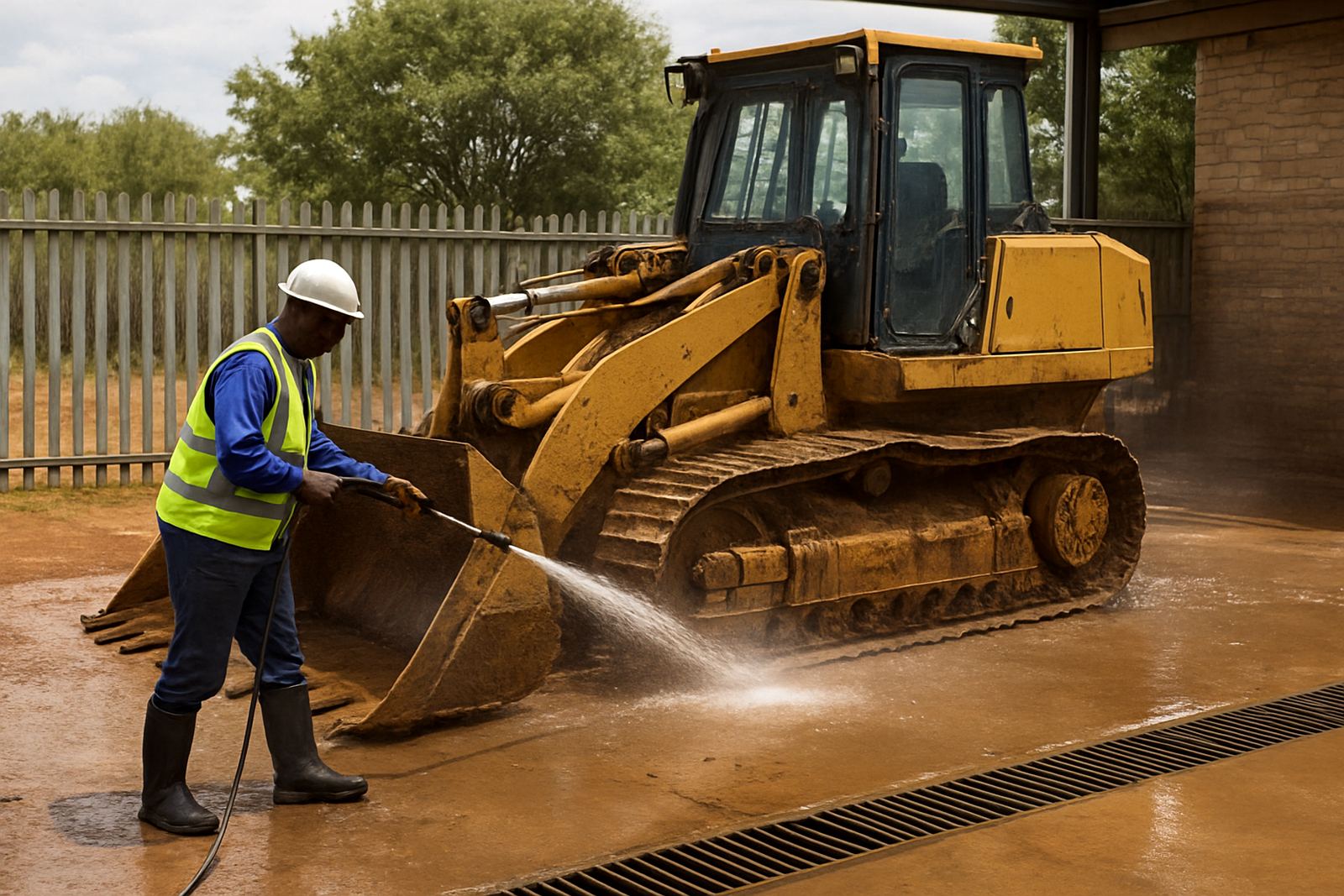
Not every cleaning method suits every machine. A pressure washer can be useful on undercarriages and muddy bodywork, but if it is used too close to electrical points, seals or bearings it can force water where it should not go. That can create more trouble than the dirt ever did. The right method depends on the type of plant and the conditions on site.
A practical approach is to clean from the top down and from the safe areas outward. Start with loose dirt, then work on the cabs, panels and accessible surfaces. Leave heavy washing to planned intervals or workshop checks. On a build in Boksburg, for example, a contractor using a telehandler in wet conditions may need a daily brush-off and a proper wash only after the weekend, rather than every single day.
It also helps to keep the right cleaning kit on site. A bucket, soft brush, cloths, a scraper for hardened mud and a designated wash area can prevent workers from using whatever is closest at hand. That simple control cuts down on scratched paint, broken lights and muddy cabs.
Off-hire returns are easier when the machine is kept tidy
When a hire period ends, a clean machine is easier to inspect and collect. Mud inside the cab, hardened concrete on steps or grease over the controls can slow down the off-hire process and make the return more complicated than it needs to be. Good housekeeping during the hire period usually means fewer disputes about damage and less time spent sorting out cleaning on collection day.
For contractors working to tight handover dates, this matters. If a generator has been sitting near wet ground or a scaffold tower has been used on a dusty fit-out, a quick clean before collection keeps the load ready for transport. It also helps the depot team check the equipment properly before the next booking, which supports faster turnaround and better fleet planning.
When an item is returned in fair condition, with the dirt from normal use but not left clogged or neglected, the process is usually smoother for everyone. That is especially helpful on weekend support jobs or plant swop-outs where there is little spare time.
A Germiston example from a mixed construction site
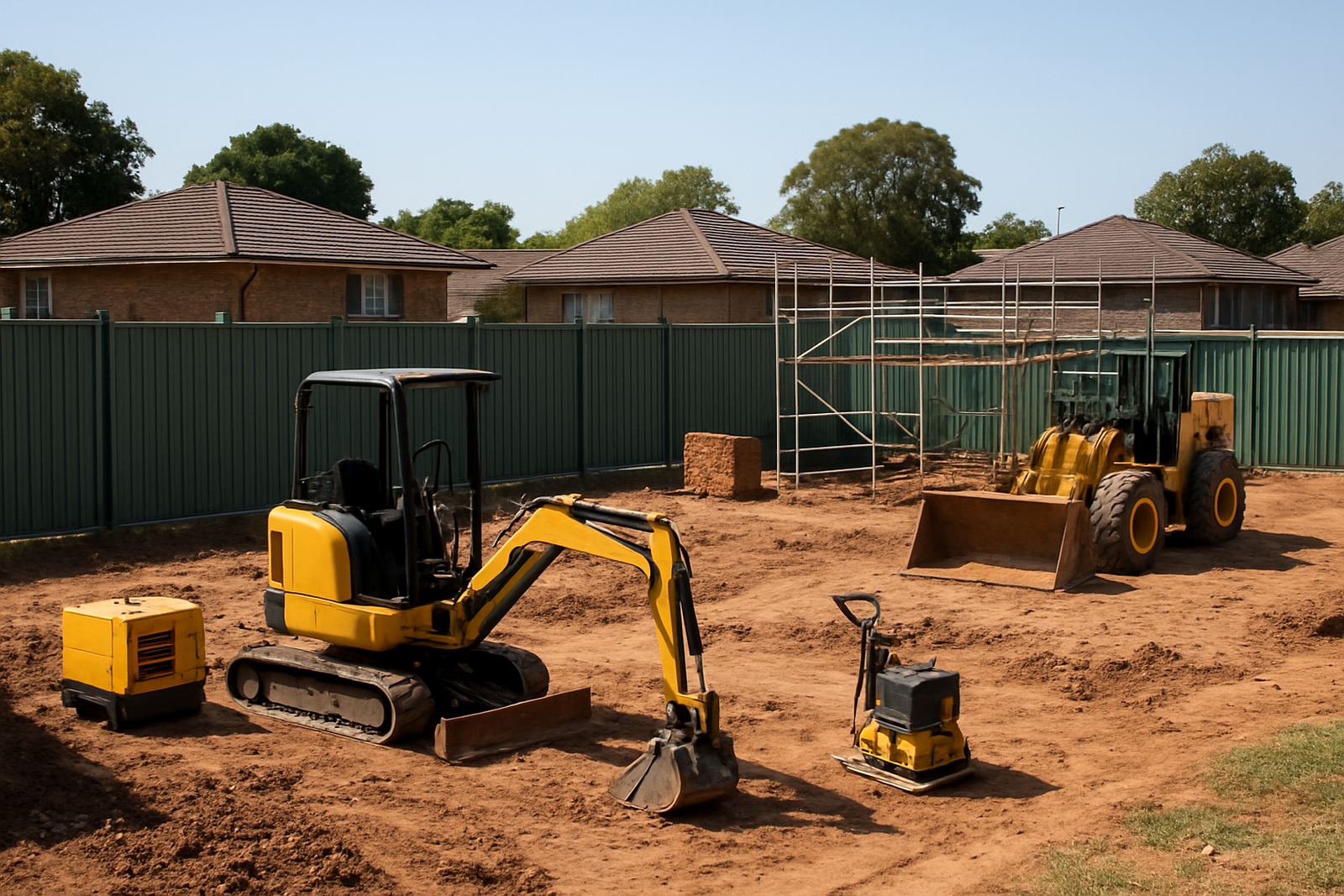
On a mixed-use site in Germiston, one contractor had an excavator, a generator and a small scaffold package working through the same month. The excavation area was dusty, the access road turned to mud after rain and the generator sat close to a concrete pour. Rather than leave the cleanup for the end, the site team set one person to do a short plant check at shift change.
They brushed off the tracks, cleared mud from the steps, wiped the cab glass and kept the generator vents clear. When the concrete crew splashed some mix onto the machine body, they removed it the same day before it set hard. The result was simple: fewer calls for breakdown response, quicker daily start-ups and an easier off-hire collection when the work was done. Nothing special, just consistent care.
Simple site rules that keep hired equipment serviceable
If a site wants hired plant to stay in good shape, it helps to set a few clear rules and stick to them. The rules do not need to be complicated, but they should be understood by all operators and spotters. That is especially important where more than one contractor shares access or where machines move between areas with different ground conditions.
- Assign one person to do the daily cleanliness check.
- Keep wash water and waste runoff away from drains and stormwater channels.
- Do not let cleaning materials block walkways or fire points.
- Report mud packed around tracks, wheels or underguards before it hardens.
- Store cleaning kit in a dry place so it is available when needed.
Good housekeeping is not separate from machine care, it is part of it. For hire fleets working across Gauteng, KwaZulu-Natal and the Western Cape, a clean machine is easier to inspect, easier to move and usually less trouble on site.