
Why handling matters before the first pour
Formwork is often treated as if it can take anything, but poor handling is one of the quickest ways to shorten its working life. A bent frame, chipped board edge or twisted prop might not stop a pour on day one, but it can slow the next pour and push up repair costs later. On Gauteng sites where programs are tight and concrete crews are booked back-to-back, that lost time matters.
The main point is simple: formwork should be moved, stored and checked with the same care as any other hire item. Good handling protects alignment, keeps surfaces cleaner, and helps crews work faster because they are not fighting damaged pieces. It also supports safer work, especially where lifting happens close to reinforcement, wet ground and moving plant.
Moving panels and props without unnecessary damage
Most damage happens during loading, unloading and short moves around site. Panels get dragged across concrete, props are dropped from tray heights, and smaller fittings are tossed into bins with no sorting. That is when threads strip, pins disappear and timber faces split.
- Lift panels with slings or suitable brackets rather than dragging them along the ground.
- Keep props upright in bundles and secure them before transport between areas.
- Separate pins, clamps, ties and accessories into marked containers so they are not lost or bent.
- Never stack heavy items on top of face materials or edge protection.
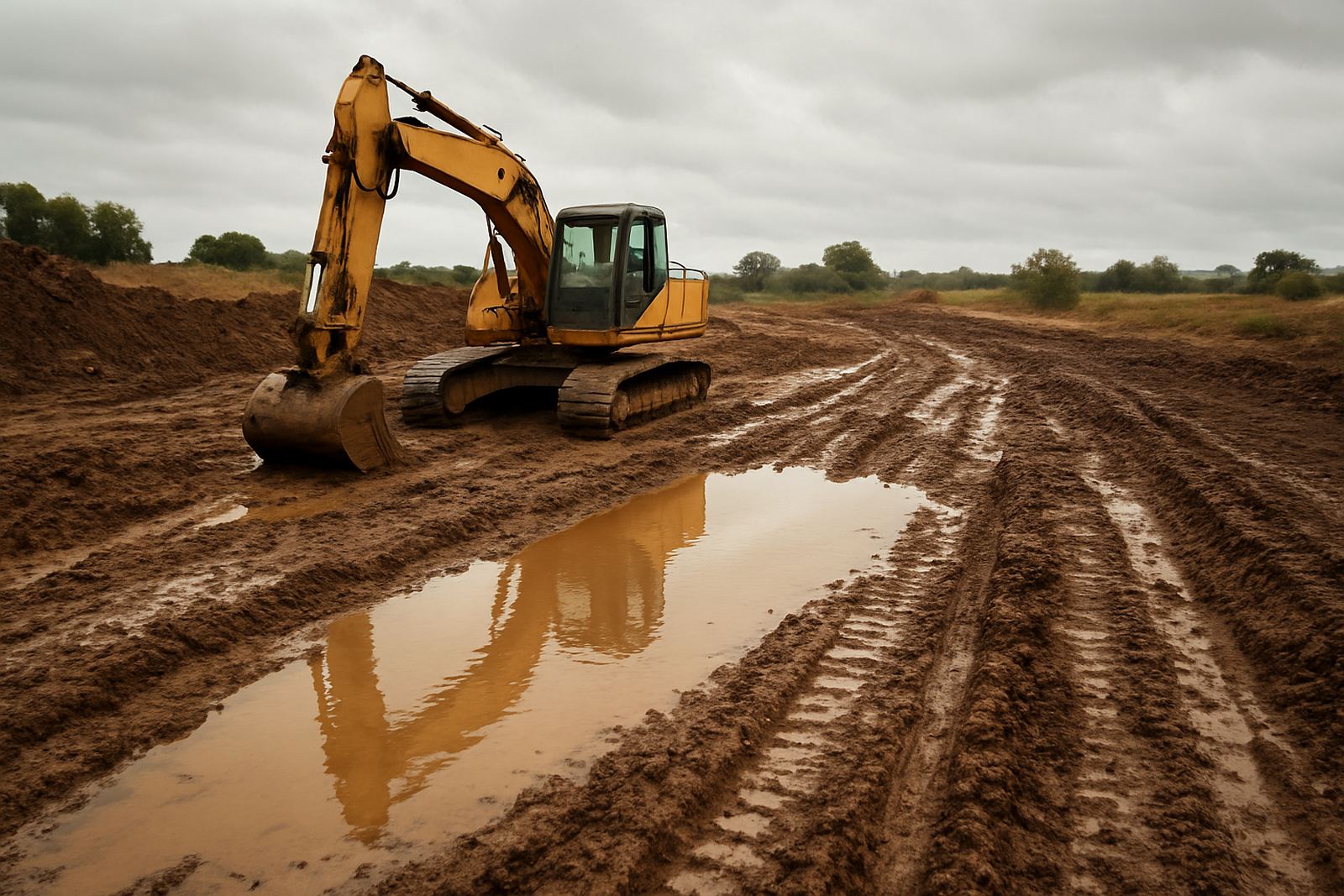
- Use clean loading areas, not muddy patches where grit can score boards and plates.
On wet days in Durban or when coastal moisture hangs in the air, moisture can also make boards swell and steel fittings rust faster. A quick wipe down before stacking can save a lot of trouble later. It is a small habit, but it counts.
Storage practices that keep formwork ready for re-use
Storage is where a lot of value is lost. If panels are left flat on uneven ground, they can warp. If props are stored with mud inside the tube, they seize. If release agents, oil and cement paste are left to dry on surfaces, the next clean-up takes longer and the finish suffers. Proper storage is not complicated, it just needs routine.
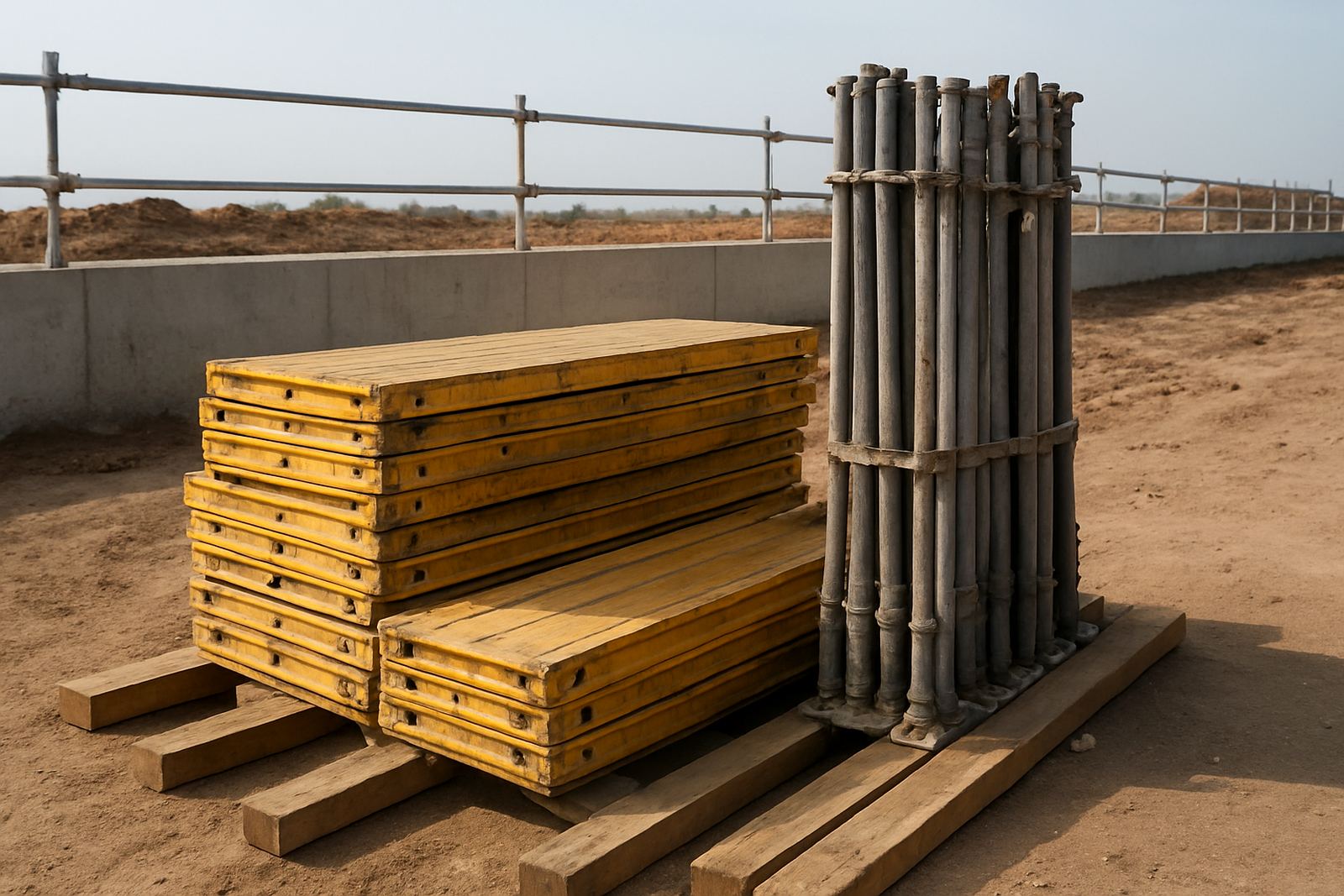
Crews should keep formwork off the soil, under cover where possible, and arranged so that air can move around it. On long-term work in Midrand or Pretoria East, a simple covered laydown area with pallets or bearers is often enough to protect stock between pours. In coastal branches such as Cape Town and Durban, extra care is needed because salt in the air speeds up corrosion on exposed steel.
- Store panels on level bearers, never directly on bare ground.
- Keep steel components dry and separated from wet timber or soil.
- Stack by size and type so the next crew can find the right pieces quickly.
- Cover but do not seal in moisture, as trapped damp can lead to rust and mould.
Checks before off-hire or the next cycle
A formwork set should be checked before it goes back into service. That is the moment to catch bent corners, cracked ply, damaged ties, missing pins and worn threads. If these issues are picked up early, the repair list is smaller and the next hire period runs more smoothly. Waiting until the site is ready for the next pour usually means everybody loses time.
A practical check should be quick, repeatable and done by the same person or team where possible. At MachinesAfrica Rentals, fleet planning and workshop support are built around this kind of routine inspection, so clients can keep their programmes moving without unnecessary stoppages.
- Check frames for bends, cracks and loose welds.
- Inspect timber or board faces for splits, swelling and surface damage.
- Test props, clamps and threads for smooth movement and secure locking.
- Remove concrete build-up before it hardens and becomes a problem.
- Separate out damaged pieces for repair rather than putting them back into general use.
Keeping crews safe during handling and stacking
Safe handling is part of good project control. A formwork panel can be awkward to carry, and a bundle of props can shift suddenly if it is not secured. When a site is running under pressure, crews may rush the lift or stack materials too high. That is when injuries and damage happen at the same time.
It helps to plan the route from laydown area to pour point before the shift starts. Clear pathways, level access and enough space for lifting equipment all make a difference. Where operator supply is used, the person moving the material should know the weight, the balance point and the ground conditions. On steep or uneven sites around parts of Johannesburg and Germiston, that planning is essential because a small slope can turn a simple move into a hazard.
It is also worth keeping safety documentation on hand so crews know what lifting methods and storage limits apply. Municipal inspections, site audits and principal contractor rules can all be stricter than expected, especially on larger commercial jobs.
A Germiston example from a busy concrete schedule
On a recent project in Germiston, a contractor had a tight cycle for slab and edge beam work, with only a narrow window between pours. The team set aside one covered corner of the yard for formwork only, used pallets to keep panels off the ground, and assigned one person to check props and accessories at the end of each shift. That small bit of discipline reduced losses and stopped the crew from wasting time searching for missing fittings.
They also arranged off-hire collections in batches instead of sending back mixed loads one by one. That made the returns faster and kept the site clearer. In practice, the biggest gain was not just fewer damaged parts, it was the steady pace that came from knowing the next set was ready when needed.
For contractors working between Gauteng, KwaZulu-Natal and the Western Cape, the lesson is the same. Good handling is not a side task. It is part of keeping the pour sequence on track and protecting the hire budget from avoidable losses.
Simple habits that save time and money
Formwork lasts longer when the site treats it as a controlled asset instead of loose material. The best results usually come from a few simple habits repeated every day, not from complicated systems. Once crews know where to stack, how to lift and who checks what, the equipment stays in better shape and re-use becomes easier.
- Keep formwork grouped by type and size from delivery to off-hire.
- Plan a dry, level storage spot before the truck arrives.
- Use the right lifting method for the load, even on short moves.
- Clean equipment before it is stacked away for the next use.
- Record damage early so repair or replacement can be arranged without delay.
That kind of routine suits both large contractors and smaller builders. It protects margins, cuts waste and helps each hire cycle run cleaner. On a site where every day already has enough pressure from weather, labour and load-shedding, there is real value in keeping the formwork side simple and orderly.