Why trench access should be planned before digging starts
On many South African sites the trench itself is only half the job. The other half is getting people, tools, spoil and plant to the working face without damaging the edge or blocking other trades. If the access route is too narrow, the crew ends up walking too far, dragging hoses across mud, or parking machinery where it should not be. That is when incidents start.
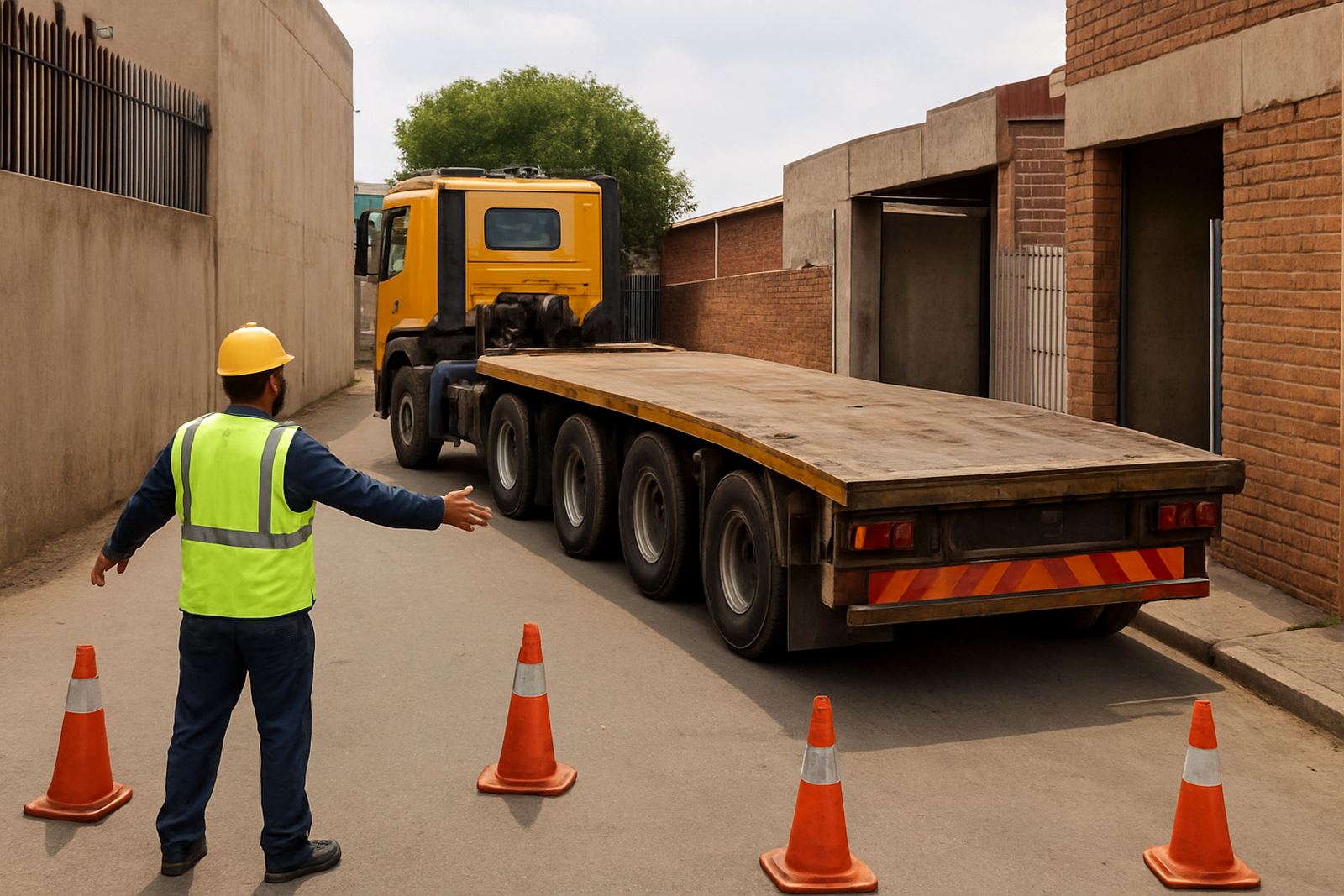
A proper access plan begins at the gate. Check where delivery trucks will turn, where the spoil will be stockpiled, and which side of the trench needs a clear walkway. In Germiston, where industrial yards can be busy and space is often shared with materials storage, this planning matters even more. One bad turn can hold up a whole shift.
It also helps to think about the trench in stages. An open section that is safe in the morning may become slippery by afternoon after water seepage or a quick storm. If the route in is not maintained, workers may start crossing the trench line in unsafe places. A good route keeps plant moving and keeps people away from unsupported edges.
- Mark entry and exit points before the first excavation cut
- Keep spoil at a safe distance from the trench edge
- Leave enough space for rescue access if there is an incident
- Plan for pedestrians, not only machines
Dewatering that keeps the trench workable, not just dry-looking
Water in a trench is never only a nuisance. It softens the base, reduces visibility and can weaken the sides, especially in loose soil or where backfill has already been disturbed. In Gauteng summer storms the level can rise quickly and leave the crew waiting while the clock keeps running. Along the coast, humidity and wet ground can keep a trench damp for much longer than expected.
Dewatering must suit the size of the trench and the rate at which water enters it. A small line trench for services needs a different approach from a deeper excavation for foundations or drainage. If the pump is too small, the trench will never stay clear. If it is too large, the suction can pull in fine material and wash out the base. That creates more trouble later when pipes or cables are laid.
The cleaner approach is to use dewatering as part of the sequence, not as a last-minute fix. Place hoses so they do not trip workers, keep discharge away from neighbouring properties and check where the water is going. Municipal stormwater by-laws in and around Johannesburg are not something to leave until the end of the job. A site that looks tidy can still fail inspection if runoff is directed into the wrong place.
- Use pumps sized for the actual inflow, not guesswork
- Keep discharge lines clear of walkways and vehicle tracks
- Inspect the trench after every heavy rain or burst pipe event
- Protect nearby stockpiles from washing into the excavation
Compact plant that can work close to the edge without creating new risks
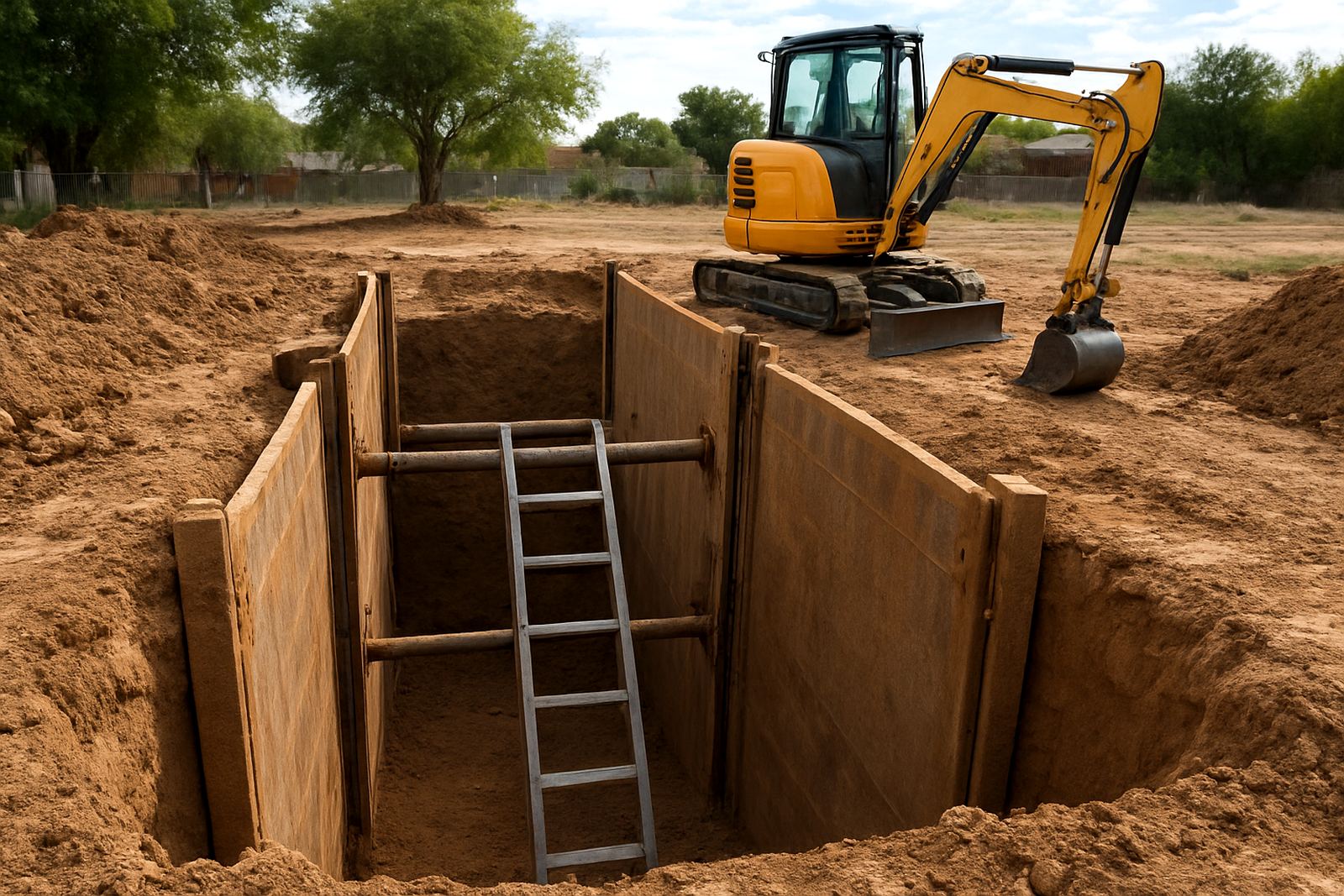
Trench access often calls for smaller plant rather than the biggest machine on the fleet. Compact excavators, small loaders, generators and light compaction equipment can do the job with less ground pressure and less disturbance to the site. That matters on cramped residential developments, retrofit projects and service corridors where every metre counts.
The right machine should match the trench width, depth and surrounding ground conditions. A heavy excavator parked too near the edge can cause the sides to crumble, especially when the soil is saturated. A smaller unit may take slightly longer but can often work more safely and with better control. On narrow sites in Pretoria East or Boksburg, that trade-off usually saves time in the end because there are fewer stoppages.
Operators also need room to swing, tip spoil and reverse without crossing into unsafe ground. If the access route is too tight, the answer is not to push the machine harder. It is to change the setup. That may mean moving spoil, bringing in a smaller unit, or using a swop-out so the site keeps moving while a machine is serviced or replaced.
- Choose compact plant for narrow service trenches and confined yards
- Keep machine tracks back from unsupported edges
- Use plant with enough reach so operators do not overextend
- Allow turning space for safe loading and off-loading
What good trench access looks like on a live construction site
Good trench access is visible in the small things. Workers are not climbing over materials, the spoil is stacked in a controlled way, and the route to the trench is dry enough to walk on without slipping. A site like that is easier to supervise, easier to clean up and less likely to stop when one trade finishes and another needs the same space.
On a live site, access changes through the day. A delivery may arrive, the footing may be deeper than expected, or the weather may turn. The site team should be able to adjust without creating chaos. That is where planned hire helps. If the fleet is sized correctly and the delivery schedule is clear, the contractor can bring in the right equipment when needed instead of leaving unsuitable plant on site for too long.
For trench work, the practical signs of a well-managed setup are simple: clear walkways, stable ground, proper lighting when work runs late, and no water pooling at the bottom. If a team has to keep stopping to move materials or pull equipment out of mud, the access plan is not working.
Local conditions in Gauteng, Durban and Cape Town change the rules
Not every trench faces the same conditions. In Gauteng, dry ground can become hard and uneven, then turn soft after a storm. In Durban and Pinetown, high rainfall and humidity make dewatering and drainage part of the daily routine. In Cape Town and Bellville, wind and sandy or variable ground can shift spoil and complicate edge protection. The same trench method does not fit every region.
That is why hire planning should be site specific. A trench that runs near an existing road reserve may need different access controls from one inside a secure commercial park. If the project is near active traffic, the delivery window and collection timing matter as much as the machine itself. Off-hire collections and same-day dispatch help when a site has to move quickly or when an unexpected breakdown threatens the programme.
For contractors working across more than one province, the best result usually comes from keeping the plant list simple and focused. That reduces confusion, shortens setup time and makes it easier to maintain safety standards from one depot area to the next.
How MachinesAfrica Rentals supports safer trench operations
Safe trench access is not only about supplying machinery. It is about matching the equipment to the ground, the sequence of work and the conditions on site. MachinesAfrica Rentals supports trench-related jobs with site deliveries, long-term hire, weekend support, plant swop-outs, breakdown response, on-site servicing and safety documentation. That helps contractors keep the trench open and the programme steady.
From Germiston, the team works with sites across Gauteng, KwaZulu-Natal and the Western Cape, including depot support in Midrand, Pretoria East, Boksburg, Durban, Pinetown, Cape Town and Bellville. The fleet planning team can help arrange compact plant for tight access, generators for power on sites dealing with load-shedding, and operator supply where extra hands are needed for safe operation.
Behind the hire process is a practical management team led by Sibusiso Mthembu, with support from Annelie van Wyk, Thabo Nkosi, Zanele Dlamini, Willem Erasmus and Nokuthula Khumalo. Their focus is simple: keep the equipment reliable, keep the paperwork in order, and make sure the site can keep moving without unnecessary downtime. For trench work, that often makes the difference between a smooth day and a costly delay.
If your trench needs better access, drier working conditions or smaller plant that can move safely around the edge, the right hire plan is worth sorting early. It saves labour, protects the excavation and keeps the crew focused on the actual build.