Why off-hire prep matters at the end of a job
When a project starts winding down, the last week can get messy fast. Trades are packing up, final pours are still curing, and everyone is trying to clear access roads before the client walkthrough. That is exactly when off-hire prep matters most. If the site is not ready when collection is booked, the machine sits on site longer than planned and the job starts carrying avoidable costs.
Good preparation also protects you from practical problems. A unit collected with mud caked around the tracks, loose parts in the cab or missing accessories often leads to delays at the depot and questions at inspection. In Johannesburg, Germiston, Durban or Cape Town, collections can be tight around traffic, weather and security gates, so the more organised the site is, the easier the handover.
At MachinesAfrica Rentals we see this every week. The sites that plan off-hire properly are the ones that finish cleaner, safer and with less back-and-forth. It is not fancy work, just sound site discipline.
Strip the machine back to how it was delivered
Before collection day, the machine should be put back into its proper hire condition. That means removing all site material, checking for loose accessories and making sure nothing personal or project-specific is left inside the cab, canopy or storage areas. Small things like tools, tags, extension leads and paperwork are often overlooked, then they go missing in the final rush.
- Remove fuel cans, buckets, slings, chains and loose attachments not listed for return
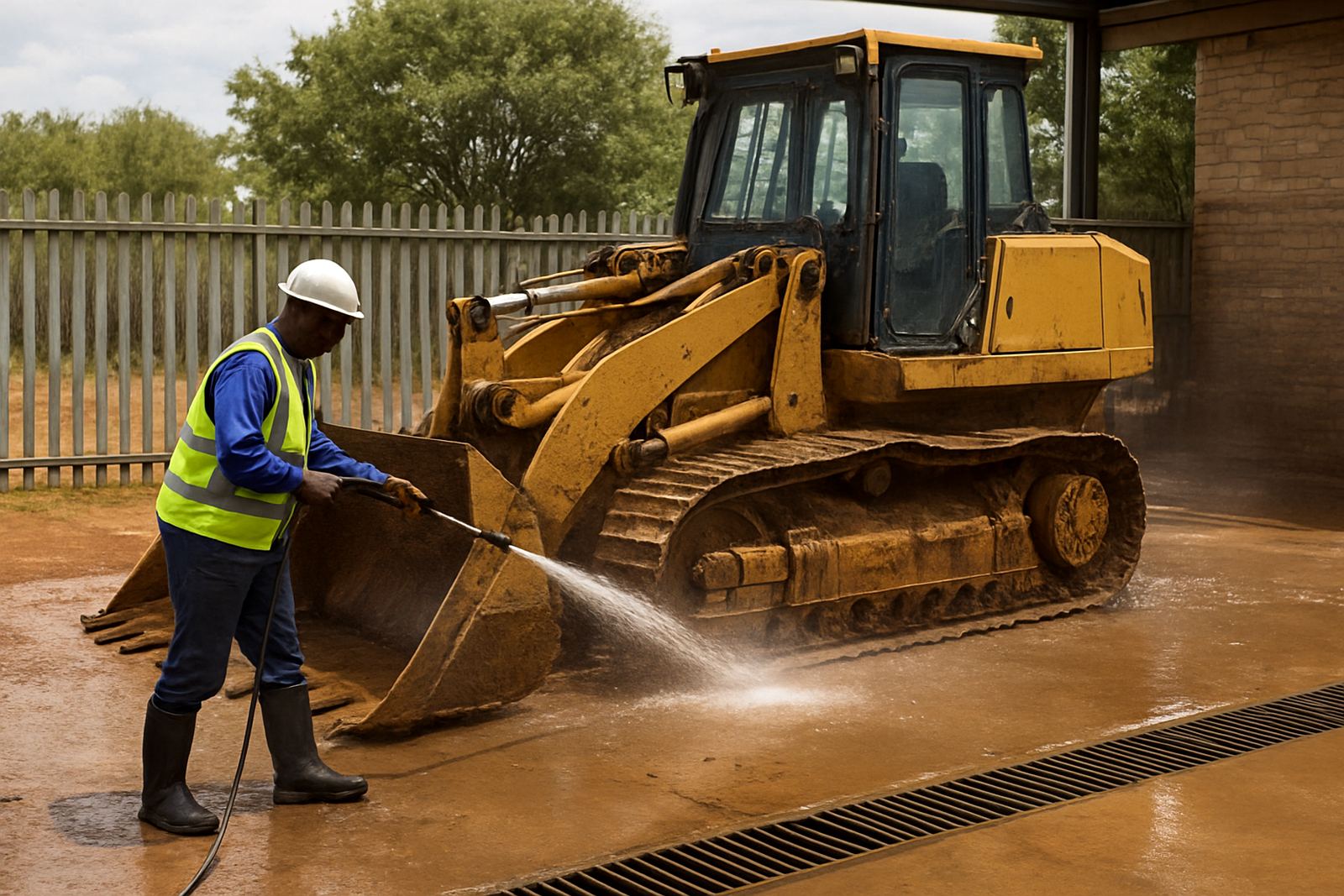
- Clear mud, concrete splash, plaster, sand and rubble from tracks, tyres and undercarriage areas
- Take out waste bags, bottles, rags and packaging from the cab and operator area
- Check mirrors, lights, guards and safety decals for obvious damage
- Return keys, remotes, chargers and manuals with the unit if they were supplied
A clean return is not about making the machine look pretty. It helps the inspector see the actual condition of the equipment and saves time on site. If the plant is going back to a depot in Midrand or Boksburg, clean access also helps loading crews work faster and safer.
Record condition before the collection team arrives
Take a few clear photos before the off-hire truck arrives. Do this while the machine is still in the state it will be handed over in, not after someone has already started loading. Good photos should show the full machine, the hour metre, any visible damage, the cab interior and the general state of the surrounding area.
This step is especially useful on longer hires, where many people may have used the machine over several weeks. It gives you a simple reference if questions come up later about wear, missing items or site damage. It is also a practical protection for both sides because everyone can see what was returned and when.
Keep the collection note or off-hire instruction with the site file, and make sure the person in charge knows who signed it. If there was a repair issue during the hire, note it clearly so the workshop team can check it on return. That little paper trail can save a lot of time later, even if the job was hectic.
Make the access route ready for a truck and lowbed
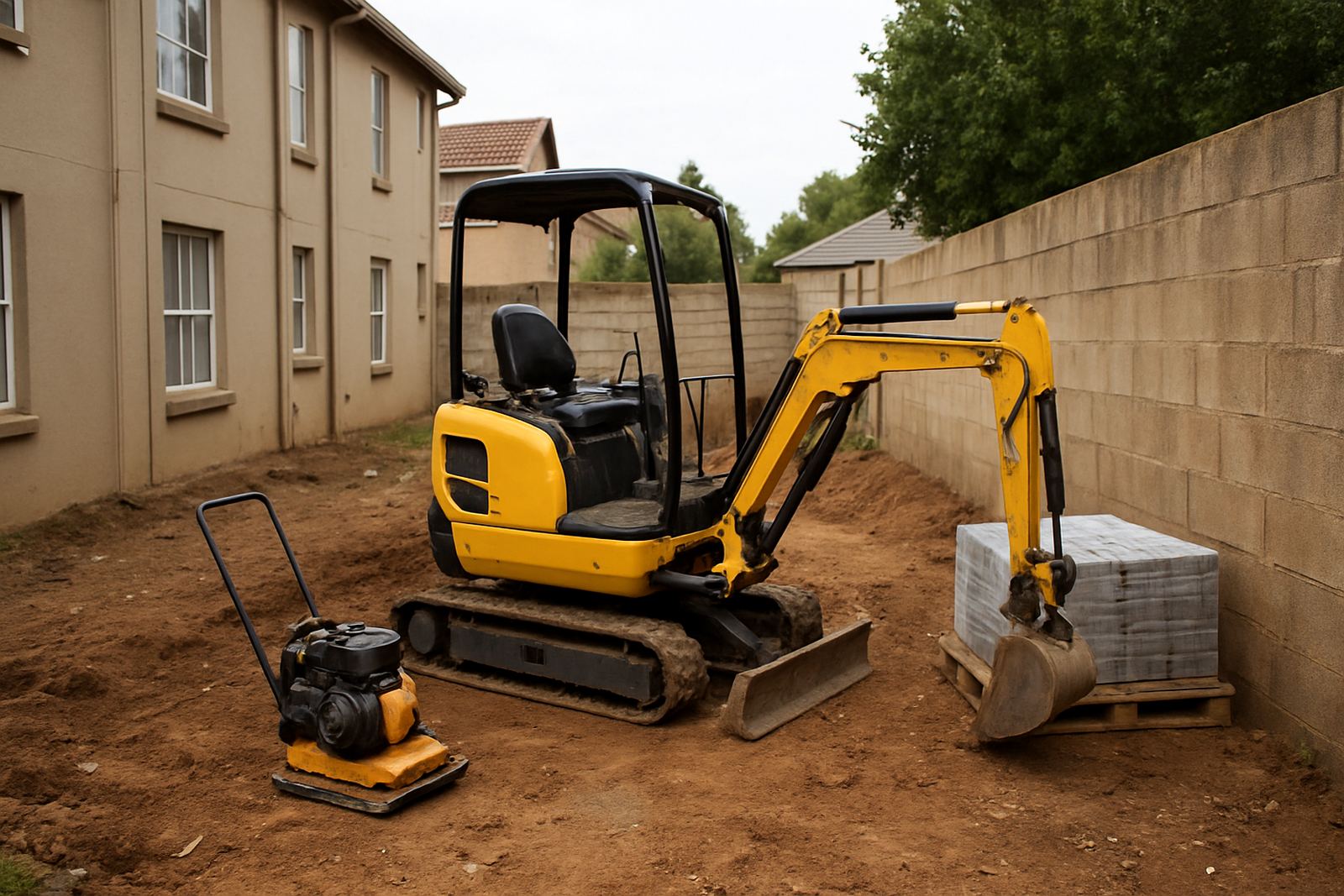
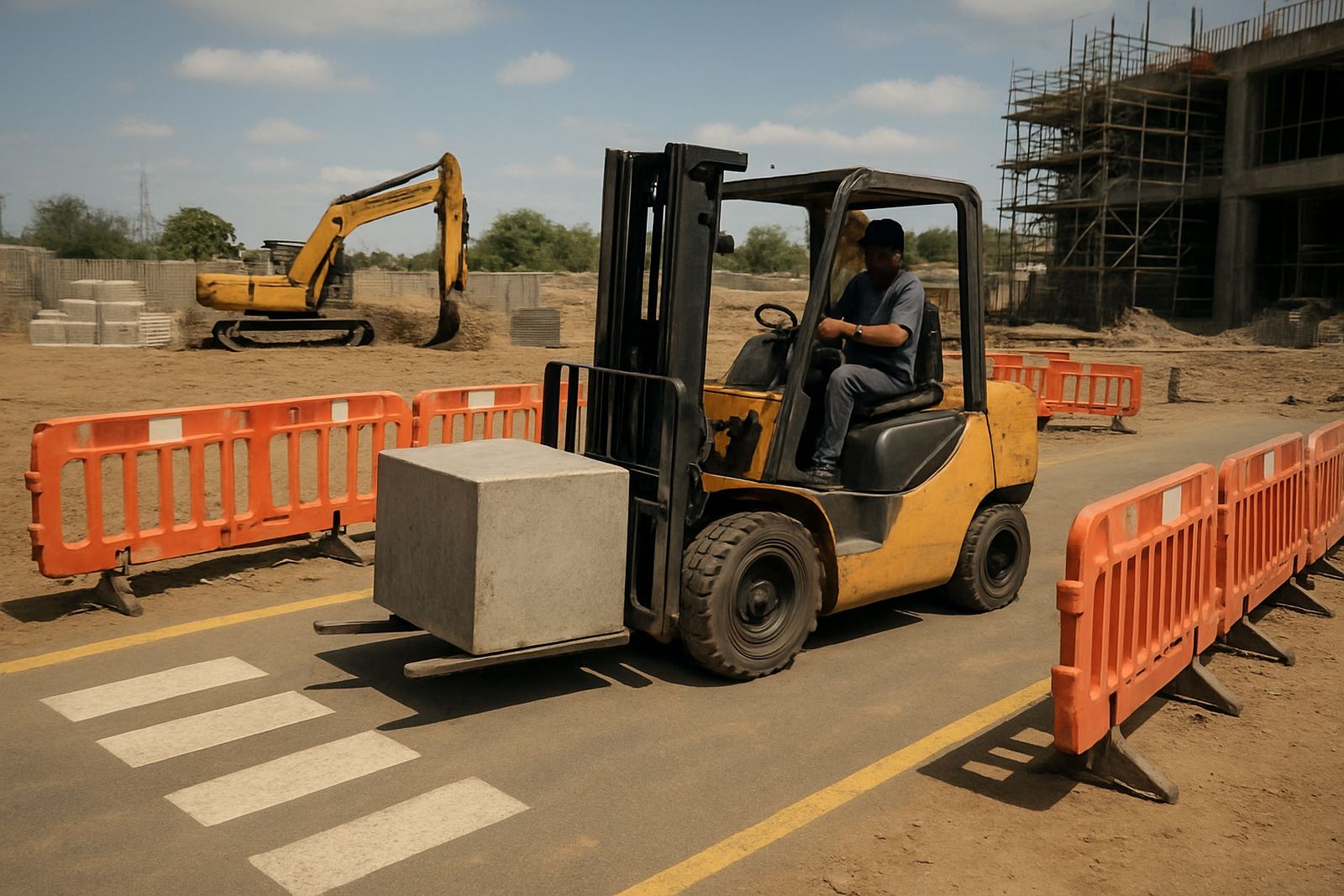
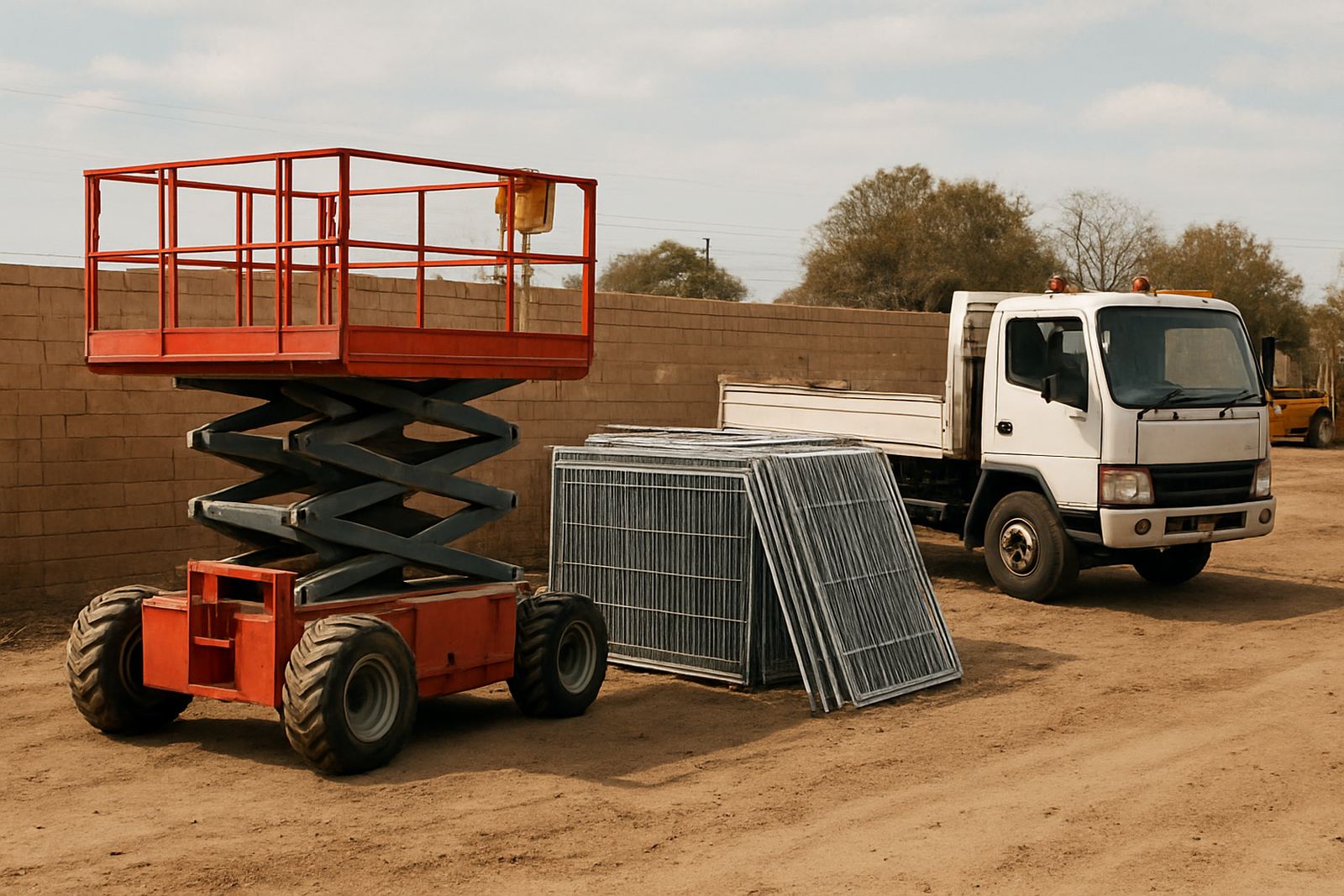
Off-hire delays often happen before the machine is even touched. A truck cannot collect what it cannot reach. Before the booking time, check that the route to the plant is open, the ground can carry the load, and there is enough space for reversing, turning and loading. On building sites in Pretoria East or along the coast in KwaZulu-Natal, rain can turn a neat access road into soft ground very quickly.
Ask yourself the simple questions: can the collection vehicle get in without removing fencing, are there overhead cables, has the gate opening been measured, and is there a marshal available if the site is busy? If the machine is in a tight corner, move nearby materials before the truck arrives. The collection team should not have to wait while bricks, sand or shutters are shifted around.
- Confirm gate times, security sign-in and vehicle access with the site office
- Keep a clear path free of pallets, waste skips and parked vehicles
- Check ground conditions after rain or watering, especially on clay soils
- Arrange a spotter if the truck has to reverse close to structures
For larger units, a little planning on access can mean the difference between a quick load and a long delay. That matters when a site is trying to clear before a municipal inspection or a handover deadline.
Protect the handover with the right safety and compliance paperwork
Many sites are under pressure to close out quickly, but paperwork still counts. Off-hire is easier when the safety file is current and the site team knows which documents need to travel with the machine or be updated before collection. This is particularly important on regulated sites, public works jobs and projects where the principal contractor wants a neat close-out record.
Safety and compliance should not be left for the last hour. If the machine has had a fault, a change in operator, or a service event during the hire, note it properly. If the site requires induction proof, delivery records or inspection sheets, have those ready before collection day.
- Keep inspection records and incident notes together in one file
- Confirm that any outstanding service issue has been logged
- Remove site tags only after the off-hire is confirmed
- Make sure the handover person can sign for release of the unit
When the return is documented well, there is less room for confusion and the depot team can process the plant faster. It also helps the next hire get moving without hold-up. A tidy file matters just as much as a tidy machine, sometimes more.
Use the last day to close out the whole hire properly
The final day is the best time to look beyond the machine itself. Check fuel levels, any consumables supplied with the hire, and whether the operator roster or standby arrangements need to be closed out. If the hire included weekend support, plant swop-outs or fuel management, confirm what still needs to be accounted for before the truck leaves.
On some sites in Germiston or the western side of Johannesburg, the end of a job comes with a strong push to clear the yard before after-hours security locks up. That is where simple discipline helps. Make sure the site contact, foreman and collection driver all know the same plan. One missing signature or one gate left locked can stall the whole process.
A proper close-out is also the right time to note any lessons for the next project. Was the machine the right size? Did the site need a different attachment? Was same-day dispatch useful or would a longer-term hire have suited better? These points help the next booking go smoother and can save time on the next build.
A Johannesburg example of a clean off-hire
Picture a contractor finishing a small commercial block in Germiston. The excavator has finished final grading, the generator has been standing by for lighting, and the scaffolding is being stripped as the electricians wrap up. If the crew leaves off-hire until the last minute, the machine may be buried behind materials, with the access road half blocked by bins and stacked formwork.
Now picture the same job done properly. Two days before completion, the site team clears the access path, removes loose gear, photographs the plant and confirms the collection window with the hire office. The machine is washed down, keys are ready, the fuel level is noted, and the paperwork is signed before the truck arrives. The collection is quick, the depot receives the unit in good order, and the site can move on without fuss.
That is the value of off-hire site prep. It saves time, reduces disputes and keeps the handover calm, even when the project has been under pressure. It is simple work, but it pays off every time.