Why storage order matters before the first slab is poured
On a construction site, storage is not a nice extra. It affects how quickly a team can start work, how safely materials are handled, and how much money is lost through misplacement or damage. A locked, well planned storage area gives foremen a clear system for cement, fixings, hand tools, PPE and site documents. It also helps smaller sites keep track of stock without relying on memory, which is where things usually go wrong.
In Gauteng, where many projects run on tight schedules and limited yard space, a storage container can be the difference between a calm start and a rushed morning. In coastal areas like Durban and Cape Town, the same container also needs to keep moisture off tools and electrical gear, because humidity and salt air can ruin equipment faster than people expect.
Set up the container like a working store, not a dumping ground
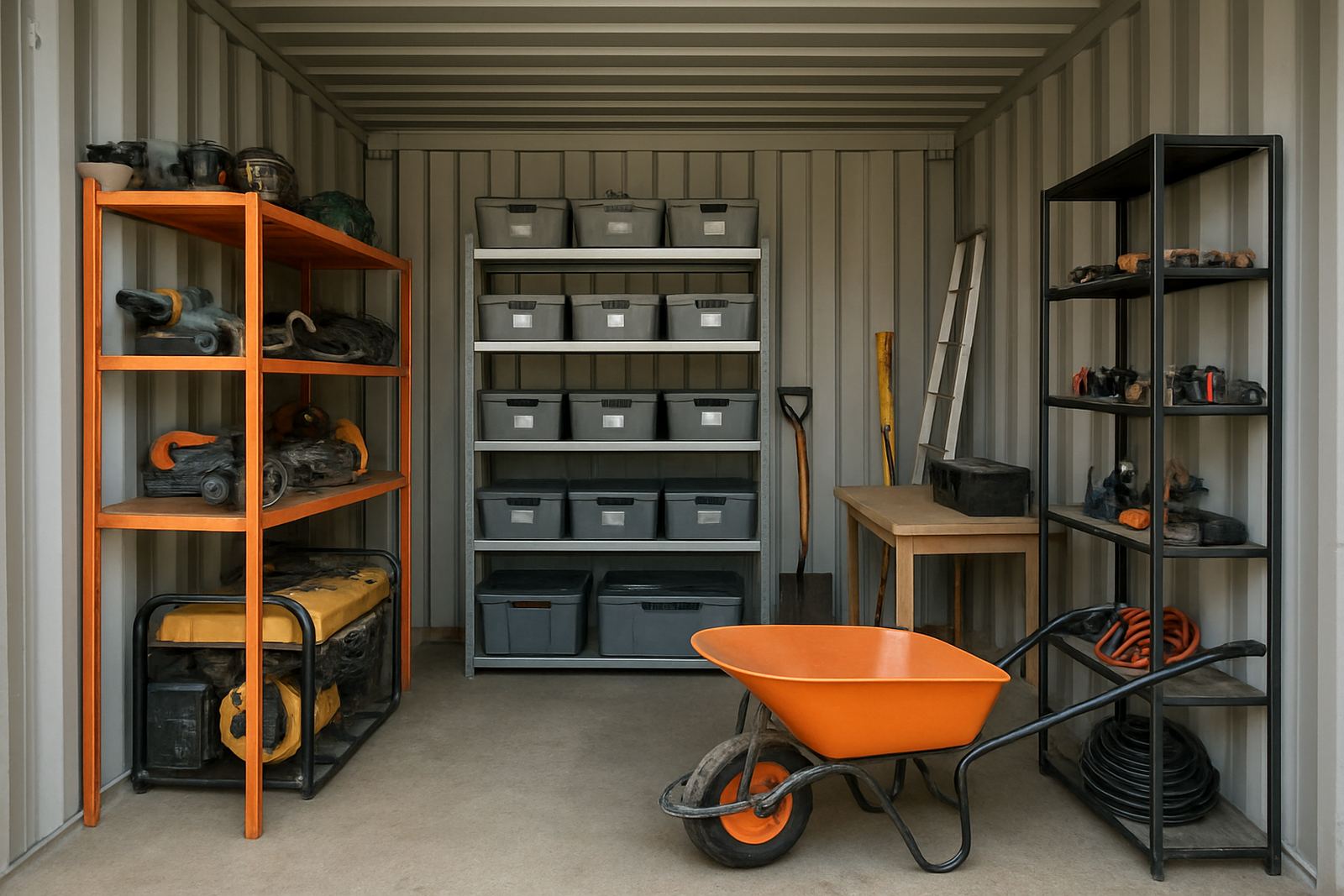
A storage container works best when it is divided into simple zones. Put fast moving items near the door, keep expensive or sensitive equipment on higher shelving, and separate chemicals or fuels from general stock. If the crew has to move three boxes to get to a grinder, the system is already failing. Good order saves time on every task, from early site set-up to the final clean-up before handover.
- Mark shelves and bins clearly so the same item always goes back in the same place.
- Keep an issue sheet or logbook for consumables like blades, gloves, drill bits and cable ties.
- Use lockable racking for high value tools and instruments.
- Store wet or dirty items apart from dry stock to avoid rust and contamination.
For longer projects, weekly stock checks are usually enough to spot losses early. On faster jobs, a quick daily count of the most used items can stop small gaps from turning into bigger shortages.
Choose storage that stands up to weather, theft and site traffic
Storage on a building site has to cope with forks, mud, rain, dust and the odd bump from moving plant. The container should sit level, with doors that close properly and a floor strong enough for pallets or drums. If the site is exposed, make sure water cannot pool around the base. A simple raised stand or compacted hardstand often prevents problems later on.
On urban sites around Johannesburg and Pretoria East, space is often tight and access is busy. That makes placement important. Keep the container close enough to the work face for convenience, but not in the way of trucks, concrete pumps or delivery turning circles. In some municipal areas, the storage layout also needs to respect site safety plans and access routes, so it is worth checking the method statement before setting it down.
Keep critical items separate from general stores
Not every item belongs in the same container. Tools, safety gear, fuel, office records and electrical spares each have different storage needs. Mixing them creates confusion and increases the chance of damage. If you are managing multiple teams on one site, a second container or a partitioned unit can make day-to-day control far easier.
- Keep PPE dry, visible and near the exit point for quick issue at the start of shift.
- Store backup cables, chargers and small generators away from wet cleaning areas.
- Keep site drawings, permits and compliance files in a dry, secure section with limited access.
- Separate fuel, oils and other hazardous items in line with site safety rules and municipal requirements.
Where loadshedding is part of the routine, a clearly managed storage point for backup lighting, chargers and generator accessories helps crews carry on without wasting time looking for the right leads or fuel can. That sort of order matters more than people think when the power goes off at 5 pm and the site still has work to finish.
How order cuts losses on real projects in Germiston and beyond
A practical example is a contractor working from Germiston with crews split between Midrand and Boksburg. Without a proper storage system, one team leaves spares in a corner, another keeps fittings in a boot, and the supervisor spends half the morning asking where items went. With one organised container, the same team can record issue times, restock once a week and spot shortages before they halt production. The saving is not only in tools recovered, but in labour time that is no longer wasted chasing equipment.
This kind of order also helps on weekend work and after-hours jobs, when fewer staff are on site. If the store is tidy and labelled, the person on duty can find what is needed without phoning around. That is especially useful on larger contracts where more than one subcontractor is sharing the same laydown area and tempers can run short.
Plan the container around site storage order from day one
The best time to set storage rules is before the first delivery arrives. Decide who controls the keys, who signs out stock, and where damaged items go. Make the system simple enough that every foreman and storeman can follow it without guesswork. If the layout changes as the job grows, update the labels and keep the old rules out of play.
MachinesAfrica Rentals works with contractors who need practical storage support alongside plant and machinery hire. With depots in Germiston, Midrand, Pretoria East, Boksburg, Durban, Pinetown, Cape Town and Bellville, site teams can arrange storage solutions that suit the scale of the job, whether it is a short-term build or a longer programme. Site storage order is not just about neatness, it is about keeping work moving and costs under control.