Start With the People Who Use It Every Day
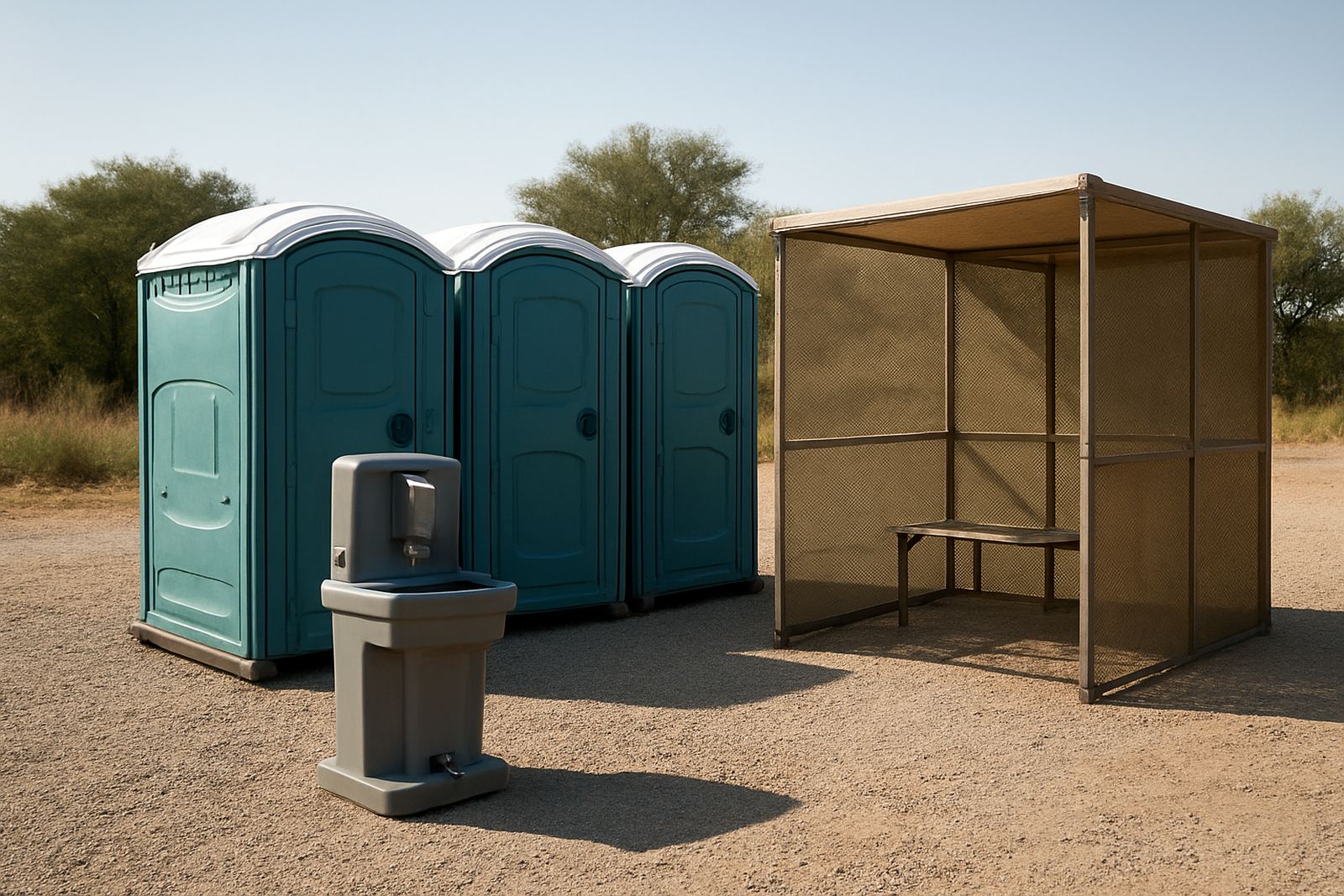
The best placement is not always the nearest corner or the quietest spot. It is the place workers can reach quickly without crossing active lifting zones, reversing routes or muddy access tracks. On a construction site, welfare must be convenient enough that crews actually use it, but far enough from dust, concrete washout and fuel handling to stay clean and safe.
Think about the people on site first. Operators, labour teams, subcontractors and site supervisors all move at different times. If the toilet is tucked too far away, workers lose time walking back and forth. If it is too close to the main work face, the area gets dirty fast and housekeeping becomes difficult.
A practical rule is to keep the unit on level ground, visible enough for easy access, and out of the way of plant movements. That balance matters whether you are working in Germiston industrial yards, a residential build in Midrand or a roadworks site on the outskirts of Durban.
Keep Access Clear for Servicing and Collections
A portable toilet only works properly if the service truck can reach it without a fight. That means planning for turning space, overhead clearance and a route that stays usable after rain. On some sites, the biggest problem is not the toilet itself, but that it was placed where a vehicle cannot reverse safely to pump out or remove the unit.
Before final placement, check the approach road and surface condition. Gravel, crushed stone or compacted earth is usually better than soft soil that turns to sludge after a shower. In coastal areas such as Cape Town or Durban, salt air and damp conditions can make wet ground linger longer than expected, so drainage matters as much as position.
- Leave enough space for service access and off-hire collection.
- Avoid placing the unit where material deliveries will block the route.
- Do not set it on a slope where it may shift or stand uneven.
- Keep it clear of trenches, live excavations and low beams.
If the unit needs to be moved later, make sure the route is known before the site gets crowded with pallets, scaffolding and materials. That small bit of planning saves time and reduces damage, which is worth a lot on a tight programme.
Hygiene Works Better When the Surroundings Are Managed
Good toilet placement is closely tied to hygiene access. If the area around the unit becomes muddy, cluttered or littered, the toilet quickly feels neglected even if it is serviced on time. A clean route to the welfare point also helps with handwashing routines and keeps mess from spreading into eating areas, stores and walkways.
Try to place the toilet where drainage is reasonable and where the ground can be kept tidy. Standing water, loose rubble and spills from concrete or paint make the area unpleasant and can create slipping hazards. In wet months, especially in Gauteng after heavy afternoon storms, a few metres can make the difference between a workable setup and a soggy bottleneck.
- Choose a spot that drains well after rain.
- Keep the unit away from dust-heavy cutting and grinding areas.
- Do not place it beside waste bins or skip zones if you can avoid it.
- Allow enough room for a clear path and basic housekeeping around the unit.
When crews can reach the toilet without stepping through mud or debris, they are more likely to keep the area tidy. That helps with morale and keeps the whole site looking more controlled.
Match Placement to the Site Layout and Safety Rules
Every site has a different shape, and toilet placement should follow the traffic plan, not fight it. On larger projects, the safest position is often near the welfare zone, close enough for convenience but outside the main movement corridor. On smaller sites, the unit may need to sit near the boundary or in a side yard, as long as it remains accessible and secure.
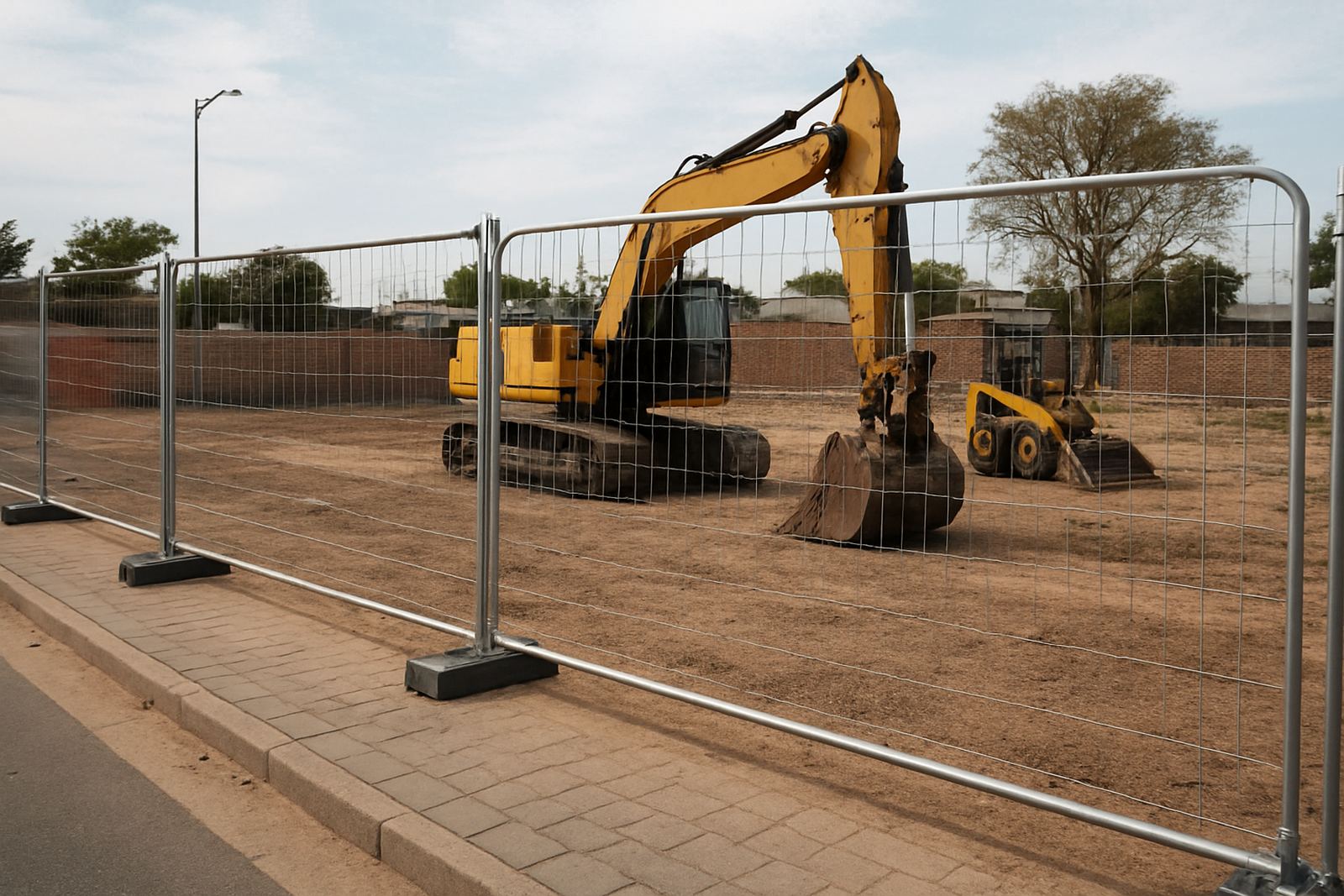
Safety officers often look at line of sight, pedestrian routes and proximity to work areas. The toilet should not sit in a blind corner where someone could be struck by reversing plant. It also should not be placed so close to excavation edges, temporary retaining structures or stacked materials that access becomes risky.
In some municipal areas, the site team may also need to consider local by-laws and project conditions around public access, neighbour nuisance and waste control. That is especially important on urban sites where the boundary is close to the street or to occupied properties. A sensible layout reduces complaints and keeps the project moving.
Think About the Size of the Crew and the Stage of the Job
One portable toilet may be enough for a small team at the start of a project, but as the workforce grows the placement must still support the daily flow. If the unit is far from the active work zone, workers may avoid it and lose time. If it is too close, you can end up with privacy issues and congestion around the welfare area.
The right answer depends on the number of people on site, the length of hire and how the programme changes week by week. A foundation stage, superstructure phase and finishing stage all need different site arrangements. On long-term hire, it often makes sense to review placement at each major stage and move the unit if the access route or work face changes.
This is where proper planning helps. A quick review with the site agent can show whether the toilet should be closer to the labour compound, shifted to a safer edge or moved after scaffold erection. Small changes can improve daily use without disrupting the job.
A Germiston Example That Shows Why Position Matters
Take a mixed-use build in Germiston where earthworks, bricklaying and delivery trucks all share a tight yard. If the portable toilet is placed beside the main access gate, it may be easy to find but it will likely be blocked by suppliers, reversing trucks and heavy dust. If it is put too far inside the site, the route may cross active plant movements and become unsafe.
A better option is often a level side position with a clear pedestrian path, plus enough space for servicing and emergency access. That way the unit stays usable, the surrounding area can be kept clean and the crew does not have to walk through busy delivery zones. In a site like that, the difference is not just convenience, it is daily control over hygiene and movement.
- Place the unit where crews can reach it without crossing high-risk plant paths.
- Keep a clear service route for pumping out and collections.
- Review the position if the site layout changes or the work face moves.
- Use a stable, drainable surface so the area stays manageable after rain.
That same thinking works in Pretoria East, Midrand, Boksburg, Pinetown and Cape Town. The site may change, but the principle stays the same: the right place keeps the job cleaner, safer and easier to manage.