Why weekend pours need tighter plant planning
Weekend works are often set around road closures, traffic pressure, or a client who wants the site live again by Monday morning. That means every machine has to arrive ready, start first time and stay available through the shift. If a pump, generator or loader fails at 06:00 on Saturday, the whole sequence slips, and the concrete crew is left waiting.
At MachinesAfrica Rentals, weekend planning starts with the pour window itself. We look at access, laydown space, loading points and how many hours the plant will be on site. In Germiston and the wider East Rand, many sites are tight on space, so a late delivery can block other trades and make reversing difficult. Good timing matters just as much as the equipment list.
Build the hire list around the pour, not around habit
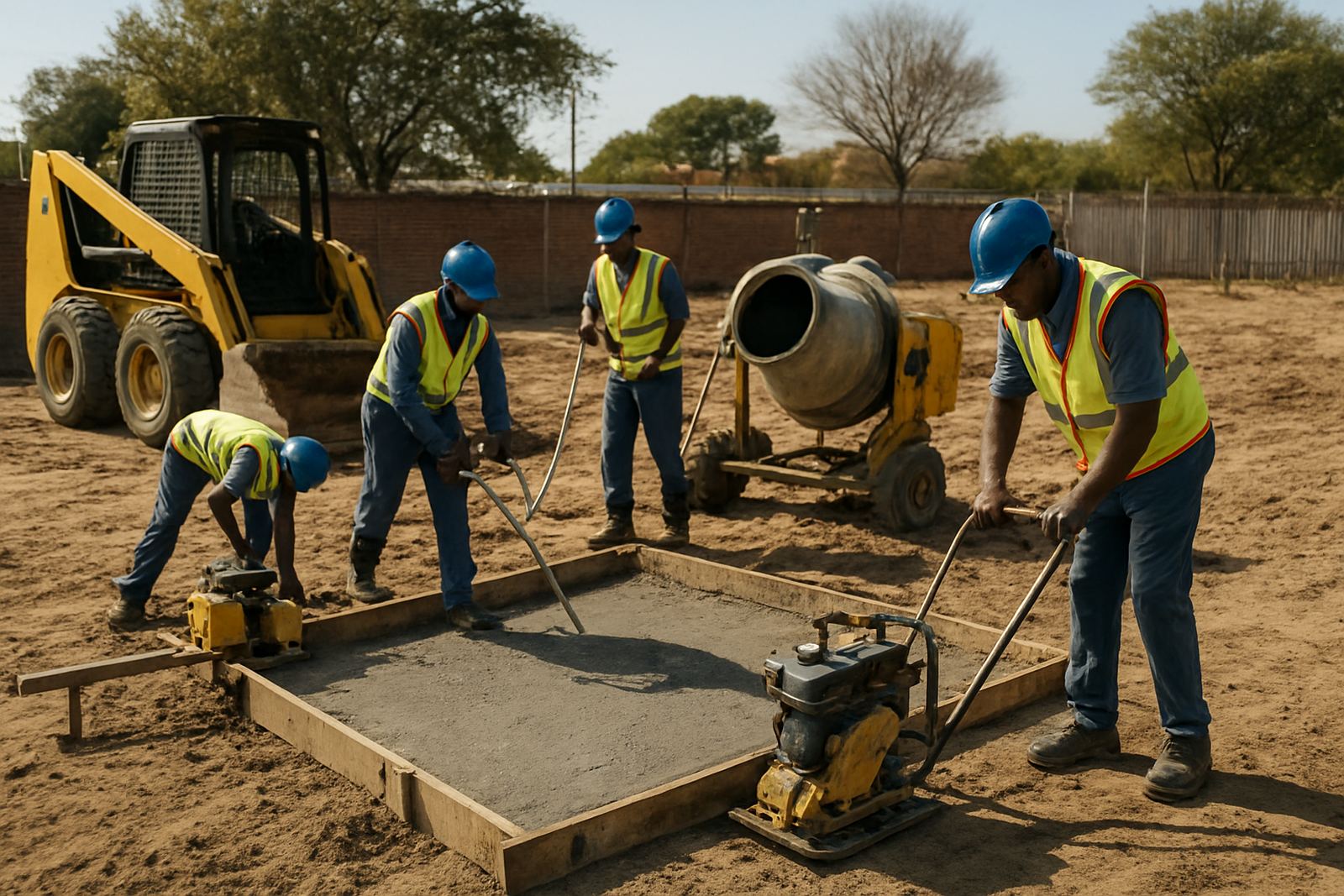
Some sites hire the same kit every time because it is familiar. That can work for routine earthworks, but weekend pours need a sharper plan. A slab pour in Pretoria East is not the same as a retaining wall in Durban, and coastal humidity can change curing conditions and call for different backup arrangements. The hire list should match the task, the volume of concrete and the site conditions.
- Concrete placement gear for the actual pour size and access points
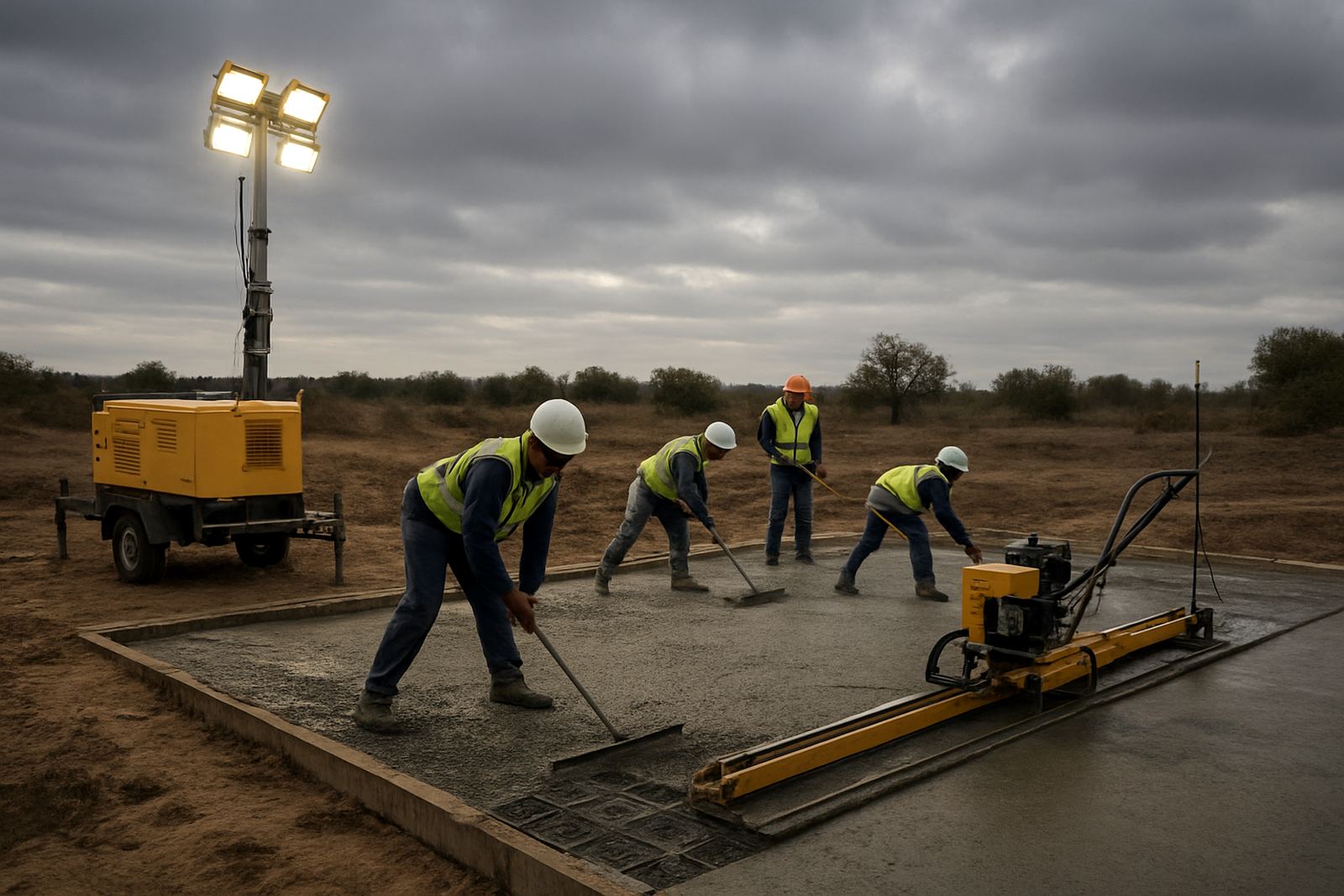
- Lighting for early starts, night finishing or overcast winter mornings
- Generators sized for mixers, pumps or site power backup
- Scaffolding and access gear for edge work and finishing teams
- Loading and lifting plant for formwork, bundles and reinforcement
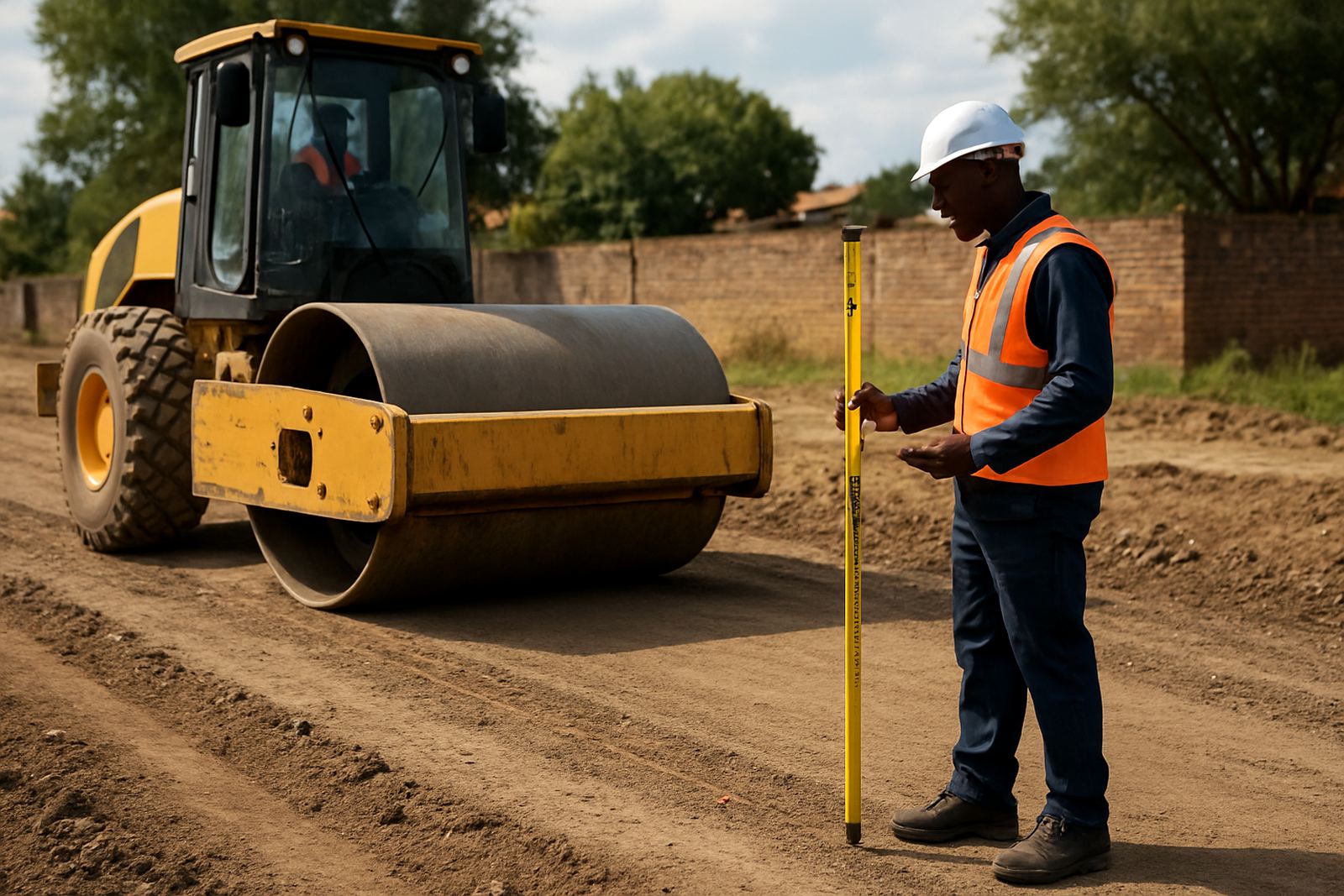
A compact site in Boksburg may need smaller machines with better turning space, while a larger greenfield job near Midrand can take heavier units and more bulk handling. The point is to hire for the sequence, not just the headline task. That saves time and fuel and reduces the chances of having to call for an extra machine half way through the day.
Dispatch timing that matches Gauteng traffic and site rules
Weekend movement across Gauteng can still be slow, especially when a depot sits on one side of the city and the site is on the other. A truck leaving Germiston too late can lose an hour before it even reaches a gate. On a tight pour programme, that is too much. Same-day dispatch helps, but only if the booking is made early enough for loading, checks and route planning.
Sites also have their own rules. Some industrial parks ask for booking-in before delivery, while municipal jobs may need access confirmation, safety packs and route approvals. If the plant is going into a busy area in Cape Town or a constrained site in Bellville, delivery has to be sequenced with the contractor’s own traffic control and offloading plan. Good logistics are not only about transport, they are about compliance and timing, too.
Power, fuel and backup for load-shedding weekends
Weekend pours do not stop for load-shedding. If the site loses power while lights, mixers or water handling equipment are running, you need a backup plan already in place. That usually means the generator is sized properly, fuel is on hand, and someone is assigned to check levels during the shift. It sounds simple, but many delays start with poor fuel management.
- Check fuel burn rates before the weekend, not after the first outage
- Keep enough diesel on site for the full shift plus a reserve
- Make sure cables, distribution boards and plugs are set up safely
- Test the generator before delivery, not just when it is loaded
- Agree who handles refuelling and who logs the hours
On older sites around Pinetown or Durban Depot areas, heat and humidity can also affect storage and handling. Fuel containers need to be secure, shaded and easy to reach. When the team can see the plan, they spend less time chasing supplies and more time on the pour.
What to do when a machine fails halfway through
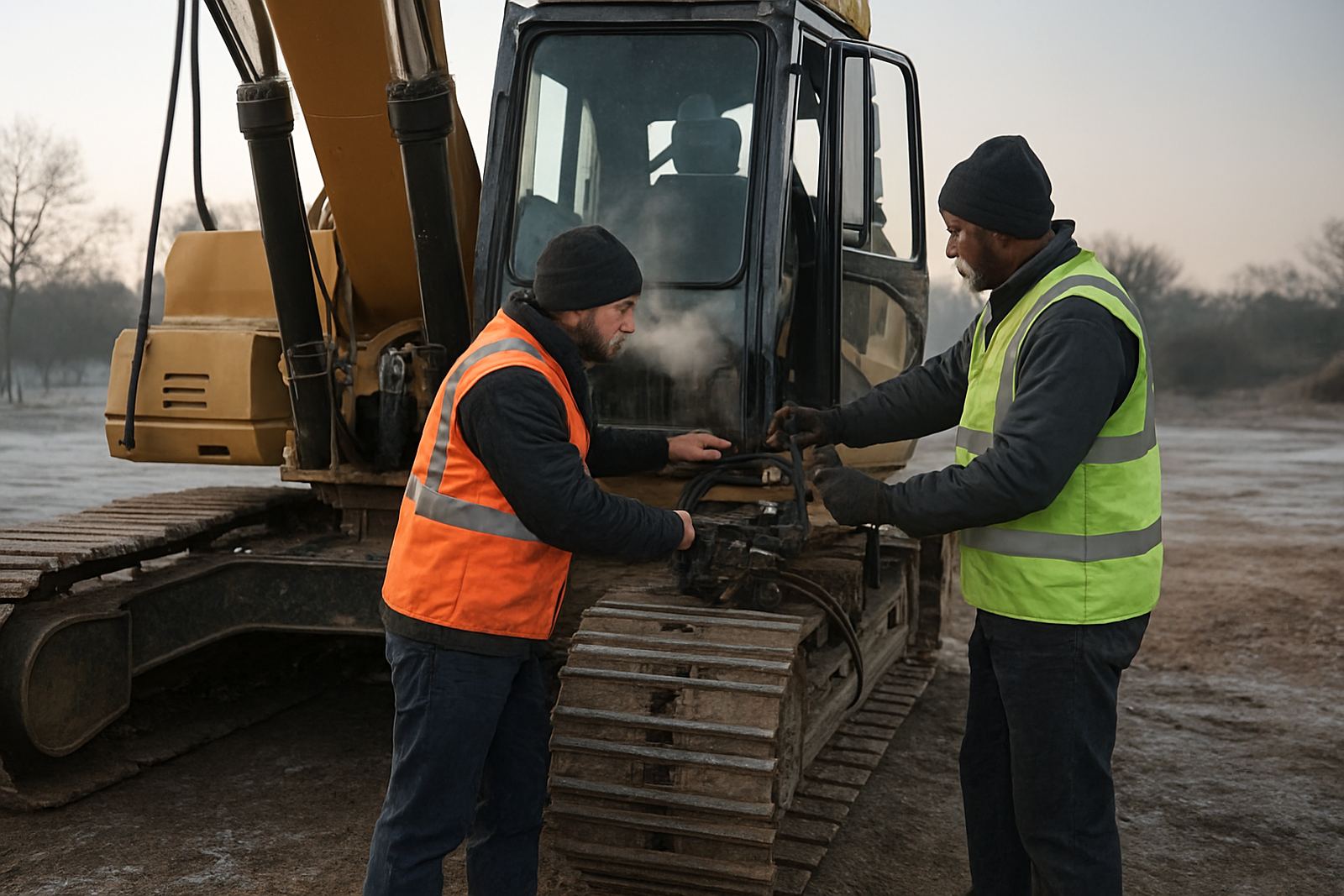
Even well-maintained equipment can have a bad day. A hose bursts, a battery dies, or a small control fault turns into a stoppage. For a weekend job, the difference between a minor hiccup and a full delay is how fast the replacement plan kicks in. That is why breakdown response and plant swop-outs are not extras on programme-critical work, they are part of the hire decision.
Before the weekend starts, the site team should know who to call, what machine is critical, and where the spare unit will come from. In some cases, one extra telehandler or loader on standby is enough to keep the job alive. In others, the better answer is a full backup generator or a second access unit. If the contractor is working under pressure from a handover deadline, that spare plan is worth more than a cheaper rate on paper.
Local example from Germiston to a KZN weekend pour
Take a concrete floor pour planned for a distribution facility in the south of Gauteng. The contractor books formwork support, lighting, a generator, and lifting plant from the Germiston depot, with off-hire collection set for Sunday afternoon. The site is in a busy area with limited laydown space, so delivery has to happen after the day shift clears. If one item arrives early it blocks the access road and slows the civil crew.
Now move that same logic to a weekend job in Pinetown. The climate is warmer, the route is longer, and the team may need a stronger fuel plan because delays hit harder in humid weather. The machines are the same type, but the logistics change. That is why a depot network matters. It allows the right equipment to move from Germiston, Midrand, Pretoria East, Boksburg, Durban, Pinetown, Cape Town or Bellville with less waste in transit and less pressure on the site foreman.
The checks that make Monday morning easier
Weekend work should finish with the site ready for the next crew, not with loose ends left for Monday. Off-hire collections, service notes and safety documents all need to be managed while the job is still fresh. If a machine is returned with damage or a fuel issue and nobody records it, the next hire starts on the back foot.
For programme-critical work, the best routine is simple: confirm the order, verify the delivery window, keep a backup machine in mind, and make sure the team knows the swop-out process. That approach helps large contractors and smaller builders alike. It keeps the pour moving, protects the site, and avoids the false economy of saving a few Rand on hire only to lose half a day to a preventable delay.