
Access road works inside a live residential estate
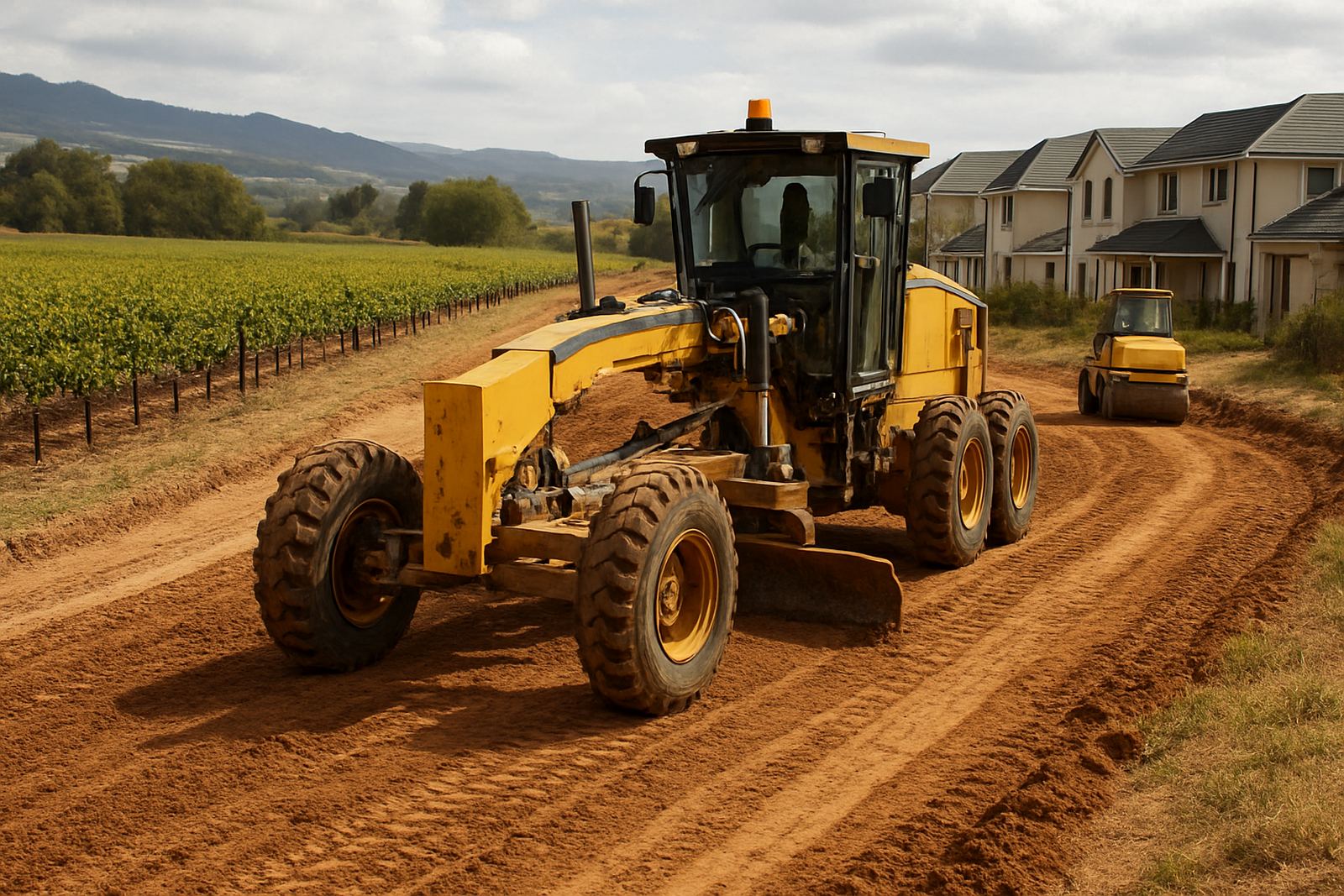
The client was a residential estate developer working in Stellenbosch, with an access road package that had to be delivered while other trades were still active on site. The brief was simple on paper but careful in practice: move material, shape the road layers, compact properly and keep the estate usable for residents, contractors and security staff throughout the build.
Because the site sat in a settled residential area, dust control, traffic management and delivery timing mattered just as much as machine availability. The route also had to cope with tight turning points, boundary walls and sections where space was limited for stockpiles. We planned the hire around those constraints and kept equipment matched to the stage of work so the team did not lose time waiting for the next machine.
This type of job needs practical sequencing. If the tipper arrives too early, the site clogs. If compaction starts before the layer is ready, the finish suffers. We worked with the contractor to stage plant in the right order and that kept the road build steady from start to finish.
What the contractor needed on the ground
The contractor wanted a hire package that could handle bulk shaping, layer preparation and compaction without bringing in too much equipment at once. The road build included subgrade trimming, material spreading, compaction passes and support for small drainage adjustments at the edge of the alignment. In Stellenbosch, weather can shift quickly, so the team also needed machines that could be turned around fast after rain without sitting idle for days.
- Primary earthmoving plant for road shaping and material movement
- Compaction units for base and wearing layer preparation
- Generator support for tools and temporary site power during interruptions
- Scaffolding and access gear for related civils tasks near retaining points
- Breakdown cover and swop-out support if any item missed its window
We also factored in estate rules. Access had to be controlled, deliveries had to be booked in advance and noisy work needed to stay within the agreed site hours. That meant the hire plan had to be more than a list of machines, it had to fit the estate's daily rhythm.
Plant supplied for the road-building package
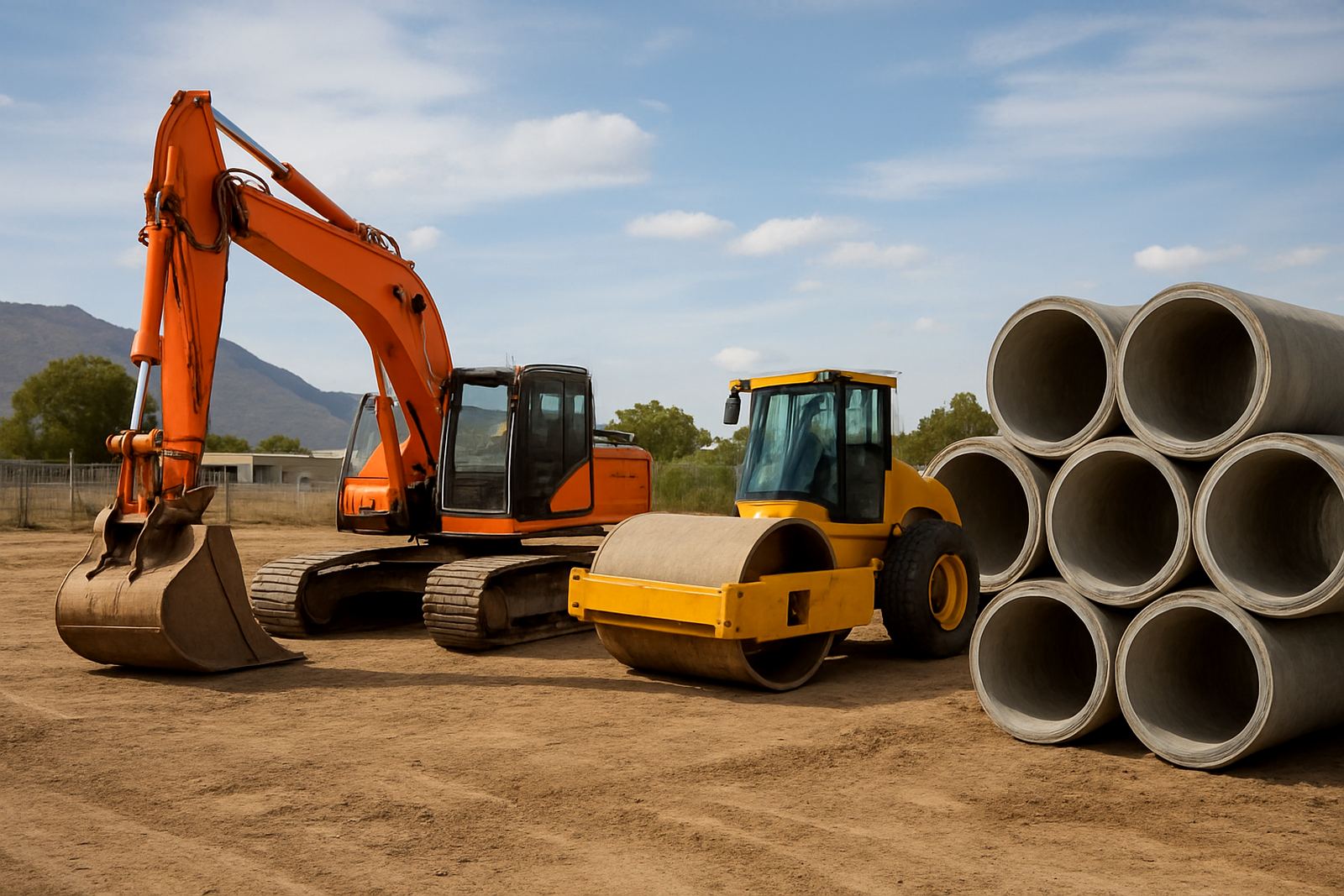
For this project we supplied a combination of road-building and compaction plant suited to a medium-size residential access road package. The line-up included an excavator for trimming and loading, a bulldozer for shaping and pushing material, a ride-on roller for layer compaction and a plate compactor for edges and confined areas. We also placed a generator on standby for site power where load-shedding could interrupt small tools and lighting.
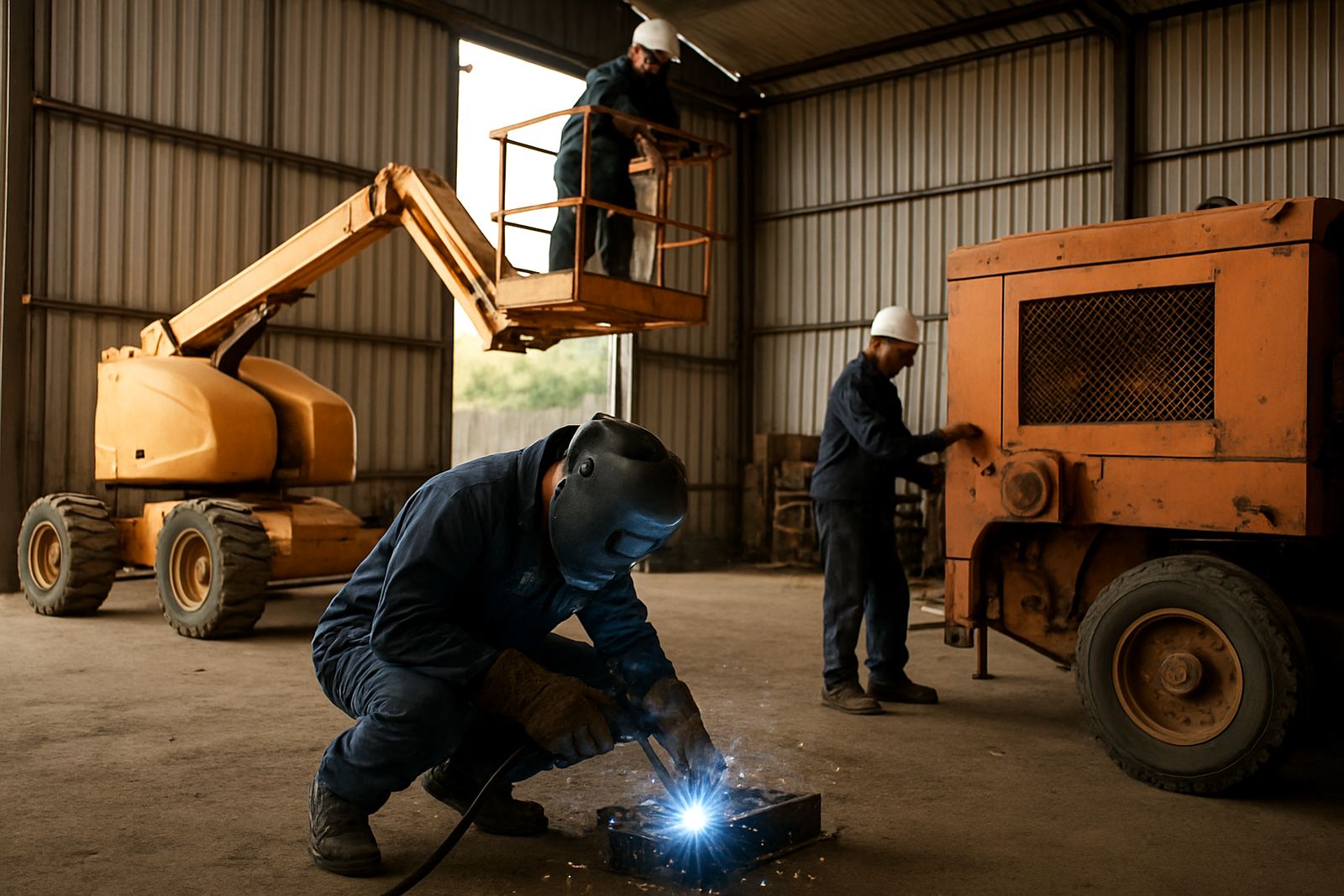
The equipment was checked before dispatch and again on return, with fuel levels, hydraulic condition and safety items reviewed by our workshop team. On a road job the small things matter. A flat tyre, a blocked filter or a missing beacon can stop the whole chain. Our fleet manager kept an eye on swap-out timing so the contractor could keep working instead of waiting around for repairs.
Site deliveries went out from our Germiston base with support from our depot network, which helped us handle timing into the Western Cape without unnecessary lag. We kept communication tight with the site team and the haul schedule was adjusted when the contractor needed more material movement in one week and more compaction in the next.
How we kept the job moving over four weeks
The estate road package ran over four weeks from first delivery to final off-hire collection. Week one focused on mobilisation, site access planning and initial earthworks. Week two was the main shaping phase, with material placed and the alignment trimmed to levels. Week three was all about compaction and edge work, and the final week covered finishing, checks and removal of plant from site.
Weather was one of the main constraints. A few damp mornings meant the team had to time compaction carefully and avoid working wet layers too early. Instead of letting that create delays, we shifted the sequence and pushed other tasks forward while the surface dried. That kept the programme on track and avoided unnecessary rework.
Load-shedding was another pressure point for the contractor. Although the main road works were mechanical, there were still tools, lighting and small finishing tasks that depended on power. The standby generator helped bridge those gaps, so the site did not lose half a day because of a local outage. It was not complicated, just practical support that saved time.
Safety, compliance and neighbour-friendly working
Residential estate work in Stellenbosch needs a clean site face and clear control measures because people live and move close to the work area. Our Safety and Compliance Lead supported the contractor with the documentation needed for plant on site, including basic operator records, equipment condition checks and site-specific safety notes. Where required, we assisted with the paperwork that helped the contractor satisfy estate management and municipal expectations.
- Controlled delivery slots to reduce congestion at the gate
- Marked working areas to keep residents and trades away from plant movement
- Dust suppression planning for dry days and disturbed surfaces
- Fuel management to reduce unnecessary refuelling trips on a busy site
- Breakdown response on call so a stoppage did not spread across the programme
In a residential setting, noise and dust are not side issues, they are part of the job. We made sure the hired equipment was suited to that kind of environment and that the contractor had support if the site needed a quick change in plan. The result was a calmer working area and fewer complaints from the surrounding properties.
What the estate gained from the finished road package
By the end of the four weeks, the contractor had a properly compacted access road that could carry day-to-day traffic into the estate without constant remedial work. The road profile was more even, the edges were better controlled and the surface had the density needed for a residential setting where vehicles, service trucks and delivery vans would use it regularly.
For the client, the biggest gain was certainty. The plant was reliable, the support was steady and the work stayed within the build programme. That matters on estate developments because delays on an access road can affect everything else, from house handovers to landscaping and security setup. The project finished with fewer interruptions than the contractor had budgeted for, which is always welcome.
If we were to do a similar road package again, we would keep the same approach: tight delivery planning, matched plant by task, and quick response if the weather or site access changes. On this sort of work, the best result comes from simple planning done properly, not overcomplicating the hire package.
Key facts
| Project location | Stellenbosch, Western Cape |
|---|---|
| Client type | Residential estate developer and civil contractor |
| Project duration | 4 weeks |
| Main plant supplied | Excavator, bulldozer, ride-on roller, plate compactor |
| Support services | Site deliveries, generator support, breakdown response, off-hire collection |
| Base and depots | Germiston base with depot support across Gauteng, KZN and the Western Cape |