Retail programme in Umhlanga with tight access and trading hours
The client was a retail contractor working on a store interior upgrade in Umhlanga, just north of Durban. The programme covered ceiling works, lighting changes, wall finishes and back-of-house adjustments inside an operating retail centre, so every delivery, lift and recharge had to be planned around mall access times and public safety rules.
The main challenge was not the size of the job, but the conditions. Indoor floors had to stay clean, traffic routes were narrow, and work could only take place in set windows before opening hours or after close. Coastal humidity also mattered because battery performance, stored power equipment and metal components need proper checks when they sit overnight near the sea. We planned the hire around that from the start, with a mix of compact access and quiet plant.
The brief: safe indoor access, low noise and no diesel fumes
The contractor needed equipment that could move through standard mall doors, work on finished floors and support multiple trades without interrupting shoppers. They also wanted one hire team to coordinate access, power and collection so the site manager was not juggling different suppliers.
- Indoor-safe scissor lifts for ceiling and lighting access
- Portable power units for tools, test gear and temporary site power
- Lightweight steps and access support for finishing crews
- Clear safety paperwork for mall management and site induction
- Flexible hire periods because the programme shifted by a few days here and there
Noise and emissions were a big issue. The contractor could not run open diesel equipment inside the mall, and they needed gear that would not leave fumes or stain tiles. That meant battery units and electrically powered access equipment, with the right charging plan built in. We also had to keep the hire practical for a small staging area, because storage space was tight and loading bay access was shared with other tenants.
What we supplied for the fit-out programme
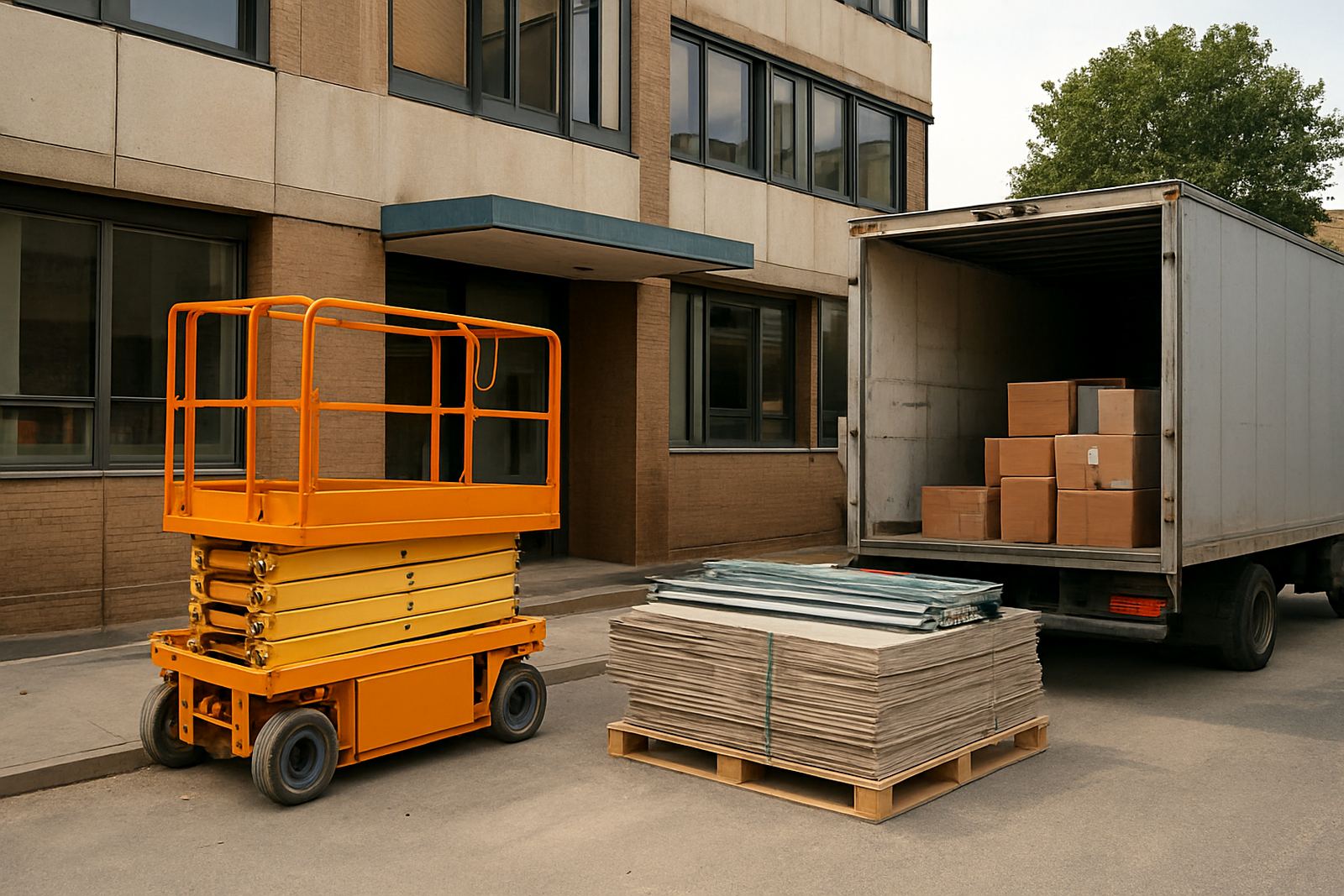
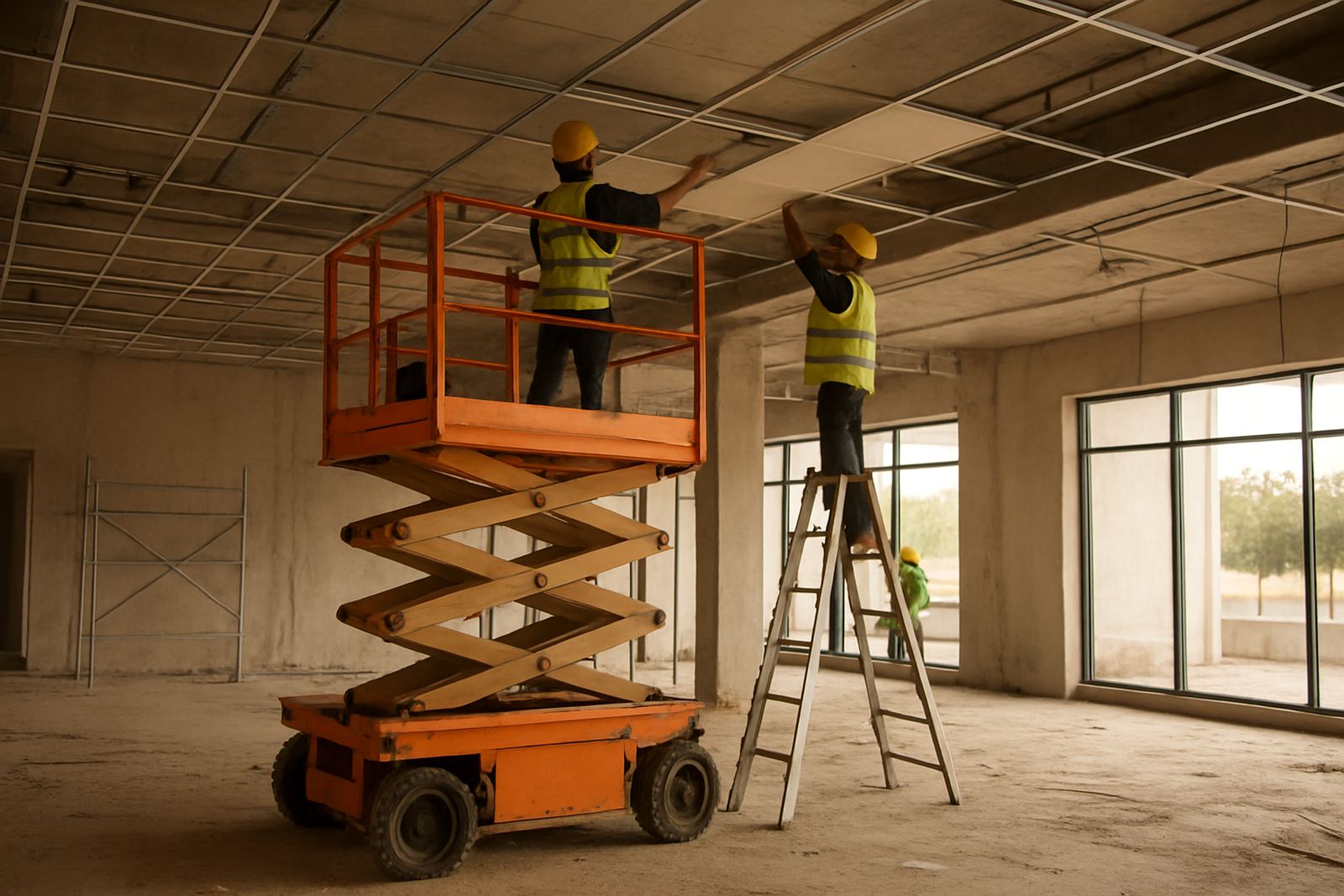
We set up the hire around compact, indoor-capable machines suited to retail interiors. The main access units were electric scissor lifts with narrow frames and non-marking tyres, chosen so the team could work safely on finished floors without leaving marks. We paired those with portable power equipment sized for hand tools, lights and smaller plant used by the trades on site.
The equipment package included units in the 6 m to 10 m working-height range, which covered the ceiling voids, signage zones and service points in the store. For floor level work and quick tasks, we added lightweight access aids and extension support where needed. All kit was checked before dispatch and again on return, because in a coastal town like Umhlanga even short hire periods can show up issues if equipment is not looked after properly.
- Electric scissor lifts with non-marking tyres
- Compact battery power equipment for indoor use
- Short-term and rolling weekly hire
- Pre-delivery checks and site-ready condition reports
- Collection planning to suit mall access times
Four weeks of planned hire, with changes handled on the fly
The programme ran over four weeks, with the first week focused on strip-out and access setup. During week two, the contractor moved into ceiling works and electrical rough-in, which is where the lifts and portable power saw the heaviest use. By week three the team was on finishes, lights and fitments, and in week four the site was pushed through snagging, final cleaning and handover checks.
We kept the hire flexible because retail fit-outs rarely follow the exact programme drawn up on day one. One lift was held back for an extra shift when the ceiling team found a revised service route, and another unit was swapped in when the client needed a slightly narrower machine for a tight aisle section. That kind of change is normal, but it has to be handled quickly or the whole site slows down.
Our depot team managed the swap-out and the return schedule so the contractor could keep moving. There was no need for the site crew to chase different suppliers or wait for missing paperwork, which helped keep the programme on track and the mall manager satisfied.
Safety paperwork and site rules at mall level
In a retail centre, the paperwork matters as much as the machine. Before delivery we prepared the safety documents, equipment details and hire records needed for site access, and made sure the contractor had clear handover notes for each unit. That helped with the mall’s own compliance checks and cut down delays at the loading bay.
We also worked around the practical side of the rules: no blocked fire routes, no unauthorised charging points and no loose cabling across public walkways. The team on site had to keep cords tidy, park lifts in the agreed zone and report any breakdown signs immediately. It sounds simple, but on a busy retail job those basics save time and prevent fines.
- Safety documentation supplied before delivery
- Clear handover for operators and site supervisors
- Charging and storage arranged away from public areas
- On-site servicing available if a unit needed attention
- Weekend support used for a tight handover window
Results and what we would repeat on the next retail job
The fit-out was completed on schedule, with the contractor meeting the retail opening target and handing over a clean, working store. The indoor lifts performed well on the finished surfaces, and the power units gave the teams enough capacity to keep tools running without diesel noise or fumes. There were no unnecessary stoppages, which is what a retail client wants most.
What we would do again is start with a tighter access plan and keep a spare compact unit available from the first week. That gives more room for last-minute changes, and retail programmes always have a few. We would also keep the same approach for coastal sites: check batteries, test charging cycles and confirm indoor storage points before the first delivery. It keeps the job smooth, and it avoids the kind of last minute scramble that costs time.
For contractors working in Umhlanga, Durban and other coastal retail centres, this type of hire setup is practical because it balances safety, quiet operation and fast response. The right kit matters, but so does having a team that can shift with the programme when the site changes pace.
Key facts
| Project type | Coastal retail fit-out |
|---|---|
| Location | Umhlanga, KwaZulu-Natal |
| Programme length | 4 weeks |
| Access equipment | Electric scissor lifts, 6 m to 10 m working height |
| Power support | Indoor power units for tools and lighting |
| Site support | Safety documentation, dispatch, swap-outs and collections |