
A tight Sandton site with no room for mistakes
The client was a commercial contractor working on an occupied office upgrade in Sandton, Johannesburg. The job called for controlled access, short turnaround times and equipment that could be moved in and out without blocking deliveries, tenants or neighbouring businesses.
The brief was simple in principle and tricky in practice: get the right small plant to site, keep access safe, and support the team while they worked around a live building environment. The site had limited loading space, mixed pedestrian movement and strict timing windows for material drops, so every delivery had to be planned with care.
What the programme needed from us
The upgrade involved strip-out work, internal finishing, service changes and external access support. The contractor needed hire equipment that was dependable, compact and ready to work from day one. They also needed enough flexibility to adjust when the programme shifted, which happened more than once, as it often does on city refurbishments.
- Compact access units for internal and external work at different heights
- Small plant for moving materials through narrow routes
- Temporary power support for periods when site supply was not reliable
- Safe barriers and access control items for a busy office environment
- Rapid replacement support if any item needed to be swapped out
Because the site sat in a busy part of Sandton, we also had to consider municipal rules, delivery access and the practical issue of where trucks could wait without causing disruption. That kind of planning saves hours later.
Equipment supplied for the upgrade
We supplied a mix of access and small plant suited to a commercial fit-out environment, including compact lifting gear, portable power units and handling equipment. The fleet was selected to suit confined working spaces and indoor movement, with enough capacity for daily site tasks but not so much size that it became awkward in the basement and service areas.
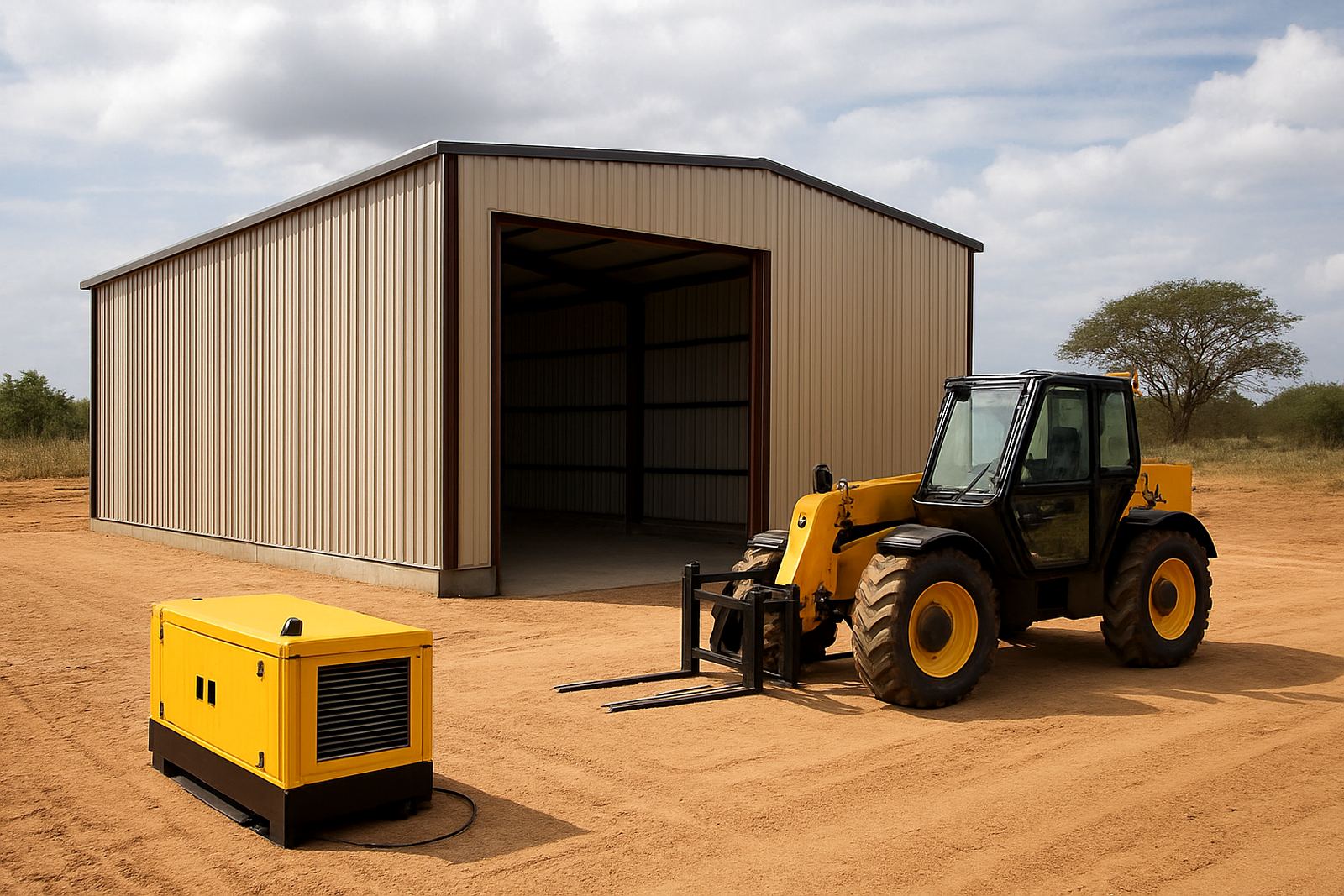
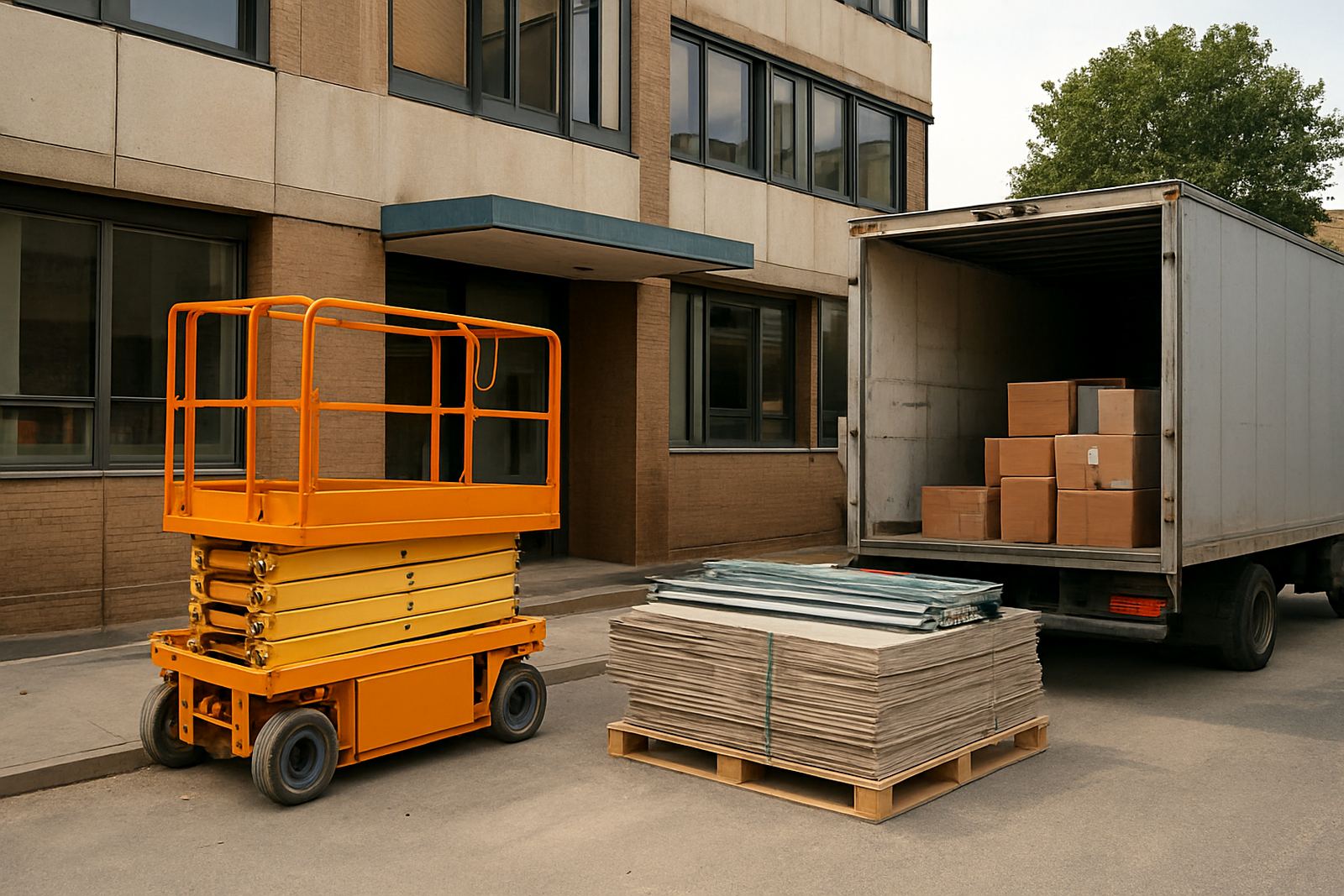
Key items included electric access equipment with working heights suited to ceiling and service work, small material handling units for moving stock and finishes, and generators sized for backup power during outages. In Sandton, load-shedding and site power interruptions can still catch a project out, so having proper standby power made a real difference.
- Electric access equipment with low-noise operation for occupied building conditions
- Portable generators for backup supply during outages and changeovers
- Material handling plant for pallets, plasterboard and finishing materials
- Scaffolding sections for short-duration work on internal and external faces
- Basic site support items including barriers and safety signage
How we kept the site moving
We set up a delivery plan over a 4 week hire period, with staggered drops instead of sending everything at once. That reduced congestion at the loading bay and gave the contractor room to sequence the work properly. Our hire coordinator stayed in touch with the site team so they could call up additional items when the programme changed.
When one area finished early and another ran behind, we adjusted the plant swop-out schedule and collected items that were no longer needed. That kept hire costs under control and freed up space on site. The workshop team checked each return before reissue, so the next machine went out ready for work, not half sorted.
Results on site
The contractor completed the upgrade with fewer stoppages around access and delivery windows. The site team could move materials through the building more easily, and the backup power units helped them keep critical tasks going during interruptions. There were no delays caused by unavailable plant, which matters when the programme is already tight.
For the client, the main benefit was simple: the equipment matched the site instead of fighting it. That is often the difference between a busy job and a frustrating one. The office stayed operational for longer than planned in parts of the building, so the crew had to work neatly and safely, and they did.
At the end of the project, the contractor said the value was in the planning as much as the hire itself. We agree. On a site like this, good kit is only half the job, the rest is timing and follow-through.
What we would do again on a similar Sandton project
If we were handling another office upgrade in Sandton, we would take the same approach: keep the fleet compact, schedule deliveries around access windows, and hold back a reserve option for power and lifting support. We would also keep a close eye on weather and traffic, because a late truck in peak Sandton traffic can undo an otherwise good day.
For projects like this, we recommend a clear off-hire plan from the start, especially where floor space is limited. It avoids clutter and keeps walkways clear. We would also keep the safety file updated as the job changes, so the paperwork is not left behind by the work.
That mix of practical planning and responsive hire support is what helps commercial upgrades run properly. Not flashy, just solid and on time.
Key facts
| Project type | Commercial office upgrade |
|---|---|
| Town | Sandton, Johannesburg |
| Hire period | 4 weeks |
| Site condition | Tight loading bay and limited storage space |
| Primary equipment | Compact access gear, small plant and backup power |
| Support provided | Site deliveries, same-day dispatch, plant swop-outs and off-hire collections |