
Coastal storage project in Richards Bay
The client was a regional contractor working on a new storage facility near Richards Bay, KwaZulu-Natal. The brief was straightforward on paper: keep the civil works, materials handling and site services running without stoppages, even with salt air, gusty weather and a busy build programme. Access on the site changed week by week as the footprint opened up, so the hire plan had to stay flexible and practical.
The build needed a mix of earthmoving plant, lifting support and power back-up. Because the site sat close to the coast, we also had to think about corrosion, wet conditions after rain and the effect of load-shedding on temporary works and finishing trades. The contractor wanted one supplier that could respond quickly, replace a machine if needed and keep the paperwork in order for site induction and compliance.
What we planned around before the first delivery
Before dispatch, we mapped the programme into three phases: bulk earthworks, slab and service installation, then yard prep and final materials handling. That let us place the right machines on site at the right time instead of flooding the job with equipment that would sit idle. It also helped the client keep hire costs under control, which matters on a project where every week counts.
- Coastal exposure and higher wear on moving parts
- Soft patches after heavy rain and ground compaction concerns
- Temporary power needs for tools, lighting and site cabins
- Safe lifting of pallets, steel and shuttering in tight working areas
- Fast turnaround for breakdowns and machine swaps
We also set up off-hire dates in advance for each phase, so the client was not paying for machines longer than needed. That kind of planning makes a real difference when the site layout shifts and material deliveries are coming in every day.
Plant supplied for the build
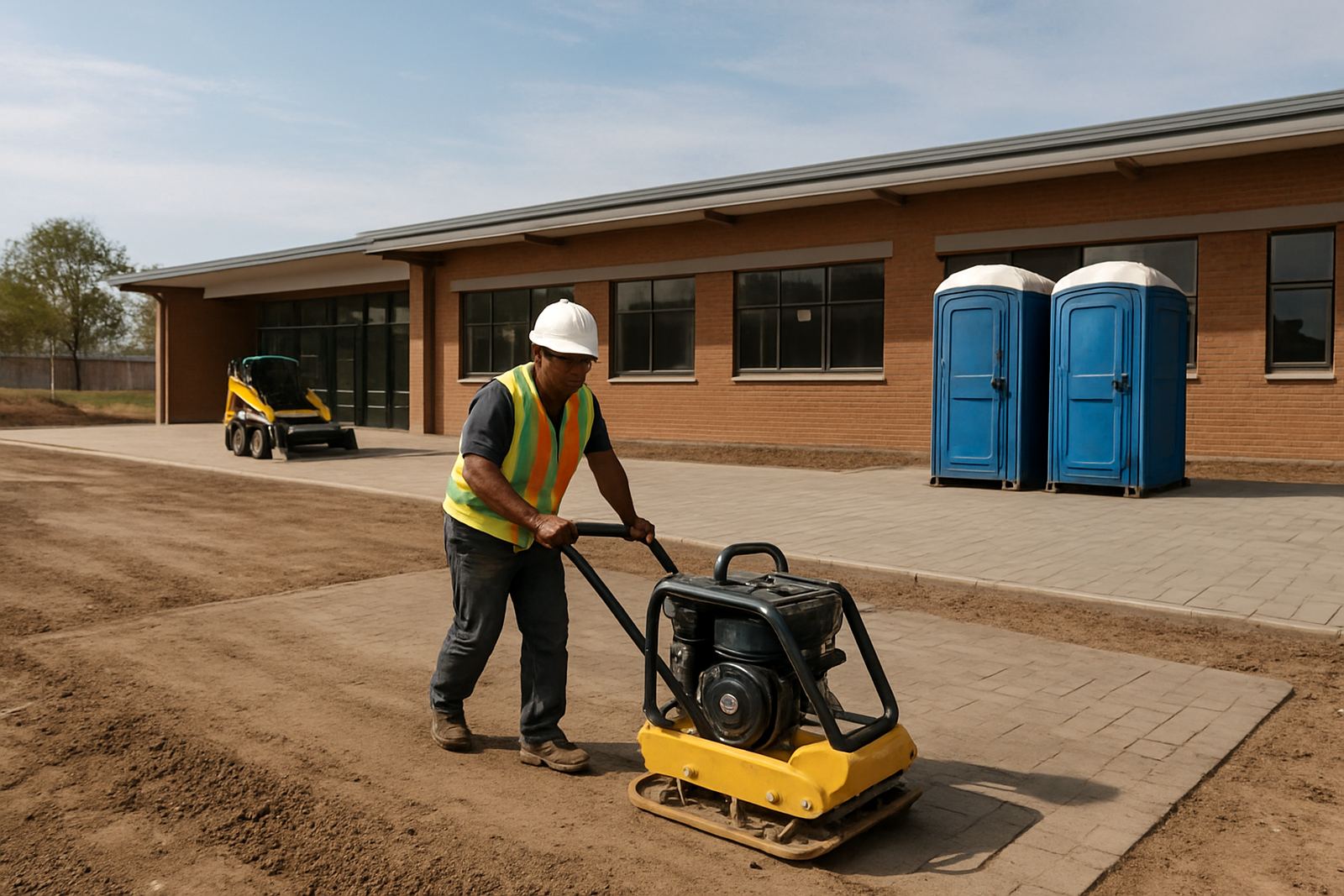
The core package included excavators for trenching and levelling, a bulldozer for bulk profiling and a telehandler for lifting and placing materials around the storage yard. We added generators for temporary power and support gear for access and safe working at height. All equipment was selected for hard site use, with enough capacity to handle long shifts and rough ground.
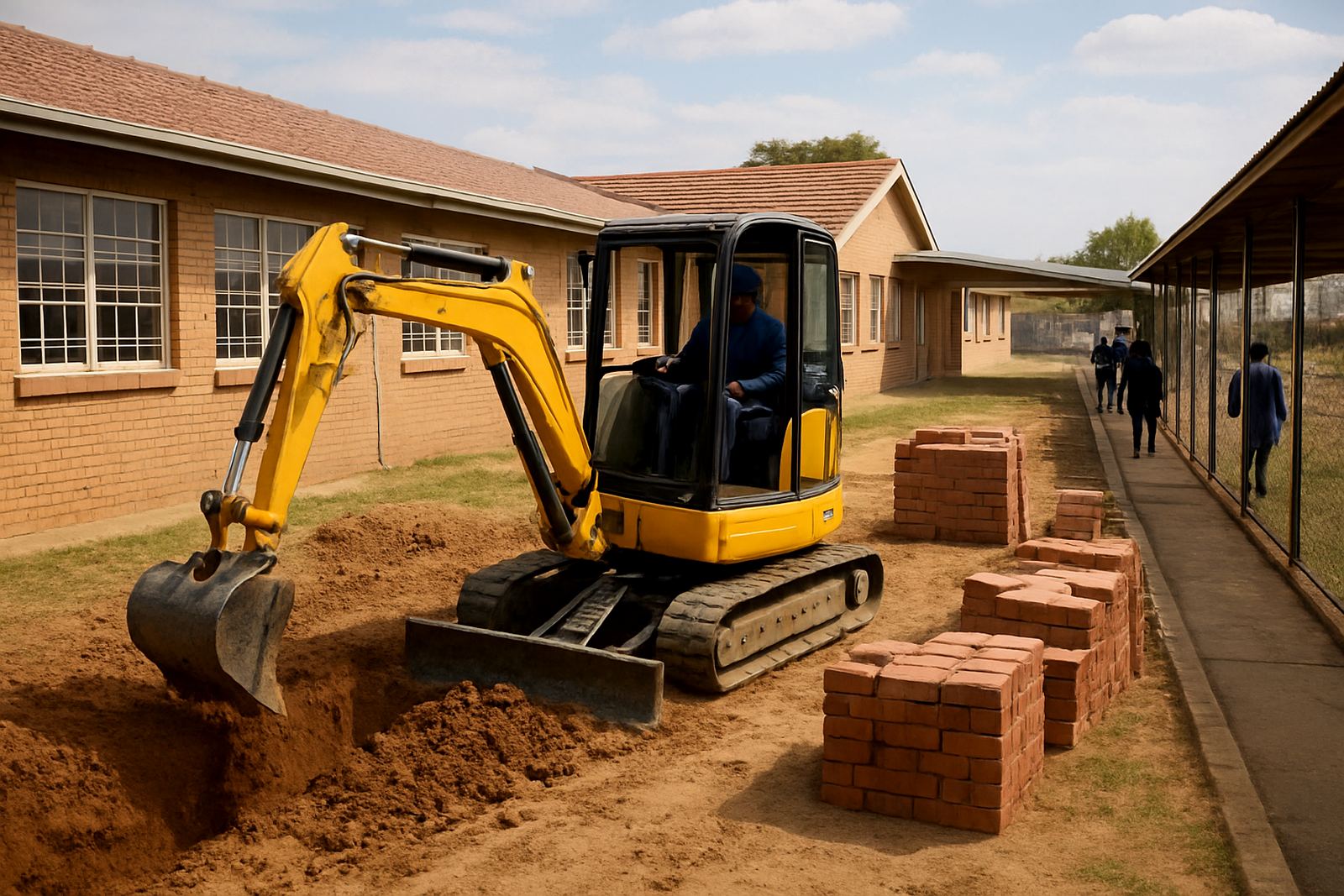
- 20-ton excavator for bulk excavation and loading
- 13-ton excavator for trenching and finish shaping
- Bulldozer with straight blade for spreading and site profiling
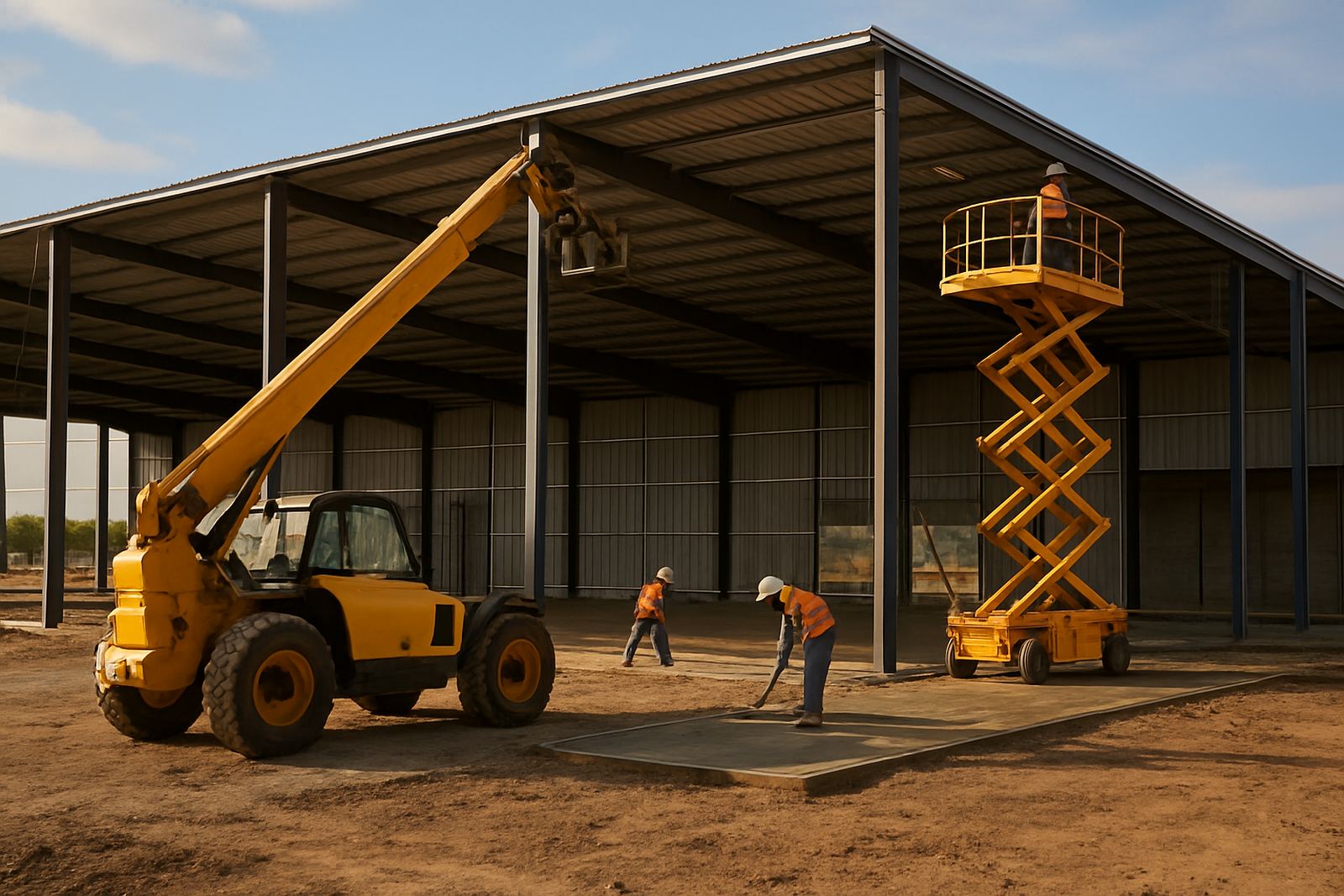
- 10 m telehandler with 3.5 tonne lift capacity for pallet movement
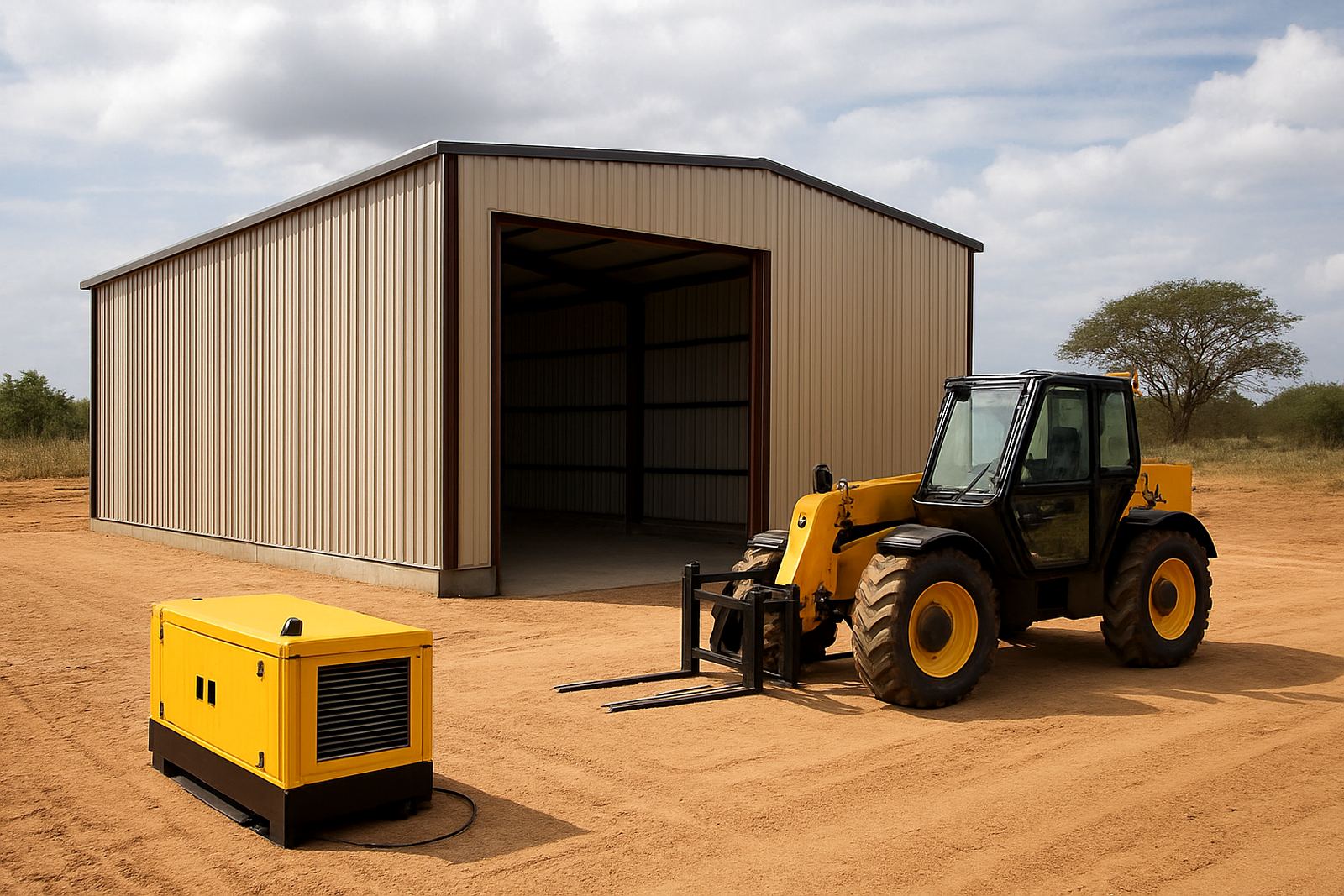
- Portable generator sets from 20 kVA to 100 kVA for site power and lighting
- Scaffolding components and access equipment for elevated work zones
Each unit went out with pre-delivery checks, fluid top-ups and site-ready documentation. On a coastal project, we paid attention to seals, greasing and battery condition as well, because salt in the air can shorten service intervals if the plant is left sitting without proper care.
Three-week hire sequence and site support
The project ran on a staged three-week hire sequence. Week one was mostly earthworks and base prep, with the excavators and dozer working from first light to late afternoon. Week two shifted into service trenches, material moves and slab support, so the telehandler and generators became more important. Week three focused on yard finish, final clean-up and swap-outs as the client moved into the next trade package.
Our depot team handled same-day dispatch where possible and arranged site deliveries to suit the contractor’s access windows. When weather slowed one area down, we adjusted the hire mix rather than leaving the client stuck with the wrong machine on site. The workshop team kept an eye on service intervals and tyre condition, and the safety lead made sure the required documentation stayed current for inductions and audits.
Keeping the site moving through weather and power interruptions
Richards Bay can be tough on plant. Humidity, windblown dust and sudden rain all add wear, and coastal jobs often need a bit more attention than inland sites. The generators were especially useful during interruptions and for temporary power during early works when the permanent supply was not yet live. That reduced delays to lighting, charging, small tools and site offices.
The telehandler saved time on material handling. Instead of moving pallets by hand or using smaller machines for repeated lifts, the contractor could place timber, mesh, cement and fittings where they were needed in one pass. The result was less double handling and fewer people exposed to lifting risks. It also kept the slab pour prep moving, which was important on a programme with tight follow-on trades.
Results on the ground and what the client gained
By the end of the hire period, the client had completed the storage build with fewer interruptions and cleaner handovers between phases. The site team stayed productive because the right plant was on hand when needed, and we could change out equipment without long delays. There were no major downtime issues and the contractor was able to keep to the programme with only minor weather adjustments.
- Reduced idle time through phase-based hire planning
- Fewer lifting delays from having a telehandler on site
- Stable power for site operations during load-shedding and early works
- Better control of hire cost through planned off-hire dates
- Safe, traceable support with delivery and compliance paperwork in place
For the client, the biggest gain was certainty. They knew who to call, what was arriving next and when each item would leave site. That made the build easier to manage and gave the foreman a proper grip on the programme, even when the weather turned and the schedule shifted a bit.
What we would repeat on the next Richards Bay job
If we were asked to support a similar coastal storage build again, we would keep the same structure: phase the hire around the programme, bring in a generator allowance early and keep one backup machine option ready for swop-outs. We would also plan a stricter washdown and inspection routine from day one, because salt and moisture can creep into a fleet faster than many teams expect.
We would likely keep the telehandler on site until all heavy materials and final fittings were in place, then step down to lighter support plant for the close-out period. That approach keeps the job practical and avoids paying for over-sized equipment once the heavy lifting is finished. In projects like this, timing matters just as much as machine size.
Key facts
| Project | Richards Bay Storage Build |
|---|---|
| Client type | Regional contractor |
| Location | Richards Bay, KwaZulu-Natal |
| Duration | 3 weeks |
| Main plant | Excavators, bulldozer, telehandler, generators |
| Key challenge | Coastal conditions, wet ground and power interruptions |