Warehouse site conditions in Midrand
The project was for a private logistics and storage client in Midrand, with a busy build programme on a flat site close to main freight routes. The contractor needed reliable hire support for platform access, soil preparation around service runs, and temporary power for night works and early starts. The main challenge was keeping multiple trades productive while the civil team and fit-out team worked close to each other.
Access around the footprint was tight in places, with delivery trucks, materials laydown and scaffold lines all competing for space. Dust control mattered too, because the site had regular vehicle movement and a few windy afternoons. We set up the hire plan so the contractor had machines arriving in the right sequence, instead of trying to keep too much plant on site at once.
What the brief called for
The contractor asked for a practical mix of access equipment, compaction plant and generator support for a build programme running over several weeks. They also wanted a single point of contact for fleet planning so that plant could be swapped out or added without slowing the site down. The brief was simple: keep crews working, keep the site safe and avoid downtime from missing kit.
- Access for installation and roofline work
- Compaction for final groundworks and service trenches
- Temporary power for tools, lighting and small plant
- Fast replacement if a machine needed attention
- Clear safety paperwork for site control and inductions
Plant supplied and support on the ground
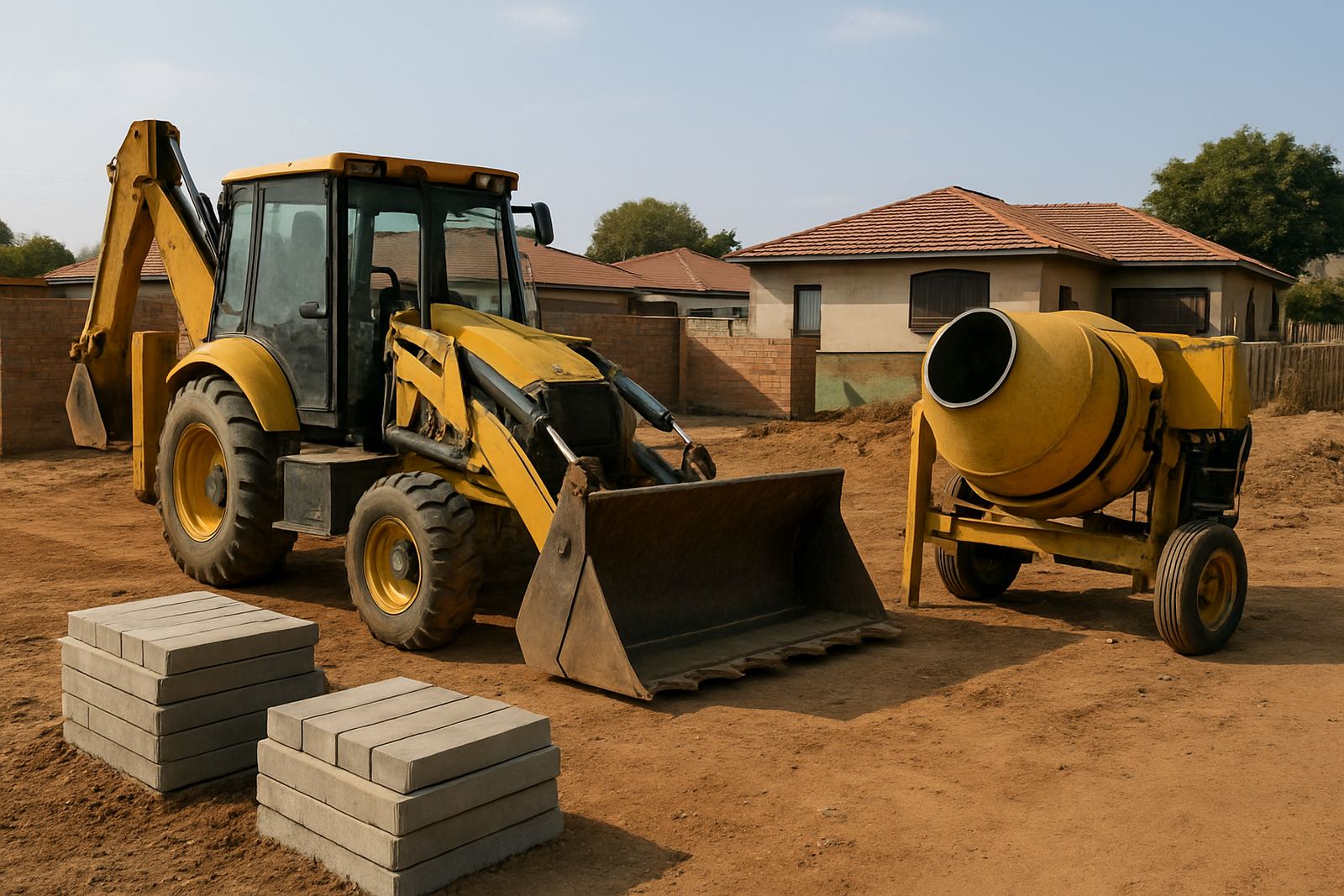
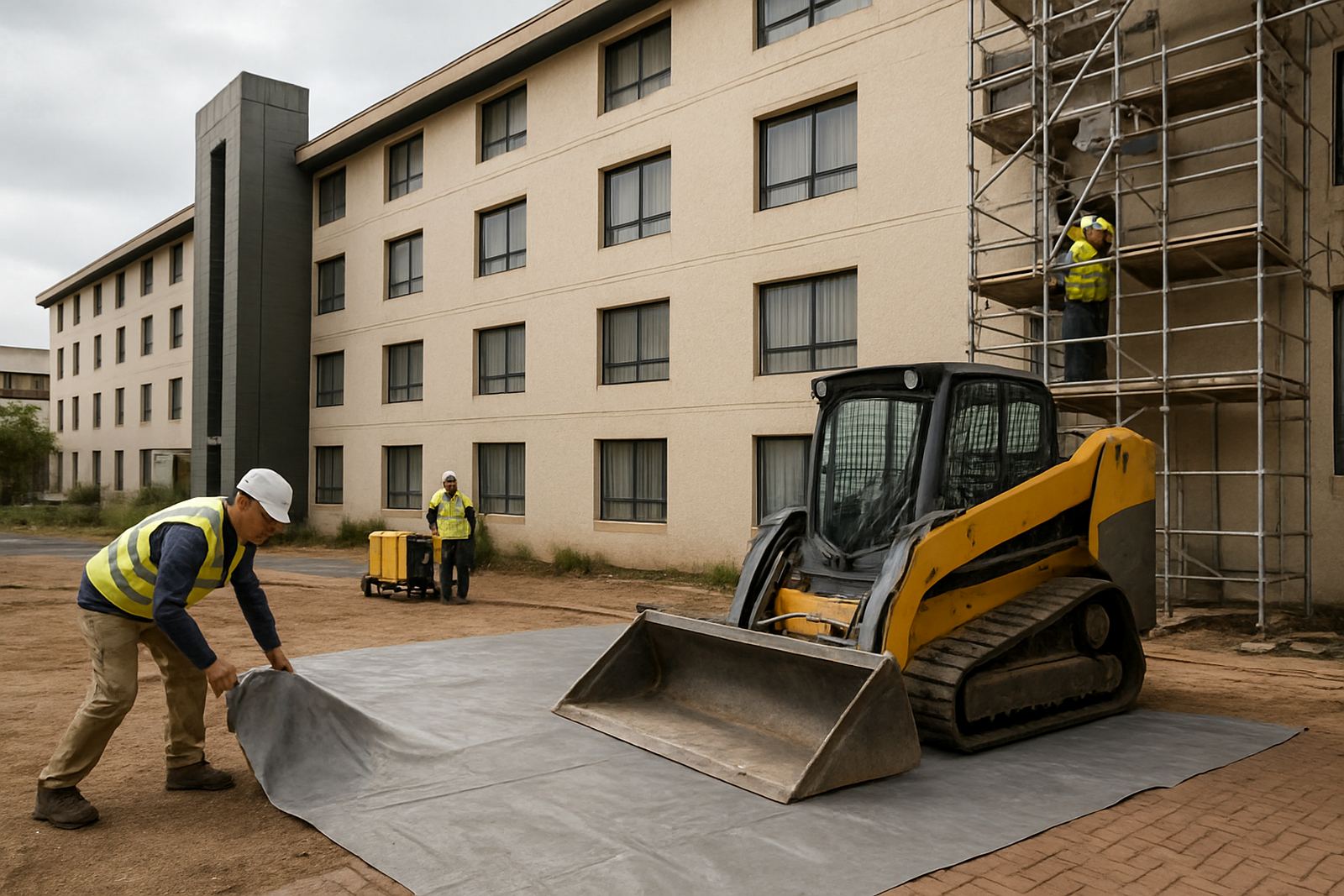
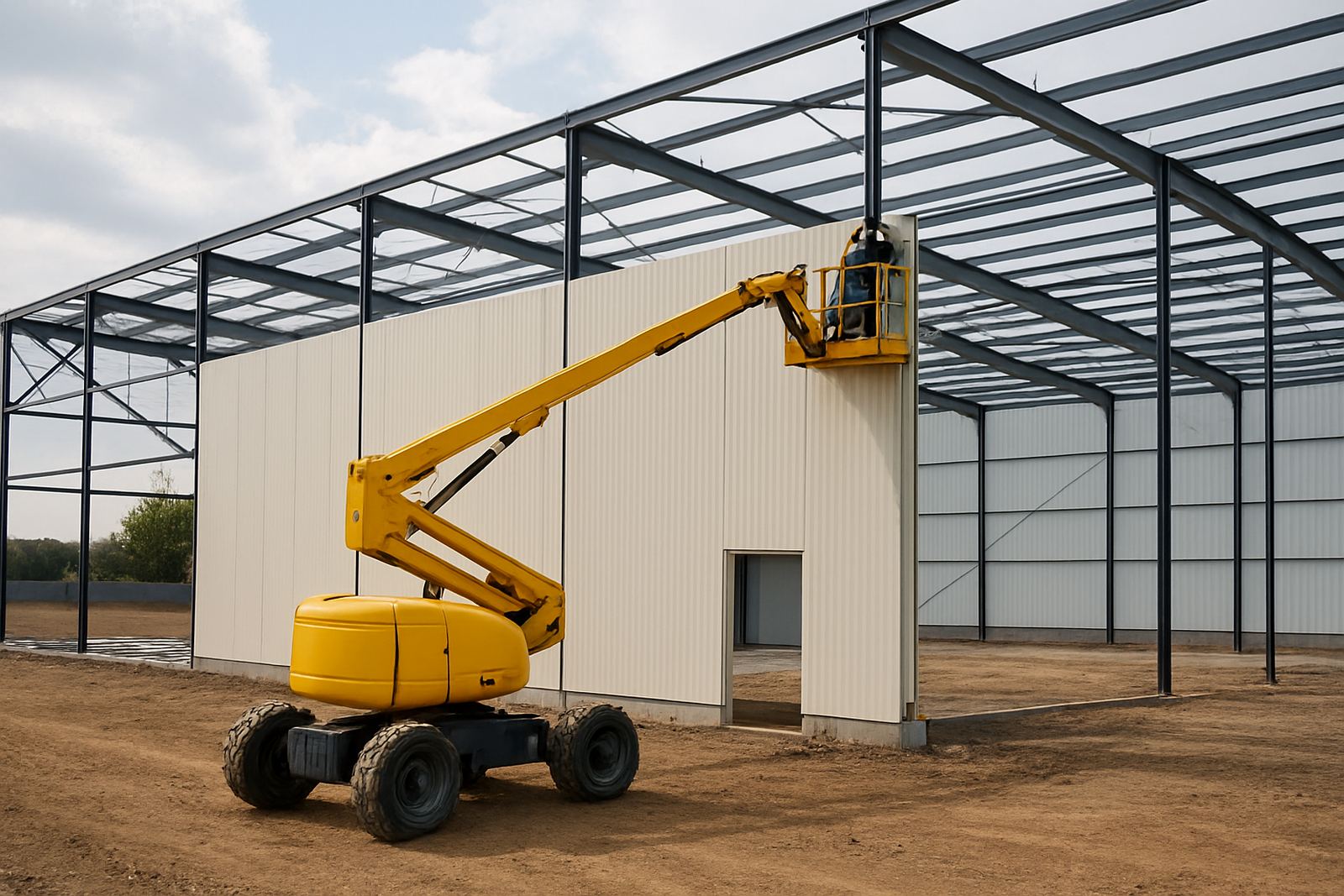
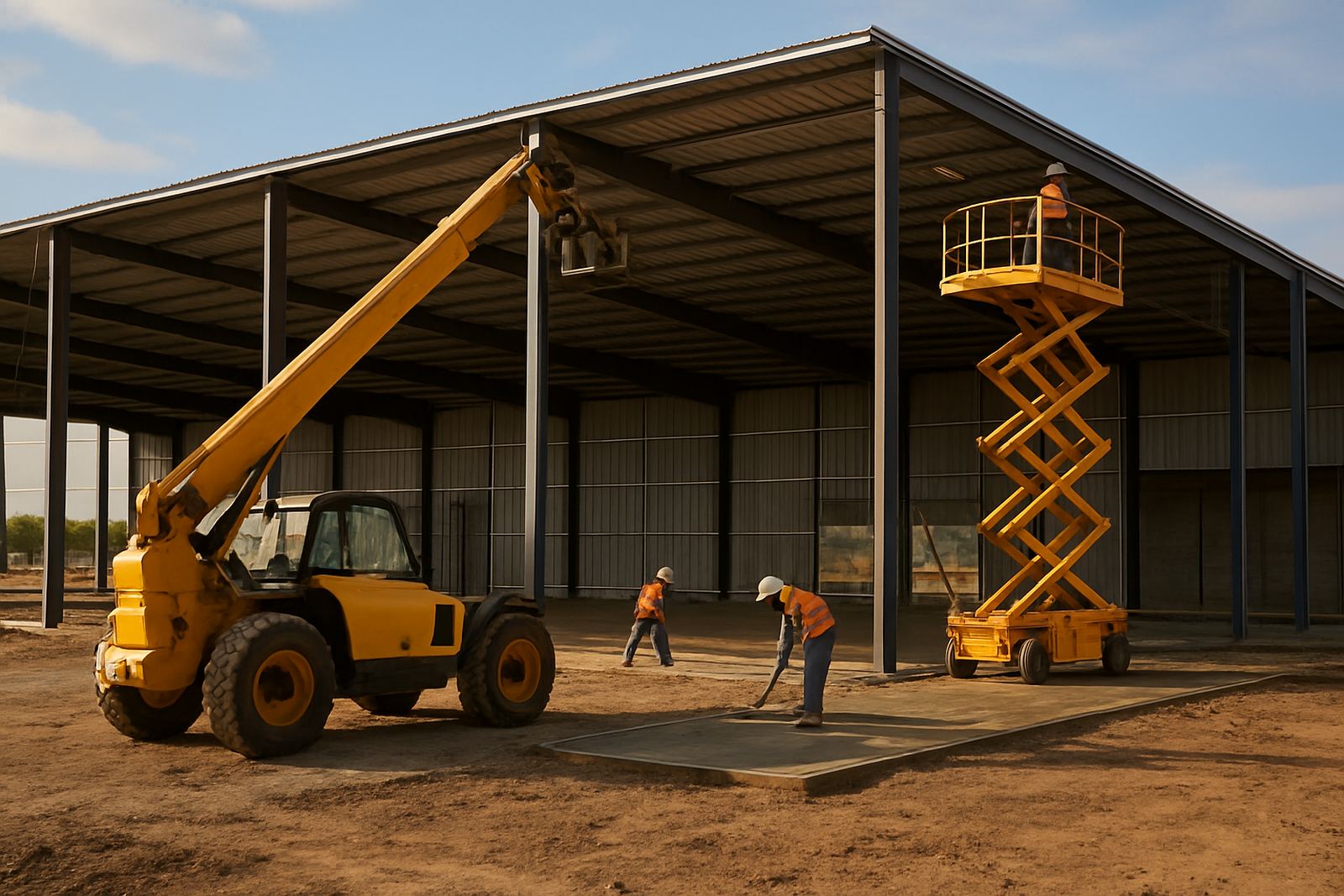
We supplied a tracked excavator for trenching and general site handling, a mid-size skid steer for material movement, ride-on rollers and plate compactors for finishing layers, and a 60 kVA generator for temporary power. For access, we added mobile scaffold towers and a self-propelled boom lift for work at height. Where required, we also supplied a small water bowser for dust suppression and surface control.
Our workshop checked each unit before dispatch, with fuel, tyres, pins and hoses inspected before loading. The generator went out with a proper change-over plan and enough cable length for the contractor to position it away from the main work area. We kept a spare compactor and a swop-out plan on standby in case a unit needed attention, which helped avoid stop-start work.
- Tracked excavator: 13 tonne class, 600 mm trench bucket, daily fuel checked
- Skid steer loader: 1.2 tonne operating capacity, quick-attach bucket
- Rollers: 800 mm to 1 200 mm drum width for compacting prepared layers
- Generator: 60 kVA, suitable for lights, hand tools and small site equipment
- Access lift: working height around 12 m for overhead install work
Timeline and delivery programme
The hire ran for six weeks in total, starting with site establishment and then shifting to civil support, access and power as the building envelope started to close in. Deliveries were staggered so the contractor did not have to make room for every machine at once. Same-day dispatch was used twice when the programme changed after rain and one delivery was brought forward to keep the slab preparation on track.
We also arranged weekend support during a short push to finish a section before a scheduled inspection. That meant fuel top-ups, a quick service check and a clean handover back to the site team first thing Monday. It sounds small, but it saved the client from losing a full day, which can happen fast on a warehouse job.
How we handled access, safety and site rules
Because the site had several contractors working at once, the main risk was not the machinery itself, but movement around it. Our hire coordinator kept a live list of what was on site, what was due off-hire and what could be swapped if the programme changed. The safety lead prepared the required documentation and made sure the equipment arrived with the right paperwork for induction and site control.
We kept the generator positioned away from main pedestrian routes and placed the access lift where it would not block material deliveries. Fuel management was handled on a scheduled basis so the team did not have to stop work to chase diesel at the last minute. In a few spots where the ground softened after rain, we moved the load path and re-checked the compaction sequence before the next pour.
- Delivery times aligned to traffic flow around Midrand
- Off-hire collections were booked to suit each trade handover
- On-site servicing reduced breakdown risk during long shifts
- Safety documentation matched the contractor's site rules
Results for the contractor
The warehouse build stayed productive because the right plant was available when each trade needed it. Access work moved ahead without waiting for borrowed equipment, the civil team compacted prepared areas properly, and the temporary power setup kept tools and lighting running through the later shifts. There was less wasted time moving machines on and off site and fewer delays caused by missing support kit.
By the end of the six-week hire period, the contractor had a clean handover and the project stayed within a workable rhythm. The site team said the biggest benefit was that they could speak to one hire counter for everything, instead of chasing several suppliers. That alone cut down on confusion and reduced pressure on the foreman.
What we would repeat on the next warehouse build
On the next similar project, we would set the hire plan early, especially for access kit and temporary power, because those are usually the first things to get squeezed when a schedule tightens. We would also keep a second compactor on standby from week one for slab edges and backfill areas, and add a fuel schedule before the first delivery leaves depot.
For warehouse jobs in Midrand, Germiston and the wider Gauteng corridor, this kind of planning works well because the build sequence often changes after inspections, materials arrivals or weather interruptions. A small bit of flexibility goes a long way, and it helps the whole site stay steady without extra fuss.
Key facts
| Project location | Midrand, Gauteng |
|---|---|
| Client type | Distribution warehouse contractor |
| Hire duration | 6 weeks |
| Primary equipment | Tracked excavator, skid steer loader, rollers, access lift, generator |
| Temporary power | 60 kVA generator with site cabling |
| Support included | Site deliveries, same-day dispatch, fuel management, safety documentation, off-hire collections |