
Hotel Refit Brief in Cape Town
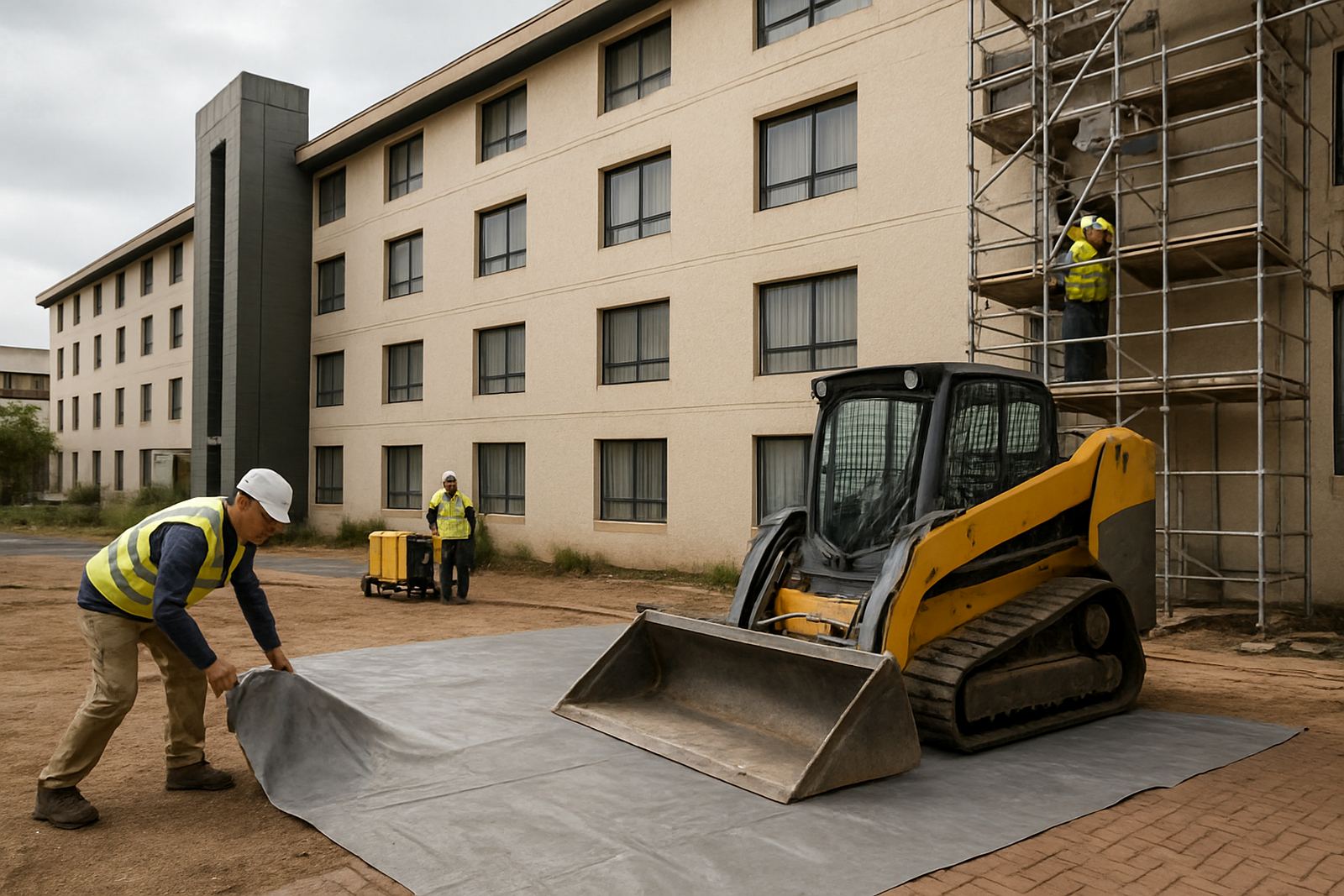
The project involved a mid-sized hotel in Cape Town that needed interior upgrades, back-of-house repairs, and exterior maintenance while staying partly operational. The client was a building contractor managing a mixed team of fit-out, electrical, ceiling and finishing trades. Our role was to supply the hire plant, access gear and temporary services needed to keep the programme moving without disrupting guests or adjoining businesses.
The brief was clear from day one: keep the site tidy, maintain safe access in public areas, and avoid downtime from power interruptions. The hotel sat in a busy part of the city with tight parking, limited laydown space, and strict noise windows. Because the work was phased over occupied levels, we planned the equipment by zone rather than sending everything at once.
- Project type: live hospitality refit with staged handovers
- Location: Cape Town city area
- Programme: 6 weeks, split into 3 active phases
- Main risks: guest safety, access control, load-shedding, limited storage
Access Equipment Sized for Tight Working Areas
Most of the work needed safe access to ceilings, service voids and façade details without blocking passages or fire routes. We supplied a mixed access package that could be moved quickly between floors and stored neatly after hours. The contractor wanted equipment that was easy to position, low impact on floor finishes, and suitable for interior use where dust control mattered.
For the higher and harder-to-reach areas, we provided compact access units with working heights from 8 m to 12 m, plus mobile staging for corridor runs and lobby details. The gear was selected to suit polished floors, narrow lift access and the need to work around public areas. We also planned delivery times to avoid guest check-in periods and kept the loading bay turnaround tight, which helped a lot.
- Compact access units for 8 m to 12 m working height
- Mobile staging for corridor and lobby sections
- Non-marking wheels where interior movement was required
- Small-footprint kit for lift access and tighter storage zones
Temporary Power and Backup for Load-Shedding
One of the main constraints was keeping the refit moving during power cuts and after-hours work. The hotel could not afford repeated stoppages, especially when ceiling works, sanding and test runs were scheduled. We supplied generator support and temporary power equipment sized to run lights, charging points and selected tools during outages and planned shutdowns.
The temporary services were set up with safe cable routing and clear separation from public walkways. Our team coordinated with the contractor so the power units could be isolated section by section. That meant the client could continue with critical tasks while the hotel remained partly open. We also kept fuel management on our side so the site team did not have to chase refuelling in the middle of a shift. It saved time and a few headaches too.
- Generator support for critical lighting and small power
- Temporary distribution for phased works
- Fuel management included on the hire plan
- Set-up arranged for night work and load-shedding periods
How We Planned Deliveries Around Guests and Trades
With hospitality work, timing matters as much as equipment. Deliveries had to be booked around breakfast service, conference movement and the hotel's quieter housekeeping windows. We used same-day dispatch where needed, then staggered the rest of the equipment so the site never got crowded. That made it easier for the contractor to keep routes open and avoid stacking equipment in front of guest areas.
Our Germiston base coordinated the hire and the Cape Town depot handled the on-the-ground turnaround. That local support meant the client could request plant swop-outs or extra items without waiting for long cross-country movement. When a team needed a different access unit for a corridor section, we adjusted the hire plan quickly and brought in the correct size the same week.
- Delivery windows arranged around hotel occupancy
- Phased drop-offs to reduce congestion on site
- Plant swop-outs handled during the programme
- Local depot support for faster response times
Safety, Compliance and Site Control
Because the refit involved an occupied hotel, safety documentation had to be in order before any plant went onto site. Nokuthula Khumalo and the compliance side of the team worked with the contractor on handover records, inspection schedules and access controls. The site had clear separation between guest movement and work zones, with signage, barriers and approved routes for materials.
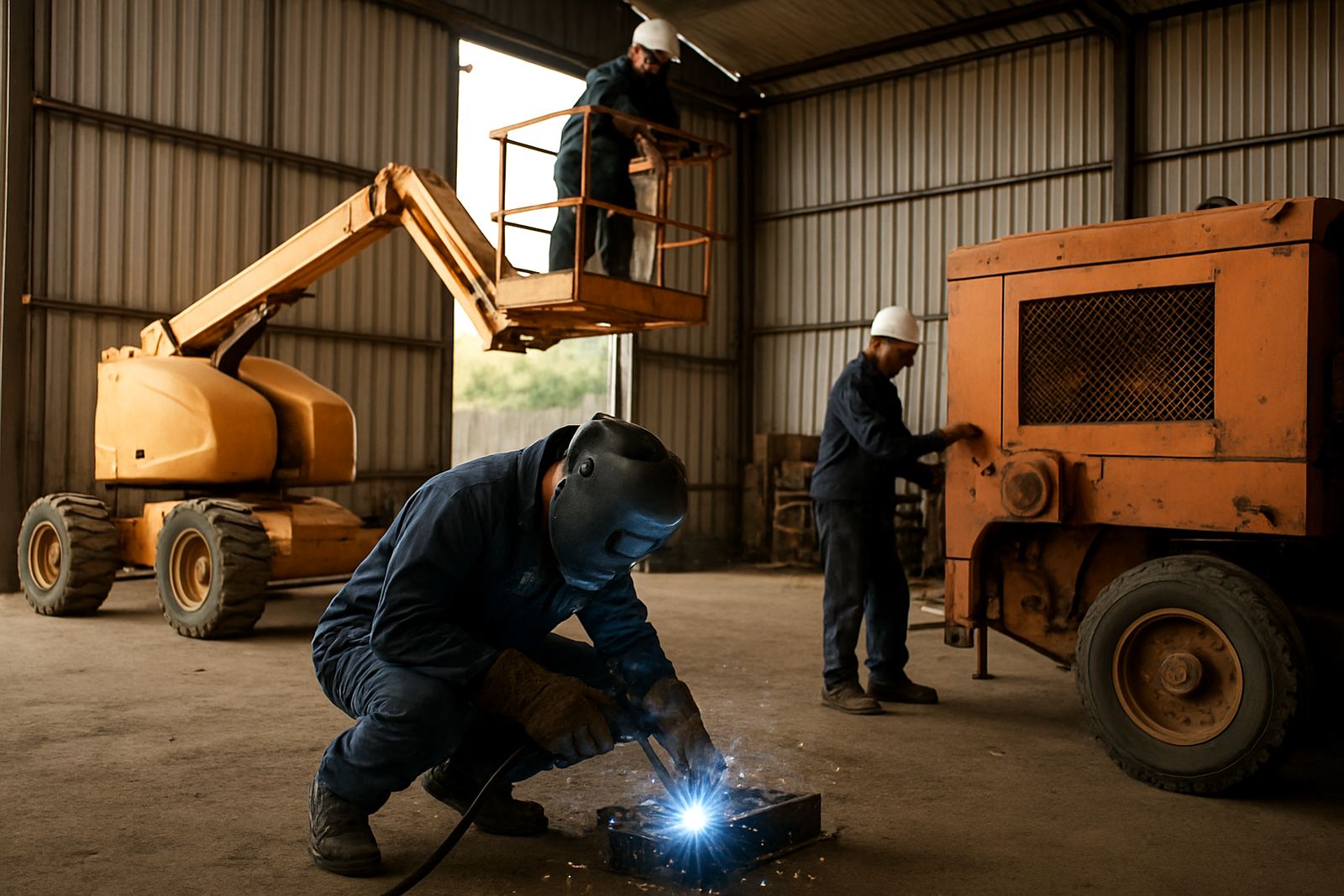
We also supported the contractor with practical on-site measures that are easy to overlook until the job is under pressure. That included equipment checks before each shift, breakdown response cover, and making sure the access gear was returned in good condition between phases. Willem Erasmus oversaw workshop readiness so any issue could be dealt with fast. The result was a cleaner handover process and fewer hold ups when different trades changed over.
- Safety documentation provided for the hire items
- Pre-use checks and scheduled inspections
- Clear separation of work zones and guest routes
- Breakdown response and workshop back-up available
The 6-Week Outcome on the Hotel Programme
Over the 6-week programme, the contractor completed the refit in planned sections without losing control of access or temporary power. The hotel remained partially operational, the trades could work to schedule, and the client avoided the stop-start pattern that often happens when support equipment is not matched properly to the site. The biggest win was consistency: the right machines were on hand when each stage opened up.
By the end of the project, the contractor reported better floor-by-floor coordination, less interference with guests, and quicker response when small changes came up. The hotel finished the works with minimal disruption and no major access incidents. For us, the project confirmed what we would do again on any similar job in Cape Town: plan in phases, keep the equipment compact, and make sure temporary power is part of the hire from day one.
- Programme completed in 6 weeks
- Minimal disruption to hotel operations
- Fewer delays from power interruptions
- Efficient handovers between trades and phases
Key facts
| Client type | Hospitality contractor working on an occupied hotel |
|---|---|
| Location | Cape Town, Western Cape |
| Programme length | 6 weeks |
| Access equipment | Compact units with 8 m to 12 m working height |
| Temporary power | Generator-backed supply for lights and selected tools |
| Support services | Delivery, breakdown response, on-site servicing and safety documentation |