
Factory footing hire for a live industrial site in Germiston
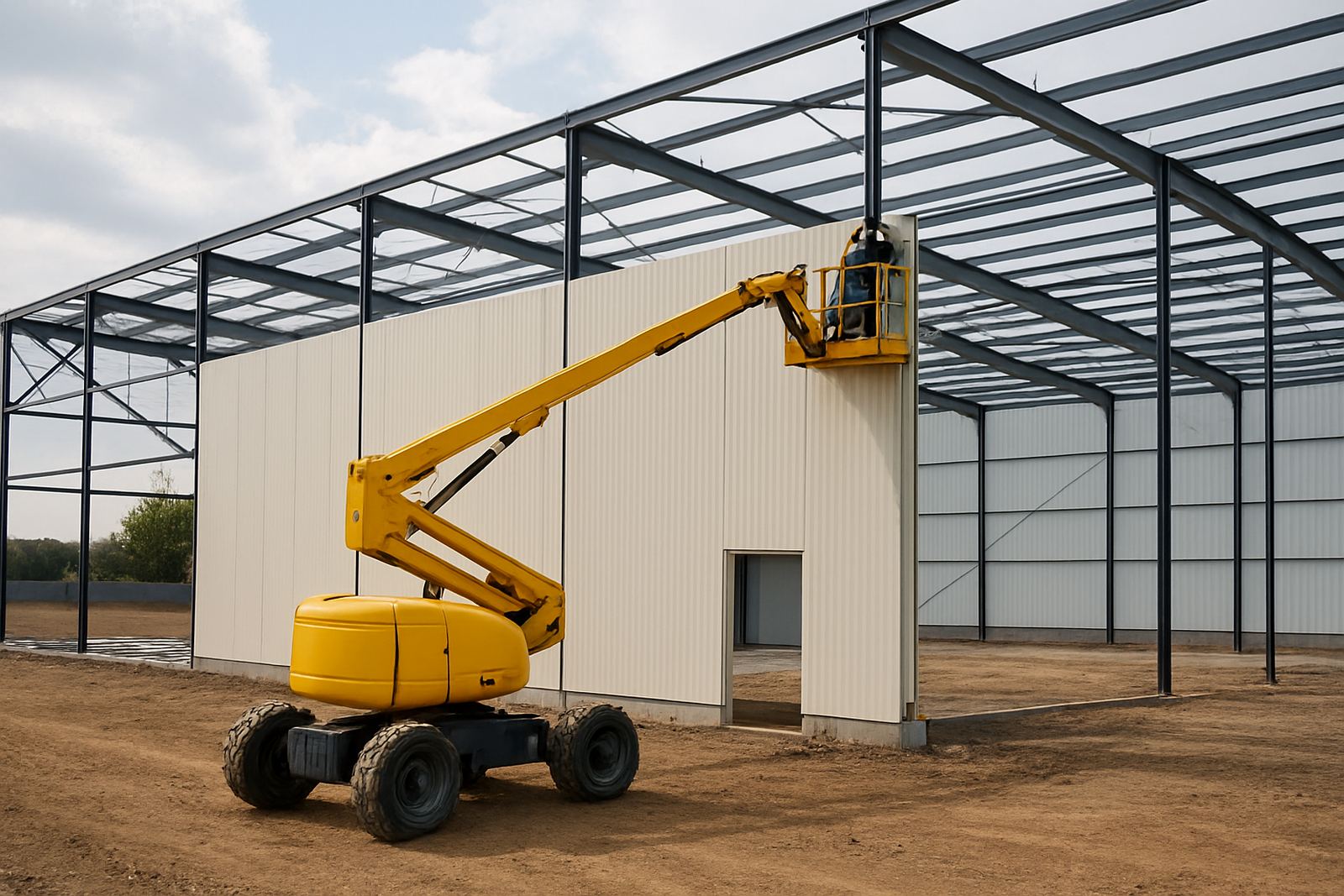
The client was a Gauteng industrial owner expanding a working factory yard in Germiston. The brief was straightforward on paper: open the footing lines, manage groundwater and concrete placement, and keep the build moving without interrupting day to day operations on the rest of the site. In practice that meant working around trucks, delivery bays and active staff areas, so every machine had to arrive ready and every hire decision had to suit the ground conditions.
The footings formed part of a new steel framed addition. The contractor needed equipment that could handle trenching, spoil removal, sump control and concrete prep in a compact footprint. We mapped the sequence with their site foreman before dispatch, then staggered the equipment so they were not paying for idle plant. That saved time and kept the footprint of the works smaller than a normal bulk earthworks setup.
The brief, the ground conditions and the access limits
This was not an open greenfield site. The existing factory had narrow access lanes, hardstand crossings and a live loading area that had to stay open during most of the week. There was also dusty subgrade in places, then softer sections after rain. That meant the hire plan had to cover both clean excavation and wet weather recovery, which is where a bit of planning saves real money.
We were told early that the pours had to happen in sequence, with no long waits between excavation, inspection and concrete. The client also had a safety team on site, so equipment had to arrive with the right paperwork and clear service records. We handled the hire in a way that matched their compliance needs and the actual site rhythm, not just the drawing set.
- Working factory environment with limited turning space
- Groundwater in selected footing lines after rain
- Concrete pours tied to a short programme window
- Need to keep loading activity and staff routes open
Plant and tools supplied for the footing package
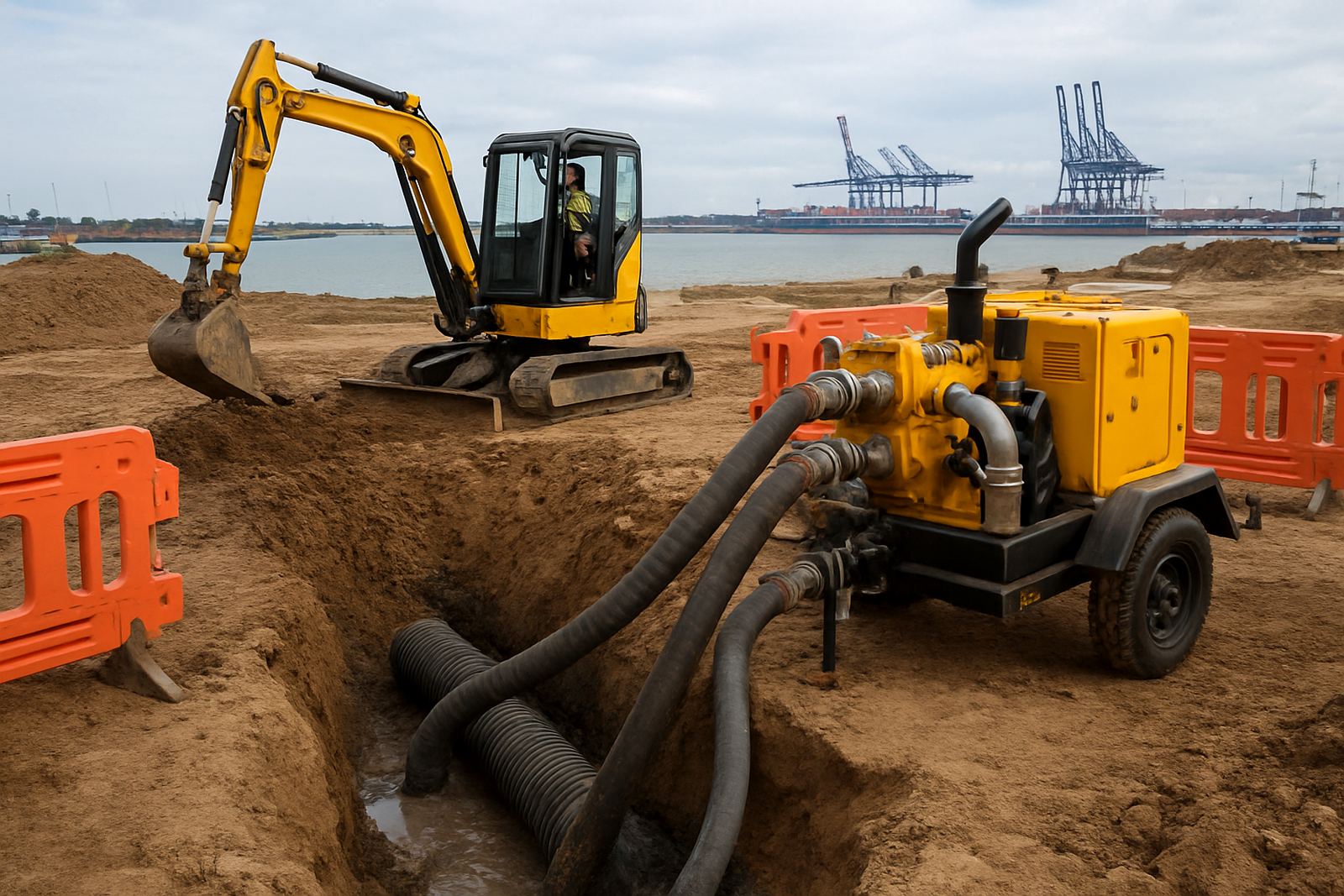
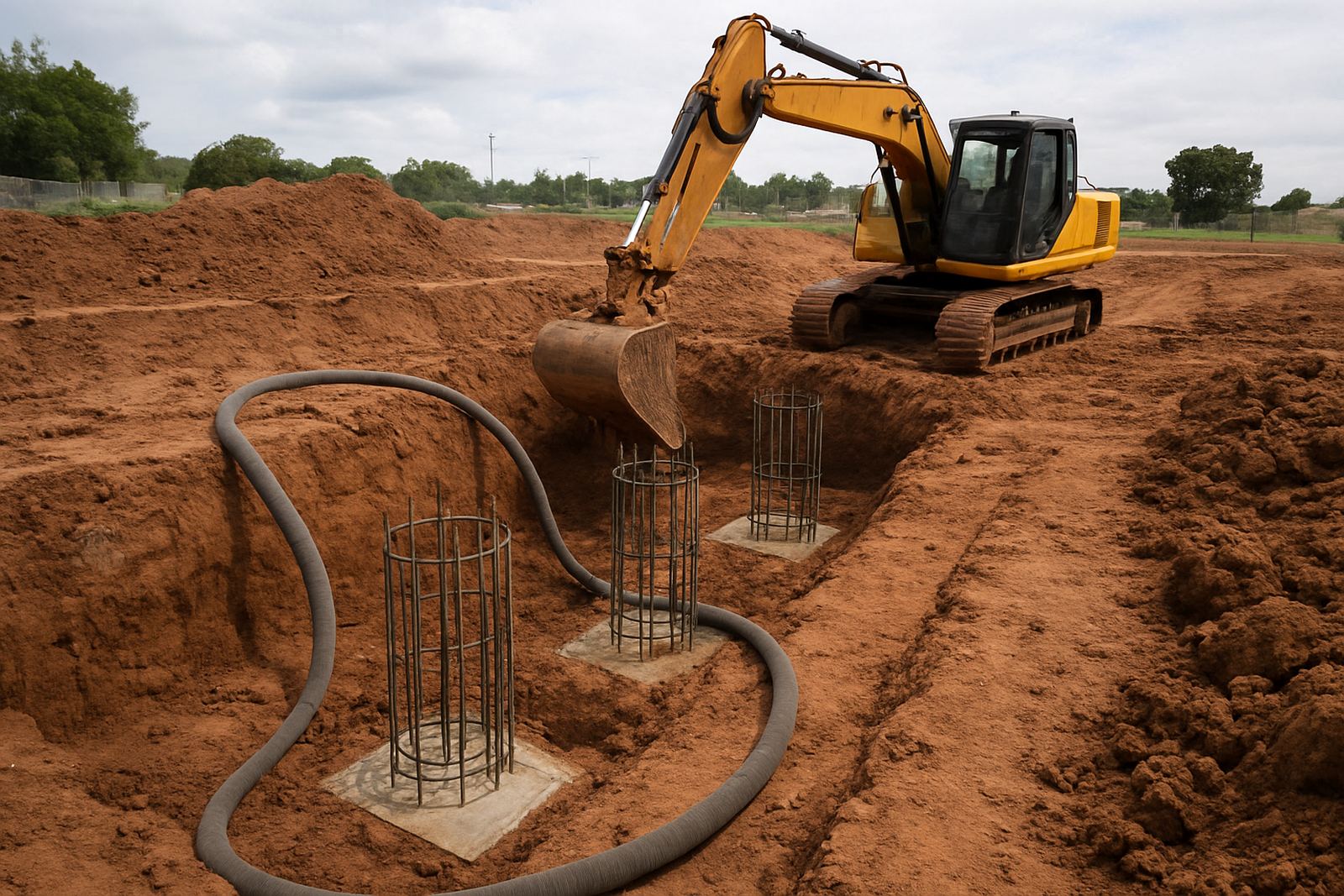
For the excavation stage we supplied a compact excavator for the tighter footing runs and a larger excavator for spoil handling and faster trenching where there was room to work. A tipper and site support gear helped move material without building stockpiles in the wrong place. For dewatering we added a pump set sized for intermittent sump control, which was needed after rain and during the early morning hours when water collected in the lower trenches.
On the concrete side, we supplied mixing and placement tools for the small detail pours and formwork adjustments, plus vibratory equipment for compaction. The contractor also used generator power where temporary supply points were not yet live. We kept the fleet flexible so the foreman could swop out smaller items as the sequence changed through the week, rather than waiting for a second delivery cycle.
- 1 x compact excavator for tight footing trenches
- 1 x larger excavator for bulk spoil handling
- 1 x dewatering pump set for sump control
- Concrete tools for placing, finishing and consolidation
- Generator support for temporary power on site
How we kept the programme moving over three weeks
The job ran over three weeks from first delivery to off-hire collection. Week one covered mobilisation, set-out support and the first excavation runs. Week two was the busiest period, with trench clean out, pump shifts and concrete prep before the main pours. Week three was used for final adjustments, patch work and collection once the client had signed off the footing lines.
Same-day dispatch mattered more than once. When the weather shifted, we sent additional pumping support and a replacement attachment rather than waiting until the following morning. That kind of response keeps labour on site productive and reduces the risk of a pour being pushed back. The contractor said the biggest value was not just the machines, but the fact that the hire plan changed with the job instead of forcing the job to suit the hire.
- Week 1: delivery, induction and first cuts
- Week 2: main excavation, dewatering and concrete prep
- Week 3: final touch-ups, inspection support and collection
Safety, service and breakdown cover on a busy footing job
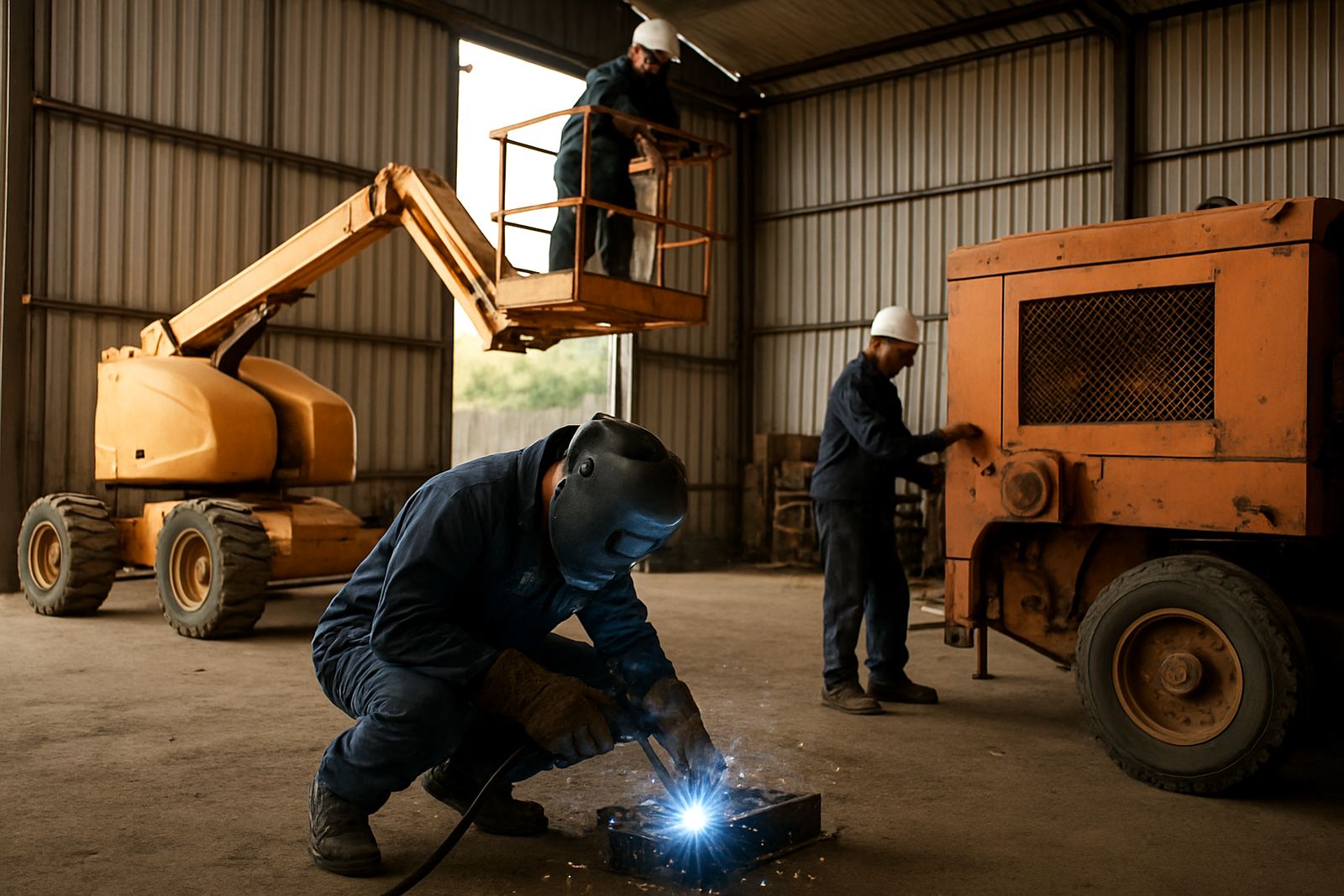
Industrial footing work needs discipline. Our safety and compliance lead issued the relevant documentation for the site file, and our workshop team checked the machines before each dispatch. That included basic servicing, fluid checks, bucket condition and quick visual inspection of hoses and fittings. It is simple work but it prevents a lot of downtime.
We also kept breakdown response open during the hire period. On a job like this, one stopped machine can back up the rest of the sequence, especially where concrete is waiting or labour is booked by the day. Because the site was in Germiston, we could move support quickly from our Johannesburg base and keep the downtime low. The contractor appreciated that the equipment was delivered clean, fuelled and ready to start, not still needing attention when it reached site.
- Pre-delivery checks on all hire equipment
- Safety file support for the principal contractor
- On-site servicing available if a machine needed attention
- Fuel management for longer operating shifts
What the client achieved and what we would repeat
The footing package was completed within the planned window and the factory addition moved into the next phase without avoidable delays. The excavation was kept tidy, water was controlled and the concrete pours were completed on schedule. The client avoided over-hiring plant that would have sat idle, and the site stayed orderly enough for regular factory traffic to continue around the work zone. That matters in Germiston where industrial yards are often active from early morning.
If we were doing the same project again, we would keep the same core package but push the sequencing even harder from day one. A clearer delivery order for the pump set and temporary power would help on sites with shifting weather, and we would still recommend a compact excavator first for the confined runs. For factory additions, the best approach is usually practical rather than fancy: the right size plant, the right timing and support that answers the phone when the site changes course.
This project is a good example of how foundation hire should work in Gauteng. Not too much plant, no unnecessary waiting, and equipment that keeps up with the contractor's pace from first cut to final pour.
Key facts
| Client type | Industrial contractor on a factory addition |
|---|---|
| Project location | Germiston, Johannesburg |
| Hire duration | 3 weeks |
| Main equipment | Compact excavator, larger excavator, dewatering pump set, concrete tools, generator support |
| Key services used | Same-Day Dispatch, Site Deliveries, On-Site Servicing, Breakdown Response, Safety Documentation |
| Result | Footings completed on programme with controlled water and minimal idle time |