
Live healthcare work in George needed careful planning
The project was a healthcare facility extension in George, Western Cape, carried out while the existing clinic remained open to patients and staff. The contractor needed a hire partner who could work around access limits, quiet operating windows and the movement of medical vehicles, without getting in the way of the day to day running of the site.
The brief was straightforward on paper but tight in practice. The team needed small plant for earthworks, material handling and general site support, plus welfare units that could be placed cleanly on a compact footprint. Because the site sat in a busy public area, every delivery had to be timed carefully and all equipment had to arrive ready to use. There was no appetite for surprises, rework or equipment that took days to set up.
- Live clinic environment with controlled access and patient traffic
- Limited laydown space for plant and site accommodation
- Need for quiet, tidy welfare units with reliable power
- Fast response required if a machine stopped during a working day
What we supplied for the George clinic extension
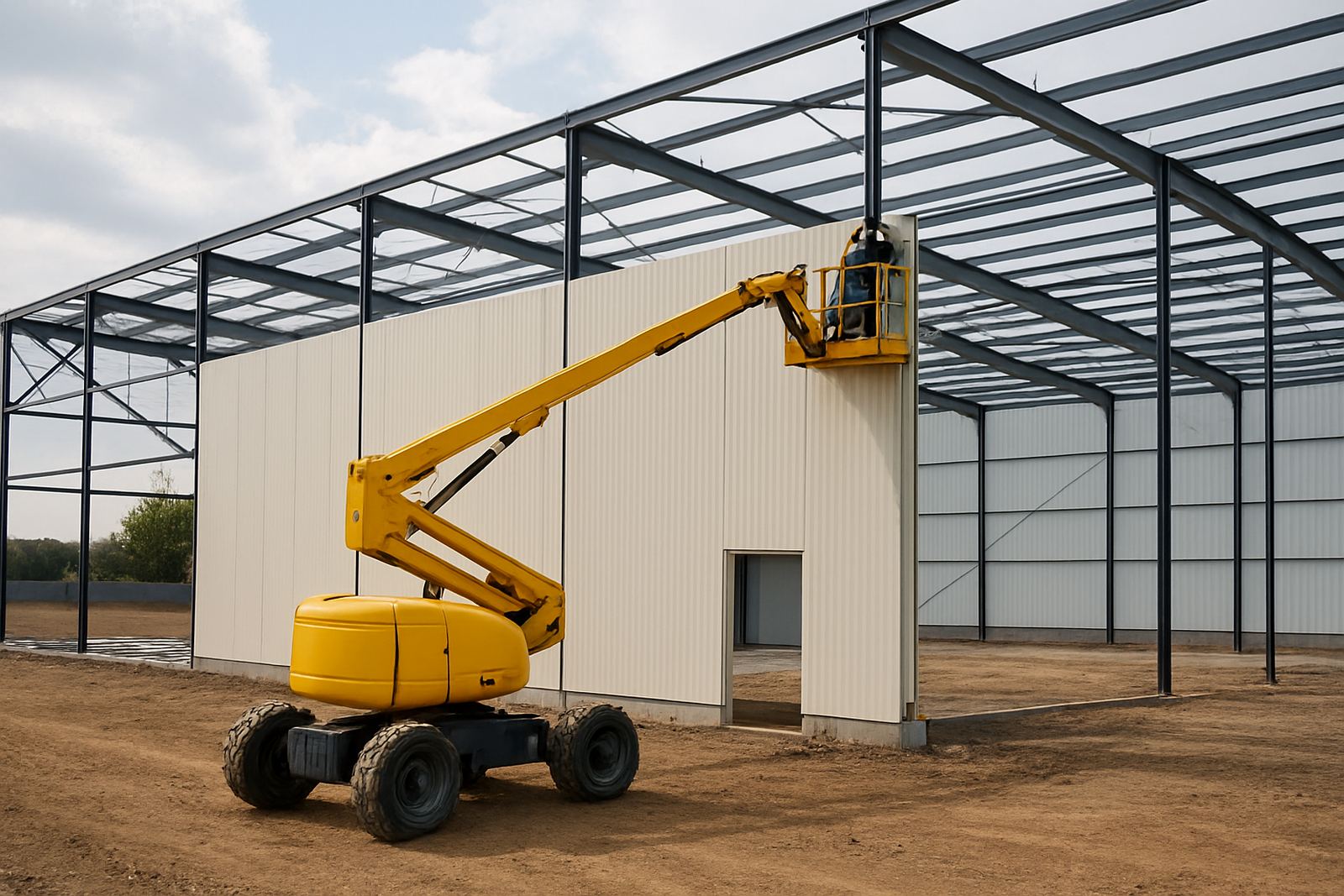
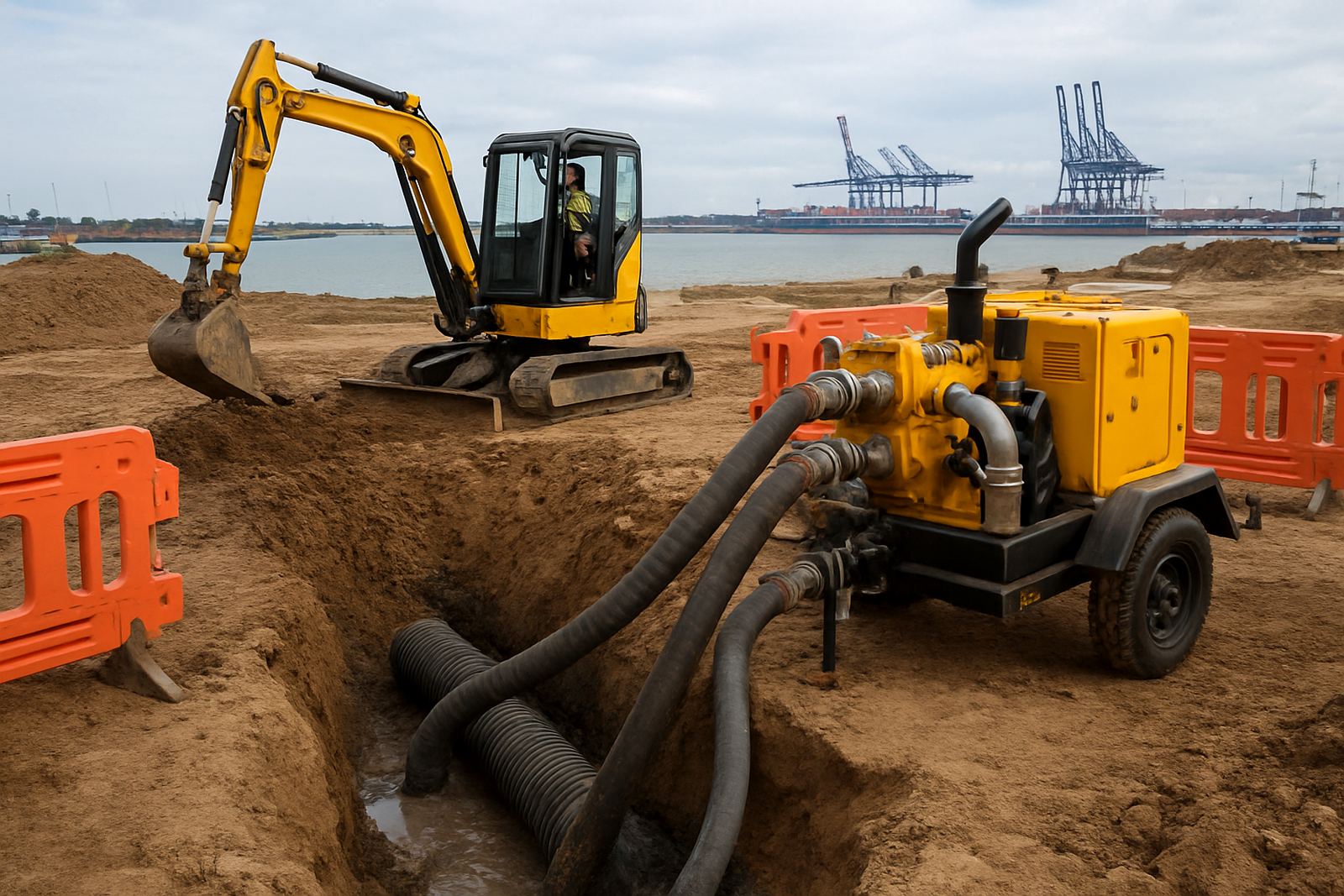
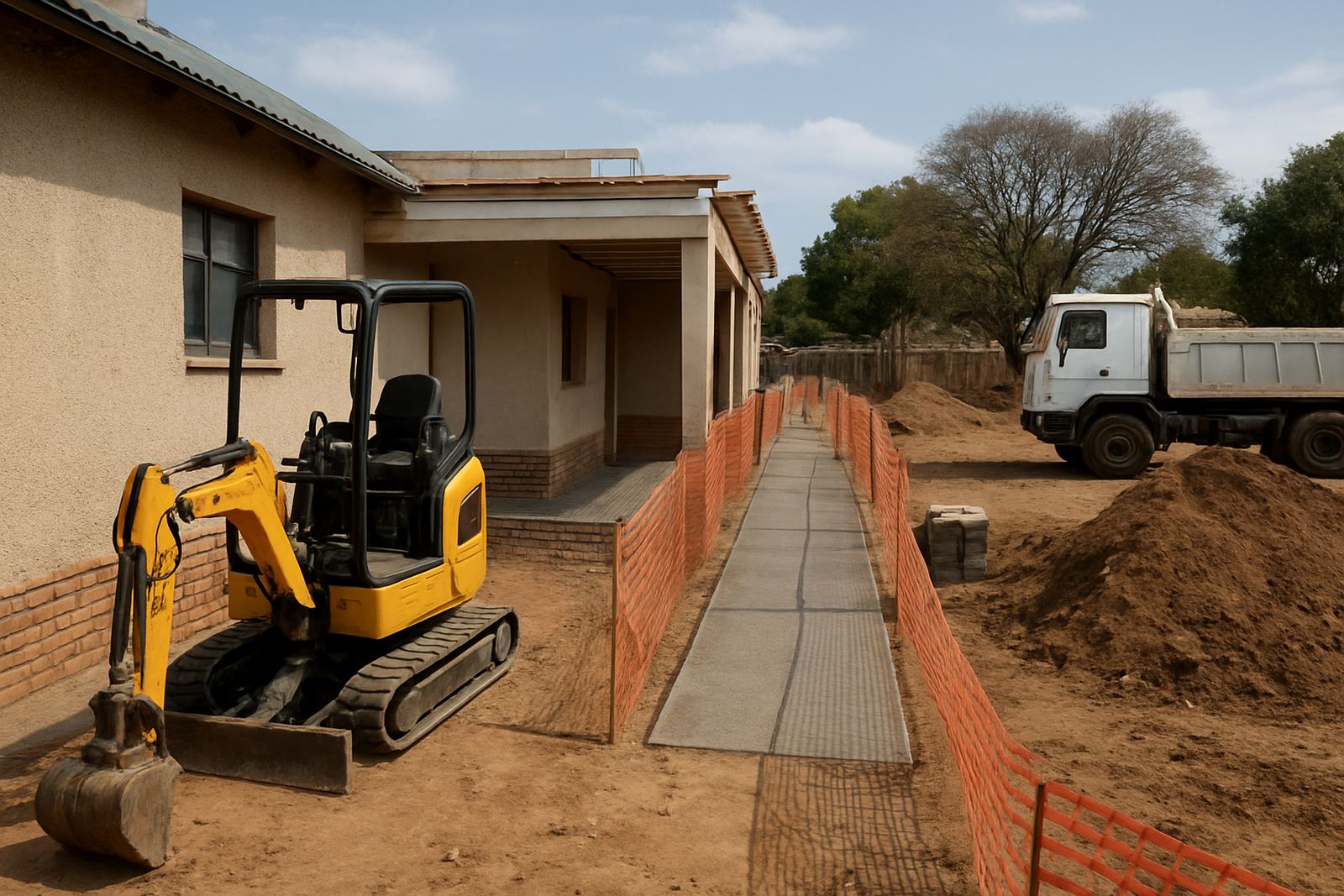
We supplied a matched hire package for the contractor, built around the work on site and the space available. The fleet included a 6 tonne excavator for trenching and service runs, a 3 tonne site dumper for spoil movement, a compact skid steer loader for backfilling and housekeeping, and a generator set sized to support temporary site power and the welfare units. For working at height and finishing tasks we also provided aluminium scaffolding and mobile access towers where needed.
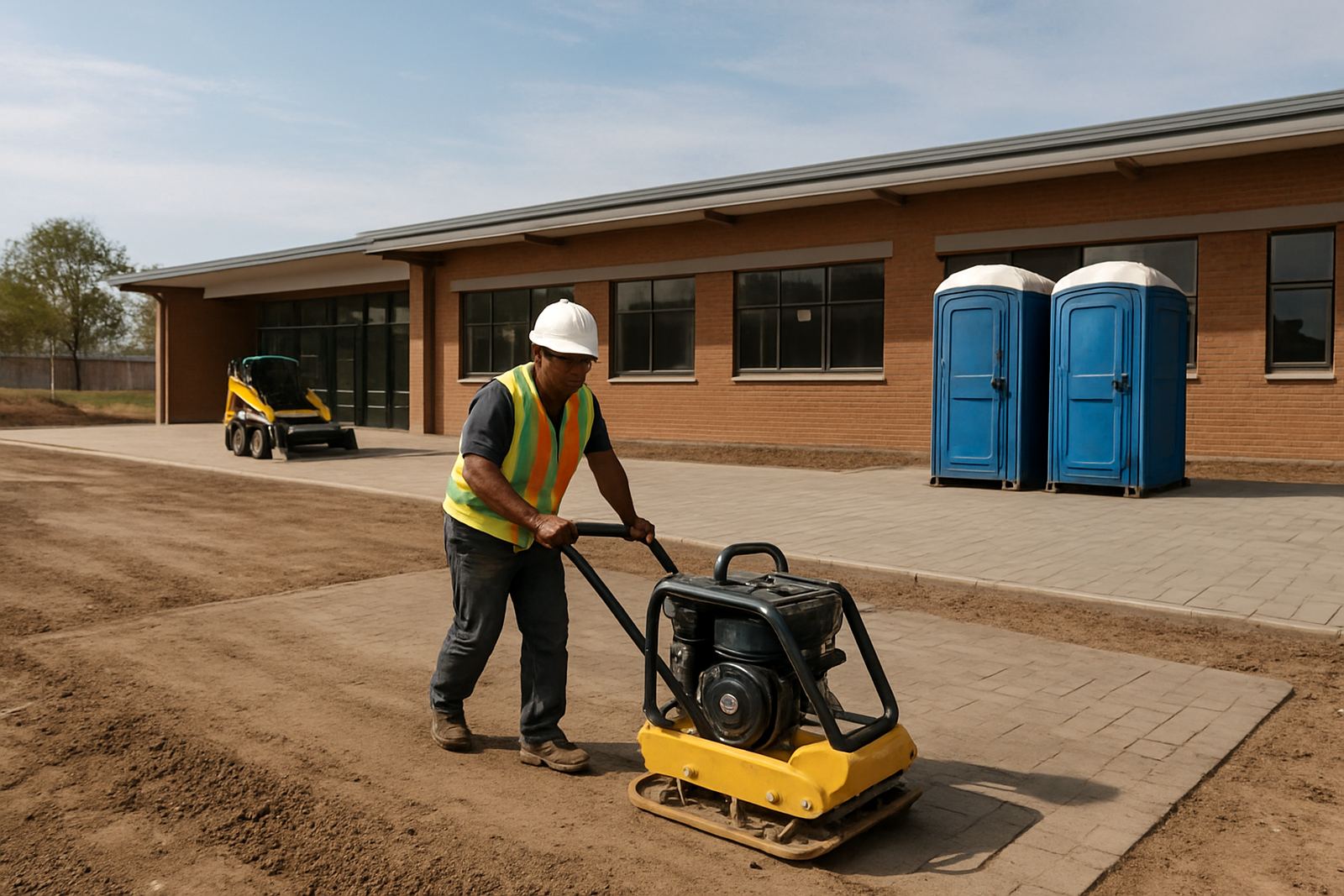
On the accommodation side we supplied site welfare units with seating, handwashing points and rest space for the crew. The units were chosen for easy placement and quick commissioning, which mattered because the contractor had to keep the site neat and avoid blocking clinic access. We also supported the hire with fuel management, safety documentation and planned servicing so the machines stayed in use rather than sitting idle.
- 6 tonne excavator for trenching and service work
- 3 tonne dumper for spoil and rubble movement
- Compact skid steer loader for tight areas and site clean-up
- Generator support for temporary power and welfare units
- Scaffolding and access towers for finishing trades
- Welfare units for crew break space and handwashing
Delivery in a working town with real constraints
George has its own operating rhythm, especially around the medical precincts and nearby roads where access can tighten at peak times. We planned the site deliveries to avoid congestion and to keep the contractor clear of patient entry points. Our team coordinated with the site manager so the equipment could be placed once, correctly, and put to work without extra handling.
The timeline ran over six weeks in total. In week one we completed the first site delivery, positioned the welfare unit and got the generator running. Weeks two to four covered the heavier excavation and backfilling stages, with weekly check-ins and a same-day dispatch option standing by if anything needed changing. The final two weeks were focused on finishing work, access adjustments and off-hire planning. That kind of pacing matters on a clinic project, where a missed delivery or a breakdown can push other trades back and create pressure for everybody.
- Week 1: delivery, placement and commissioning
- Weeks 2 to 4: excavation, spoil movement and support work
- Weeks 5 to 6: finishing, access changes and off-hire collections
Keeping the site moving when conditions changed
Like most live-site healthcare work, the plan changed a few times once the contractor got into the ground. There were narrow working windows, changing material needs and a few moments where the team needed a different machine on short notice. We handled those shifts through plant swop-outs and breakdown response planning, which kept the crew working instead of waiting for the next delivery.
The generator also proved useful during load-shedding and early morning start-ups, especially when the welfare unit and lighting needed power before the main services were ready. On the coast humidity can be a problem for equipment left standing, and although George is not a coastal port site, the weather still calls for machines that are checked, greased and cleaned properly. Our workshop team kept up with servicing intervals and our safety and compliance lead made sure the paperwork stayed current.
- Same-day dispatch available when the programme shifted
- On-site servicing used to reduce downtime
- Safety documentation supplied for the contractor files
- Fuel management helped keep the generator and plant consistent
Results on a site where cleanliness mattered
The result was a clean and controlled expansion site that could keep moving without interfering with clinic operations. The contractor completed the planned phases without major equipment downtime, and the welfare setup gave the crew a proper base without taking up unnecessary space. The small plant was the right size for the job, which helped reduce fuel burn and made the site easier to manage day by day.
From a client point of view, the real value was practical: reliable kit, quick answers and fewer interruptions. The project team could focus on the build, knowing that plant planning, collections and servicing were being handled in the background. That sort of support is often what makes a tight municipal or public-sector job run properly because there is very little room for delay.
What we would do again on a George healthcare job
If we were on a similar clinic extension again, we would follow the same approach: start with a site walk, keep the fleet compact and make sure welfare, power and access are planned together. We would also hold the swop-out options in reserve from the start, because live environments can change quickly when other contractors, visitors or municipal teams need space.
For us, the lesson from this George project was that a healthcare site needs more than machines. It needs timing, order and people who understand that a missed delivery can create a chain reaction. Sibusiso Mthembu and the team kept the hire practical and responsive from start to finish, which is exactly how we like to work on projects of this type.
- Start with a site walk and access plan
- Match plant size to the available footprint
- Keep welfare and generator needs in the first delivery
- Plan backup equipment before the programme tightens
Key facts
| Project | George Clinic Extension, George, Western Cape |
|---|---|
| Client type | Healthcare facility contractor |
| Duration | 6 weeks |
| Primary plant | 6 tonne excavator, 3 tonne dumper, compact skid steer loader |
| Support equipment | Generator, scaffolding, mobile access towers, welfare units |
| Services used | Site deliveries, same-day dispatch, on-site servicing, safety documentation, off-hire collections |