Check the access route before the truck is booked
Start with the route from the nearest gate to the offloading point. In Gauteng that often means checking for low tree branches, cable trays, tight turning circles, informal parking and weekend traffic around industrial areas. In Durban and Cape Town, steep entries, narrow streets and coastal wind can affect how a machine is moved off a truck. If the route is not suitable, say so early. A short delay at booking stage is far better than a truck sitting at the gate unable to enter.
Measure the width of the gate, the yard road and the final stopping point. If you have wall corners, drainage covers or unstable ground, note that too. On some sites a 20 tonne excavator may fit in theory, but the turning space is the real issue. Send clear directions to the site team and make sure the guard at the gate knows which vehicle to expect.
- Gate width and height
- Turning space inside the yard
- Ground condition after rain
- Overhead hazards such as cables or branches
- Any height restrictions at booms, bridges or security arms
Prepare a firm offloading area that can take the weight
The offloading zone must be level, compacted and clear of loose rubble, open trenches and standing water. Soft ground is a common problem on new developments around Midrand, Pretoria East and the outer edges of Durban where rain can leave the surface boggy. A delivery truck needs a stable area to park while the machine is unloaded, and the machine needs space to move off in a straight line.
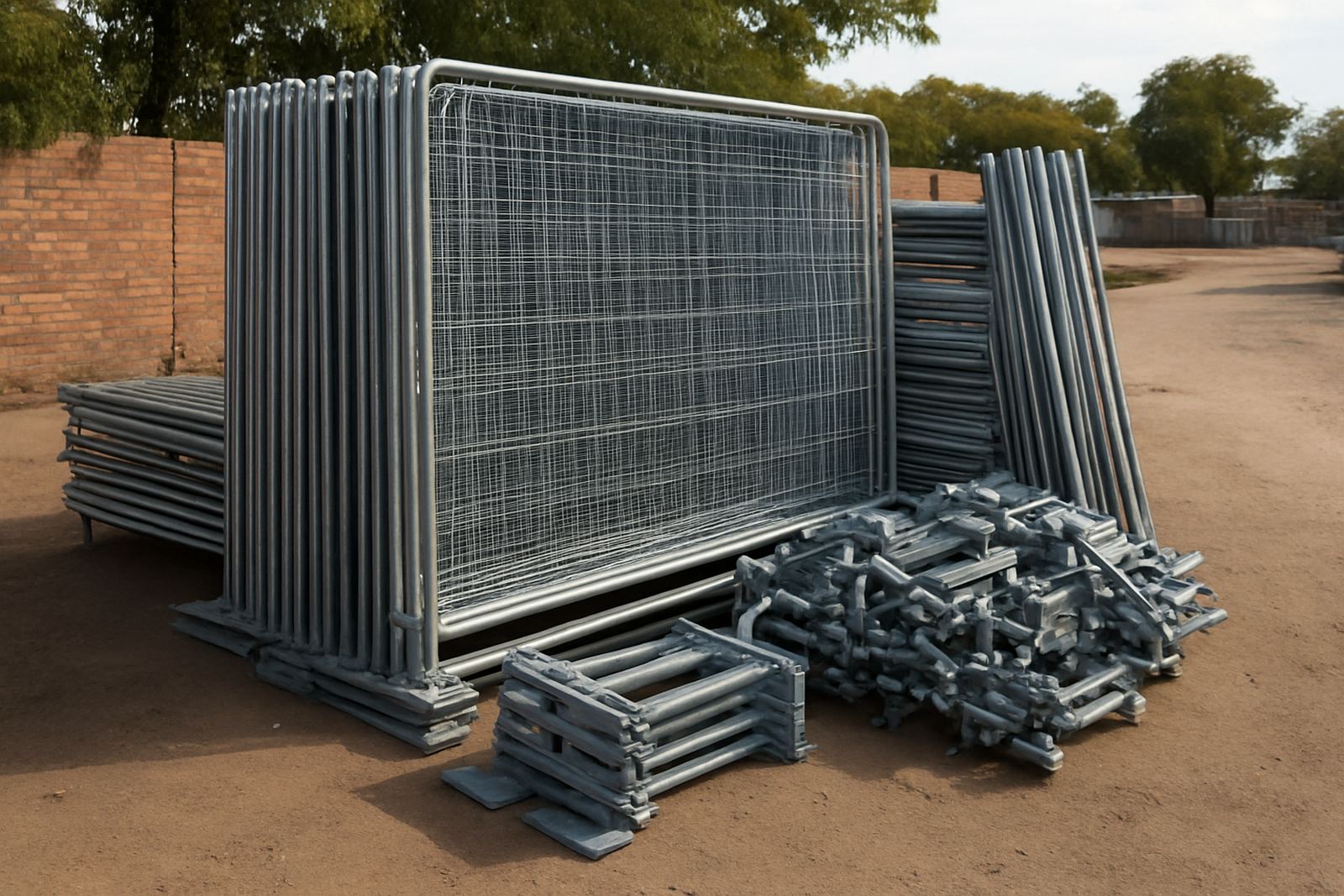
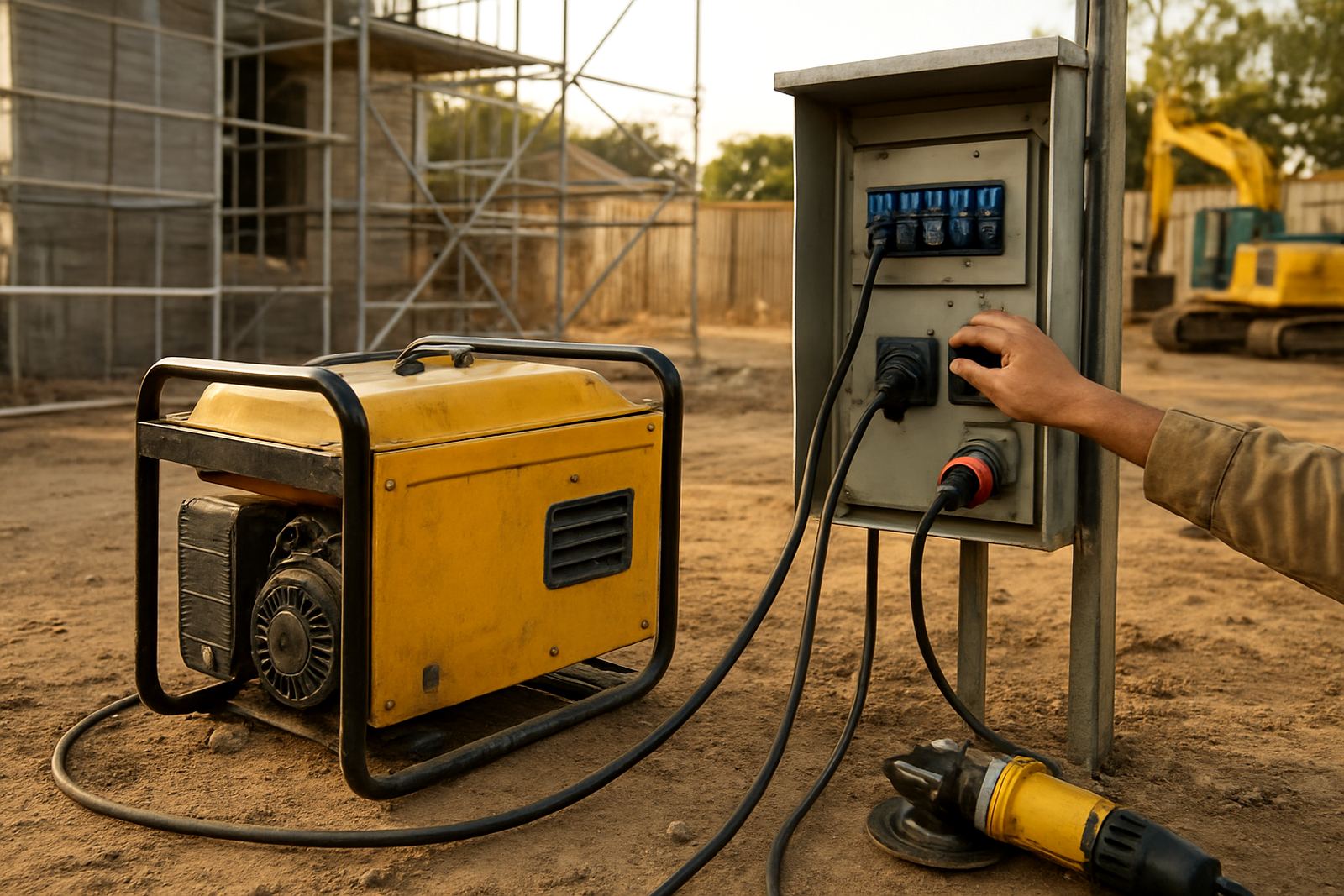
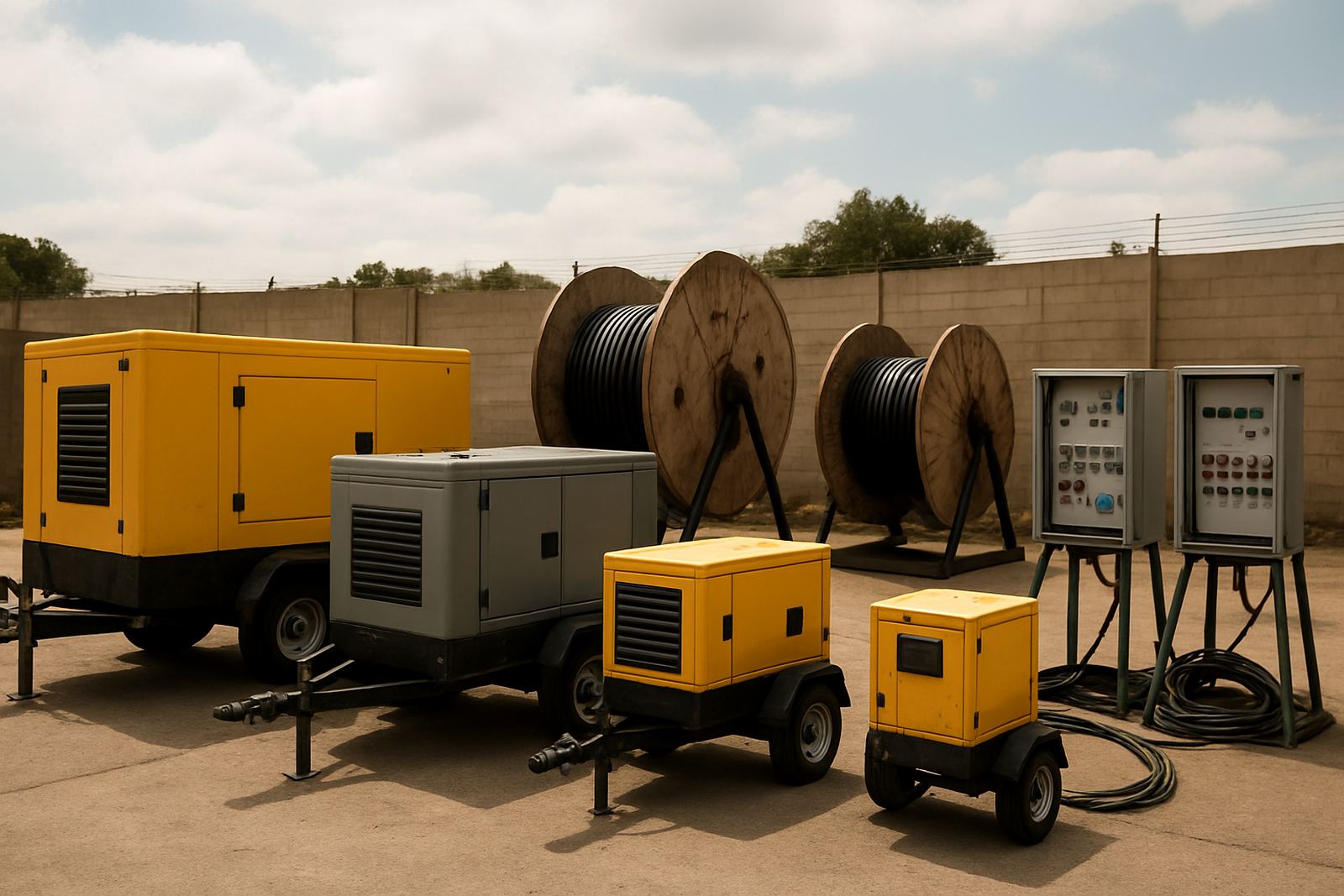
Keep the area separate from pedestrians, other trades and open plant operating zones. If the site is active, mark the offloading point with cones or barrier tape and brief one person to control movement. Do not let the offload happen under live cranes, next to an excavation edge or beside overhead power lines. If you need scaffolding or generator hire delivered at the same time as heavier plant, plan the sequence so smaller items do not get trapped behind larger equipment.
- Remove loose stones, timber offcuts and scrap steel
- Fill potholes and cover soft spots before delivery
- Keep pedestrians out of the delivery lane
- Choose a flat area away from excavations
- Have a spotter ready to guide the driver
Set the timing around your site programme
Delivery timing matters as much as the machine itself. If concrete pours, plant movement or road closures are already on the programme, the delivery should fit around those activities. Early morning arrivals work well for many Johannesburg sites, while some municipal or CBD areas may need tighter access windows. If you are working in Bellville, Pinetown or inner-city Pretoria, allow extra time for security checks, loading bay rules and traffic.
Confirm when your team will be ready to receive the equipment. A machine that arrives too early may sit unused, and a machine that arrives too late can hold up subcontractors, surveyors or breakdown crews. Where possible, arrange delivery for a time when your supervisor, safety file and site access log are already in place. If your project runs on a tight handover date, build a small buffer into the schedule. Weather, traffic and municipal restrictions can change quickly.
For long-term hire, it helps to plan deliveries at the start of each phase rather than day by day. That makes it easier to manage fuel, operator supply and any plant swop-outs needed later in the job.
Keep the paperwork and site contacts ready
Delivery delays often happen because the paperwork is not ready at the gate. Make sure the receiving supervisor has the right name on the booking, knows the delivery time and can sign off on the equipment. Safety documentation should already be on site if your project requires it, and the person receiving the machine must understand any site rules before the truck arrives.
For municipal work, check whether the site needs additional access permits or local authorisation for road occupation, temporary barricading or offloading in a public area. In busy commercial zones around Germiston, Boksburg and Midrand, security teams may want vehicle registration details in advance. The cleaner the handover process, the quicker the machine can be placed and inspected.
- Site contact name and number for the day
- Gate instructions and security requirements
- Delivery time window
- Required documents for sign-off
- Any permit or access approval needed
Plan for safe offload and first inspection
Once the truck is on site, the first job is a safe offload. The driver and site contact should agree on the route, the parking position and the direction of travel before any ramps or lifting gear are used. If the machine has attachments, make sure they are unloaded in a way that keeps them together and easy to identify. Nothing should be moved by hand unless it is safe to do so and everyone is clear on the process.
After the machine is on the ground, walk around it with the site supervisor. Check for transport damage, missing parts, fuel level and any warning lights or leaks. Record the condition before it enters service. If the equipment is going straight into a high-demand shift, test controls and basic functions first so minor issues can be picked up early. On coastal sites, salt air can affect stored plant quickly, so it helps to inspect hoses, pins and electrics straight away.
Use a simple site delivery checklist before the truck arrives
A short checklist keeps the process practical. Share it with the foreman, safety lead and security guard so everyone knows what needs to happen. The more organised the handover, the less time is lost waiting at the gate or looking for space.
- Access route confirmed and measured
- Offloading area cleared and level
- Gate and security team briefed
- Site contact available to receive the machine
- Safety documentation prepared if required
- Permit or municipal approval checked where needed
- Fuel, operator and swop-out requirements confirmed
- Weather and load-shedding risks considered for the day
If you are unsure about access or timing, ask before the delivery is set. A quick planning call can prevent a costly re-run. MachinesAfrica Rentals supports sites across Gauteng, KwaZulu-Natal and the Western Cape with same-day dispatch where possible, weekend support and on-site servicing when needed.