
Start with the job height, reach and access points
Before you hire scaffold, work out exactly where it must go and what it must reach. Measure the wall height, the working platform height, and any overhangs, parapets, gutters or service lines that could affect the layout. A simple sketch with lengths in metres saves time and stops the wrong frame from arriving on site.
For façade work, look at the full face of the building and note entry points, gates, storage space and whether the scaffold must step around balconies or stair cores. For internal access, check floor-to-floor heights, lift shafts, atriums and tight corridors. Tower access usually needs a smaller footprint but more attention to base stability and tie points.
Match the scaffold type to façade, internal or tower work
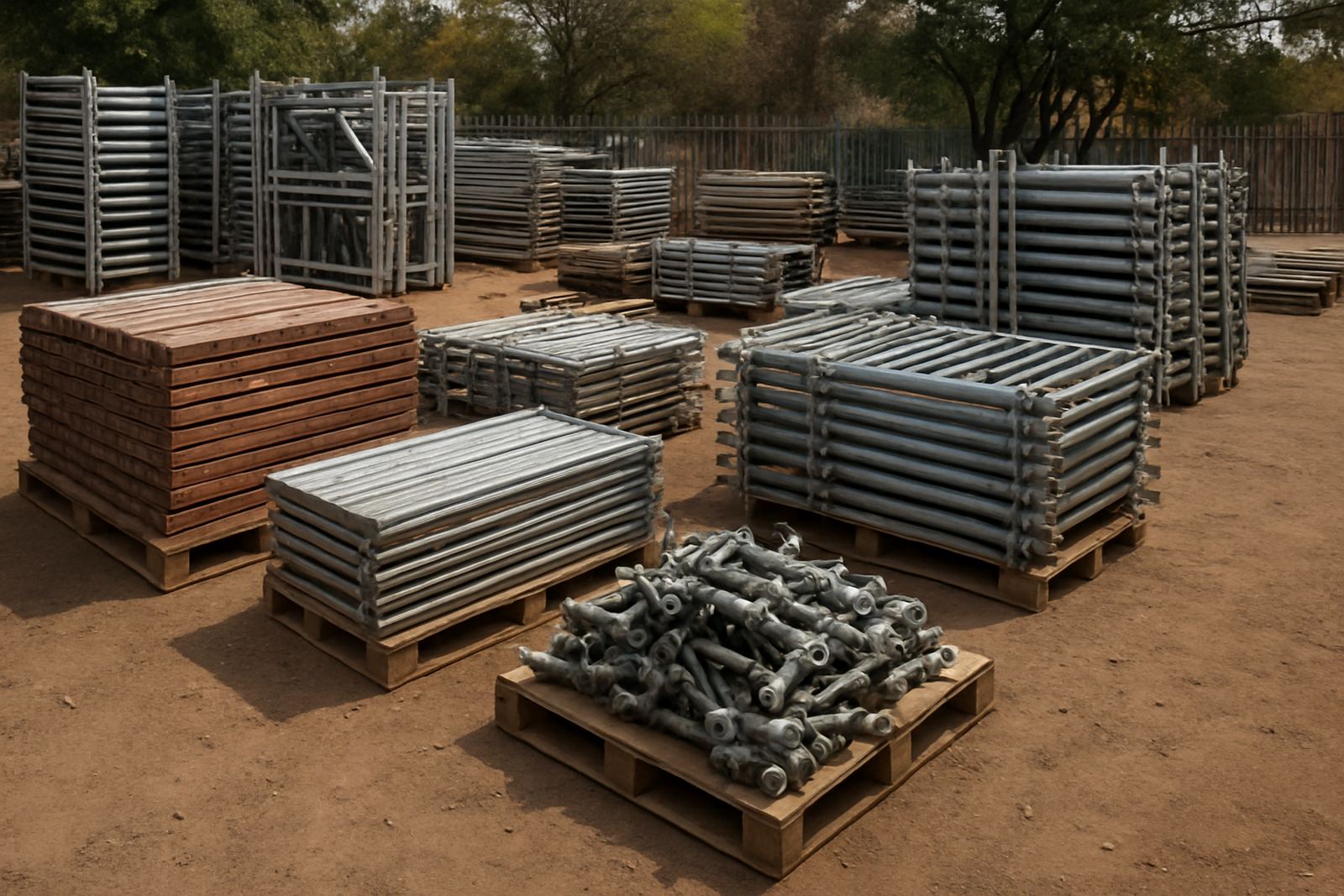
Not every scaffold suit every task. Façade access often needs a longer run with safe working platforms, guardrails and toe boards. Internal access may need narrower bays or mobile units that can fit through doors and move between rooms. Tower access is better for short-duration work such as repairs, inspections or light installation where a compact structure is easier to position.
If you are unsure, ask for the layout to be planned around the actual work method. A painter, plaster team or cladding crew may need different board widths, lifts and access ladders. On busy sites in Johannesburg, Germiston or Pretoria East, the right setup also helps you keep walkways open and reduces clashes with other trades.
- Façade work: long runs, repeated lifts, secure ties and edge protection
- Internal work: narrower access, floor protection and easier movement through the building
- Tower access: small footprint, level base and controlled access for short jobs
- Special areas: stairwells, canopies, service yards and loading points
Check ground conditions before the first bay goes up
Ground conditions are one of the biggest factors in scaffold safety. Check whether the area is level, compacted and free of soft spots, drain covers or loose fill. In sandier or recently backfilled areas, base plates and sole boards need proper support so the scaffold does not settle. On uneven industrial yards in Boksburg or Durban, this check can save a lot of trouble later.
Take care with slopes, underground services and access roads used by deliveries. If the scaffold will stand near excavation work, ask how close it can safely sit to the edge. In coastal areas like Cape Town and Durban, moisture and wind can affect both the ground and the structure, so the site team should allow for extra checks after bad weather.
- Confirm the surface is level and compacted
- Keep clear of trenches, pits and manholes
- Use the right base support for soft or uneven ground
- Allow for wind, rain and coastal humidity
Make sure the hire includes the right safety documents
Good scaffold hire is not only about metal and boards. It also needs the paperwork that helps you control risk on site. Before work starts, ask for the safety documents your principal contractor or site agent requires. This can include inspection records, handover details and method statements aligned to the site rules. On municipal projects and larger private sites, these papers are often checked before access is allowed.
It also helps to confirm who is responsible for inspections after storms, overnight changes or any movement of the structure. If the scaffold is staying up over several weeks, regular checks matter even more. A clear record makes life easier when the site is busy and several subcontractors are working around the same area.
Plan delivery, erection and off-hire around your programme
Scaffold should fit the job programme, not slow it down. Agree when the delivery will arrive, where it will be unloaded and how much space is needed for stacking and sorting. In Gauteng traffic, same-day dispatch can help when a job changes suddenly, but the site still needs a clear laydown area and someone ready to receive the order.
Think ahead about the full hire period, including weekends, rain delays and any inspections before dismantling. For long-term jobs, it is worth planning plant swop-outs, off-hire collections and any changes to the structure before they become urgent. That keeps crews working and helps avoid paying for kit that is no longer needed.
- Confirm delivery window and site access rules
- Allow space for unloading and storage
- Plan for weather delays and weekend work
- Book off-hire collection as soon as the work is done
Use the site conditions to decide on extras and support
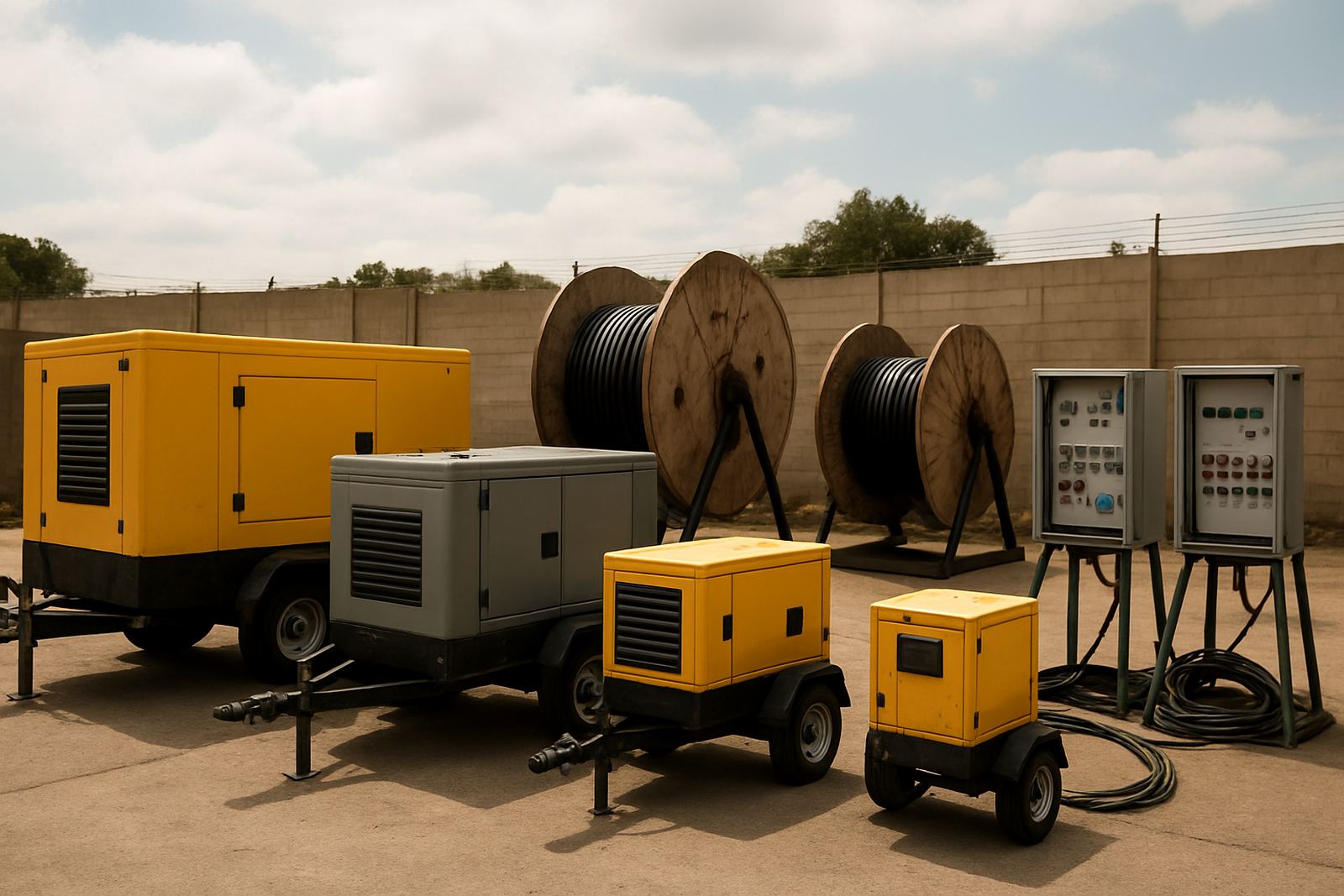
Some jobs need more than standard scaffold. Load-shedding may mean you are working with temporary lighting or backup generators, especially on internal fit-outs and night shifts. If the crew must mix materials or run small tools nearby, it helps to plan power supply and access together. On sites with limited water or dusty conditions, housekeeping also becomes part of the access plan.
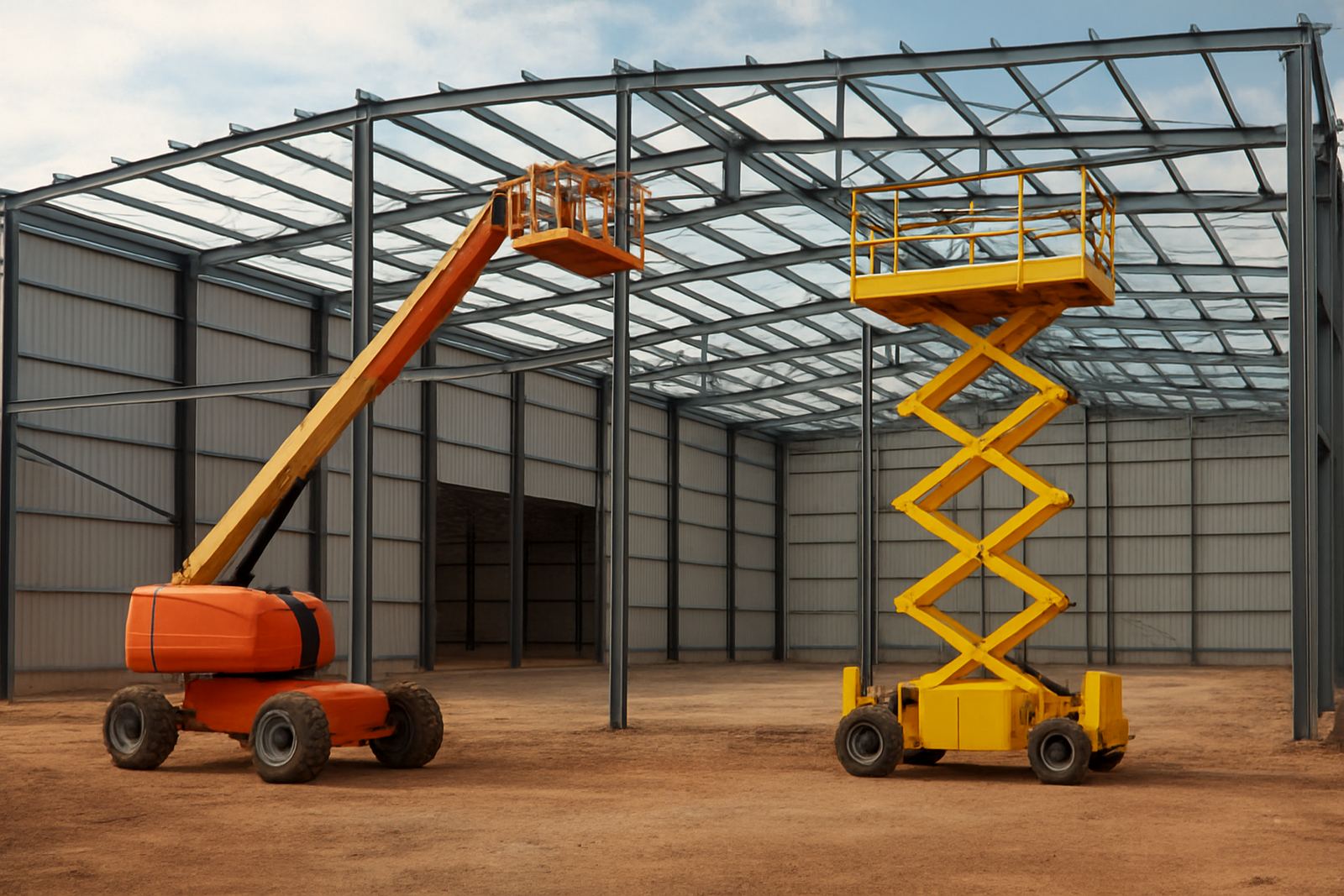
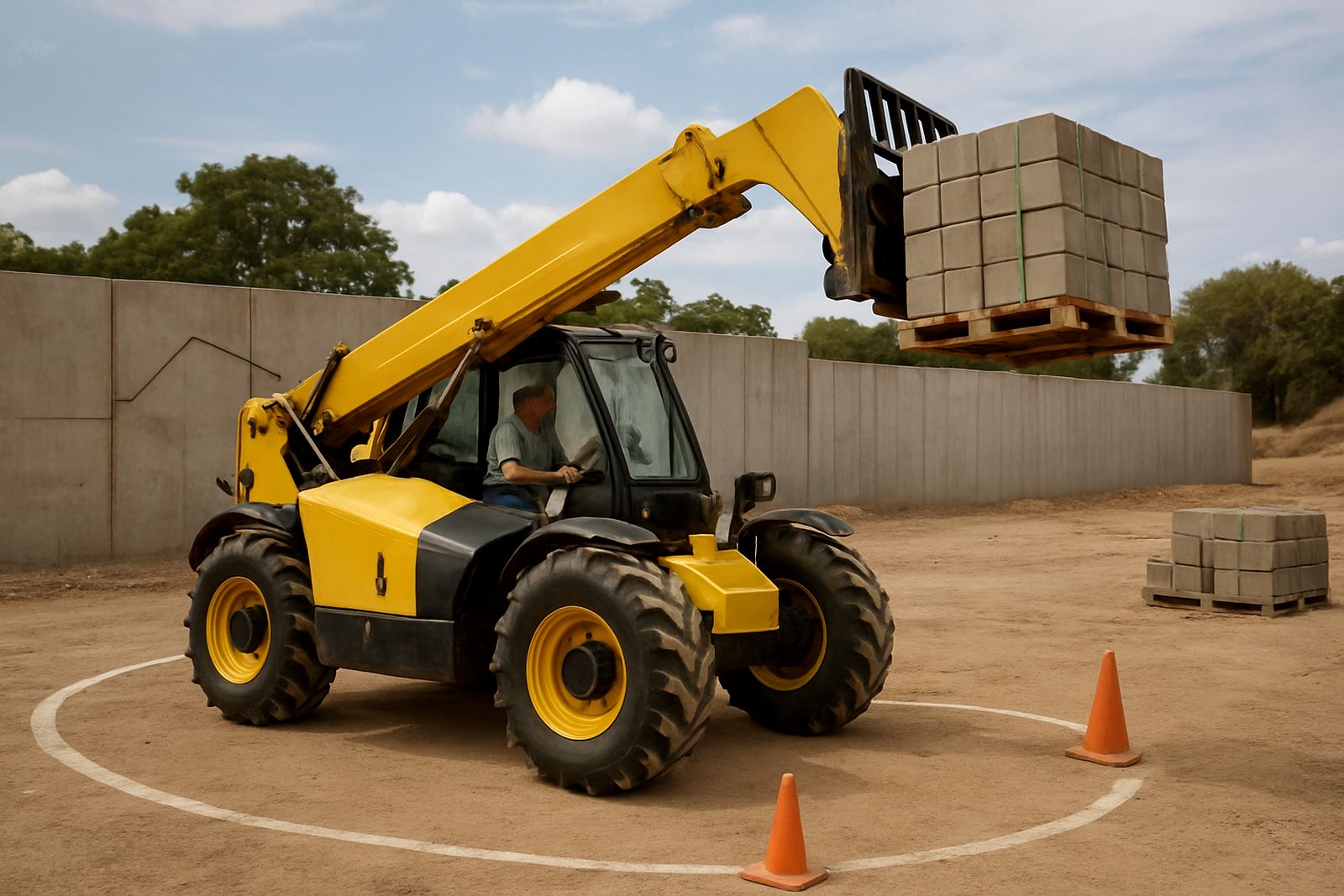
For higher-risk work, ask about operator supply, on-site servicing and breakdown response for any support equipment working alongside the scaffold. If your project runs across Germiston, Midrand, Pinetown or Bellville, the main thing is to keep the access method simple, inspected and suited to the task. That is what keeps crews moving without unnecessary stoppages.