Start with the lift height your job actually needs
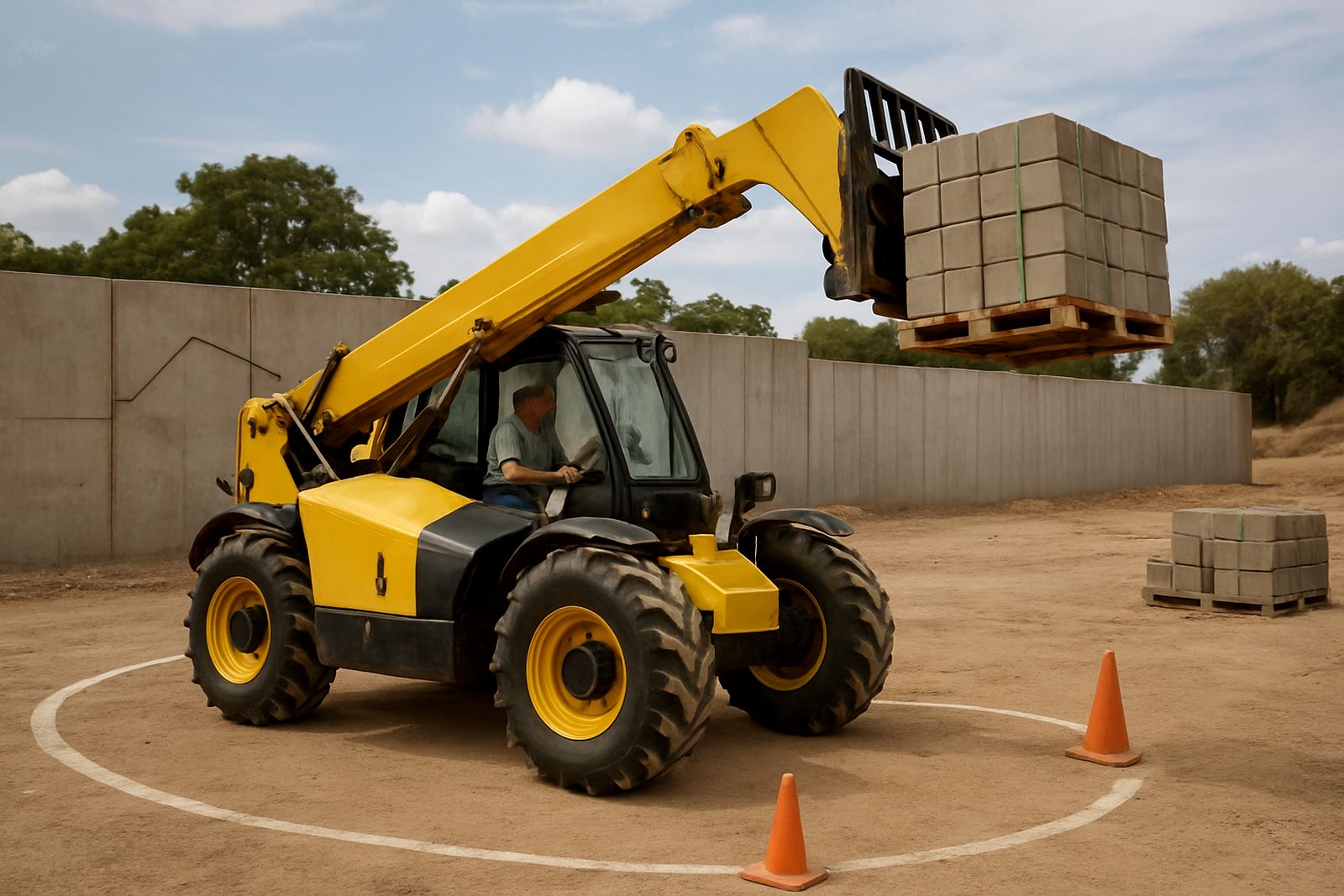
The first question is simple: how high must the load be placed? Measure from ground level to the highest point of delivery, then add a little allowance for pallet height, scaffold packs, roof trusses or bulk materials. If you are placing loads on a first floor slab, over a wall, or into a high storage bay, write that figure down before you ask for a machine.
Do not guess by eye. A telehandler that is too small will slow the job and may force unsafe lifting methods. One that is too large can be harder to manoeuvre on tight sites, especially in Germiston, Midrand or inner-city work areas where space is limited and traffic flow is tight.
- Measure the highest set-down point in metres
- Allow for pallet or load height, not just the fork tips
- Check if the load must clear a parapet, boundary wall or scaffold line
- Think about future lifts on the same site, not only the first task
Check forward reach before you book the machine
Reach matters just as much as height. If the telehandler needs to place materials over an obstacle, across a trench, or onto a platform away from the machine, you must know the horizontal distance to the drop point. A machine with enough height but not enough reach will still leave you short.
On construction sites, this is often where plans change. Materials may need to be placed behind a hoarding, beside a building line, or across uneven ground. In those cases the machine must be able to reach with the boom extended while still keeping the load stable. Give the hire team the full layout if you can, because that saves time and helps them match the right unit to the task.
- Measure the furthest horizontal distance to the drop point
- Note if the load must pass over anything in between
- Tell us if the ground slopes toward the set-down area
- Confirm whether the telehandler will load trucks, place pallets, or feed a working face
Match the telehandler to the ground conditions on site
Ground suitability is where many delays start. Telehandlers need firm, level support under the tyres and enough space to turn safely. Soft soil, loose gravel, fresh backfill and soaked clay can all affect how the machine travels and lifts. Coastal humidity in Durban or winter rain in Cape Town can also leave surfaces wet and slippery, so site access must be checked before dispatch.
Look at the full route, not only the loading point. That includes the entrance, turning space, hardstand areas and any temporary ramps. If the site has incomplete paving or excavations nearby, the machine may need a different route or an alternate set-down area. It is better to plan this on day one than to stop work once the machine arrives.
- Check whether the ground is compacted and level
- Watch for soft shoulders, potholes and freshly filled trenches
- Make sure there is enough width for turning and reversing
- Confirm if the surface can handle the machine plus load weight
Use the right attachments and lifting method
A telehandler is more than a fork machine. With the correct attachment it can handle pallets, bulk bags, skips and site materials more cleanly. The attachment must suit the load type and the work area, and it must be fitted correctly before lifting starts. If the load is awkward, uneven or fragile, say so in advance so the right set-up can be supplied.
Every lift should be planned with clear ground rules. Loads must be secured, rated correctly, and moved within the machine's working limits. Keep the team clear of the travel path and never lift over workers. On sites with live trades, deliveries and concrete pours, a clear lifting plan helps everyone keep moving.
- Tell us what you are lifting and how it is packed
- Confirm the load weight if it is known
- Say whether you need forks, a bucket, or another attachment
- Keep the load stable and the route free of loose debris
Plan for operator supply, servicing and time on site
Some projects need a machine only, while others need an operator as well. If your team is already stretched or the site has strict safety controls, operator supply can keep the work moving and reduce training delays. For long-term hires, ask about fleet planning, weekend support and breakdown response so you are not left waiting when the programme is tight.
Daily use also has practical costs. Fuel management, on-site servicing and planned off-hire collections help reduce downtime and avoid last-minute problems. If your project runs across several weeks, build in time for maintenance checks and plant swop-outs if another unit is needed.
- Decide if you need machine-only hire or operator supply
- Ask about servicing intervals and support on site
- Plan fuel access, especially on long shifts and load-shedding days
- Confirm collection dates for short jobs so the machine is not left idle
Send the right details so we can match the hire quickly
The fastest way to get the right telehandler is to give clear job details from the start. We work from Germiston and support sites across Gauteng, KwaZulu-Natal and the Western Cape, so the more accurate your information is, the better we can plan dispatch and delivery timing. Same-day dispatch is often possible when the site details are complete and access is straightforward.
Before you send the enquiry form, gather the basics and keep them in one place. That gives our team enough detail to confirm the right lift height, reach and support requirements without back and forth. It also helps with safety documentation and any site-specific rules, especially where access control or municipal restrictions apply.
- Site location and nearest access route
- Required lift height and forward reach
- Load type, load weight and any special attachments
- Ground condition, working hours and delivery window
- Whether you need long-term hire, weekend support or off-hire collection
Final telehandler hire checklist before the truck arrives
Use this last check before the delivery is confirmed. It helps avoid the common problems that slow down a site, such as wrong access, poor ground prep or a machine that is not suited to the lift. A few minutes of checking can save a full day of lost time.
When the machine arrives, have one person ready to receive it and one clear point of contact on site. Make sure the access route is open, the working area is marked and the lift plan is understood by the crew. That kind of preparation keeps the job moving and gives the operator a clear start.
- Have you measured height and reach properly?
- Is the ground firm, level and clear of hidden hazards?
- Are the load weight and attachment type confirmed?
- Is there enough space for delivery, turning and safe operation?
- Have you included safety paperwork and site rules?