Start with the job, not the machine
Before you book an excavator, write down exactly what the machine must do. A good hire choice for a house foundation in Germiston may be wrong for bulk earthworks in Midrand or trenching along a busy street in Pretoria East. The same machine can be too large for a tight yard and too small for hard digging on a rocky cut.
Begin with the task list. Are you loading spoil, trenching for services, breaking out concrete, shaping a slope, or moving stockpiles around a site? If you need one machine to do all of that, factor in reach, bucket size and whether you will need attachments. The goal is to keep the machine productive without wasting diesel or time.
- Measure access widths, gate openings and turning space.
- Check the depth of trenches or excavations required.
- Note the ground conditions, especially soft clay, sand or compacted fill.
- Confirm whether you need a standard bucket, trenching bucket or breaker.
- Plan for loading height if spoil must go straight into trucks.
Match excavator size to common site work
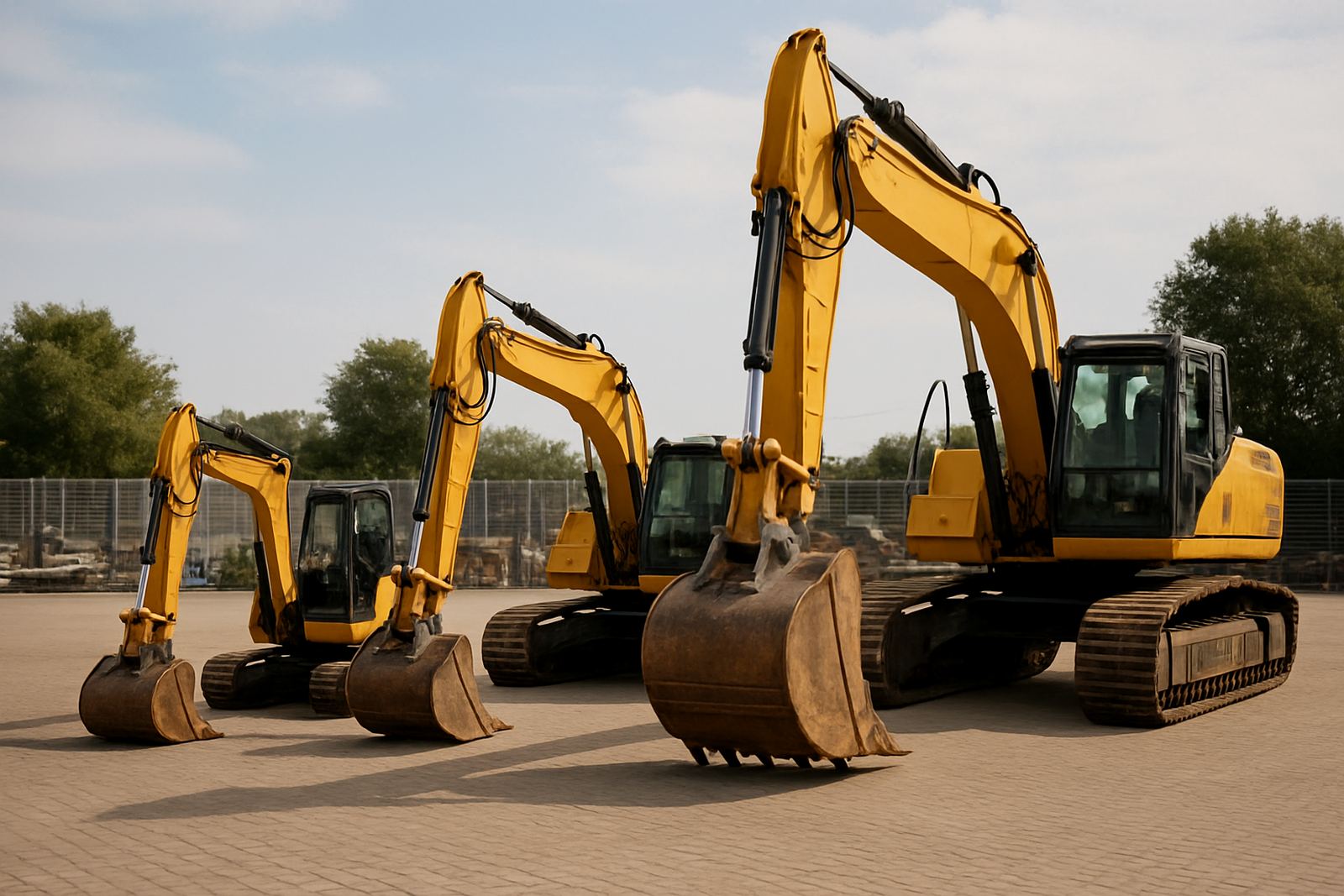
Excavators are usually selected by operating weight and reach. Smaller units are easier to move and fit into tight residential or commercial areas. Larger machines offer more breakout force and better loading speed but need stronger access, more space and a suitable haul plan.
For shallow trenching, garden work or service repairs, a compact machine is often enough. For bulk excavation, basement digs and road work, a mid-size unit gives better balance between power and mobility. Large units suit heavy civil work, demolition support and stockpile loading where there is room to work safely. If you are unsure, ask for a machine that can comfortably handle the deepest cut on site with a bit of margin, not a machine that only just reaches the bottom.
- Mini excavators: Good for tight access, small trenches and indoor or yard work.
- Mid-size excavators: Suited to building foundations, drainage and general earthmoving.
- Large excavators: Better for bulk earthworks, quarry-type loading and heavier breakout jobs.
- Long-reach units: Useful where extra outreach is needed for embankments, channels or safer stand-off distances.
Check reach, dig depth and loading height
Reach is often overlooked until the machine is on site and the bucket falls short. Dig depth matters for trenches, retaining walls and service runs. Loading height matters if the excavator must place spoil into tipper trucks or move material over piles and barriers. These three figures should be checked together, not one at a time.
If your site has walls, fences, live services or pedestrian traffic nearby, reach becomes even more important. In some Gauteng sites, the machine has to work from one side of the dig only. On coastal jobs in Durban or Cape Town, wind, soft ground and limited storage can also affect the safest position for the machine. A machine with a little extra reach can reduce repositioning and save time on the clock.
For trenching, allow for bucket width as well as depth. A narrow bucket is slower but neater for utilities. A wider bucket is faster for bulk movement. The correct choice depends on the trench spec and how much reinstatement the client expects afterwards.
Use the ground and weather conditions to guide the hire
South African sites vary a lot from one province to the next. In Johannesburg and surrounding areas, hard-packed soil and rocky patches can slow digging. In KwaZulu-Natal, heavy rain and soft ground can affect track traction and spoil placement. On the Western Cape coast, salt air and moisture can influence equipment care and site housekeeping. The machine has to suit the site, not the other way around.
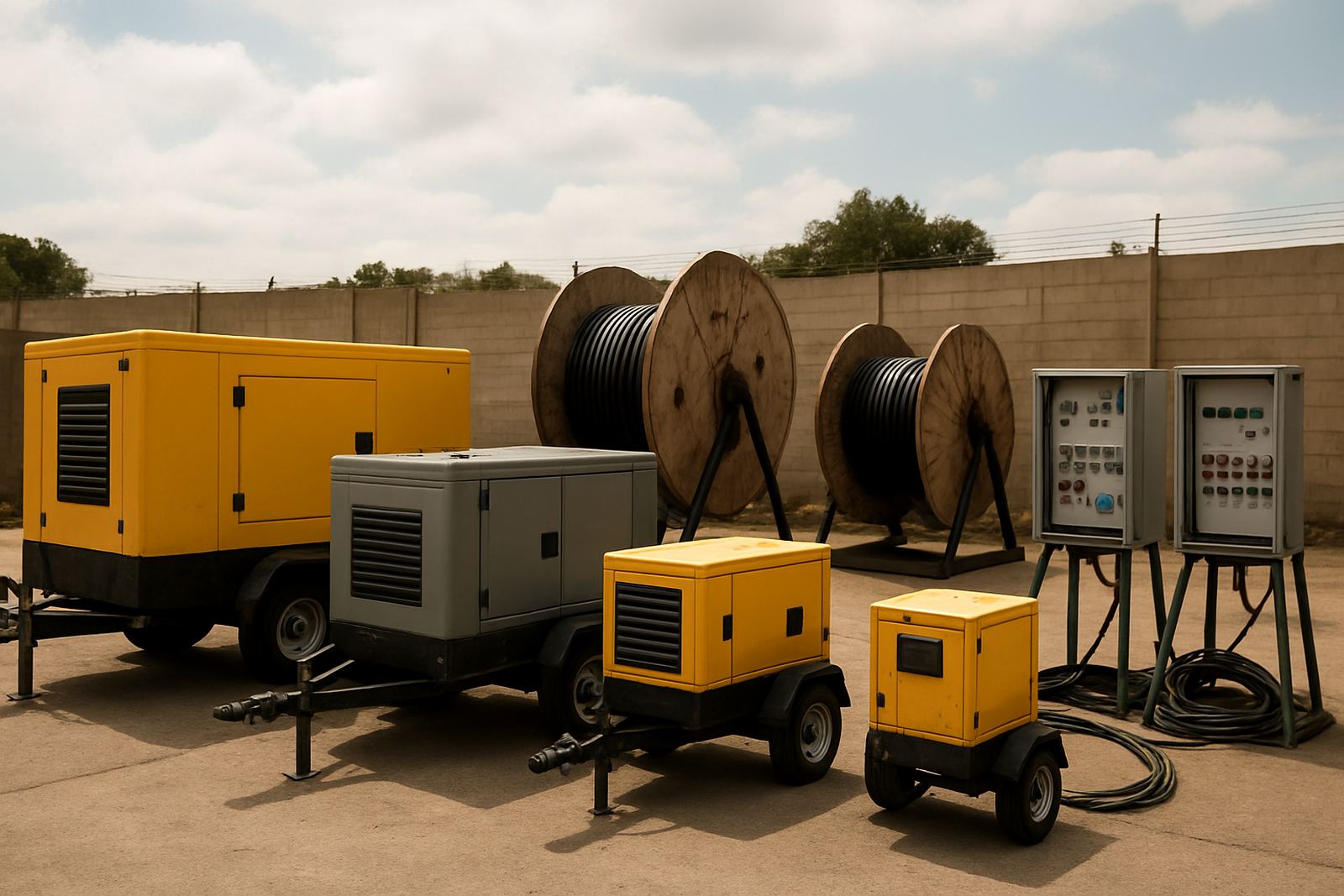
If there is load-shedding on site, think through what else depends on the excavator. A generator may be needed for lighting, tools or pumps while the machine is working. If the site is prone to water pooling, you may also need a plan for drainage and offloading. A machine that sits idle because the site is not ready is costly, so check access, service routes and the sequence of work before delivery.
Choose the right support package with the hire
The machine is only one part of the hire. On many sites, the best value comes from the support around it. That may include operator supply, same-day dispatch, site deliveries, breakdown response and off-hire collections. For longer jobs, fleet planning and weekend support help keep the programme moving. If the excavator is working near live traffic, schools or occupied buildings, safety documentation should be in place before it starts.
For contractors managing more than one site, swop-outs can save time when a machine needs service or a different size is required. On-site servicing is also useful where access is limited and moving the machine off site would cost too much time. Clear fuel management matters too, especially on longer hires where diesel use can change fast once the machine is loaded hard.
- Ask whether an operator is needed for the specific task.
- Confirm service intervals for long-term hire.
- Check if the site can receive delivery during the working window.
- Plan for off-hire collection so the machine is not booked longer than needed.
- Keep safety files, permits and site rules ready before the machine arrives.
A simple pre-hire checklist for contractors
A short checklist can prevent the wrong machine arriving on a Friday afternoon when the crew is waiting and the concrete pour is booked for Monday. Keep the following points on hand when requesting a quote or confirming a hire:
- Site location and access details, including any height limits or narrow entrances.
- Type of work, such as trenching, loading, demolition support or grading.
- Required dig depth, reach and bucket size.
- Ground conditions, drainage issues and any nearby structures or services.
- Hire period, working hours and whether weekend support may be needed.
- Need for operator supply, attachments, fuel planning or on-site servicing.
If you are working across Germiston, Midrand, Boksburg, Durban, Pinetown, Cape Town or Bellville, having these details ready helps the hire team match the machine to the job faster. It also helps avoid unnecessary swop-outs, delays and extra transport costs.
When to ask for a second opinion
If the site has unusual access, sloping ground, deep services or a tight programme, it is worth speaking through the job before confirming the hire. The right excavator can make the difference between a clean day’s work and a stop-start shift with too many repositioning moves. A practical supplier will look at the task, the ground and the timing, then guide you to the machine that fits the work rather than the biggest unit available.
For contractors across Gauteng, KwaZulu-Natal and the Western Cape, that kind of planning matters. It keeps labour productive, reduces wear on the machine and helps the project move without hassles.