Formwork built for concrete work on active sites
Formwork is the temporary structure that holds wet concrete in shape until it gains enough strength to stand on its own. On a slab pour, that means keeping levels true and edges neat. On columns and beams, it means holding the line under pressure while the concrete sets. On retaining walls and steps, it helps you keep the finish square and consistent from one pour to the next.
Our hire range is suited to contractors working on housing, commercial buildings, warehouses, boundary walls and civil works. We supply practical site gear that can handle regular use, transport between sites and the knocks that come with busy pours. For Gauteng builds in places like Germiston, Boksburg and Pretoria East, or coastal work in Durban and Cape Town, the right formwork set-up saves time and keeps rework down.
- Temporary support for wet concrete until cure
- Suitable for slabs, columns, beams and retaining structures
- Available with matching props, clamps and accessories
- Useful for one-off pours or repeated stage work
Sizes, panel types and support options
Different jobs call for different panel sizes and support arrangements. Smaller pours may only need a few props and edge boards, while larger structure work needs a planned layout with enough panels to keep joints tight and the load spread evenly. We help you match the hire to the pour, not just the plan on paper.
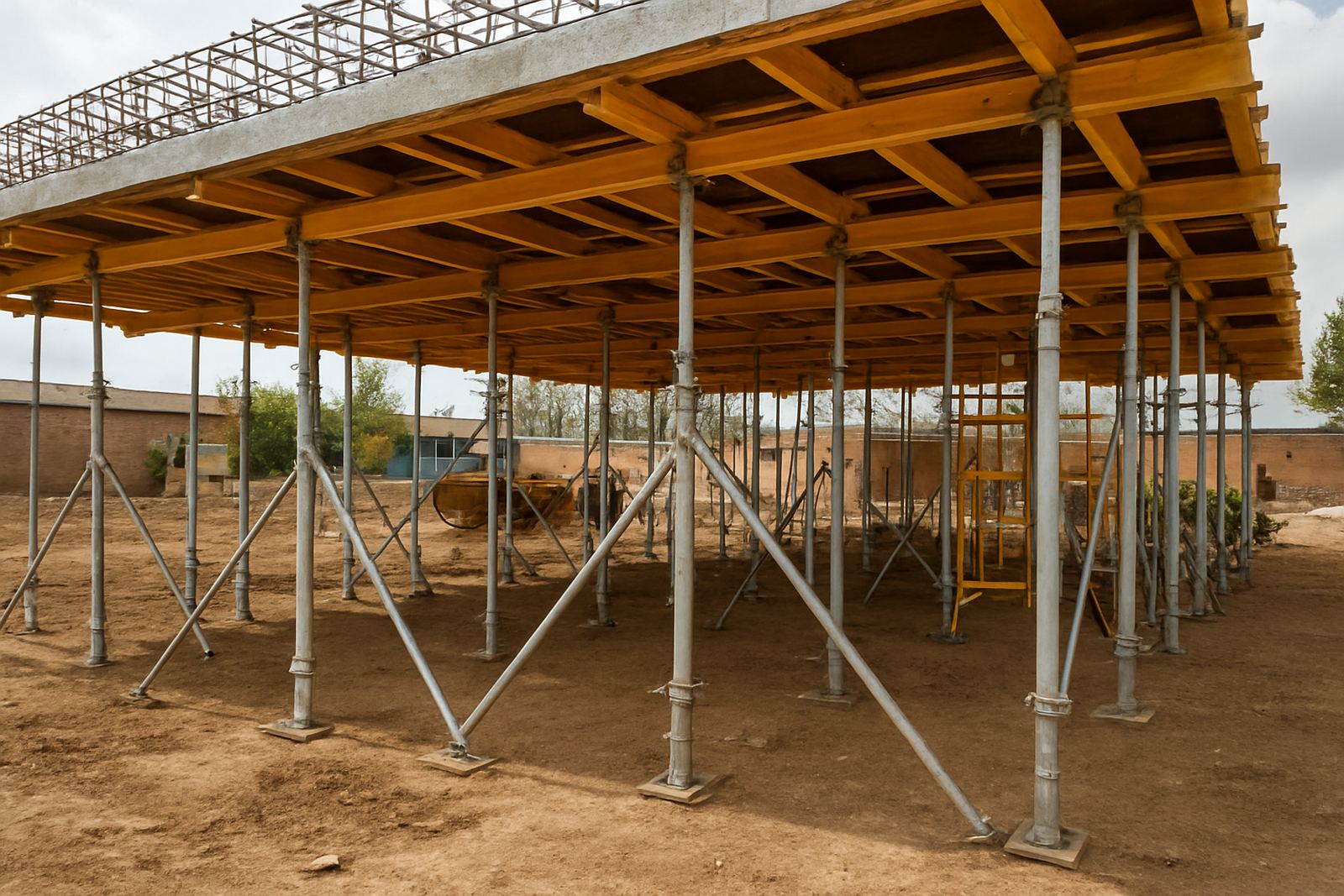
Typical options include steel or heavy-duty panel systems for repeated use, adjustable props for vertical support, and beam and slab accessories for tying everything together. Where access is tight, we can work around stair cores, service ducts and narrow yard spaces. If you need phased work, we can plan a swop-out so the next batch arrives as the first pour is stripped.
- Panel lengths commonly from 0.6 m to 3.0 m
- Panel heights commonly from 0.3 m to 1.2 m
- Adjustable props for slab support and level setting
- Accessories for corners, joints, ties and edge retention
Where formwork hire suits the job best
Formwork hire works well when the project has a fixed timeline, when storage space is limited, or when you need extra units for a peak in work. It is a practical choice for developers, builders and civils teams that want clean concrete finishes without taking on the upkeep of a full owned fleet. It also helps when a site has changing pours and the layout keeps moving.
In Johannesburg and surrounding industrial areas, formwork is often used for warehouse slabs, retaining walls, loading bays and boundary structures. In KwaZulu-Natal, you may need to plan around humid conditions and faster surface curing. In the Western Cape, wind exposure and site access can affect how you brace and strip the system. If your site is under municipal inspection, we can supply the paperwork and safety docs needed for a tidy handover.
- New builds and additions
- Retaining walls and stepped foundations
- Slabs for homes, factories and yards
- Beam and column work on multi-storey sites
Installation, labour and site power requirements
Formwork itself does not need power or gas to function, but the job around it often does. Cutting, vibrating and lifting equipment on site may need generators, extension leads or a stable supply, especially during load shedding. If your pour is scheduled for early morning or after-hours, we can coordinate with your team so the support gear is in place before the concrete truck arrives.
Installation should be done by competent crew who understand spacing, bracing and load paths. For taller walls and beams, check that all props are locked, bases are bearing properly and the structure is not sitting on loose fill or soft ground. If the site is uneven, allow extra time for packing and levelling. A rushed set-up can leave you with leaks, bowing or honeycombing later, which is costly to fix.
- No direct power or fuel needed for the formwork itself
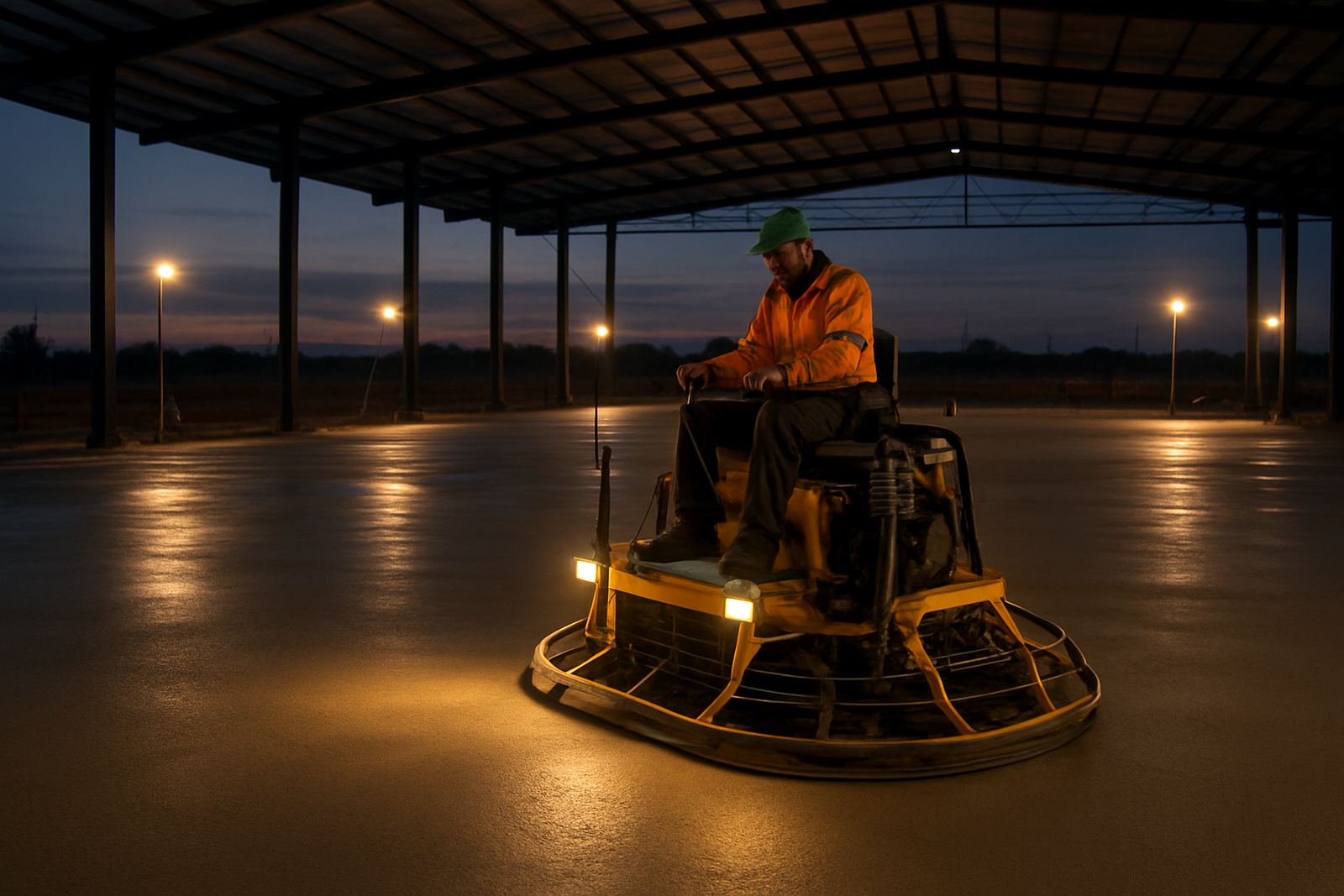
- May be paired with generators and lighting for night pours
- Needs firm bearing, correct bracing and access for stripping
- Works best with a clear pour sequence and competent supervision
Care, cleaning and servicing between pours
Good formwork lasts longer when it is cleaned soon after stripping and checked before it goes out again. Wet concrete left on panels can harden and affect the next finish. Bent props, damaged pins or worn joints can slow the next setup and create safety issues. Our workshop team checks returned equipment, repairs what is needed and keeps the fleet ready for the next hire.
On damp coastal sites, especially around Durban and parts of Cape Town, storage needs to be dry enough to limit corrosion and swelling on timber components. On dusty inland sites, regular cleaning helps moving parts stay free and easier to adjust. If you are running a long-term hire, we can schedule on-site servicing and replacement pieces so your programme does not stall.
- Clean panels soon after strip-out
- Check props, pins, braces and tie points
- Store off the ground where possible
- Report damage early so replacement can be arranged
What to confirm before you place an order
Before you book, it helps to have the slab size, wall heights and pour dates ready. We also need to know whether you are working on one pour or several stages, and whether access is clear for delivery trucks and off-hire collection. If the site is restricted, tell us about gate height, loading times and any municipal rules that affect traffic or laydown space.
For accurate supply, check the following: the concrete thickness, the load expected on the slab, the height of columns or beams, and whether you need extras like edge boards or corner pieces. If you are unsure, our hire team can help calculate what is needed so you do not under-order and then wait for more pieces while the crew stands down. That delay can cost more than the hire itself.
- Dimensions of slabs, beams, columns or walls
- Pour date and expected duration on site
- Access details for delivery and collection
- Any safety documentation required by the principal contractor
Hire coverage from Germiston to the coast
Our base in Germiston supports construction work across Johannesburg, Midrand, Boksburg and Pretoria East, with depot support in Durban, Pinetown, Cape Town and Bellville. That lets us respond quickly when a project changes or a pour gets moved up. For larger jobs, we can plan staged deliveries, weekend support and off-hire collections to keep the site moving.
MachinesAfrica Rentals was founded in 2008, and our team knows what contractors need on live sites. Sibusiso Mthembu oversees the business, with Annelie van Wyk on operations, Thabo Nkosi managing fleet readiness, Zanele Dlamini coordinating hires, Willem Erasmus supervising workshop work and Nokuthula Khumalo handling safety and compliance. If you need formwork for a single pour or a longer run, use the enquiry form on our contact page and we will work out the next step.
Key facts
| Product type | Temporary formwork panels, props and accessories |
|---|---|
| Common uses | Slabs, columns, beams, retaining walls and steps |
| Panel sizes | Approx. 0.6 m to 3.0 m lengths, 0.3 m to 1.2 m heights |
| Support system | Adjustable props, braces, clamps, ties and edge pieces |
| Power or fuel need | None for the formwork itself |
| Service areas | Gauteng, KwaZulu-Natal and the Western Cape |