What a motor grader is used for on site
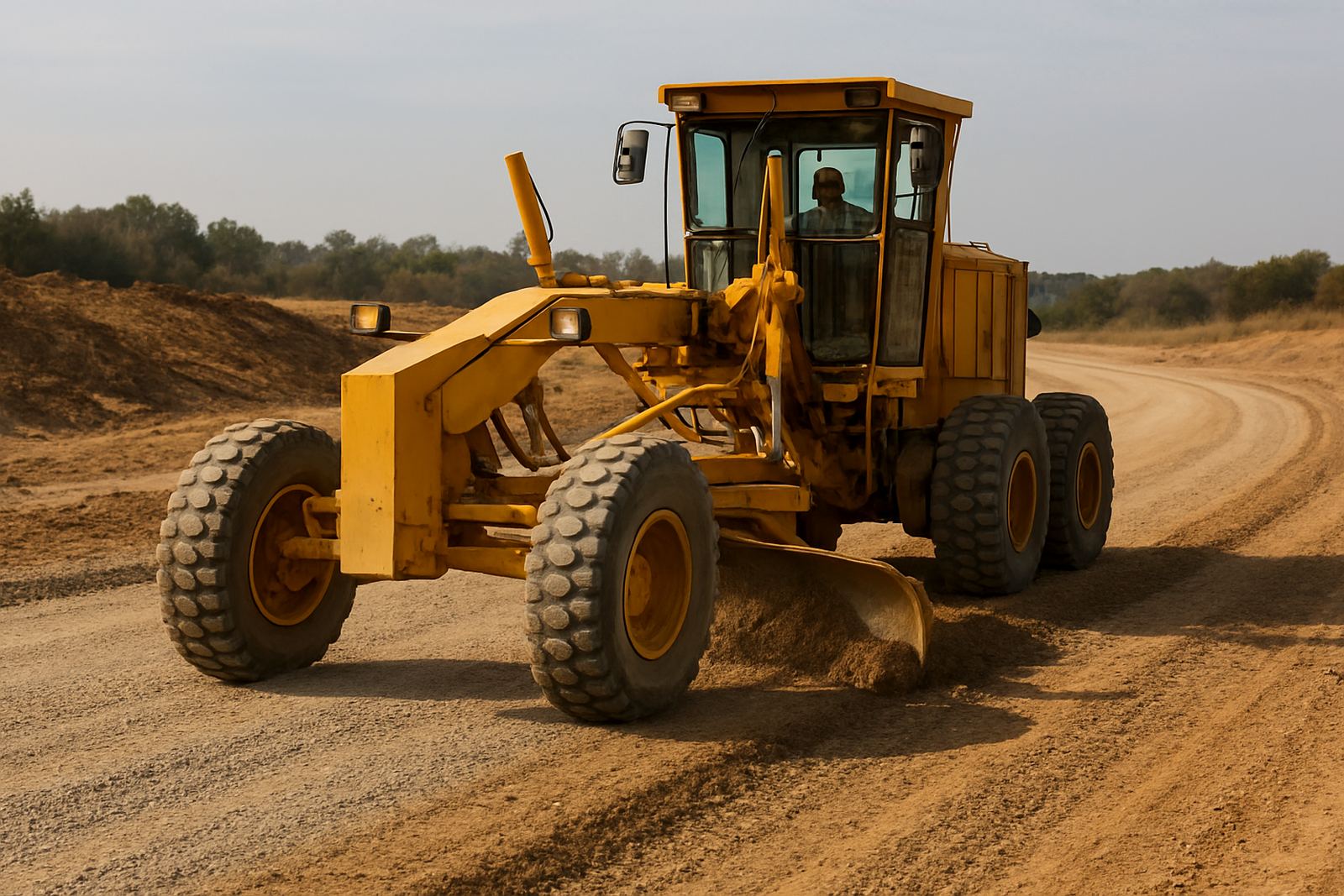
A motor grader is a long wheelbase machine with a central blade used to level, shape and finish surfaces. On building and civils sites it is commonly hired for road formation, trimming drainage falls, pulling material into low spots and preparing a firm sub-base before compaction. It is also used to maintain gravel access roads, stockpile areas and haul routes where wheel tracks, washouts and corrugations start to slow the job down.
For many contractors, a grader is the machine that gives the final shape and fall that smaller plant cannot achieve. It can cut high spots, spread imported fill, correct cross-fall and leave a cleaner running surface for rollers and water carts. In areas such as Germiston, Midrand, Pretoria East, Pinetown or Bellville, where sites may be tight and weather can change quickly, the right grader keeps work moving without repeated rework.
- Road shaping and trimming
- Drainage fall control
- Sub-base preparation
- Access road maintenance
- Windrowing and material spreading
Sizes and grader options we hire out
We provide graders to suit different site sizes, from smaller units for estate roads and yard work to heavier machines for long runs, bulk earthworks and municipal-style road prep. The right choice depends on the width of the surface, the volume of material to move and how much finish you need before compaction. If you are working on a housing development, a retail park, or a road upgrade, we can match the grader to the job so you are not paying for more machine than you need.
Typical hire options include machines with different blade widths, blade offset settings, ripper attachments and tyre configurations for soft ground or firmer road base. Operators can also work with laser or survey set-out points where the programme calls for tighter levels. Our fleet planning team helps contractors choose the right size for haul distance, turning space and the type of aggregate on site, because a grader that is too large can slow work down instead of speeding it up.
- Light-duty graders for smaller sites and maintenance work
- Medium graders for estate roads and general civils
- Heavy graders for bulk earthworks and road construction
- Blade and ripper options available on request
- Suitable for short hire or long-term hire plans
Where a motor grader works best
A motor grader suits any project where level control matters. It is especially useful on roadbuilding work, service roads, industrial yards, stormwater falls and large platforms where the surface must drain properly. On wet sites, a grader can help restore shape after rain damage. On coastal projects in KwaZulu-Natal or the Western Cape, it can be used to rework gravel roads that have softened due to humidity and wind-blown sand. In Gauteng, it is often brought in when a site road has become uneven from repeated truck traffic.
Contractors also hire graders for trench backfill shaping, embankment trimming and keeping temporary access ways safe for light vehicles and delivery trucks. Where there are municipal compliance checks, proper surface falls and neat site access matter. A tidy, well-drained surface is easier to inspect and safer for workers, especially when forklifts, tipper trucks and service vehicles are moving in the same area.
- Roads and temporary haul routes
- Industrial yards and depots
- Housing developments and estates
- Stormwater shaping and drainage falls
- Backfill trimming and platform preparation
Power, fuel and site setup requirements
Motor graders are diesel machines and do not need a mains power connection or gas supply. That makes them useful on remote sites, new developments and work zones where electricity is still being installed or load-shedding is affecting other site operations. You do need enough space for safe loading, off-loading and turning, plus a surface that can support the machine without sinking into soft ground.
Before delivery, check access for the lowbed or transport vehicle, especially if the site is in a restricted municipal area, a busy industrial park or a narrow street near existing services. If the grader will work close to services, kerbs or live traffic, mark out the area clearly and make sure the team understands the traffic plan. A simple setup on day one saves time later and reduces damage to edges, pipes and freshly placed material.
- No electrical power required on the machine
- Diesel fuel needed on site or via fuel management
- Clear access for delivery and collection
- Enough working space for blade travel and turning
- Traffic control and site marking where required
How we keep graders ready for hire
Our workshop team checks each grader before it leaves the depot and again after it comes back. This includes blade wear, tyre condition, steering response, hydraulics, lights, warning devices and fluid levels. Where a machine has been on a dusty road job or a wet coastal site, it is cleaned and inspected for leaks, loose fittings and wear that could affect the next shift. Breakdowns on the road cost time, so we focus on prevention rather than waiting for a fault to show up on site.
For long-term hire, on-site servicing can be arranged to match your programme. That is useful where the machine works every day on a major earthworks package or road contract and cannot afford long downtime. If a swap-out is needed, our fleet planning team will organise a replacement where possible so your crew can carry on working. We also handle off-hire collections when the job is done and the site is ready to hand back.
- Pre-hire inspection and test checks
- Scheduled servicing for long-term hire
- Breakdown response where site access allows
- On-site servicing by arrangement
- Plant swop-outs when needed
What to check before you place the order
To get the right grader, start with the width of the area, the finish required and how much material needs to be moved each day. Let us know whether the job is shaping gravel, trimming a base layer or cutting final drainage falls. If the site is tight, tell us about entrances, overhead restrictions and any soft ground. Those details matter, because a grader that cannot turn properly or reach the edges will slow your programme down.
It also helps to know whether you need operator supply, weekend support or same-day dispatch. If the machine will work alongside other plant, such as rollers or excavators, we can help with fleet planning so deliveries arrive in the right order. One small check at the start can save a lot of hassle later, especially when the site is running on a narrow schedule and the rain is due by afternoon.
- Working width and required finish
- Surface type, including gravel, fill or road base
- Access width and ground conditions
- Need for operator supply or fuel management
- Hire period, start date and collection plan
Key facts
| Machine type | Diesel motor grader |
|---|---|
| Typical hire use | Road shaping, drainage falls, sub-base prep |
| Blade options | Variable blade widths and offsets |
| Site suitability | Roadworks, yards, estates and civils |
| Power requirement | No mains power or gas required |
| Coverage | Gauteng, KwaZulu-Natal and the Western Cape from our depot network |