
Built for bulk material movement on active sites
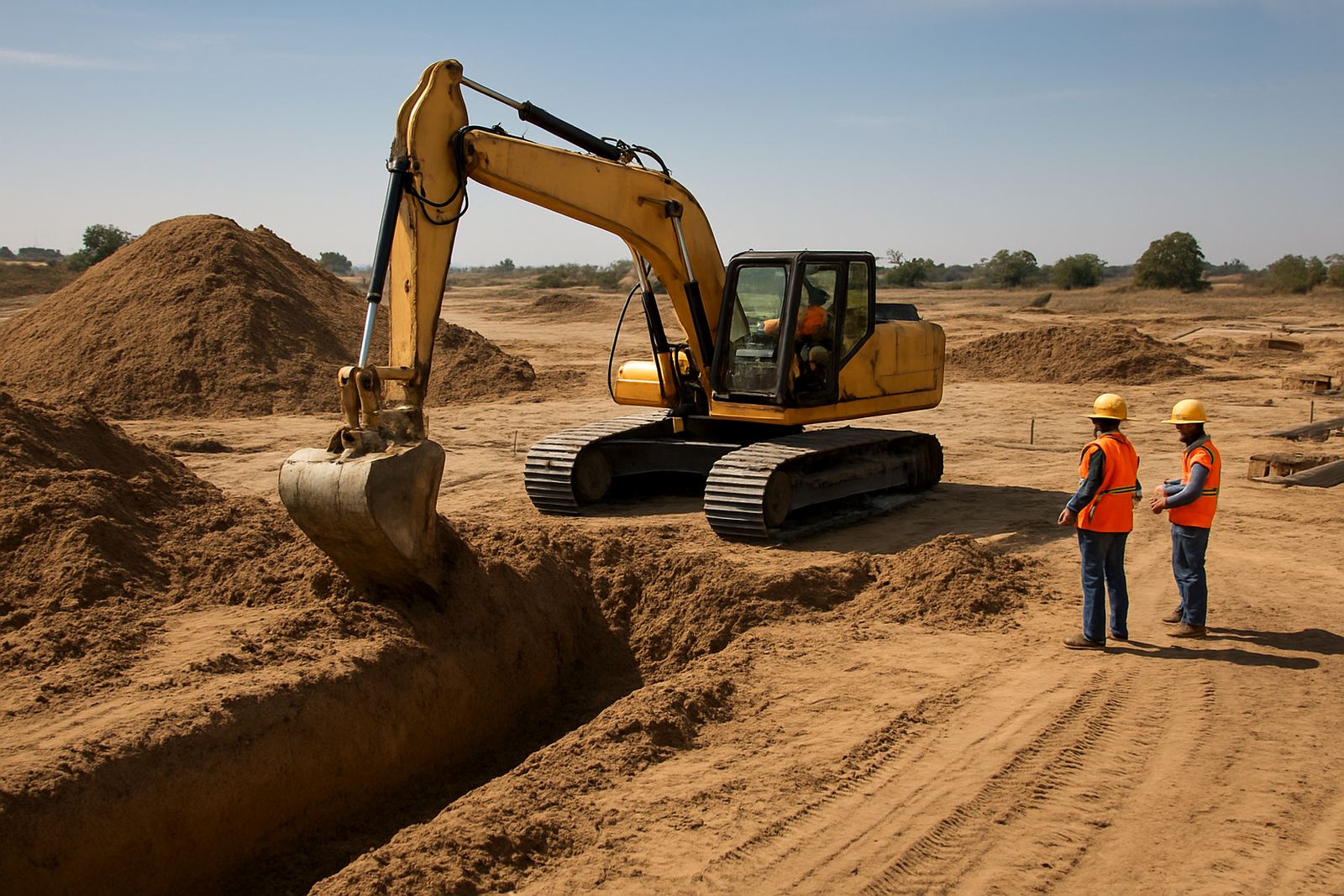
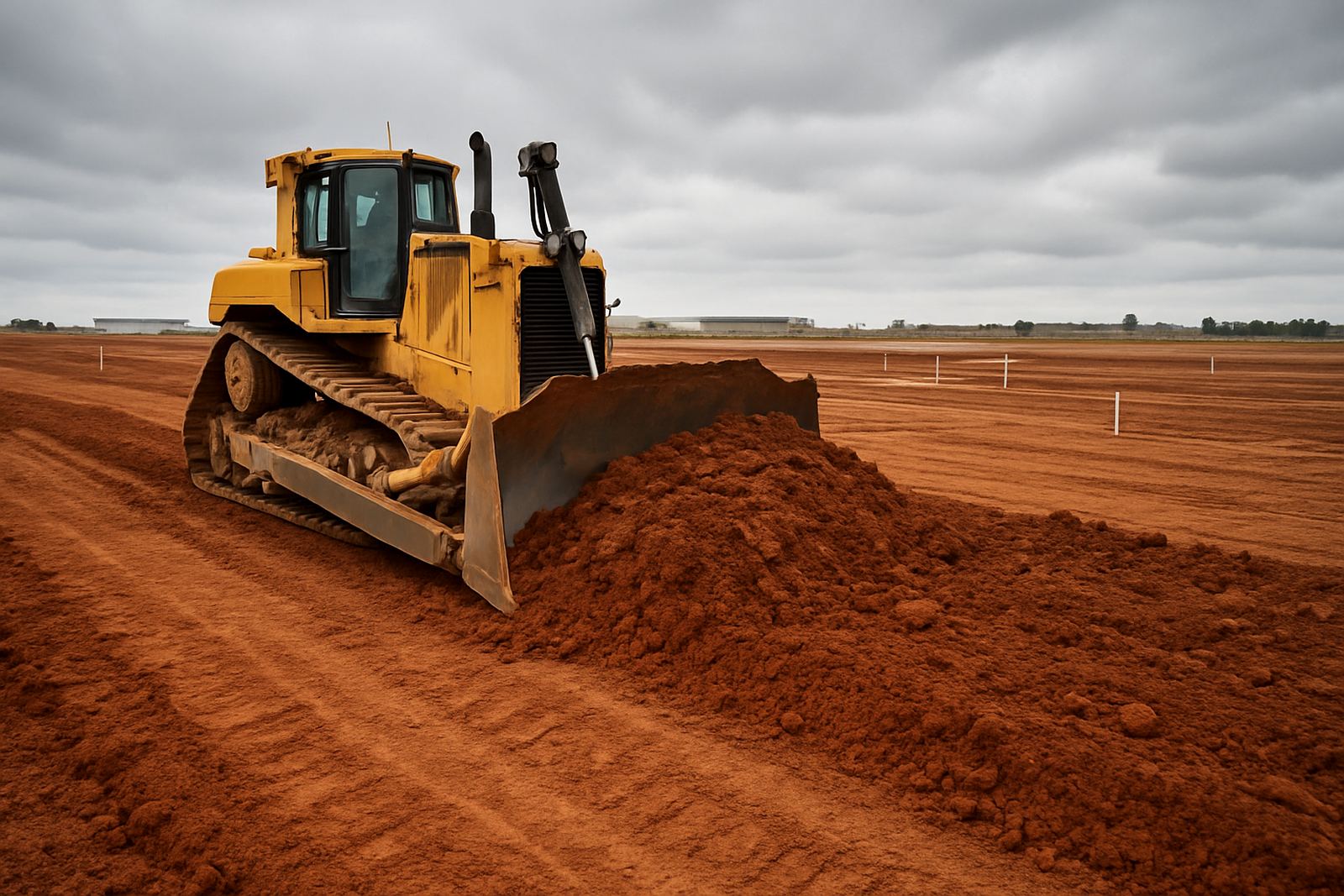
Tipper truck hire is the practical choice when a site needs fast transport of loose material without tying up smaller vehicles and labour. These trucks are used for carting demolition rubble, crushed stone, sand, screened soil, aggregate and general construction spoil from one part of a project to another, or from the supplier point to the work face. On busy developments in Johannesburg, Durban or Cape Town, a tipper keeps the cycle moving and helps reduce double handling.
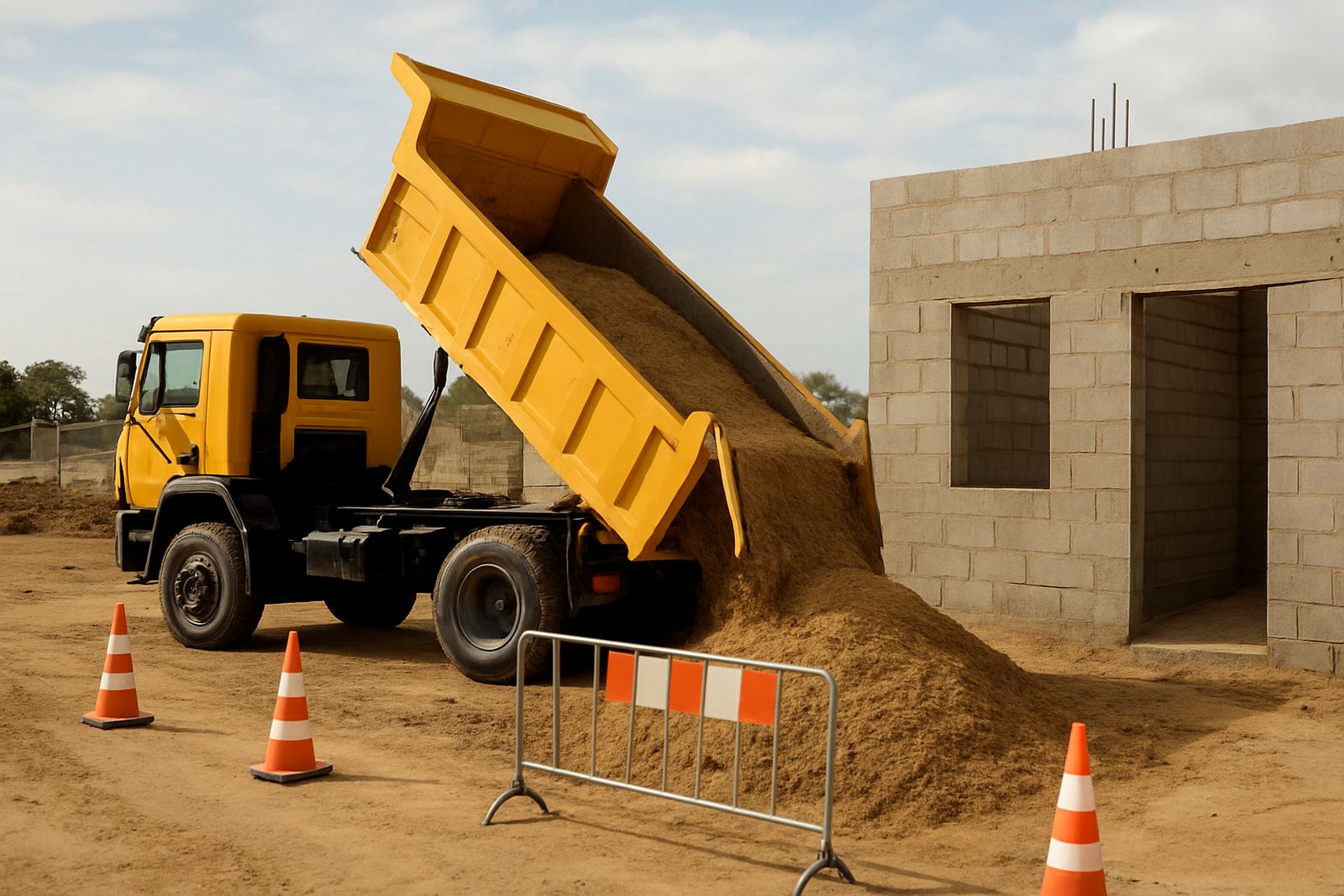
Our hired tipper trucks are supplied for construction use and selected to handle rough site conditions, uneven ground and regular loading. Hydraulic tipping makes unloading quicker than manual offloading and helps keep crews focused on the next lift, not the clean-up. For sites dealing with after rain access, coastal humidity or long haul days between stockpiles the right truck size matters just as much as the driver plan.
- Suitable for rubble, sand, stone, gravel and spoil
- Hydraulic tipping for quick discharge
- Useful on building sites, roadworks and earthworks
- Available for short-term, weekend or long-term hire
Sizes and configurations to match the job
We supply tipper trucks in different capacities so contractors can choose what fits the load, the access roads and the site turning space. Smaller units are easier to place on tighter urban sites, while larger tippers work well on bulk movement where there is room for manoeuvre and regular loading with plant or a loader. If you are working in a developed area with narrow streets, or on a plot where neighbours and municipal access are a factor, compact access can make all the difference.
Common hire options include single rear-axle tippers for lighter loads and medium to larger rigid tippers for heavier carting. Selection is usually based on payload, body volume and the expected road condition between the stockpile and dumping point. We can also plan mixed fleets so a smaller truck handles internal runs while a larger unit covers the main haul, which helps keep fuel use and delays under control.
- Single-axle units for lighter site transport
- Medium rigid tippers for general construction haulage
- Larger capacity options for bulk spoil and aggregate
- Different body sizes depending on payload and access
Where tipper truck hire suits best
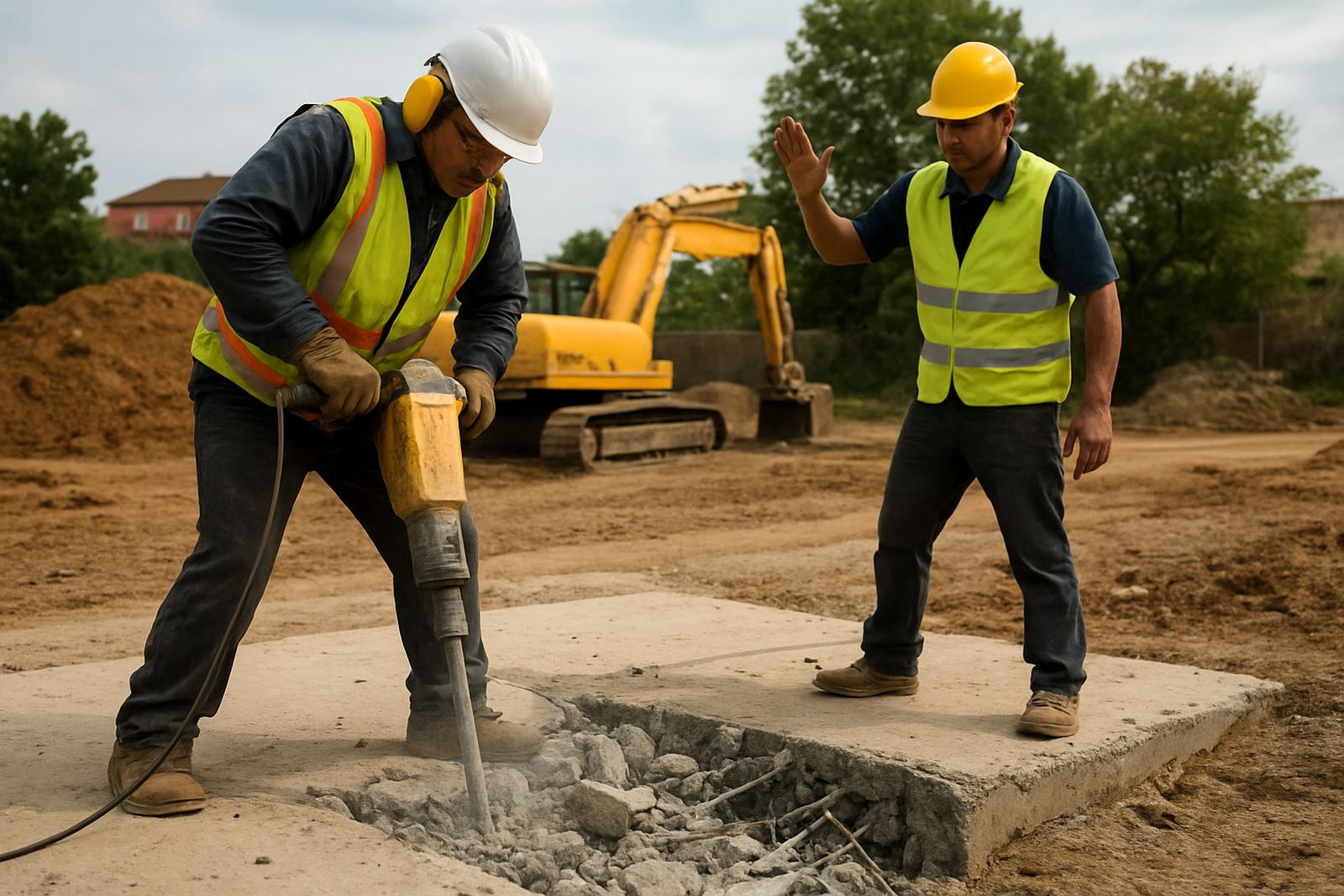
Tipper trucks are used across a wide range of projects, from residential building work to civil construction and demolition. They suit sites where material needs to move often, where stockpiles are spread out, or where on-site waste removal must stay ahead of the build programme. For contractors working under tight timelines in Gauteng, a tipper can keep rubble cleared before it blocks access for other plant.
They are also a good fit for municipal work, paving jobs, trench backfill, road base spreading and material redistribution on large plots. On coastal projects in Durban or Bellville, the body and moving parts should be checked regularly for dust, salt air and washdown exposure. If the site has steep gradients or soft ground, it is worth checking turning space and tipping ground conditions before dispatch so the truck can work safely.
- Residential developments and estate work
- Roadworks, trenching and backfilling
- Demolition and site clearing
- Aggregate movement for paving and concrete work
Power, site access and tipping requirements
Tipper trucks do not need a site power connection or gas supply to operate, as the tipping action is driven by the truck’s hydraulic system and engine. What they do need is suitable access for loading, travelling and tipping. Ground conditions should be firm enough to support the vehicle when the body is raised, with enough space behind the truck for a safe discharge area. Soft verges, sloping edges and overhead services can create risk if the truck is placed badly.
Before ordering, check whether the site has entry restrictions, weight limits, low bridges or delivery time windows. In some commercial zones and residential areas in Johannesburg and Pretoria, access may also depend on loading bay rules, council traffic restrictions or estate permits. If the material is being tipped into a confined area, make sure the discharge point is planned and the ground crew knows the sequence.
- No electrical or gas hookup required on site
- Firm ground needed for tipping and loading
- Check height, weight and turning clearances
- Plan access around local traffic or site permit rules
Care, servicing and daily checks
Our fleet is maintained so that each truck arrives ready for the job, but daily site checks still matter. Before use, the driver should inspect tyres, lights, mirrors, body pins, hydraulic hoses, tailgate function and warning devices. If the truck is hauling wet sand or sticky rubble, the body should be kept as clean as possible to avoid build-up that affects tipping action. Small faults caught early save time and reduce breakdowns on site.
We support long-term hire with on-site servicing, fuel management and breakdown response where needed. If a truck goes off schedule, we can assist with plant swop-outs and off-hire collections so work does not stall for long. Our workshop team also keeps records of service intervals and safety checks, which helps contractors maintain their own compliance files. It is simple enough, but a missed tyre check or loose latch can stop the day cold.
- Daily inspection of tyres, hydraulics and lights
- Keep tipping body clear of hardened material
- Record defects before the truck goes into service
- Use scheduled servicing for longer hire periods
What to confirm before you place the order
When hiring a tipper truck, the best results come from clear load details and site information. Tell us what material will be moved, how far it needs to travel, where it will load from and where it will discharge. That helps us match the truck size and reduce wasted trips. If the site has steep gradients, limited parking or working hours that change daily, we should know that upfront so the dispatch plan can fit the job.
It also helps to confirm whether an operator is required, whether the truck needs to stay on site overnight, and whether the work will continue over weekends. For projects in Germiston, Midrand, Pinetown or Bellville, depot proximity can improve response times for same-day dispatch and collection. If you need more than one vehicle, we can plan the fleet around the programme rather than sending a one-size-fits-all option.
- Type of material and estimated load size
- Site access limits, turning space and tipping point
- Need for operator supply or stand-by support
- Hire period, weekend cover and collection timing
Key facts
| Hire type | Short-term, long-term, weekend and project-based hire |
|---|---|
| Use case | Rubble, sand, stone, spoil and construction material movement |
| Typical capacity | Single-axle through to larger rigid tipper options |
| Power need | No site power or gas required |
| Support | Site deliveries, same-day dispatch and breakdown response |
| Coverage | Germiston base with depots serving Gauteng, KwaZulu-Natal and the Western Cape |