
What On-Site Servicing Covers on Active Jobs
On-site servicing is the routine maintenance support we provide while your hired equipment is out on the job. It is aimed at longer hires where waiting until a machine returns to depot would cost time, labour and money. Our team attends your site to handle scheduled checks, consumables, basic adjustments and fault spotting before small issues turn into downtime.
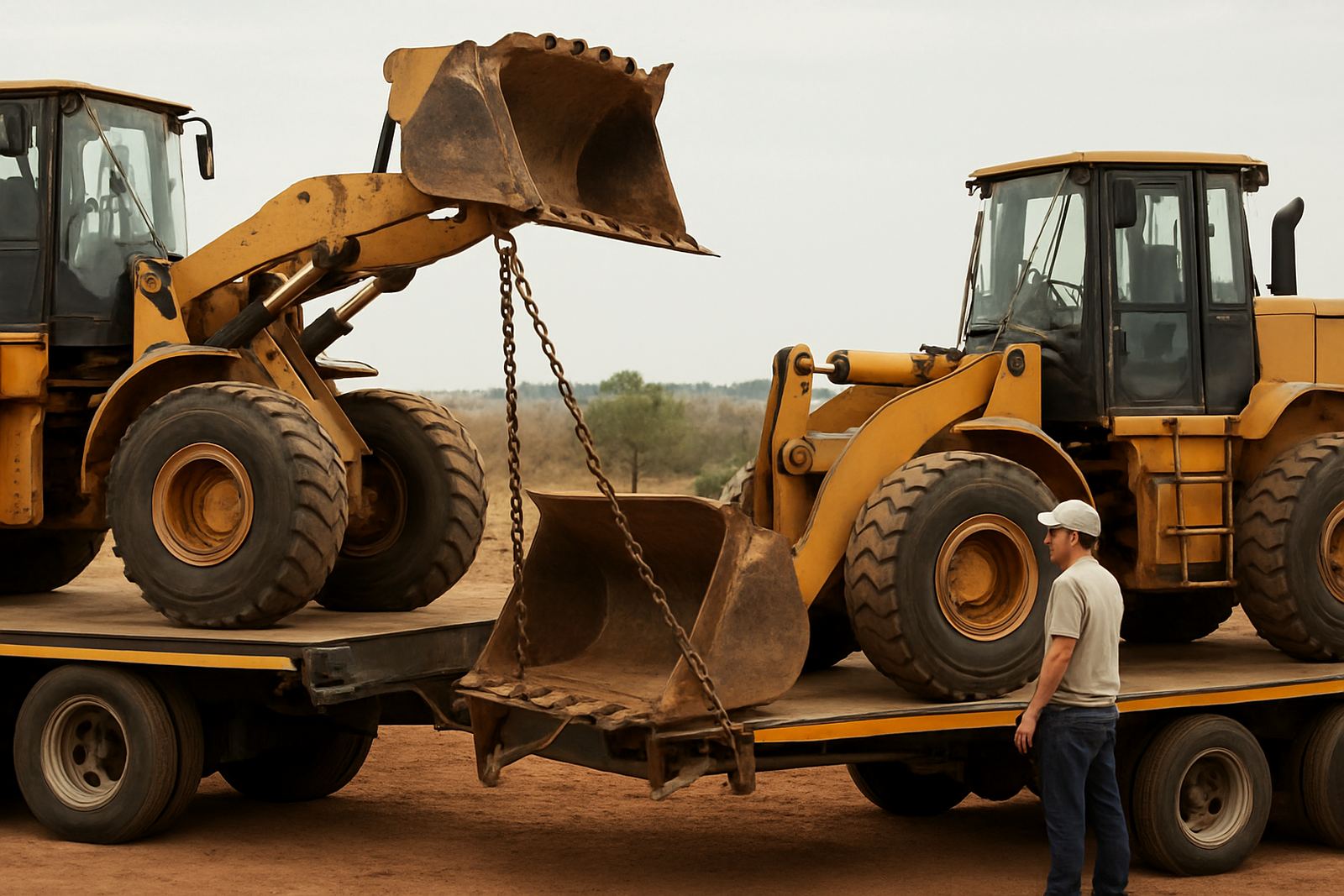
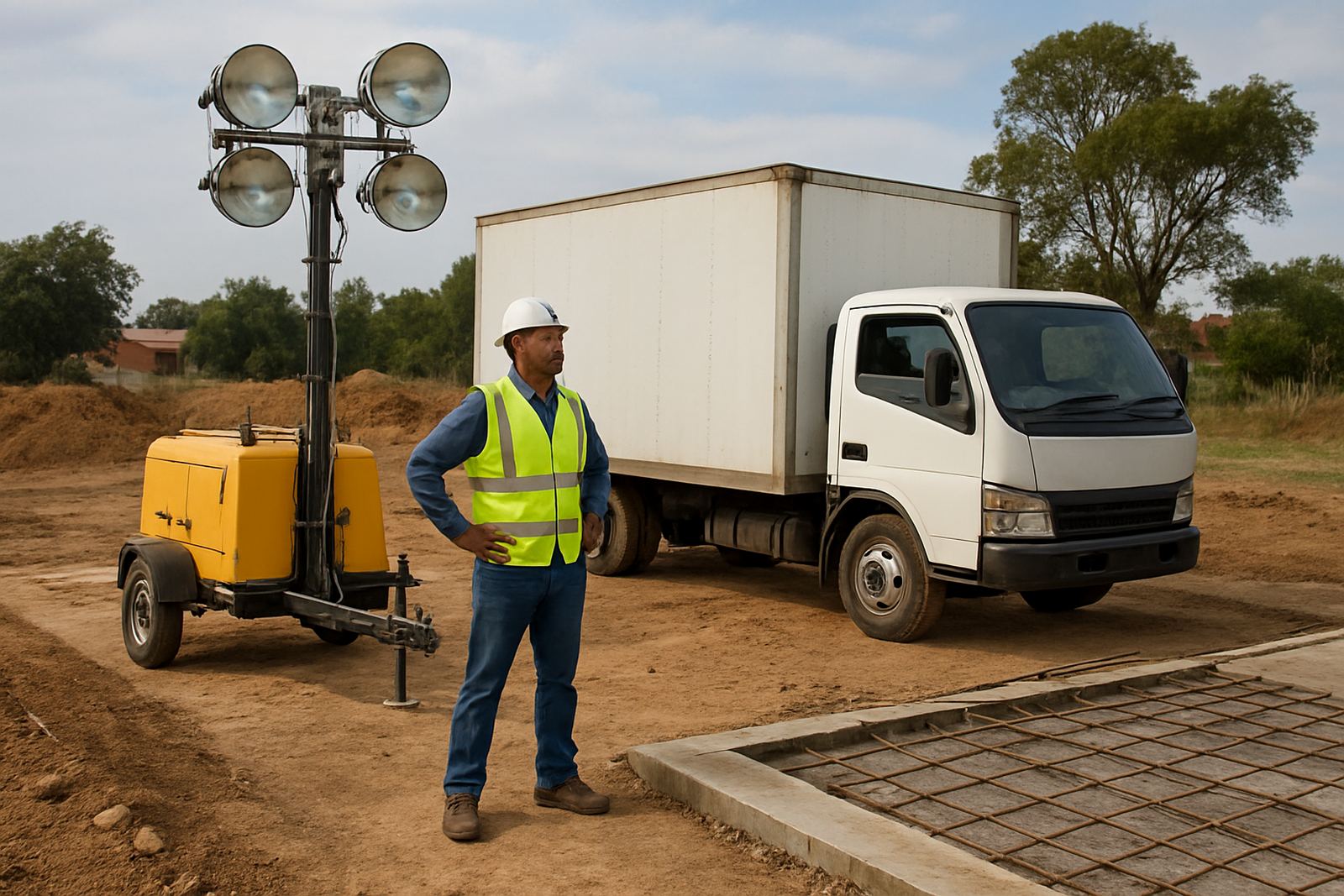
This service suits civil works, roadworks, commercial builds, industrial plants and housing developments where plant runs daily under dust, heat and vibration. We work with excavators, loaders, compaction equipment, lighting towers, generators, access equipment and scaffolding support gear, depending on the hire package and site conditions. If a machine needs more than a field service can safely handle, we arrange a plant swop-out or move the unit to workshop for deeper work.
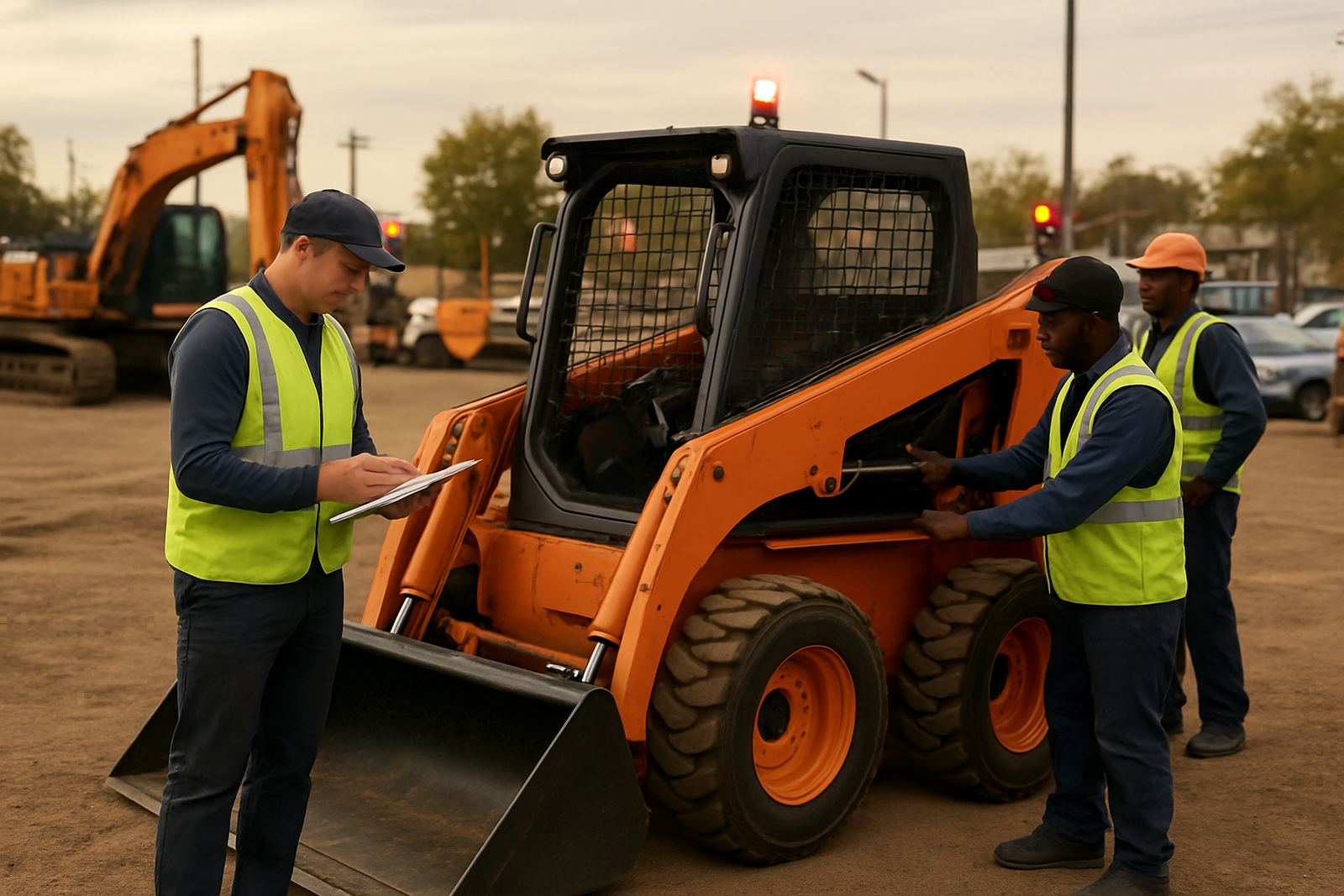
Each visit is logged against the asset, with the hour reading, service history and any notes from the operator or site foreman. That helps your team keep records straight for audits and handovers, and it makes it easier to plan the next interval without guesswork.
What We Check, Top Up and Test
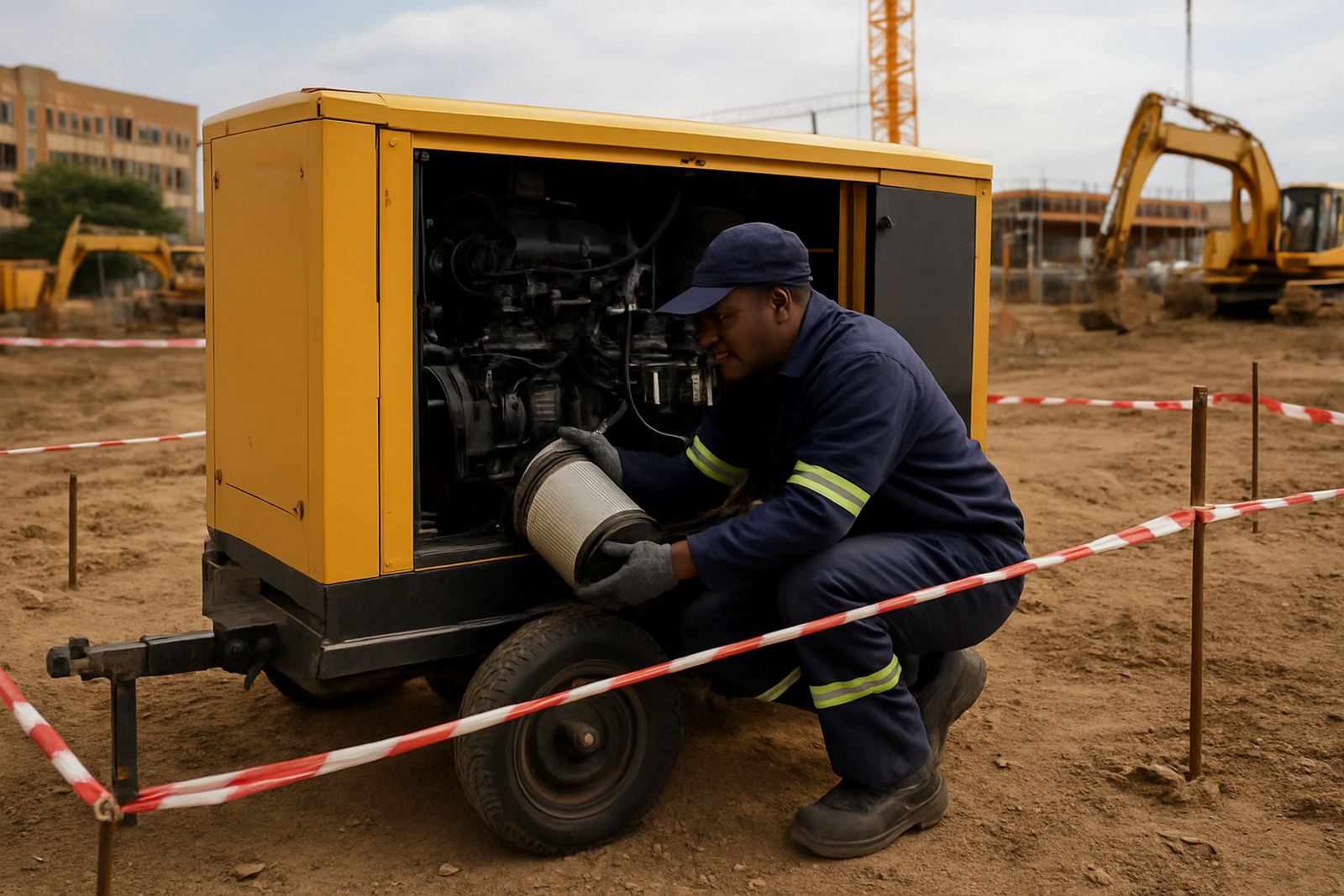
Our field servicing is practical and focused on keeping the machine safe, legal and ready for use. We do not arrive to waste time, we arrive with a list and a plan. Typical tasks include inspections, lubrication, fluid top-ups and a quick check of wear items that are likely to affect day-to-day operation.
- Engine oil, coolant, hydraulic oil and fuel levels
- Greasing of pins, bushes and moving points where applicable
- Air filters, belts, hoses and visible leak checks
- Tyres, tracks, pads, chains and undercarriage condition
- Battery condition, charging system and starter performance
- Lights, warning beacons, horn, switches and safety interlocks
- Attachment condition, couplers and locking pins
- Walk-around inspection and basic function test after service
If we find a developing issue, we report it immediately and advise whether it can be managed on site, needs a return to depot, or should be swapped out. That keeps the pressure off your supervisor and helps avoid a late-day stoppage when labour is already booked, which is never ideal.
How the Servicing Process Works
We keep the process simple so site teams are not tied up chasing updates. Once the hire is active and the machine is in regular use, our hire coordinator and fleet manager agree the servicing plan with you, based on hours run, site access and production times. For some jobs we will set a calendar interval, for others we work from engine hours and operating conditions.
- We confirm the machine type, hire duration and site location.
- We agree the servicing interval and access window with the site contact.
- Our workshop or field team prepares the correct consumables and tools.
- We attend site, complete the service and record the findings.
- Any follow-up work is flagged for action, with a clear recommendation.
If the site has security controls, induction rules or restricted working hours, we build that into the call-out. On busy Gauteng sites, that often means early morning access before concrete pours or earthworks start. At coastal sites in Durban or Cape Town, we also factor in corrosion risk, humidity and salt exposure when advising service intervals.
Turnaround Times and Response Planning
For planned servicing, turnaround depends on the job size, number of assets and the distance to site. In Gauteng we can often schedule routine visits with short notice, while projects in KwaZulu-Natal and the Western Cape are usually booked into a planned route so the team arrives with the right stock on hand. Same-day attendance can be arranged where the workload allows it and the site issue is urgent.
Where an active fault threatens progress, we assess whether the machine can be made serviceable on site within the same visit. If parts, a lift, or workshop tools are needed, we coordinate the next step straight away. The goal is to keep your project moving, not to leave you waiting for another call-back. In practical terms, most routine visits are completed in a single site stop, while more involved diagnostics may need a second attendance or swop-out.
- Routine service visits: booked in advance, often before shift start
- Minor field corrections: usually handled during the same visit
- Breakdown follow-up: prioritised against site urgency and fleet availability
- Workshop transfer: arranged if safe repair cannot be completed on site
Pricing Approach for On-Site Maintenance Support
We price on-site servicing according to the size of the fleet, the location of the job, the level of maintenance needed and whether the service is planned or reactive. A single machine on a long-term hire is not priced the same as a mixed fleet on a major site with split shifts, so we quote to the actual use case rather than forcing one rate across every job.
Costs may be structured as a monthly service allowance, a per-visit charge, or part of a longer hire package where maintenance is built into the agreement. Travel, consumables and specialist labour are included or itemised clearly, depending on the scope. If a site needs regular weekly attention because of dust, heavy usage or long operating hours, we will usually recommend a fixed service rhythm so the budget stays predictable.
We do not use hidden extras. If a job needs fuel management, off-hire collection or a plant swop-out to protect production, those items are explained up front so the site manager can approve the next step with confidence.
Maintenance Intervals That Suit South African Sites
Service intervals vary by machine type, load, terrain and environment. A compact machine on a light internal job will not need the same attention as an excavator working in abrasive ground or a generator running through load-shedding. We advise intervals based on hours, site exposure and the manufacturer-style maintenance pattern that suits the equipment class.
As a practical guide, many hired units benefit from early inspection within the first few days of deployment, then routine follow-ups every 250 hours for standard plant, with more frequent checks where the site is dusty, corrosive or operating long shifts. For access and power equipment, pre-use checks are still the operator's responsibility, but our service visits help keep the bigger maintenance items under control. If a site is running seven days a week, we may tighten the interval to reduce the risk of avoidable downtime. A small leak or loose fitting can become a bigger mess fast if it is ignored.
- Light duty or short-term hires: interval based on condition and hours
- High-hour construction plant: regular scheduled checks and fluid service
- Coastal or corrosive environments: shorter inspection cycles
- Dusty earthmoving sites: more frequent filter and grease checks
Compliance, Records and Site Safety
Every on-site service is handled with site safety in mind. Our safety and compliance lead, Nokuthula Khumalo, ensures the paperwork and process support the conditions your site requires. We can align with induction rules, PPE requirements, permit controls and site-specific access procedures so the visit does not create extra admin for your team.
Service records are useful for audits, client handovers and internal planning, especially on public sector work or larger commercial sites where maintenance history matters. We note the date, machine number, service action and any defects reported. If there is an issue affecting safe use, we record it and advise the next step clearly. That includes situations where the machine should be taken out of service until repairs are complete, because safety has to come first.
Our approach is straightforward: keep the equipment serviceable, keep the site informed and keep the paperwork in order. It saves time later, and it helps everybody sleep beter when a deadline is close.
Key facts
| Service area | Germiston, Johannesburg base with coverage across Gauteng, KwaZulu-Natal and the Western Cape |
|---|---|
| Visit type | Planned maintenance, routine inspection, fault checks and minor adjustments on active hire sites |
| Typical assets | Excavators, loaders, compactors, generators, access equipment, lighting towers and related plant |
| Planning method | By engine hours, calendar interval or site condition, depending on the hire and workload |
| Response options | Scheduled visits, same-day attendance where available, and breakdown follow-up support |
| Records supplied | Service log, findings, recommendations and follow-up action notes for site files |