1. Start with the site details we need
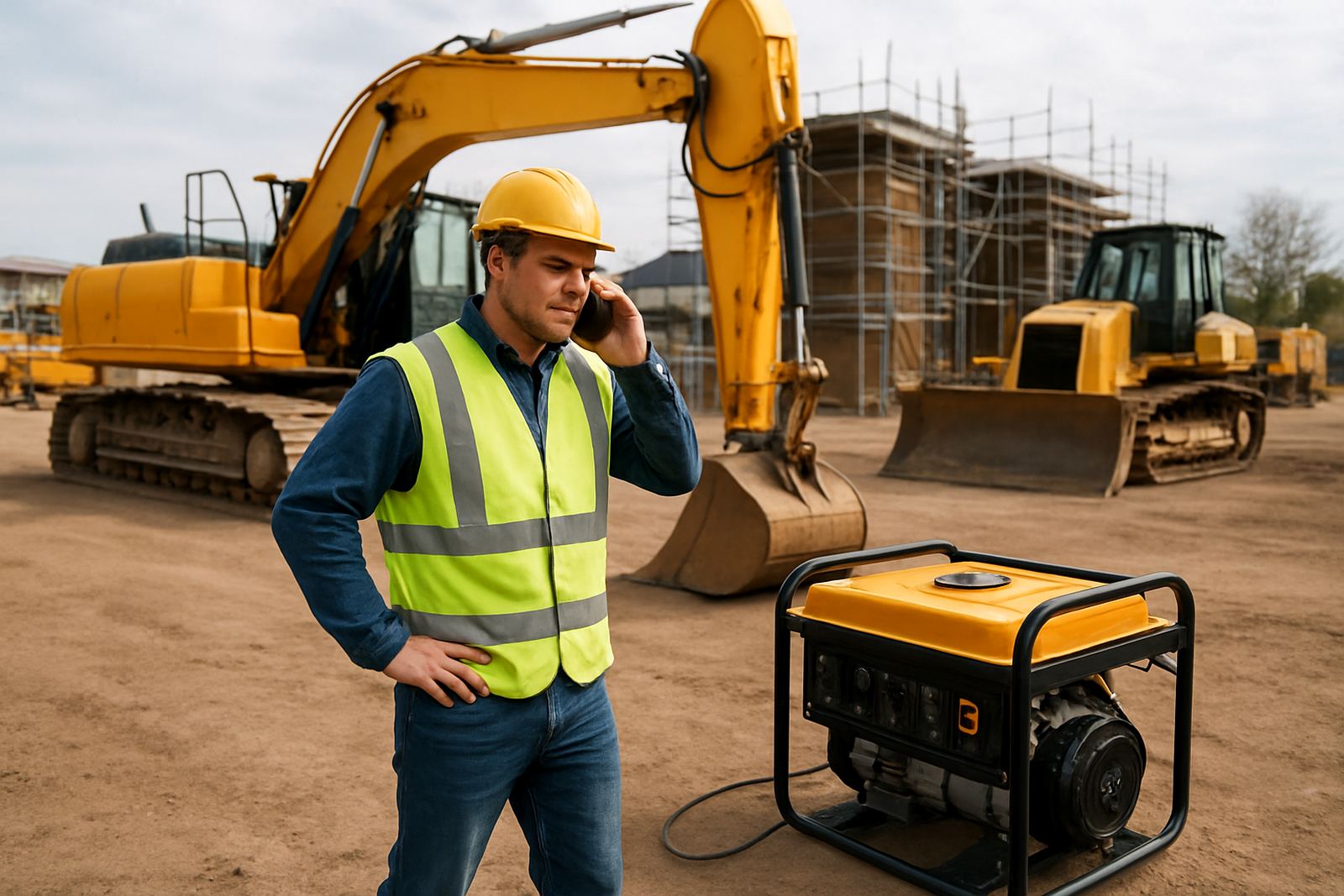
For urgent support, send your request through the enquiry form with the site name, suburb, machine type, asset number if available, and the problem you are seeing. The more precise you are, the faster we can decide whether to send a technician, arrange a swop-out, or move another unit to site.
Please add the delivery point, access notes, and whether the equipment is on a live construction site, a depot yard or a private property. If the issue is safety related, stop using the unit straight away and keep the area clear. A short note like “no hydraulic pressure” or “generator tripping under load” helps us get moving without back and forth.
- Site address or nearest landmark
- Machine type and size
- Fault description and when it started
- Whether the unit is still safe to use
- Contact name on site for access and sign-off
2. What counts as an urgent call-out
We treat a breakdown as urgent when it is holding up concrete pours, excavation, lifting, site access or power supply. That includes machines that will not start, stop mid-shift, lose pressure, overheat, leak oil, or trip under load. It also covers damaged scaffolding components, missing safety parts, and equipment that has been affected by theft, weather, or rough handling.
On coastal jobs in Durban or Cape Town, corrosion and moisture can cause repeat faults if the unit has been left exposed. In Gauteng, dust and long operating hours often show up as blocked filters, battery problems, and overheating. If the machine is still running but showing warning signs, report it early rather than waiting for a full stoppage, it saves time and money.
- Power failures on generators during load-shedding
- Hydraulic leaks or loss of lift on earthmoving equipment
- Starter faults, dead batteries, or electrical trips
- Damaged guard rails, platforms or access equipment
- Fuel contamination or suspected contamination in tanks
3. How our emergency support works after hours
After-hours requests are handled as a practical response, not a call centre script. Once the enquiry is received, our team checks the machine type, depot coverage and availability of a technician or replacement unit. If the issue is simple, we may guide your site team through a safe reset or isolation step. If it needs a field visit, we plan the fastest route from the nearest depot, bearing in mind traffic, gate access and site rules.
In many cases, the quickest fix is not a repair on the spot but a controlled swop-out so your crew can keep working. We also keep an eye on fuel, service history and operational hours when deciding what to send next. That way we do not put another problem onto the same job a few hours later.
- Germiston, Midrand, Pretoria East and Boksburg for Gauteng cover
- Durban and Pinetown for KwaZulu-Natal support
- Cape Town and Bellville for Western Cape response
- Same-day dispatch where access and stock allow
- Weekend support for time-sensitive projects
4. Safety comes first on live sites
Emergency support always starts with safety. If a machine has overheated, lost braking, suffered a burst hose, or been involved in any impact, isolate it and keep workers clear until it has been checked. Our Safety and Compliance Lead and workshop team work with site managers to confirm the next step, whether that means repair, removal or off-hire collection.
For scaffold and access issues, do not climb onto a faulty section to inspect it from the top. Mark the area, stop use and give us the full picture from ground level. If a generator is feeding critical lighting or tools, switch off the load if you can do so safely and protect the unit from rain, fuel spills and tampering. A tidy site makes fault-finding quicker and reduces risk for everyone involved.
- Switch off and isolate unsafe equipment
- Keep the area clear until approval is given
- Do not bypass alarms, cut-outs or guards
- Report any spill, smoke or unusual smell immediately
- Keep gate access ready for our team or collection vehicle
5. What we can arrange to keep the job moving
Our emergency support is built around keeping your programme on track. Depending on the fault and the location, we can arrange operator supply, fleet planning changes, breakdown response, on-site servicing, fuel management, and long-term cover if the repair will take more than a short while. If a machine is beyond quick repair, we will work through a replacement plan that suits the job size and the ground conditions.
For projects in busy municipal areas, we also factor in delivery windows, road access and local site restrictions. In some parts of Johannesburg and Pretoria, a late gate closure or permit issue can delay collections, so it helps to keep the paperwork ready. If you are on a coastal site where rust, wind or salt air are causing repeat trouble, let us know that as well. It changes the kind of unit we send and the servicing interval we recommend.
- Replacement machine or plant swop-out
- Field servicing at site where practical
- Fuel top-up or fuel management support
- Off-hire collections when the unit is no longer workable
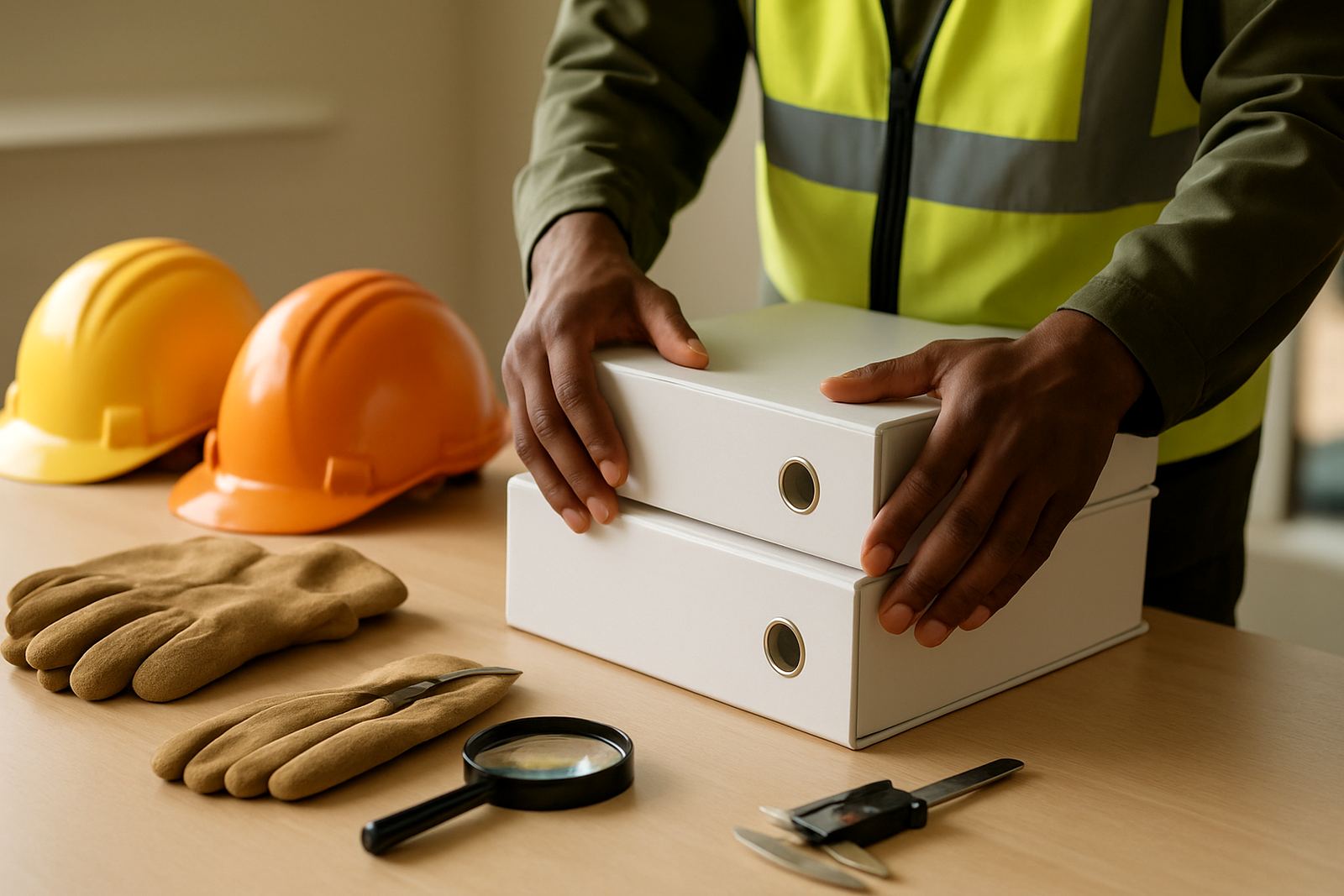
- Safety documentation for site records
6. The fastest way to get a response
When speed matters, keep your request short and factual. A clear subject line or first note such as “urgent breakdown at Germiston site” is enough. Add the machine details, what happened, and whether the site can receive a vehicle now or only at a set time. If there is a foreman, health and safety officer, or security gate contact, include that too.
Once the request is submitted, stay close to the form contact details in case we need one more piece of information. Our team coordinates from Germiston and the other depots, so we can route the call to the nearest available support. The aim is simple: get the equipment sorted, keep the crew safe, and avoid a long stoppage that throws the whole day off.
If you are unsure whether the issue is urgent, send it anyway. It is better to flag a machine early than to wait until the damage spreads.