What a plate compactor does on site
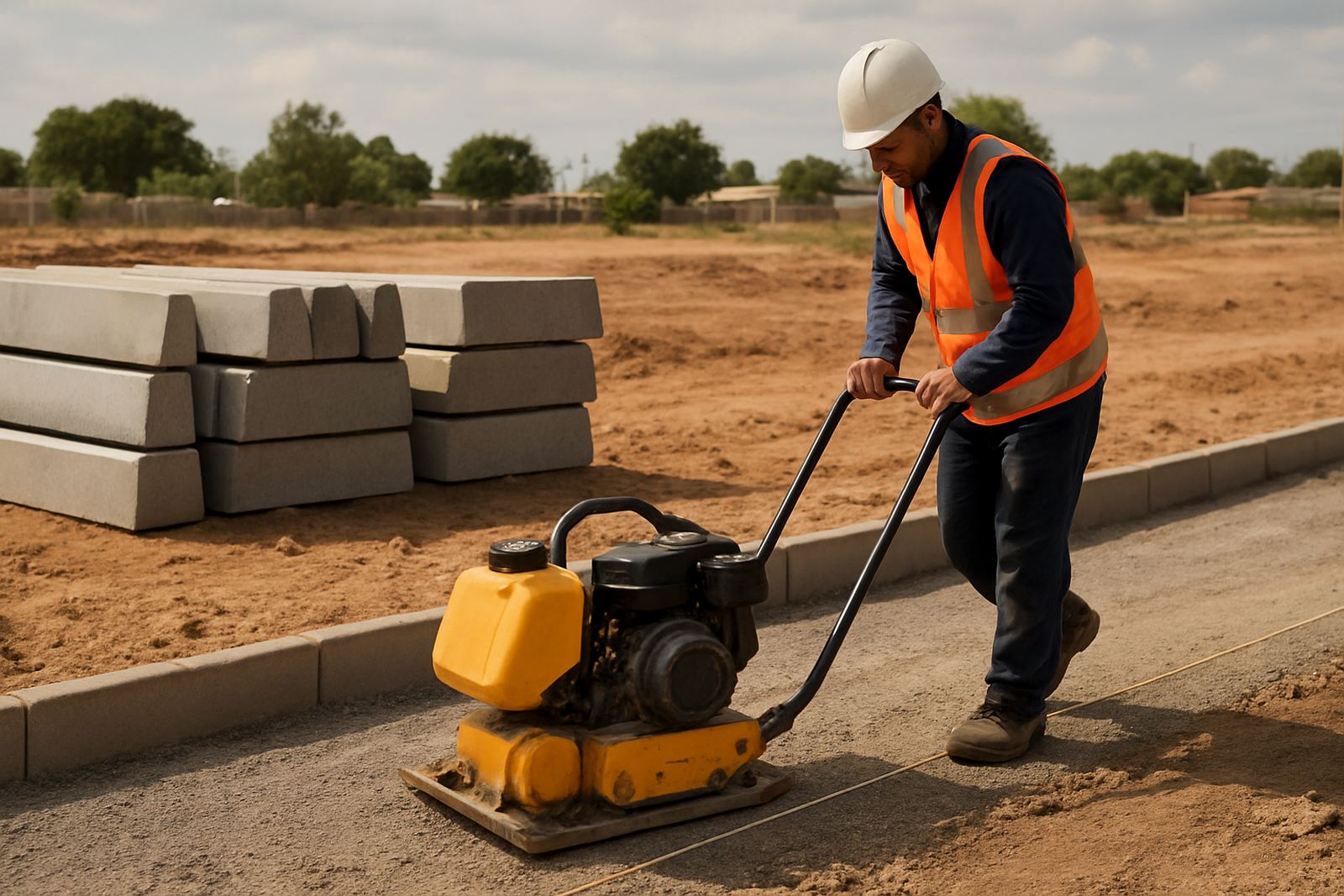
A plate compactor is a walk-behind machine used to compress soil, sand, crusher run, asphalt patch material and other granular layers before the next stage of work. It uses a heavy steel base plate that vibrates at speed, pushing air out of the material and helping form a firmer surface. On building sites it is often used on paving bases, around kerbs, in trenches and in the smaller areas where a roller cannot fit.
For contractors working in Johannesburg, Germiston, Pretoria, Durban or Cape Town, a plate compactor is useful because it is simple to move, quick to start and practical for short-duration jobs. It also helps when you need to work around live services, narrow access points or completed sections that need careful finishing. The unit is not for deep compaction in large bulk fills, so correct layer thickness matters if you want consistent results.
We supply compactors for general building work, road repairs, landscaping and civil maintenance. If the area is too soft, too wet or too thick, the machine will not do its best work and the surface can settle later. That is why the right plate size and operating weight should be matched to the material and the job at hand.
Sizes and options available for hire
Plate compactors are usually selected by plate width, operating weight and whether the machine is forward-only or reversible. Lighter units are easy to handle on paving and small trenches, while heavier units give more pressure for denser material and thicker layers. The right choice depends on access, the base material and how much compaction is needed in one pass.
- Plate width: commonly 350 mm to 600 mm for general hire work.
- Operating weight: around 60 kg to 500 kg, depending on the model and job type.
- Compaction force: suited to light finishing through to heavier base compaction.
- Drive type: forward-only for smaller areas, reversible for heavier site work and better control.
- Plate edge: tapered or rounded edges help close up against kerbs and forms.
For paving jobs, a narrower plate can help near walls and edges, while a wider machine covers more ground on driveway bases and yard slabs. For trench work, the choice normally depends on trench width and access, because a machine that is too wide becomes awkward and can damage the sides. If you are unsure, our hire team can help you match the machine to the job before dispatch.
Best uses on construction and maintenance jobs
Plate compactors suit any area where you need firm support but do not have space for a large roller. They are common on residential developments, paving installations, municipal repairs and maintenance work for service providers. In coastal areas such as Durban and the Western Cape, contractors also use them on paths, patios and light hardstand areas where moisture and fine material can make settlement more likely.
Typical applications include:
- paving bases for driveways, walkways and courtyards
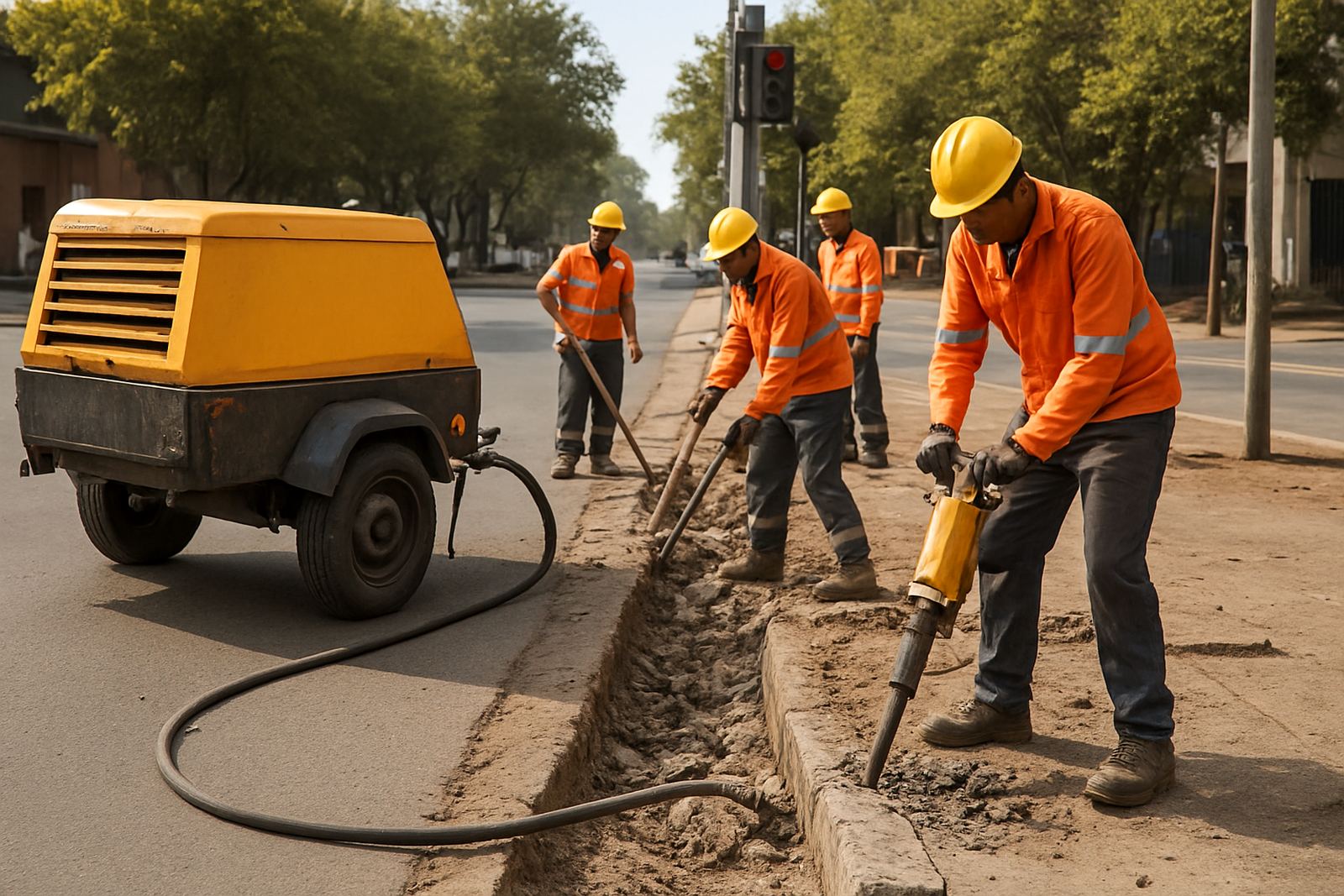
- service trenches for water, sewer, electrical and data lines
- edge compaction around kerbs, manholes and channel drains
- small backfill areas after repairs or utility installations
- patch compaction on asphalt repairs and minor road maintenance
These machines are practical on sites with frequent load-shedding because many are fuel-driven and do not rely on mains power. That makes them useful where generators are already in use for lighting, pumps or tools. They also work well when the site is active and you need one compact machine that can be moved by hand between work areas.
Power, fuel and on-site setup
Most plate compactors in hire fleets are petrol-driven, which makes them suitable for open sites and areas without electricity. Petrol units are the common choice for paving contractors and general builders because they start quickly and can be used almost anywhere. In some cases, a unit may be supplied with a water tank or edge protection depending on the application, especially where dust control or surface finish matters.
Before use, the operator should check fuel level, engine oil, belt condition and plate condition. A level, prepared surface is important, and the material should be placed in layers of sensible thickness rather than packed in one heavy lift. If the ground is too wet the compactor can bog down or leave a marked surface, so timing matters. On trench jobs, the fill should be placed evenly and compacted in lifts to avoid hollow spots later.
Where access is tight, make sure there is enough turning room and safe footing for the operator. If the site is on a slope or close to unfinished edges, the machine should be handled with care. Our team can assist with practical advice on loading, offloading and the best machine for the site conditions, especially on busy jobs where plant arrives in stages.
Care, servicing and safe operation
Good maintenance keeps the machine working properly and reduces downtime on site. Before and after each hire, the machine should be checked for loose bolts, worn rubber mounts, damage to the base plate and signs of oil leaks. A compactor that has been cleaned and serviced is easier to use and performs more consistently, especially on dusty Gauteng sites or in humid coastal conditions where moisture can affect components.
We carry out routine servicing, workshop inspections and breakdown response to keep the fleet in order. If a unit shows vibration issues, poor starting or reduced compaction, it should be taken out of service and checked. That approach helps avoid delays on the next shift and keeps the operator working with equipment that is fit for purpose.
Safe use also matters. Operators should wear suitable boots, gloves and hearing protection, and they should keep hands and feet clear of the plate while the machine is running. On trench work, the operator must stay clear of unstable edges and never work in a trench that is not properly supported or made safe. A small mistake can cause damage to the backfill or the finished layer, so control is important.
Hire support from Germiston to your site
MachinesAfrica Rentals supports contractors from Germiston and across our Gauteng, KwaZulu-Natal and Western Cape depots. That means quicker turnaround for plate compactor hire, whether the job is in Boksburg, Midrand, Pretoria East, Pinetown, Bellville or central Cape Town. We also support longer-term projects where the compactor must be swapped out or serviced during the contract.
Our team handles site deliveries, off-hire collections, weekend support and breakdown response, which is useful when a small machine is holding up a bigger programme. If your crew is working to a tight finish date, we can help line up the equipment so the compaction step fits into the rest of the work without unnecessary stoppages. It is practical support, not fuss, and it keeps the site moving.
For planting bases, trench repairs or paving prep, a plate compactor is often the last machine you want to go missing. We keep the process straightforward so you can get on with the job and hand over a surface that stays firm under load.
Key facts
| Machine type | Walk-behind plate compactor |
|---|---|
| Plate width | 350 mm to 600 mm |
| Operating weight | Approx. 60 kg to 500 kg |
| Drive options | Forward-only and reversible models |
| Power source | Petrol-driven units |
| Typical uses | Paving bases, trenches, backfill and patch repairs |