
Dewatering pumps for wet sites and urgent water removal
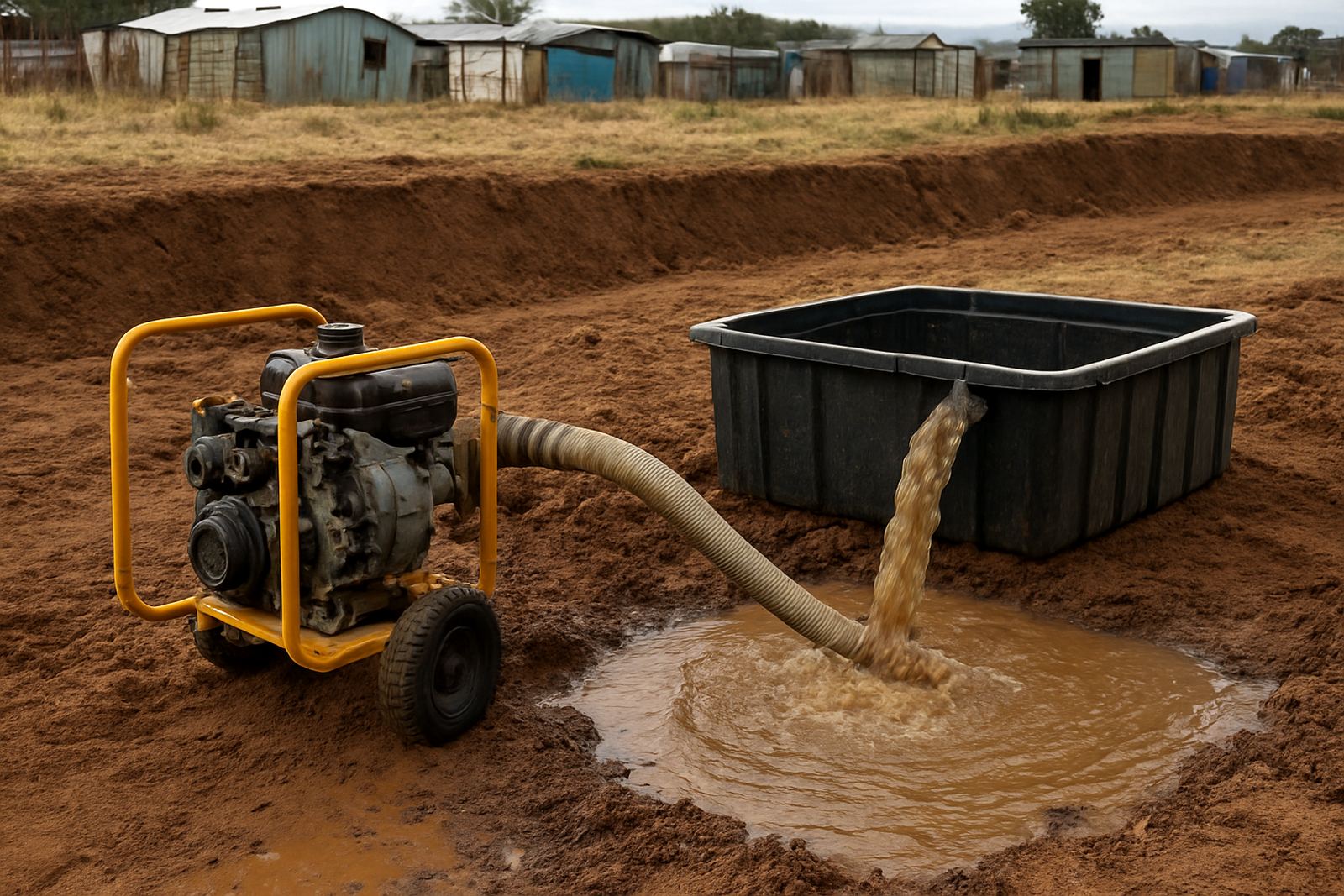
Water pump hire is a simple way to keep a job moving when rain, ground water or burst pipe work leaves a site too wet to carry on. These pumps are commonly used for trench dewatering, basement cleanouts, foundation work, drainage repairs and stormwater control. On South African sites, where afternoon storms and load-shedding can both interfere with schedules, having the right pump on hand can save a full day of lost work.
We supply pumps for short-term hire, long-term projects and emergency call-outs. That includes compact units for tight access as well as heavier duty pumps for larger volumes and longer discharge runs. If you are not sure what size suits the job, we help you match the pump to the depth, flow rate and power source available on site.
- Trenches and service runs
- Basements and pits
- Stormwater pooling
- Site drainage and wash water
- Emergency flood response
Pump sizes and options for different dewatering jobs
Different jobs need different pump capacities. Small portable pumps are ideal for lighter water transfer, while higher flow units are better for muddy trenches, standing water and repeated pumping over long shifts. If the water carries silt or small debris, a heavier duty pump with the right intake setup is often the safer choice, because it reduces blockages and keeps the job moving.
We can supply diesel, petrol and electric options depending on access and the power available on site. Electric pumps suit enclosed areas and controlled works where power is stable. Petrol units are useful for smaller mobile jobs. Diesel pumps suit longer shifts and sites where you need dependable performance with less interruption. In coastal areas like Durban or Cape Town, correct placement and maintenance matter because moisture and salt air can affect equipment left exposed.
- Small portable transfer pumps
- Medium dewatering pumps for trenches and pits
- High-flow units for stormwater and flood clean-up
- Petrol, diesel and electric power options
- Models suitable for clear water or dirty water applications
Where water pump hire suits best
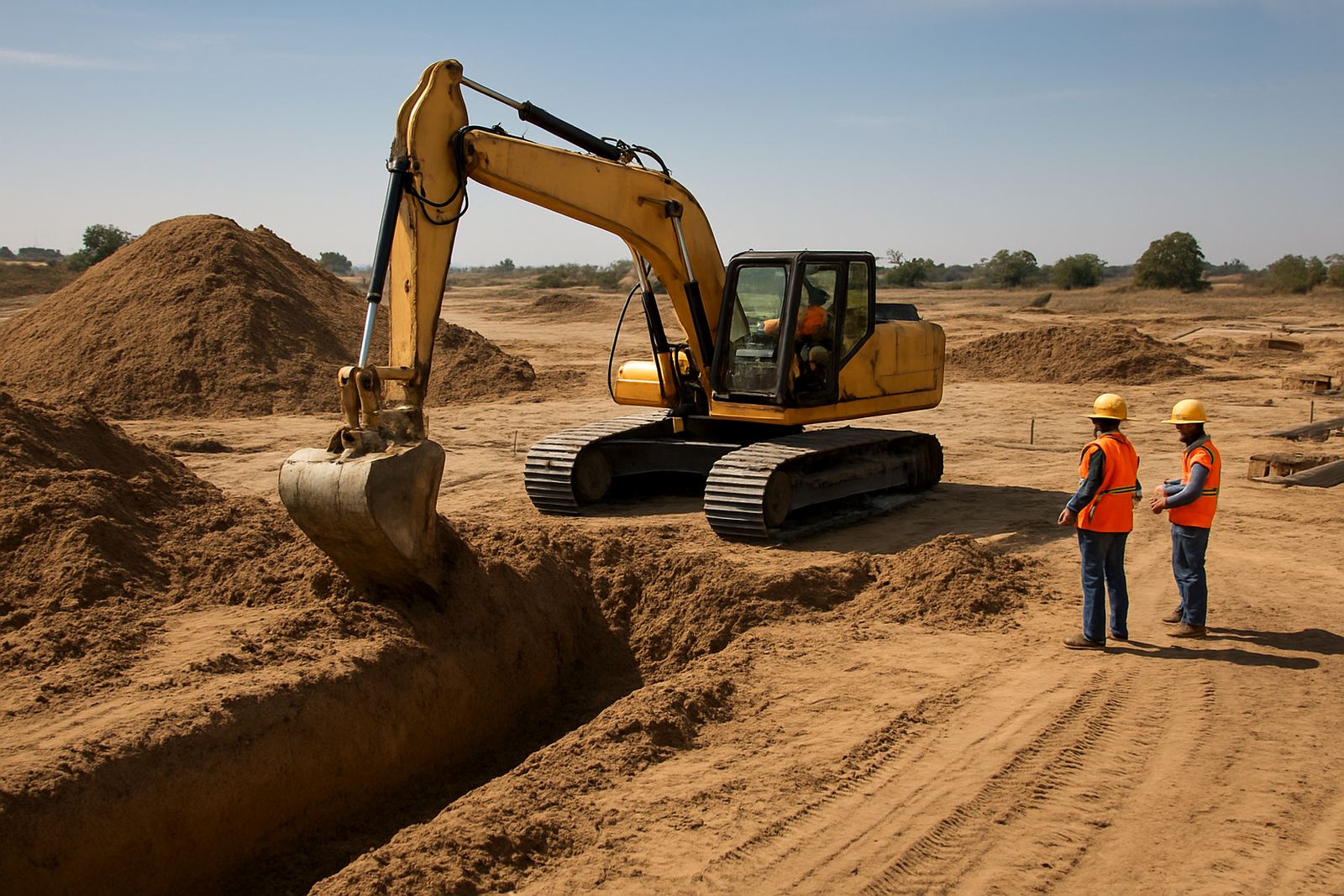
These pumps are used across construction, civil work, mining support areas and property maintenance. They are a regular hire item on sites where excavations sit below ground level, where rainwater collects, or where groundwater seeps back into a cut. For contractors working in Germiston, Midrand, Pretoria East, Boksburg, Pinetown or Bellville, pump hire is often the quickest way to keep excavation and concrete work on programme.
They also help on sites with temporary services, sump pits, retaining walls, roadworks and foundation pours. If a site has strict access rules or limited storage space, a hired pump can be delivered, installed and collected without leaving you with equipment to maintain after the job. That is useful for smaller builders as well as larger teams with multiple live sites.
- Construction excavations
- Basement and underground parking areas
- Road and civil works
- Commercial site drainage
- Temporary flood response and maintenance work
Power, fuel and installation details to plan before hire
Before ordering, it helps to confirm where the pump will sit, how far the discharge hose needs to run and what power source is available. Some pumps need a stable electric supply, while others are better suited to diesel or petrol operation where site power is limited. If your site is affected by load-shedding, or if the work must continue after hours, a fuel driven unit may be the safer option.
Installation is usually straightforward, but the intake position and hose routing need attention. The pump should be set on firm ground, with hoses laid out so they do not kink or lift under pressure. On uneven ground or in wet trenches, proper placement helps reduce airlock, vibration and premature wear. We can also assist with operator supply where needed, especially for long shifts or jobs that need close monitoring.
- Confirm suction depth and discharge distance
- Check for available electricity or fuel on site
- Allow for hose lengths and bends
- Plan access for delivery and off-hire collection
- Ask about operator support for monitored pumping
Keeping the pump working properly during hire
Good care during hire makes a real difference to performance. Pumps should be checked for debris in the intake, secure hose connections and safe fuel levels where applicable. If the pump is moving muddy water, it may need more frequent checks to avoid clogging. Our workshop team services the fleet, but site care still matters because a pump that runs dry or draws in rubbish can wear out fast.
If there is a drop in flow, unusual noise or repeated tripping on an electric unit, stop and check the setup before damage spreads. We offer breakdown response and on-site servicing where practical, and can arrange a swop-out if a unit needs attention. That keeps downtime down and helps your crew stay on the program, not waiting around.
- Check strainers and hoses daily
- Keep fuel clean and available
- Avoid running dry for long periods
- Report noise, vibration or loss of flow early
- Use a safe, level setup whenever possible
What to check when ordering a water pump
When you send through an enquiry, give us the site area, the type of water, the depth of the water and how quickly it needs to be removed. It also helps to know whether the job is in a trench, basement, sump or open area. If the water contains mud, sand or debris, say so upfront because that affects the pump type and the hose setup. A clear brief means we can recommend the right unit first time, instead of sending the wrong size and delaying the job.
Also confirm whether the site has a 220V supply, generator access or fuel storage, and whether deliveries must happen at a certain time because of municipal rules, neighbours or traffic access. For sites with tight deadlines, weekend support and same-day dispatch may help. If the hire is long term, we can also assist with fleet planning so the equipment stays matched to the work as conditions change.
- Water type: clear, muddy or debris-filled
- Required flow and discharge distance
- Power source on site
- Access times for delivery and collection
- Hire duration and any after-hours support needed
Key facts
| Pump types | Clear water, dirty water and high-flow dewatering units |
|---|---|
| Power options | Electric, petrol and diesel |
| Typical outlet sizes | 50 mm, 75 mm and 100 mm |
| Typical hire use | Trenches, basements, pits, stormwater and flood response |
| Hire support | Site delivery, same-day dispatch, operator supply and off-hire collection |
| Service area | Gauteng, KwaZulu-Natal and the Western Cape from Germiston and regional depots |