What our breakdown response covers on site
Breakdown response is for active hire equipment that has stopped working, is running poorly, or is showing signs of a fault that could interrupt the programme. We attend construction sites across Johannesburg, Germiston, Pretoria, Midrand, Boksburg, Durban, Pinetown, Cape Town and Bellville, with field support arranged from the nearest depot where possible.
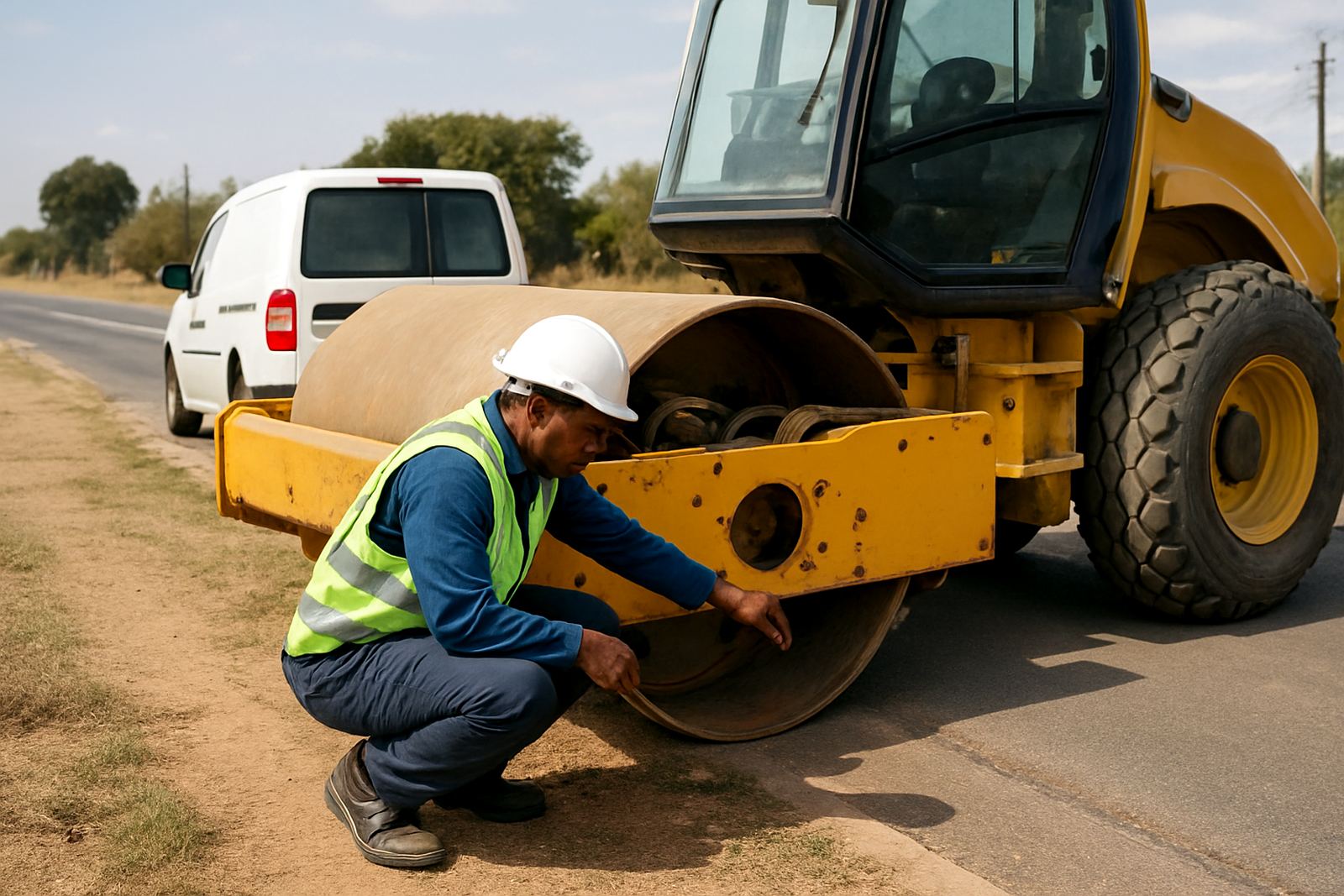
The aim is simple, get the machine checked quickly and decide whether it can be returned to service, repaired on site, or replaced with a suitable unit. That might mean an excavator with hydraulic issues, a generator that is not carrying load, a compactor with drive problems, or scaffolding access gear that needs inspection after damage.
- Field fault finding and visual inspection
- Basic on-site rectification where practical
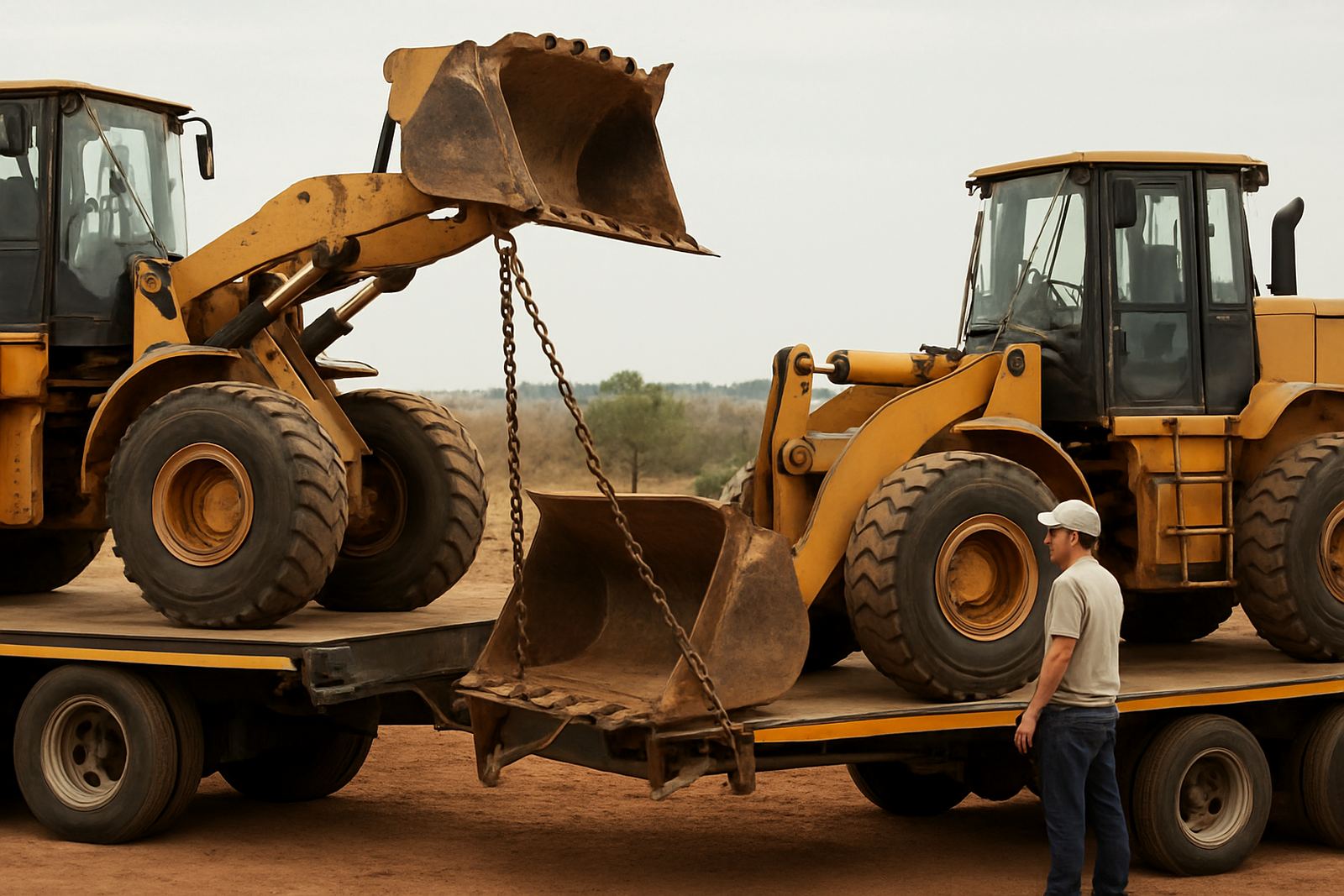
- Temporary swop-out of the affected unit if needed
- Recovery advice and workshop referral for deeper repairs
- Safety isolation before further use where the fault is serious
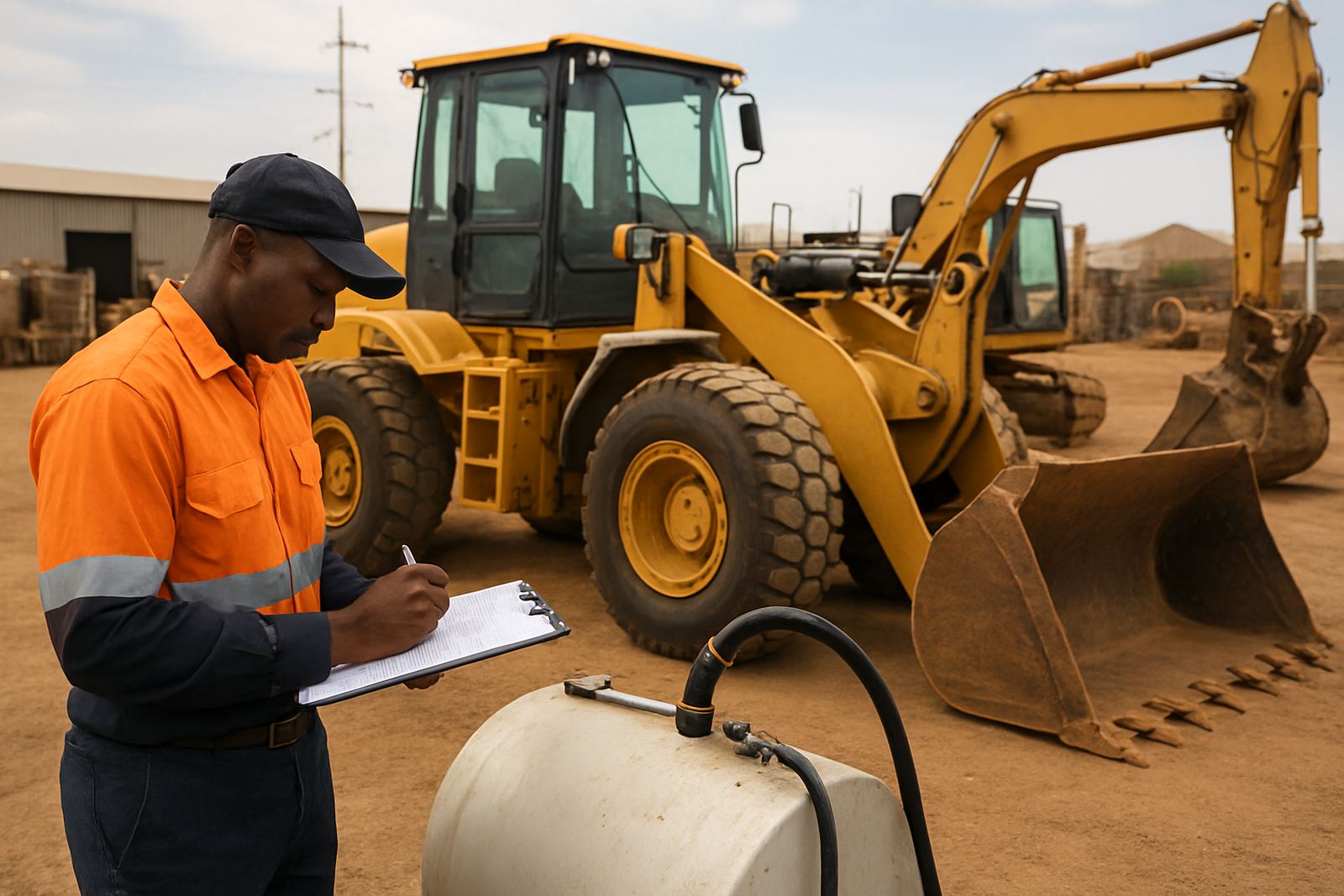
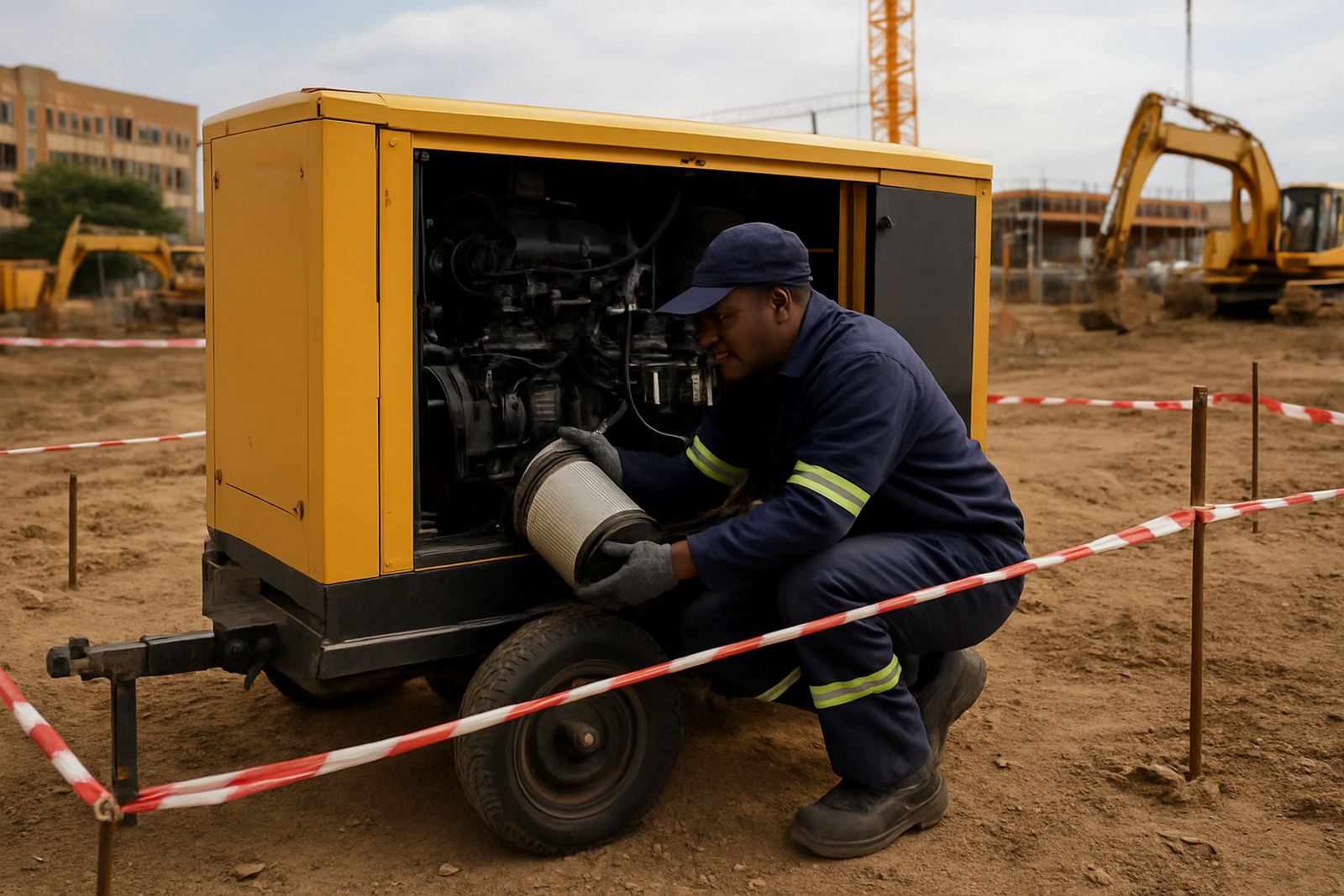
We also check the basics that often cause delays, including fuel quality, battery condition, hoses, filters, isolation switches and overload signs. Small faults can hide a bigger issue, so we do not guess. If the equipment is not safe to run, we say so and move to the next step.
How the response process works
Once a breakdown is reported through the enquiry form on our contact page, the hire coordinator logs the fault and routes it to operations and the fleet team. Where the issue affects programme critical equipment, we prioritise the call and dispatch the nearest available support team.
- Receive the fault report and site details
- Confirm the machine type, hours and symptoms
- Send a technician or field support crew
- Assess safety, function and likely cause
- Decide on repair, swop-out or workshop recovery
- Update the site contact on next steps and timing
In many cases, the first visit is enough to identify whether the fault is minor, such as a blocked filter or loose connection, or whether the machine needs recovery. If a replacement unit is available, we can arrange a suitable swop-out and keep the programme moving. Sometimes the issue is environmental, not mechanical, and that is worth checking first rather than burning time on the wrong repair.
We work with site teams, foremen and safety staff, so the machine can be isolated properly before anyone touches it. That helps keep people safe and avoids further damage while the problem is being investigated.
Turnaround, priorities and what affects timing
Breakdown timing depends on where the site is, what is wrong with the machine and whether the fault can be fixed on the spot. For Gauteng depots, same-day attendance is often possible on working days for urgent calls. For KwaZulu-Natal and the Western Cape, timing is planned around depot coverage, traffic and site access rules.
Typical response windows are shared once the fault is logged. We do not promise a repair before the fault is seen, because that is not honest. What we can promise is that the issue is treated quickly, with clear feedback on whether the equipment can return to work, needs parts, or should be replaced. On busy sites, especially where concrete pours or trenching are scheduled, that quick decision matters.
Access rules also affect turnaround. If a site needs induction, a permit to work, or a lift planned around municipal or estate restrictions, we factor that in before dispatch. Coastal areas may need extra checks for corrosion and water ingress, while dusty inland sites often need air intake, cooling and electrical checks first.
Pricing approach that keeps costs clear
Breakdown response is priced according to the call-out location, urgency, machine type and whether the fault is covered under the hire terms. We keep the pricing approach clear before the team is dispatched, so site managers can make a quick decision without guesswork.
Where the breakdown is linked to normal wear and tear within the hire agreement, the response process is handled differently from damage, misuse or unauthorised alterations. If a machine has been run with low fluids, blocked cooling, damaged cables or incorrect attachments, that changes the repair scope and the cost model. We explain that upfront.
- Call-out and travel component based on depot coverage
- Labour charged by the job or by time, depending on the fault
- Parts and consumables only where actually used
- Workshop recovery quoted separately if the unit cannot be fixed on site
- Swop-out options priced to suit the remaining hire period
Long-term hire clients can also ask for planned support terms that include clearer response arrangements. That is useful on projects where downtime is expensive and the same plant works across several phases. No one wants surprise costs when a machine has already held up the team, so we keep the billing line items direct and easy to read.
Maintenance intervals that reduce repeat failures
Breakdowns happen less often when machines are serviced on time. We look at hours, duty cycle and site conditions to suggest service intervals that match the way the equipment is actually being used. A generator running through load-shedding backup, for example, will need closer attention than a machine used lightly on a short-term job.
Interim checks can be built into the hire plan, especially for high-use equipment, wet weather work, or long-term projects. This helps catch early wear before it becomes a stoppage. Oil level checks, filter changes, hydraulic inspections, tyre condition, battery health and safety tagging all form part of the routine.
- Daily pre-start checks by site teams
- Weekly visual inspections on active hire units
- Service intervals based on hours and operating severity
- Extra checks after rain, dust storms or power interruptions
- Immediate inspection after any unusual noise, vibration or smoke
We also remind clients that poor fuel storage, rough ground and overloading can shorten maintenance intervals. In humid coastal areas, electrical contacts and exposed metal need more frequent attention. In Gauteng dust, cooling systems and air filters need a close eye, otherwise a small fault turns into a bigger one fast.
Why site teams call us first
Our breakdown response service is built around practical field support, not just office coordination. The fleet manager, workshop supervisor and safety lead work together so the response is informed by equipment condition, repair options and compliance on site. That saves time when a machine is down and the foreman needs a straight answer.
We support construction contractors who need one machine fixed, or several units managed across different projects. Because we operate from Germiston with depots in Midrand, Pretoria East, Boksburg, Durban, Pinetown, Cape Town and Bellville, we can route support to where the need is strongest. It is a local advantage, especially when the job is moving quickly and the site cannot wait until next week.
From field assessment to recovery, our job is to keep the handover clear and the downtime as short as practical. If the machine can go back to work, we help make that happen. If it cannot, we move to the next best option without wasting your crew's time.
Key facts
| Response coverage | Germiston, Midrand, Pretoria East, Boksburg, Durban, Pinetown, Cape Town and Bellville |
|---|---|
| Typical equipment types | Excavators, bulldozers, generators, compactors, scaffolding access gear and support plant |
| Attendance method | Nearest depot dispatch with field inspection and recovery planning |
| Common fault checks | Fuel, batteries, hydraulics, filters, electrical connections, cooling and safety systems |
| Support options | On-site repair, workshop recovery, swop-out, safety isolation and fault reporting |
| Service timing | Same-day dispatch where practical, subject to site access and depot coverage |