Extended hire for projects that cannot afford gaps
When a contract runs past the first programme, the real cost is often downtime, not the hire rate. Long-term hire is set up for civils, earthworks, bulk services, road works, commercial builds and industrial maintenance where equipment needs to stay on site and keep performing day after day. You get a structured rental arrangement, consistent machine allocation and support that is planned around your site progress rather than a one-off short hire. That helps with budgeting, procurement and compliance on busy jobs where every day counts.
We work with main contractors, subcontractors and smaller builders who need a dependable fleet without tying up capital in ownership. If your site is in Germiston, Midrand, Pretoria East, Boksburg, Durban, Pinetown, Cape Town or Bellville, we can plan the supply schedule around your start date and the way your work actually unfolds. For coastal jobs, we also account for salt air and higher wear on exposed components, which matters on long runs. The aim is simple: keep the equipment on site, serviced and ready, with fewer interruptions and no unnecessary faffing about.
- Suitable for projects running several weeks to many months
- Option to keep one machine on site or rotate a small fleet
- Good fit for sites needing ongoing support and off-hire control
- Useful where capital spend needs to stay low and predictable
What is included in a long-term hire arrangement
Every long-term hire is arranged with the practical parts included up front, so the site team knows what to expect. Depending on the machine type and project scope, the package can include delivery, collection, routine servicing, replacement wear parts, breakdown response, operator supply and safety documentation. We can also assist with fuel management, which is handy on remote sites or where access is controlled and idle time must be kept tight.
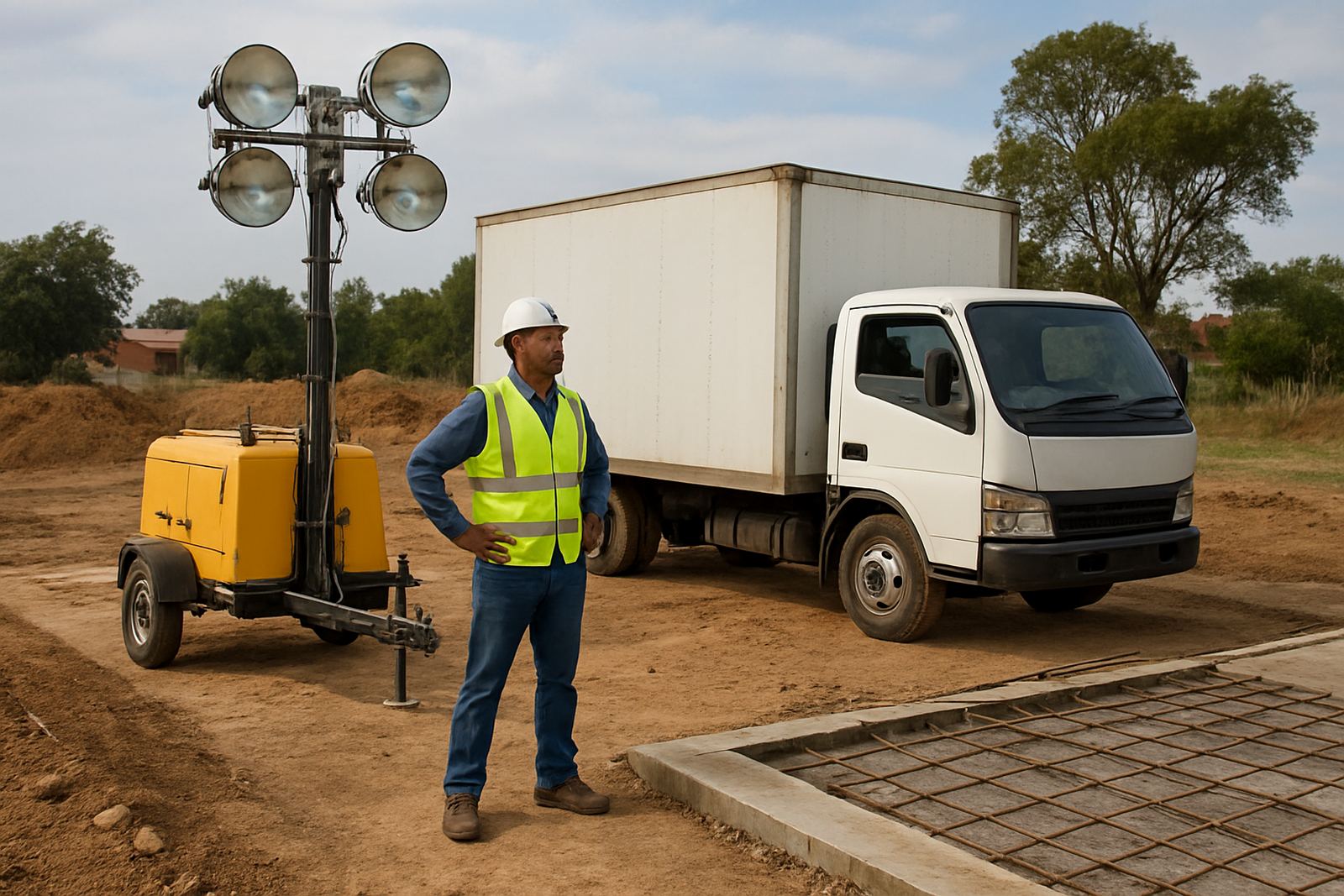
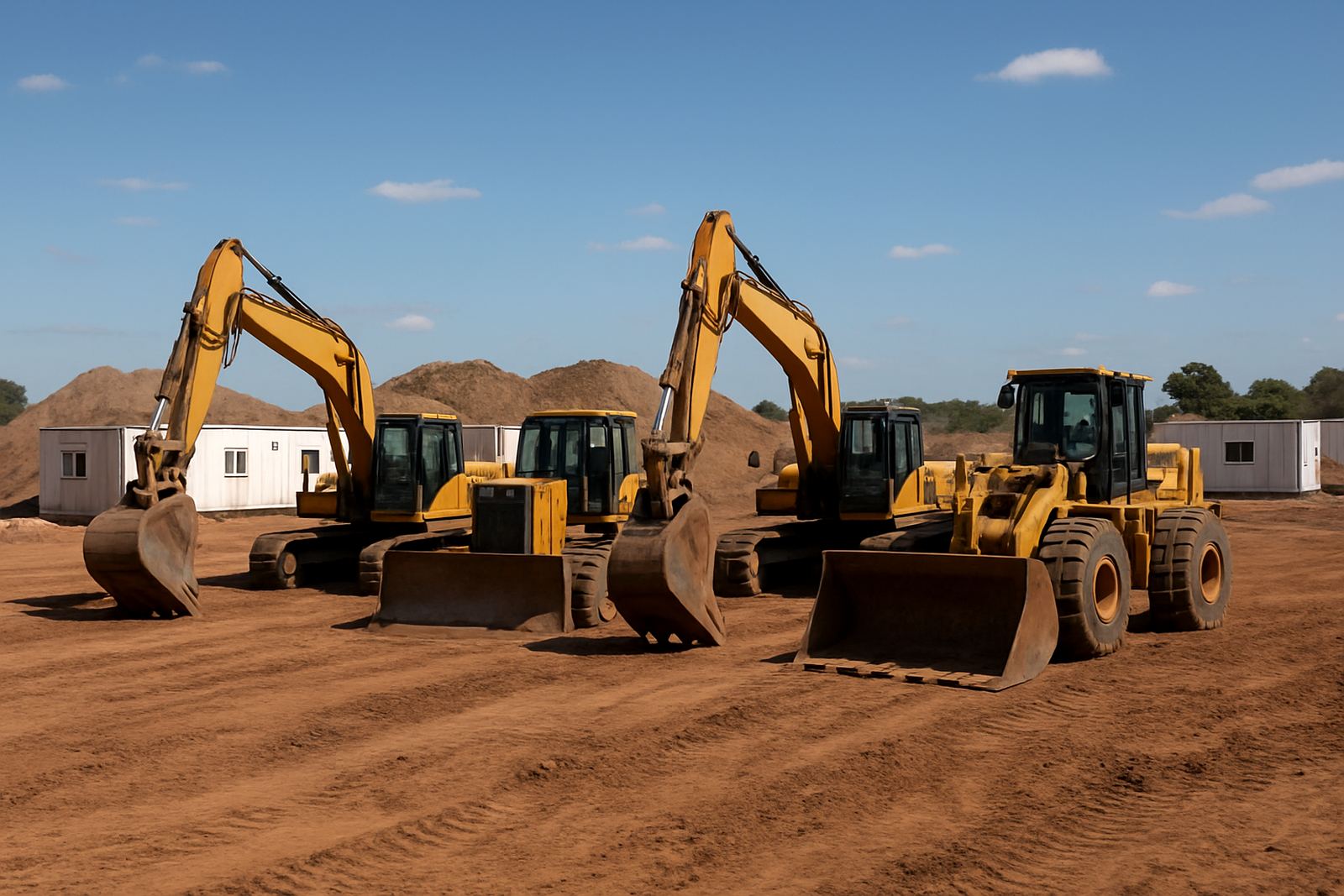
For excavators, loaders, rollers, telehandlers, generators, scaffolding and other plant, the agreement will normally set out the hire period, servicing intervals, usage expectations and reporting steps if anything changes on site. If the work scope shifts, we can review the plant mix and swap equipment to suit. That makes it easier to keep the job moving without waiting for a full new procurement cycle.
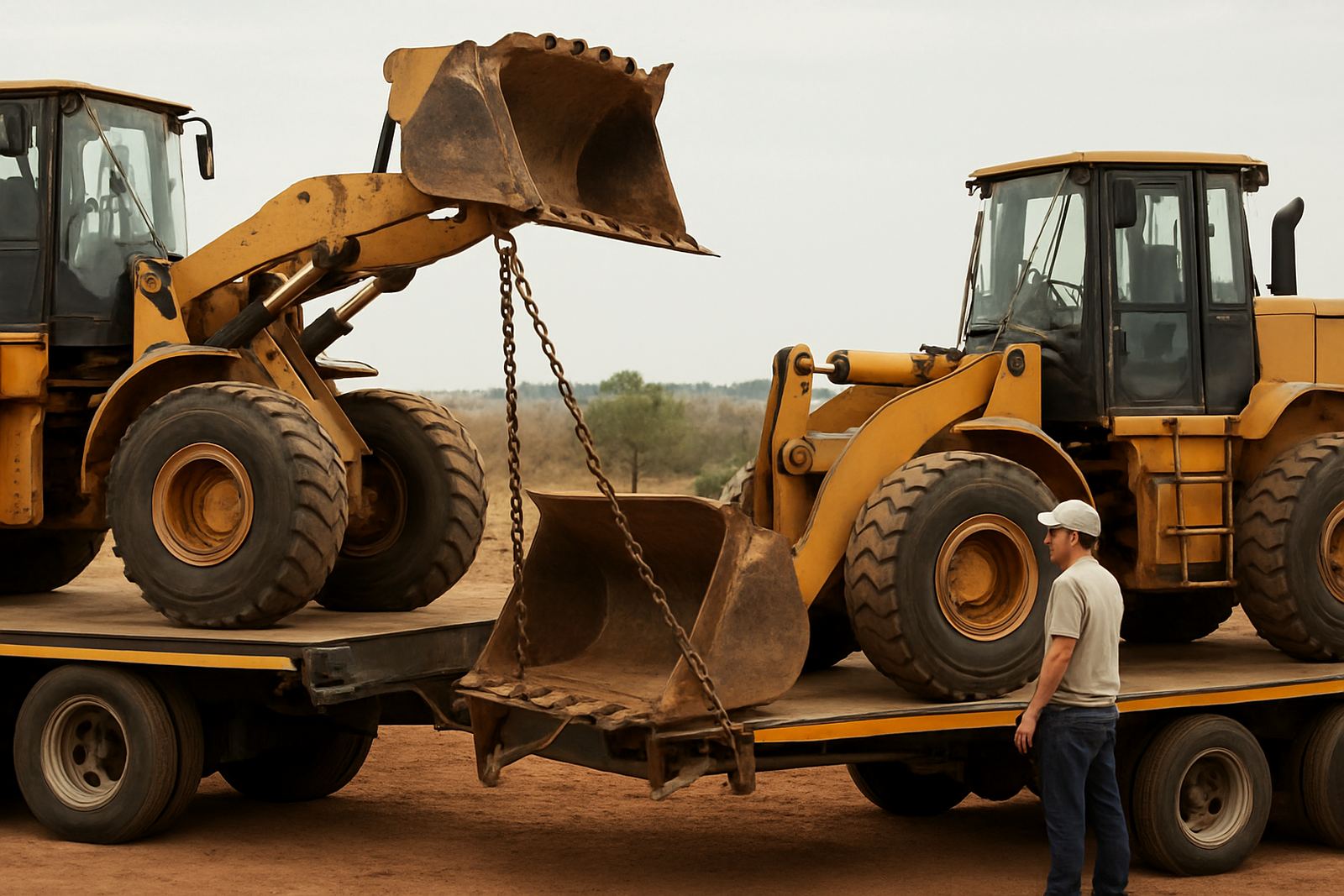
- Site delivery and off-hire collection across major service areas
- Planned maintenance visits and workshop backup when needed
- Breakdown response and plant swop-outs for critical jobs
- Optional operator supply and weekend support on agreed terms
How the hire process works from enquiry to mobilisation
The process starts with your enquiry form submission and a short discussion about the site, programme and machine requirements. We look at the ground conditions, access points, working hours, expected utilisation and any municipal or site-specific compliance requirements. From there we recommend the most suitable equipment, confirm the hire term and set the delivery window. For urgent starts, same-day dispatch may be possible if the machine is available and the route works for the depot team.
Before mobilisation, our team confirms the paperwork, service history and safety items required for the job. On arrival, the machine is checked off with the site representative and any operator briefing is noted. If the job runs longer than expected, the hire can be extended subject to availability. Where a machine needs to come out for service, we aim to keep a replacement ready so your programme is not left hanging. It’s a straightforward process but it keeps the admin clean and the site protected.
- Step 1: Send an enquiry with site location and hire duration
- Step 2: We match the plant to your scope and access conditions
- Step 3: Delivery, sign-off and site induction where required
- Step 4: Scheduled servicing, reporting and extension planning
Pricing that suits long programmes and controlled budgets
Long-term hire pricing is usually structured around the machine type, the expected hire period, transport requirements and any extras such as operators, fuel handling or specialised attachments. For longer contracts, the rate is set to reflect steady utilisation and planned servicing rather than short-term urgency. That gives contractors a clearer view of their monthly spend and helps with tender adjustments, cashflow planning and cost reporting.
If your project needs a mixed fleet, we can quote on the full package instead of pricing each item in isolation. This is often better for sites that need continuity across earthworks, lifting, material movement and power supply. We can also separate line items for delivery, servicing and collections so you can see exactly what is included. For many clients, this makes procurement much easier because the numbers stay consistent and the scope stays clear.
- Rates depend on machine class, term length and transport distance
- Longer terms can be structured monthly or by agreed project milestones
- Package pricing available for multi-machine site requirements
- Transparent line items for add-ons, servicing and collections
Servicing intervals and fleet continuity on active sites
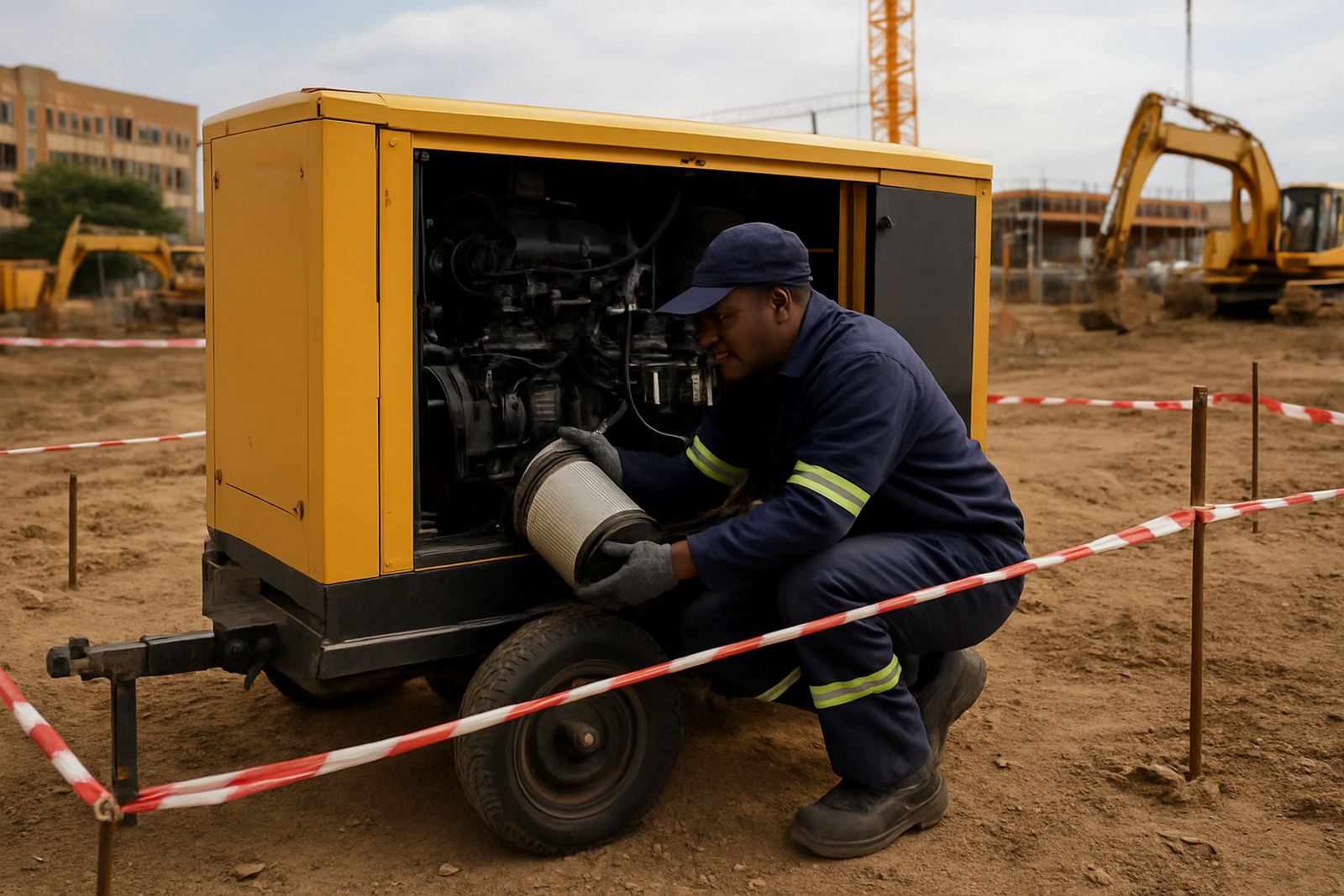
Regular servicing is what keeps long-term hire predictable. Service intervals are scheduled according to the machine type, hours worked and site conditions. Dusty earthworks, wet winter trenches, coastal humidity and continuous generator use all affect wear, so maintenance is planned with those factors in mind. Our workshop and field teams keep an eye on filters, fluids, tyres, tracks, hoses and safety items, then act before small faults turn into delays.
For high-use equipment, we can build in planned downtime for inspections at set intervals, usually aligned to project pauses or shift changes. That helps reduce unscheduled stoppages and keeps the fleet compliant. If a machine shows signs of trouble, it can be pulled for on-site servicing or replaced with a swop-out unit depending on the urgency. On bigger contracts, this approach gives the site manager a clearer line of sight on availability and maintenance records.
- Intervals based on hours, usage intensity and working environment
- Checks cover fluids, filters, tracks, tyres, hydraulic systems and safety gear
- On-site servicing available where the job allows it
- Replacement units can be arranged to protect programme continuity
Who benefits most from long-term hire
This service suits contractors who need more than a short rental and want a supplier that can stay aligned with the programme. It is especially useful for infrastructure upgrades, housing developments, warehouse builds, plant shutdowns, municipal work and industrial maintenance. Smaller builders also use long-term hire when they need a dependable machine on site for a fixed stretch without buying equipment that may sit idle later. The value lies in continuity, not just access to a machine.
Our depots in Germiston, Midrand, Pretoria East, Boksburg, Durban, Pinetown, Cape Town and Bellville allow us to support work across the main economic corridors with practical turnaround times. If your site needs operator supply, weekend support or planned plant swop-outs, those services can be built into the hire from the start. That way the machine count, maintenance plan and collection date all line up with the contract instead of being handled at the last minute.
- Best for civil engineering, building, warehousing and industrial sites
- Works well where uptime matters more than one-off hire speed
- Can support both large contractors and smaller teams
- Useful when site conditions change and equipment needs to adapt
Key facts
| Hire term | Weekly, monthly or project-based long-term agreements |
|---|---|
| Turnaround | Same-day dispatch subject to availability and depot location |
| Maintenance | Scheduled servicing by hours worked and site conditions |
| Support coverage | Site deliveries, breakdown response and off-hire collections |
| Fleet types | Excavators, bulldozers, generators, scaffolding and related plant |
| Service areas | Gauteng, KwaZulu-Natal and the Western Cape |