When bridge works need plant on site fast
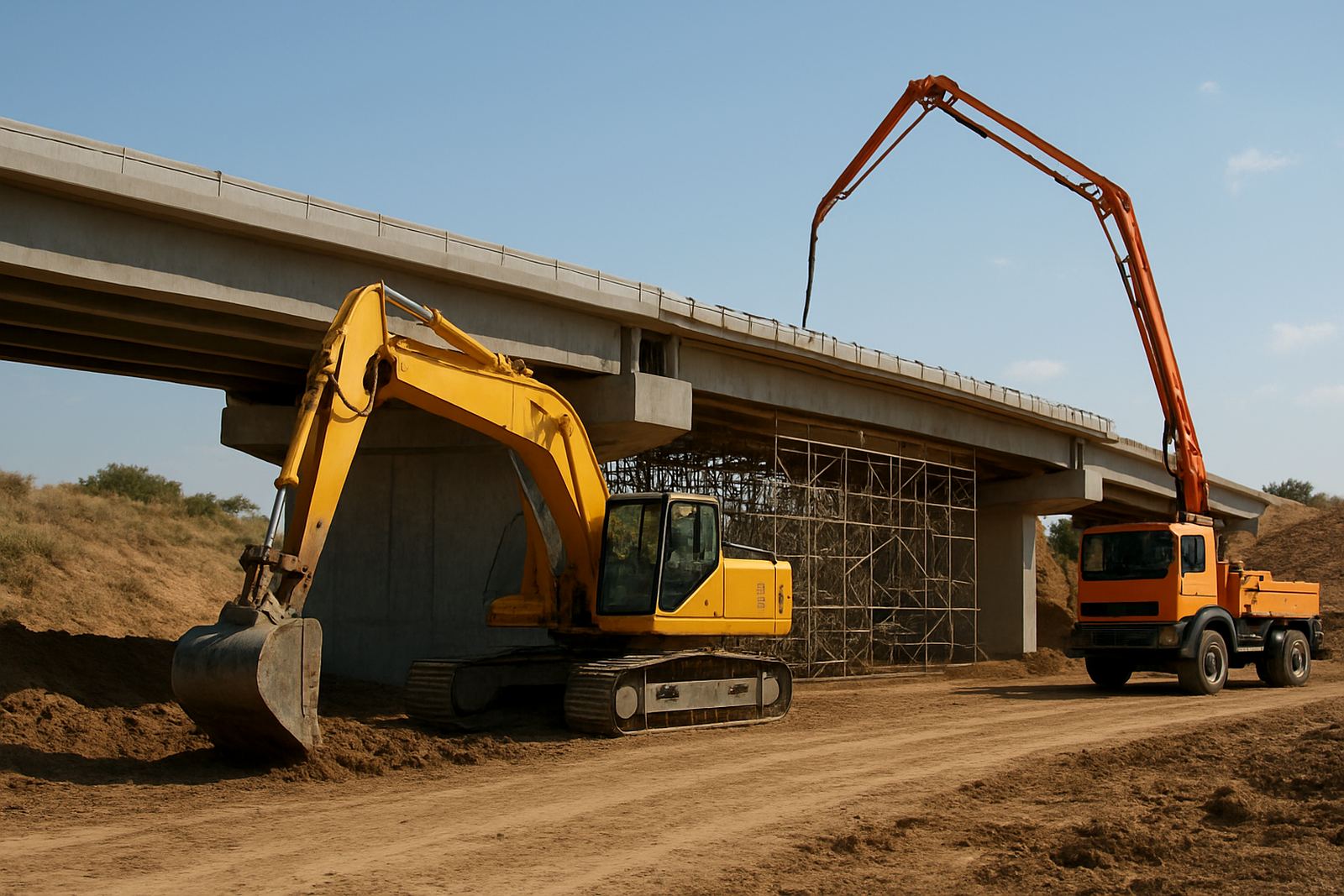
Bridge jobs usually start with restricted access, live services, awkward ground levels and a programme that cannot slip. Whether it is a new crossing, a widening job, a culvert replacement or repairs to a damaged structure, the plant plan must match the sequence of work, not just the equipment list. Our Germiston base and branch depots in Midrand, Pretoria East, Boksburg, Durban, Pinetown, Cape Town and Bellville help us place units where they are needed with less delay.
For main contractors, civils teams and smaller builders, the usual pressure points are tight laydown space, limited working hours near roads, and the need to keep teams safe around open excavations and overhead work. In those conditions, late deliveries and unreliable machines cost more than the hire rate. That is why clients ask for units that are ready for immediate use, with clear handover and sensible off-hire timing.
Typical equipment set for bridge works
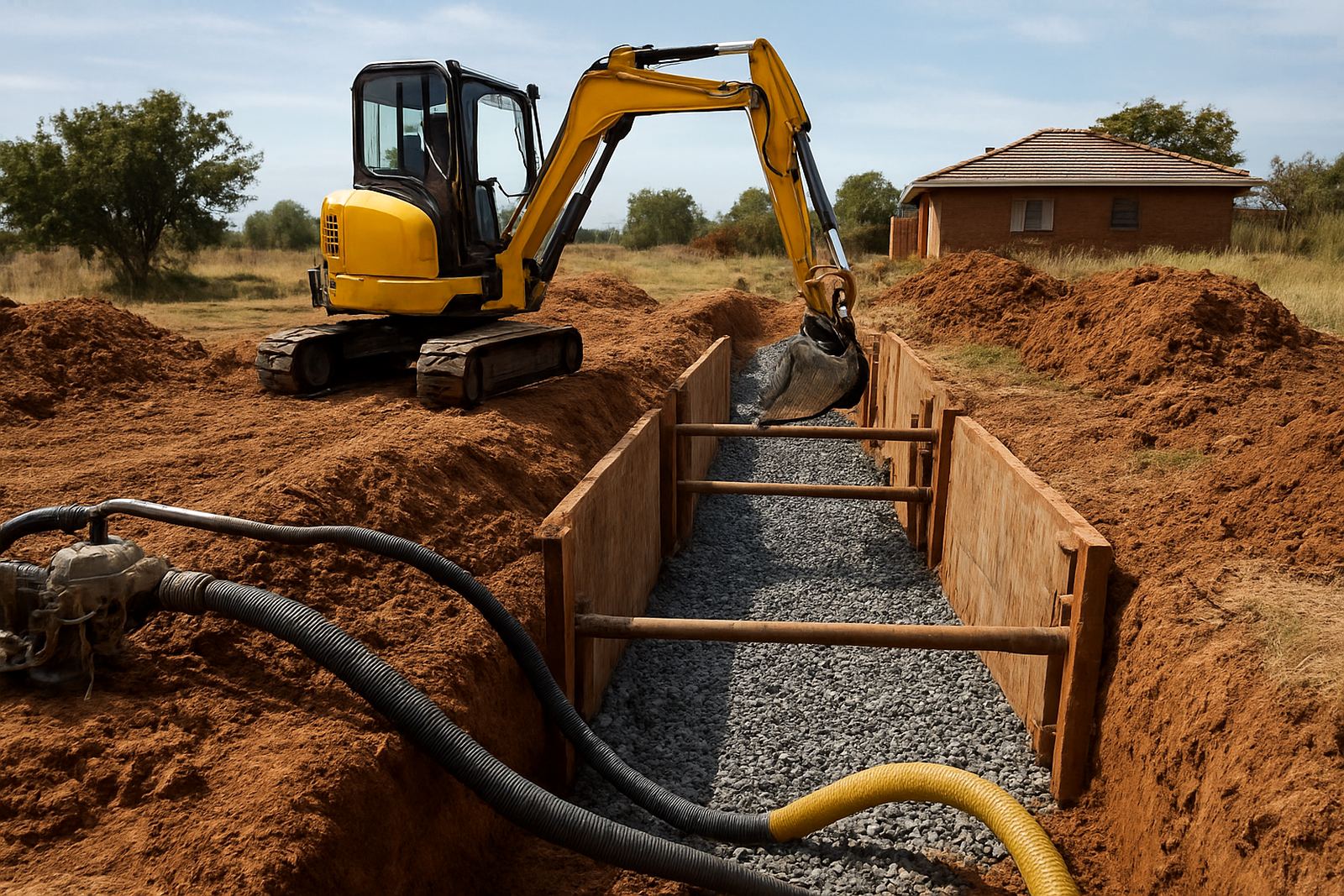
A bridge package often combines digging, lifting, access and support gear. The exact mix depends on span length, river or road clearance, soil condition and whether you are working from one side or both. For excavation and earthworks, tracked excavators and wheel loaders are common. Where material has to be moved across uneven approaches, smaller machines with good reach and turning space help keep the site moving.
- Excavators for trenching, footing prep and bulk removal
- Bulldozers and loaders for shaping approaches and stockpiles
- Generators for lighting, tools and backup power during load-shedding
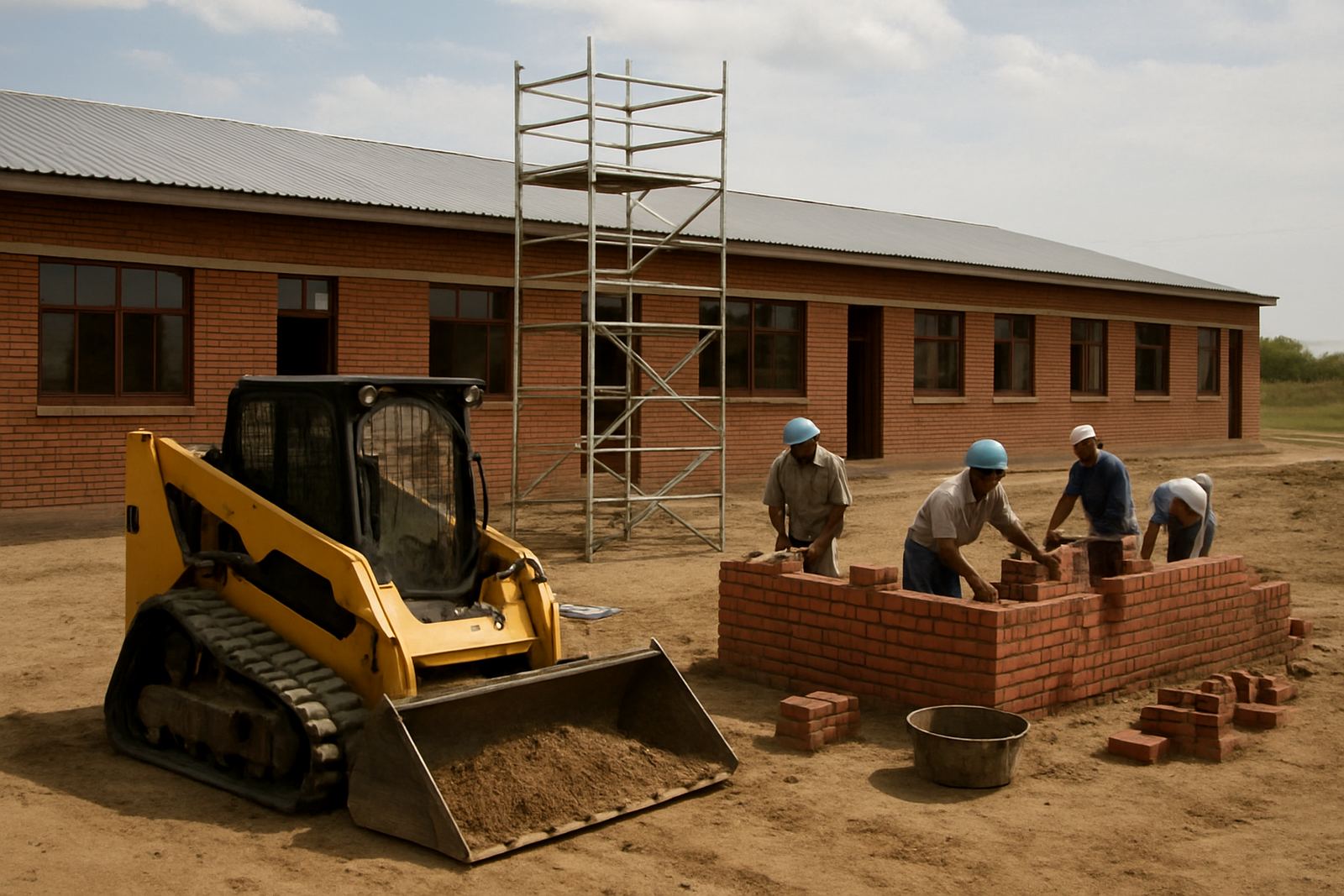
- Scaffolding and access towers for formwork and inspection work
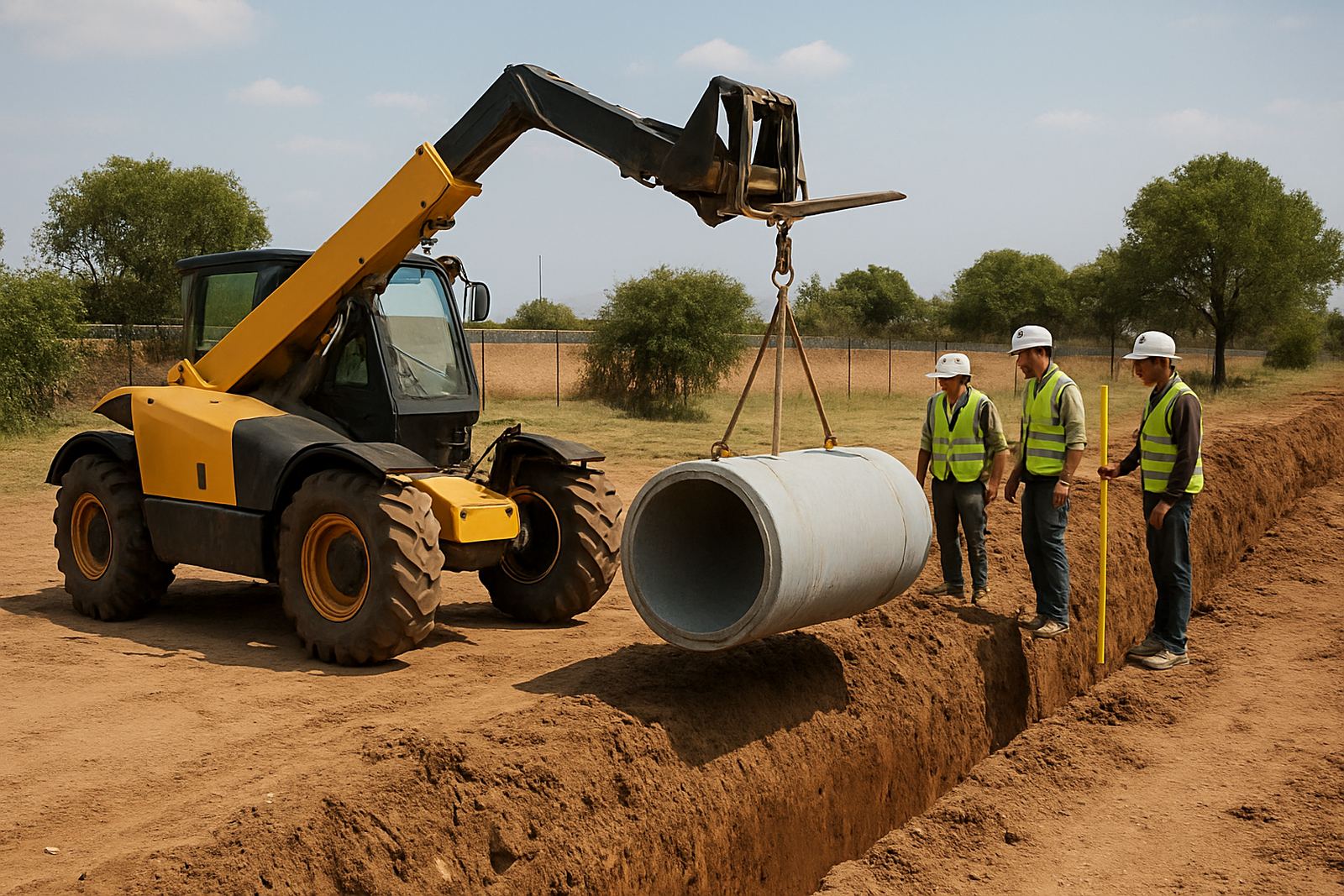
- Telehandlers and lifting gear for shutters, timber and rebar bundles
- Compaction equipment for backfill and approach consolidation
- Water management pumps where seepage, rain or river levels affect work
On many bridge sites, a compact machine can do more than a bigger one if access is restricted. In Germiston or Pretoria East, for example, road reserves may be narrow and neighbours close by, so machine width, turning radius and transport method matter just as much as power.
Planning the layout so crews can work safely
Bridge work runs better when the site is planned in zones. Keep excavation, lifting, storage and pedestrian movement separate. Mark reversing points, turning circles and exclusion areas before the first delivery arrives. If formwork and reinforcement are coming in by truck, set down space near the work face so items do not have to be double handled. That saves time and reduces damage.
For elevated work, check that scaffolding is suited to the surface below and that access routes are level enough for assembly. On coastal jobs in Durban or Cape Town, metal fittings and stored plant should be kept dry and protected from salt air where possible. In Gauteng, dust and hard ground can be the bigger issue, so routine cleaning and greasing should be part of the plan.
Our safety and compliance lead, Nokuthula Khumalo, often pushes for clear paperwork before dispatch. That usually includes site induction details, delivery windows, traffic access notes and any lifting requirements. It sounds simple, but a missing gate code or unclear unloading area can hold a crew back for half a day.
Common mistakes that slow bridge jobs down
One common error is hiring only for the headline task and forgetting the support work around it. A bridge excavation may need pumps, lighting, standby power and access gear long before concrete arrives. Another mistake is underestimating how much space formwork needs once it is on site. If the storage area is too small, materials get stacked badly and then moved twice.
It is also easy to underestimate breakdown risk on long shifts. When a machine stops mid-pour or during a restricted road closure, the cost is not only the repair but the delay to everyone else on site. Our fleet planning team, led by Thabo Nkosi, looks at machine age, service intervals and the job sequence so we can reduce that risk. Willem Erasmus and the workshop crew keep a close eye on service condition before each dispatch.
- Do not book plant without checking access widths and bridge approach gradients
- Do not leave delivery times vague when road closures or municipal permits apply
- Do not rely on one unit to do all lifting, digging and loading on a busy site
- Do not skip backup power when concrete or lighting work may run into the evening
What bridge works hire can cost in Rand
Budget depends on machine size, duration, transport distance and whether an operator is included. Short-term bridge hires can be managed on a daily or weekly basis, while longer civil packages are often quoted monthly. For planning purposes, smaller support gear may start from a few hundred Rand a day, while mid-size excavators, loaders and lifting units can run from several thousand Rand per day depending on the hours required and the site location.
A practical bridge package for a medium project in Gauteng might sit in the low tens of thousands of Rand for a week once transport, support plant and access gear are added. Larger jobs with several machines, night work or weekend support will move higher. The best way to control cost is to match the hire period to the programme and avoid idle days between excavation, shuttering, pours and backfill. Same-day dispatch can help when a machine fails or the sequence changes, but early planning still saves the most money.
Why contractors keep using our bridge hire service
Bridge work needs quick answers, not long waits. Clients use our service because the fleet is broad, the handover is practical and the support is local. Sibusiso Mthembu leads the business from Germiston, with Annelie van Wyk handling operations, Zanele Dlamini coordinating hires and the rest of the team keeping stock, servicing and safety aligned with site needs.
We support long-term hire, weekend work, plant swop-outs, on-site servicing and off-hire collections, which helps keep a project moving when the programme changes. For bridge jobs in Johannesburg, KZN coastal areas or the Western Cape, that kind of response can make a real difference when the ground is wet, the weather turns or a lift has to happen before traffic opens again.