
When drainage work starts, timing matters
Drainage projects rarely wait for perfect weather. Whether you are opening a stormwater trench in Germiston, clearing a culvert near Durban or forming channels on a new estate in Cape Town, the job usually begins with tight access, wet ground and a schedule that leaves little room for delays. Our hire team supports contractors who need plant that arrives ready to work, with the right attachments and the right support for the site conditions.
The usual pressure points are simple: ground water in the trench, soft shoulders that cannot carry heavy machines, and traffic or municipal work windows that limit how long you can stay on the road reserve. That is why drainage work is planned around the sequence of excavation, water control, bedding, pipe placement, backfill and compaction. Get that order right and you save time, diesel and repeat visits.
Typical equipment set for stormwater, culverts and channels
A drainage project can need more than just an excavator. The exact mix depends on trench depth, soil type, access and whether the line is new build, repair or upgrade. For most stormwater and culvert work, the hire list usually includes excavation plant, dewatering support and a compacting spread for the backfill layers. In windy coastal areas and in winter rain conditions, extra pumping and drying time should be allowed for.
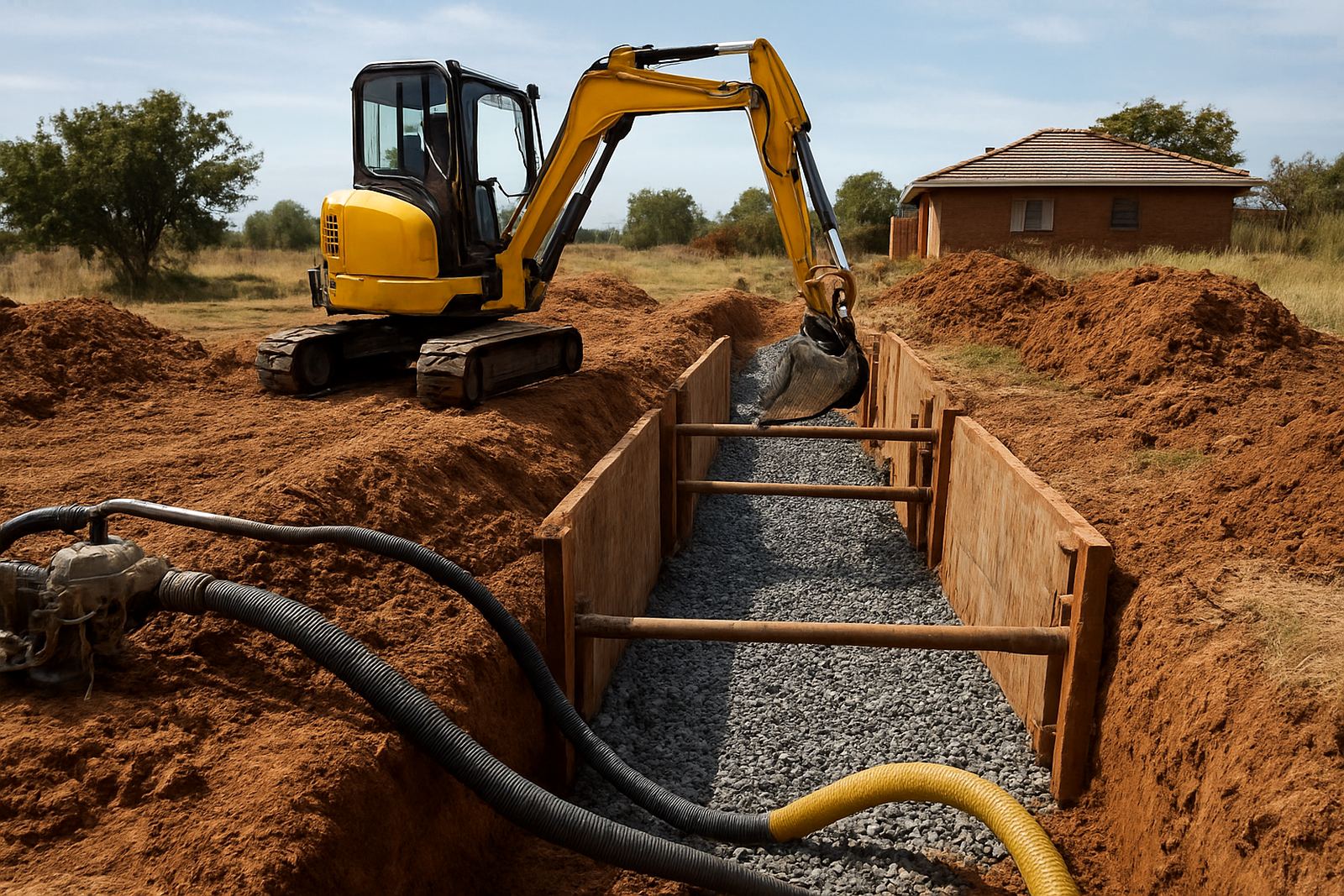
- Mini excavators for narrow trench lines, kerb and channel work and sites with tight access.
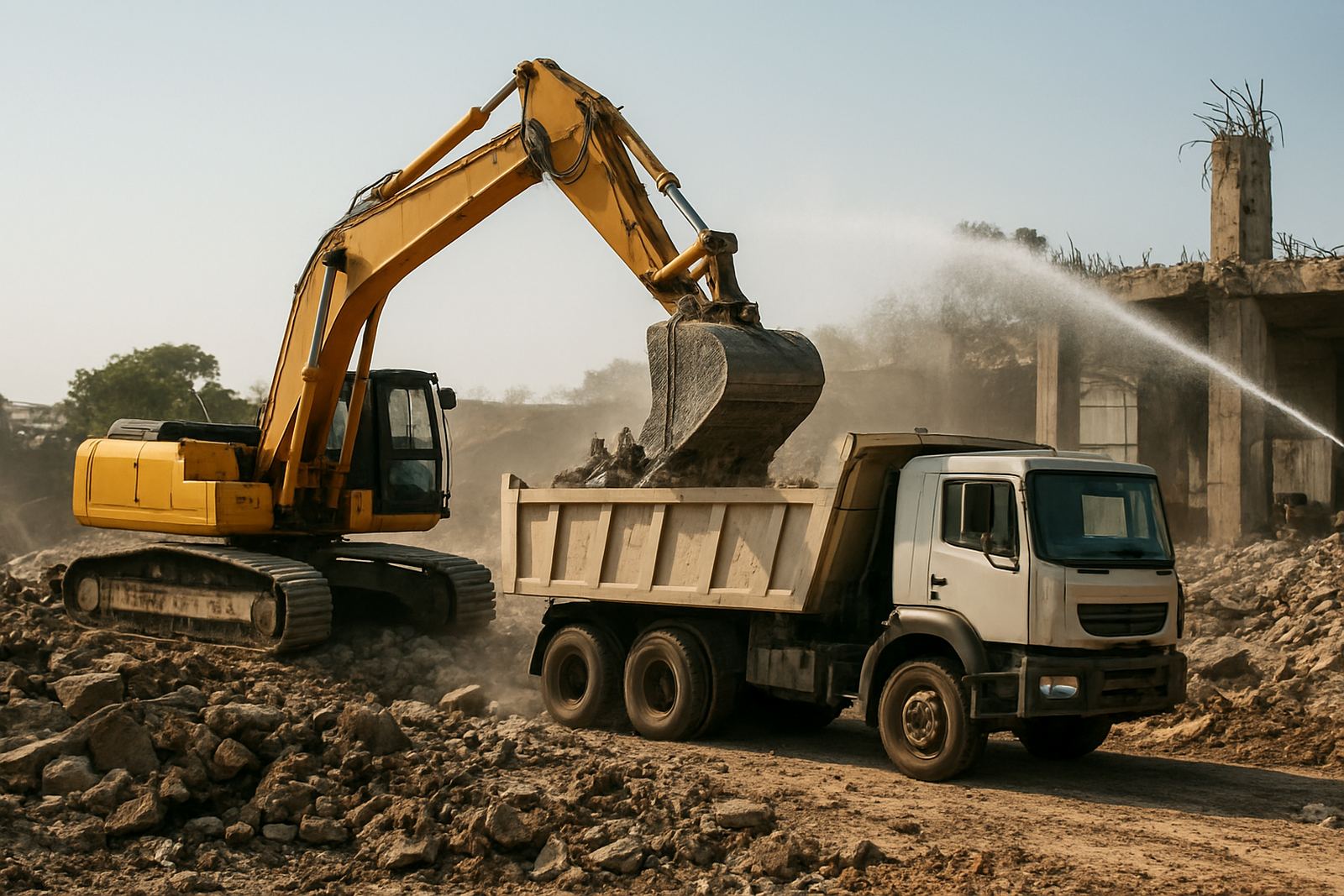
- Tracked excavators for deeper stormwater trenches, culvert inlets and heavier spoil handling.
- Backhoe loaders for smaller municipal repairs and mixed utility work.
- Dumpers or site tippers for moving spoil away from the trench face.
- Submersible pumps and generator sets for dewatering, especially where mains power is not reliable during load-shedding.
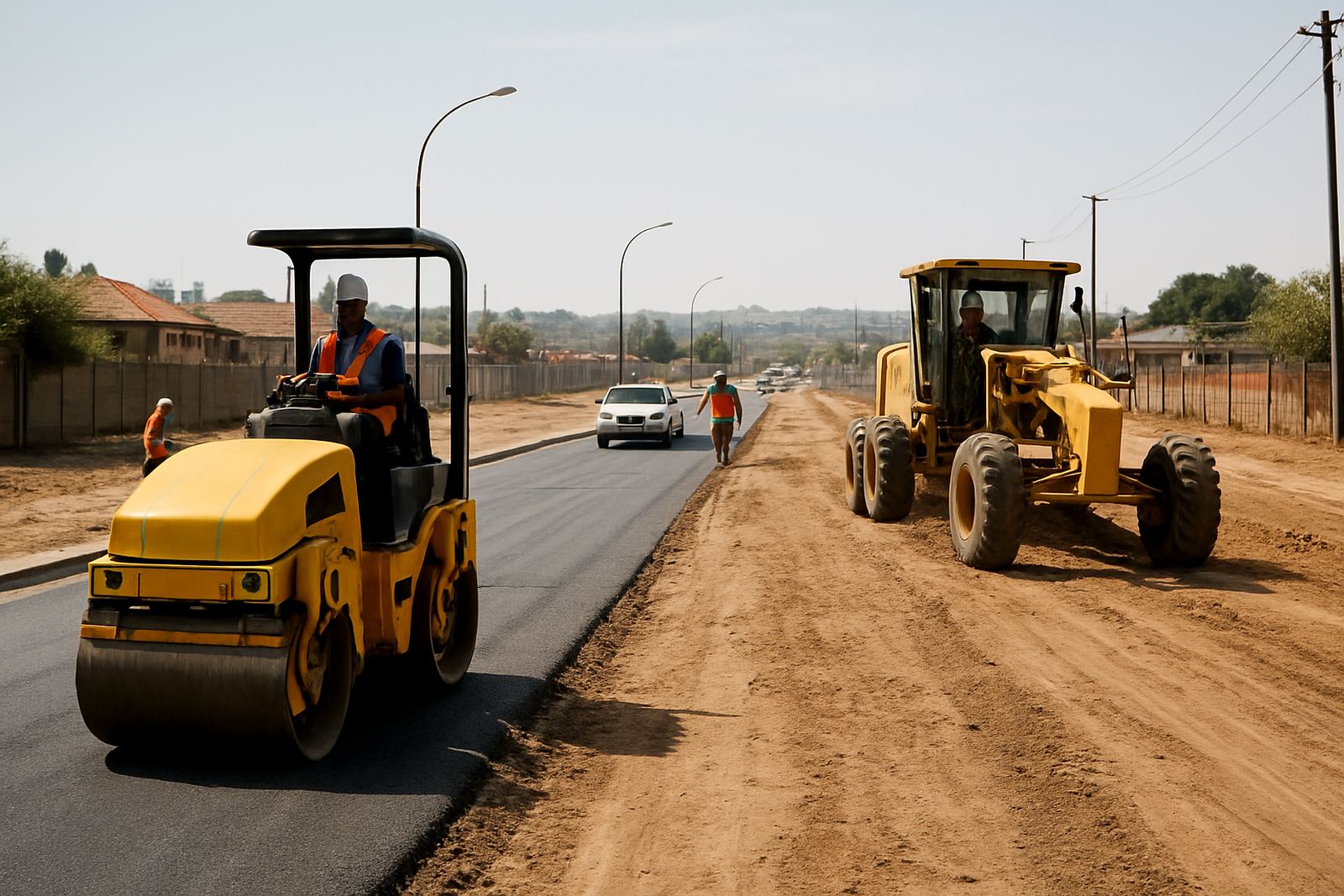
- Plate compactors, trench rammers and rollers for bedding and backfill compaction.
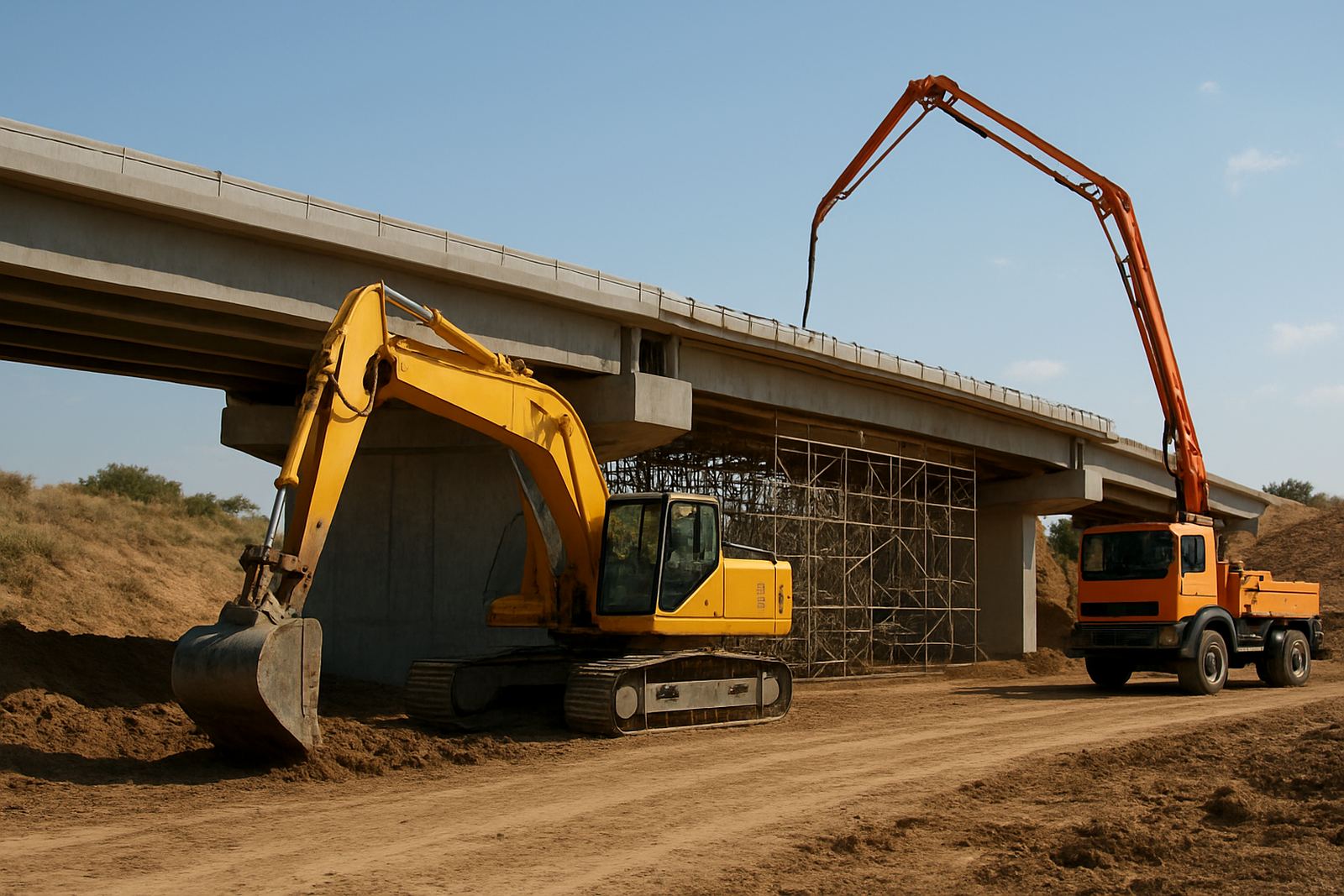
- Scaffolding and access support where inlet structures, headwalls or inspection points need safe working platforms.
For longer runs, it often makes sense to include an operator and a backup unit on standby. A pump failure at 3 pm can stop a whole trench line and the cost of a half-day lost is usually more than the cost of planned support.
How to plan the site layout before the first cut
Good drainage work starts with a clean layout. Set out the line, confirm invert levels and make sure the stockpile area, machine movement and delivery access are all mapped before excavation begins. On busy sites in Johannesburg or Pretoria East, traffic flow and delivery timing matter just as much as trench depth. You want spoil moved clear without blocking the next excavation section or the concrete crew.
Allow enough room for plant turning, pump discharge hoses and compaction access. If the trench is close to a boundary wall or live services, choose smaller machines and stage the work in shorter sections. In sandy coastal soil, keep an eye on sidewall stability. In clay-heavy areas around Gauteng, plan for slower excavation and more frequent trimming of the trench base so the bedding stays level.
- Confirm where water will be discharged before pumps are switched on.
- Keep spoil at a safe distance from the edge, especially in wet soil.
- Leave space for delivery trucks so they do not reverse over finished sections.
- Plan compaction in layers, not only at the end of the job.
- Check municipal working hours and permit requirements for road reserve or verge work.
Common mistakes that slow drainage jobs down
We often see drainage work run late because the team underestimates water control. If the trench keeps filling, the excavator keeps waiting. If the pump set is too small, the bedding gets muddy and the pipe level shifts. If compaction is left to the last layer only, the backfill can settle later and create dips or cracking on the surface above. These issues are fixable, but they cost time and money.
Another common problem is hiring equipment that is too large for the site. A big machine may move spoil faster, but on a narrow servitude or tight suburban access it can also damage the verge, crush the working edge and force more reinstatement. On the other side, using equipment that is too small can drag the programme out and increase labour cost. The best hire plan is the one that suits the trench width, spoil volume and access route, not just the biggest available unit.
Safety paperwork also gets overlooked. Drainage sites often involve open trenches, traffic nearby and wet ground, so barriers, signage and method statements should be in place before work begins. Nokuthula Khumalo and the safety team support clients with the documentation needed to keep the site compliant and organised.
Budget ranges for drainage hire in Rand
Drainage budgets vary by trench depth, duration, site access and whether you need an operator or only the machine. For a small stormwater repair, a compact excavator and a plate compactor may sit in the range of R2,500 to R5,500 per day before extras. A larger excavation setup with dewatering gear, dumper support and compaction tools can move into the R7,000 to R15,000 per day range depending on the specification and hire period.
For longer projects, weekly and monthly rates usually bring the daily cost down. Long-term hire is often the better route on municipal upgrades, estate drainage and culvert replacements where the work stretches over several phases. Add fuel, delivery, operator supply, and breakdown support into the budget early so there are no surprises later. If your site is running across multiple towns, staging equipment from the nearest depot can also reduce transport costs.
- Small repair or patch drainage: R2,500 to R5,500 per day.
- Medium trench and culvert work: R5,500 to R10,000 per day.
- Large site setup with pumps and support plant: R10,000 to R15,000 plus per day.
- Weekly and monthly hire gives better value on longer programmes.
Why drainage contractors book from MachinesAfrica Rentals
Our Germiston base supports drainage work across Gauteng, KwaZulu-Natal and the Western Cape, with depots in key areas for faster dispatch. That helps when a contractor needs same-day plant, a swop-out on a failing unit, or an extra pump after unexpected rain. We also support weekend work, off-hire collections and on-site servicing where the programme cannot stop for a workshop run.
The team includes Sibusiso Mthembu, Annelie van Wyk, Thabo Nkosi, Zanele Dlamini, Willem Erasmus and Nokuthula Khumalo. Together they cover fleet planning, dispatch, workshop support and compliance for drainage projects that need more than just a machine drop-off. If your stormwater line, channel or culvert needs the right kit at the right time, use the enquiry form on our contact page and tell us the site size, access conditions and target start date.