When the site needs clearing without causing extra damage
Demolition sites are rarely neat. One day it is a soft strip-out in Sandton, the next it is a concrete break on a tight plot in Germiston or a warehouse chop-out in Pinetown. The equipment has to handle hard material, work close to live services, and fit into a plan where neighbours, dust, noise and municipal rules all matter.
For controlled demolition, the aim is not just speed. It is access, separation of materials, safe breaking and a clean sequence so crews are not standing around waiting for rubble to be moved or a breaker to be swapped out. On busy jobs, a missed machine can stop the whole chain of work.
Typical machine set for controlled strip-outs and breaking
The right set changes with the structure, but most demolition jobs need a mix of breaking, loading, lifting and haulage support. We match the hire to the size of the structure, access width and the amount of rubble expected per day.
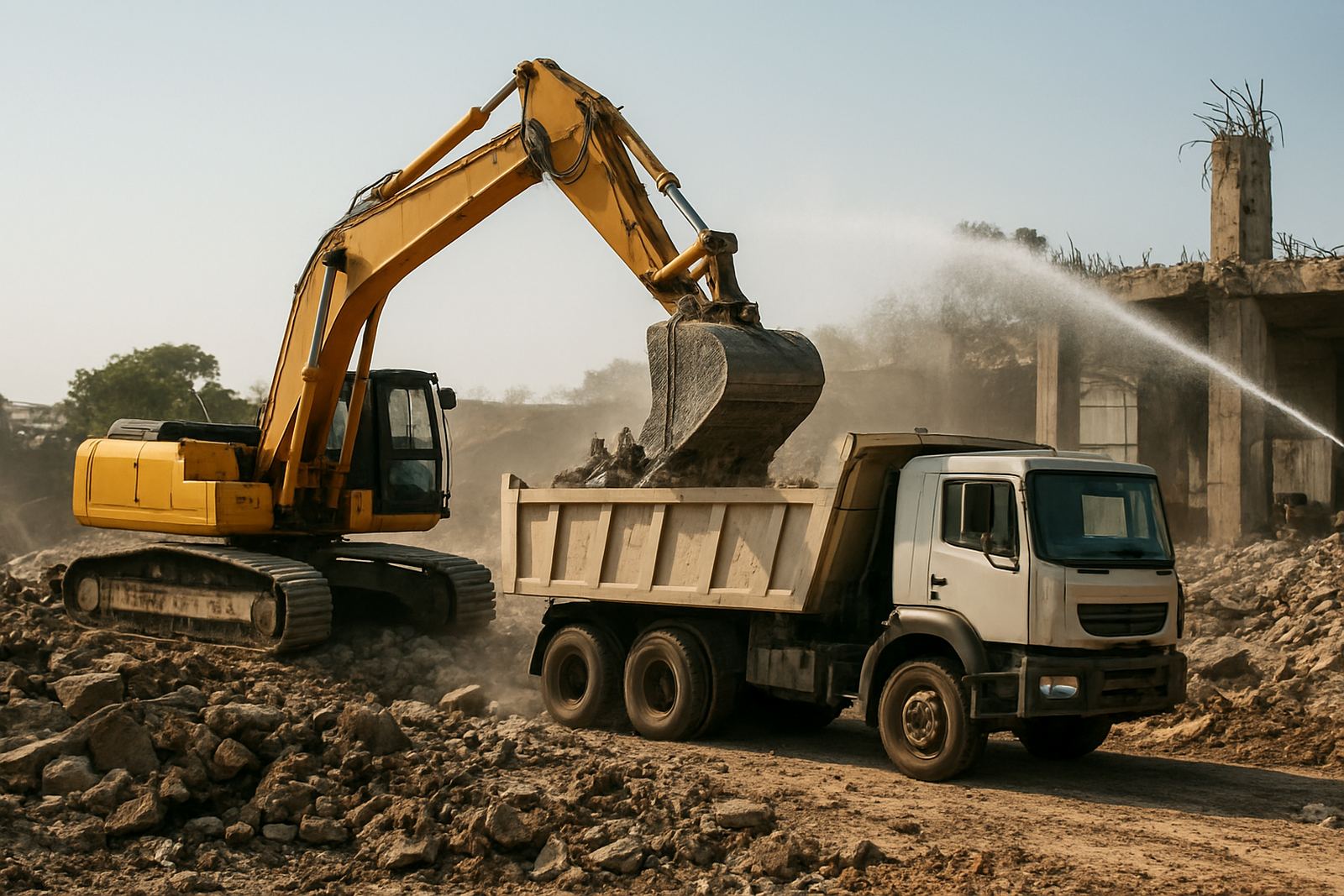
- Tracked excavators with buckets for breaking, loading and general clean-up
- Hydraulic breakers for slabs, footings and reinforced concrete
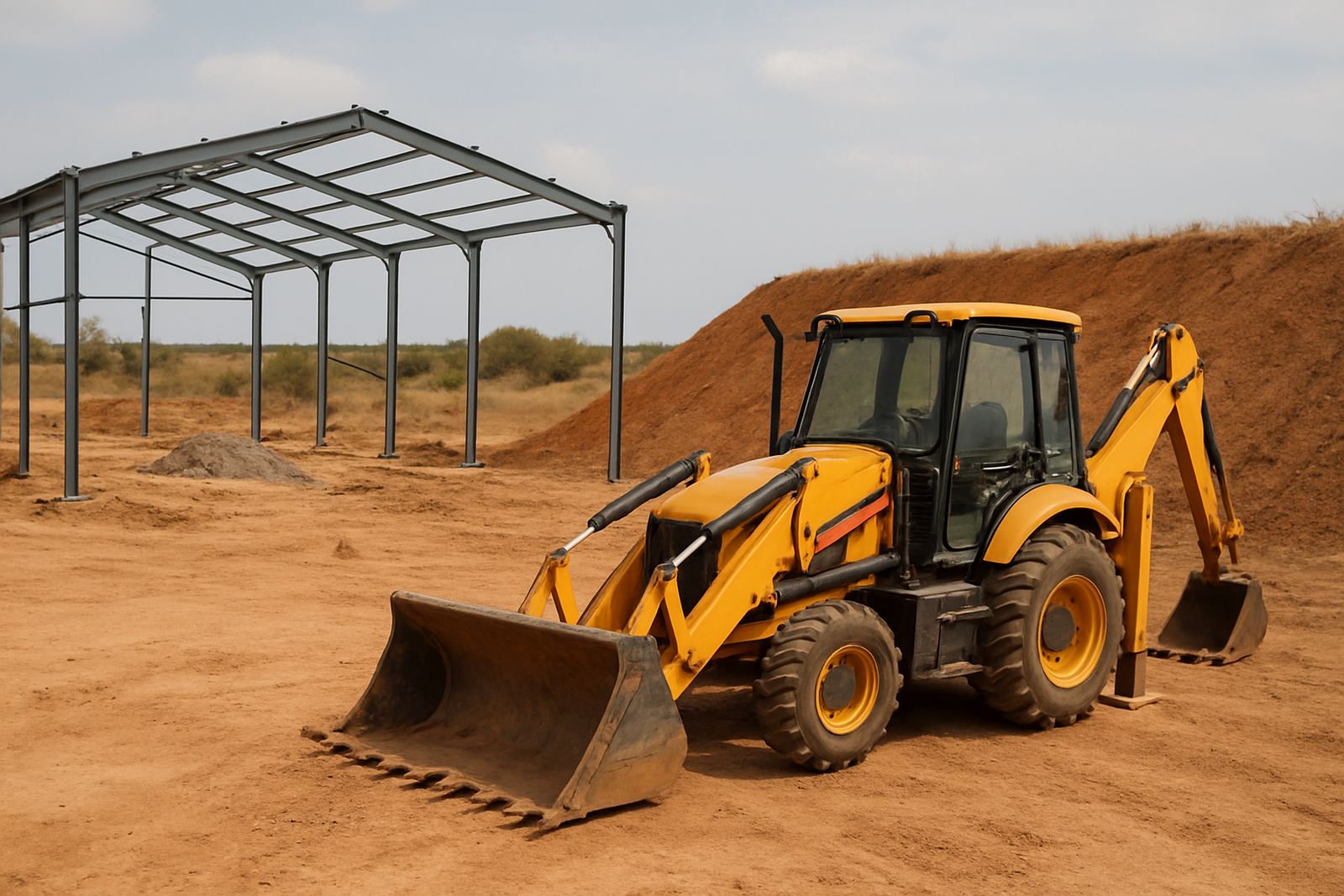
- Loaders for moving rubble and stockpiling material for removal
- Tipper trucks or site transport support for spoil movement
- Generators for temporary power where mains supply is off or limited
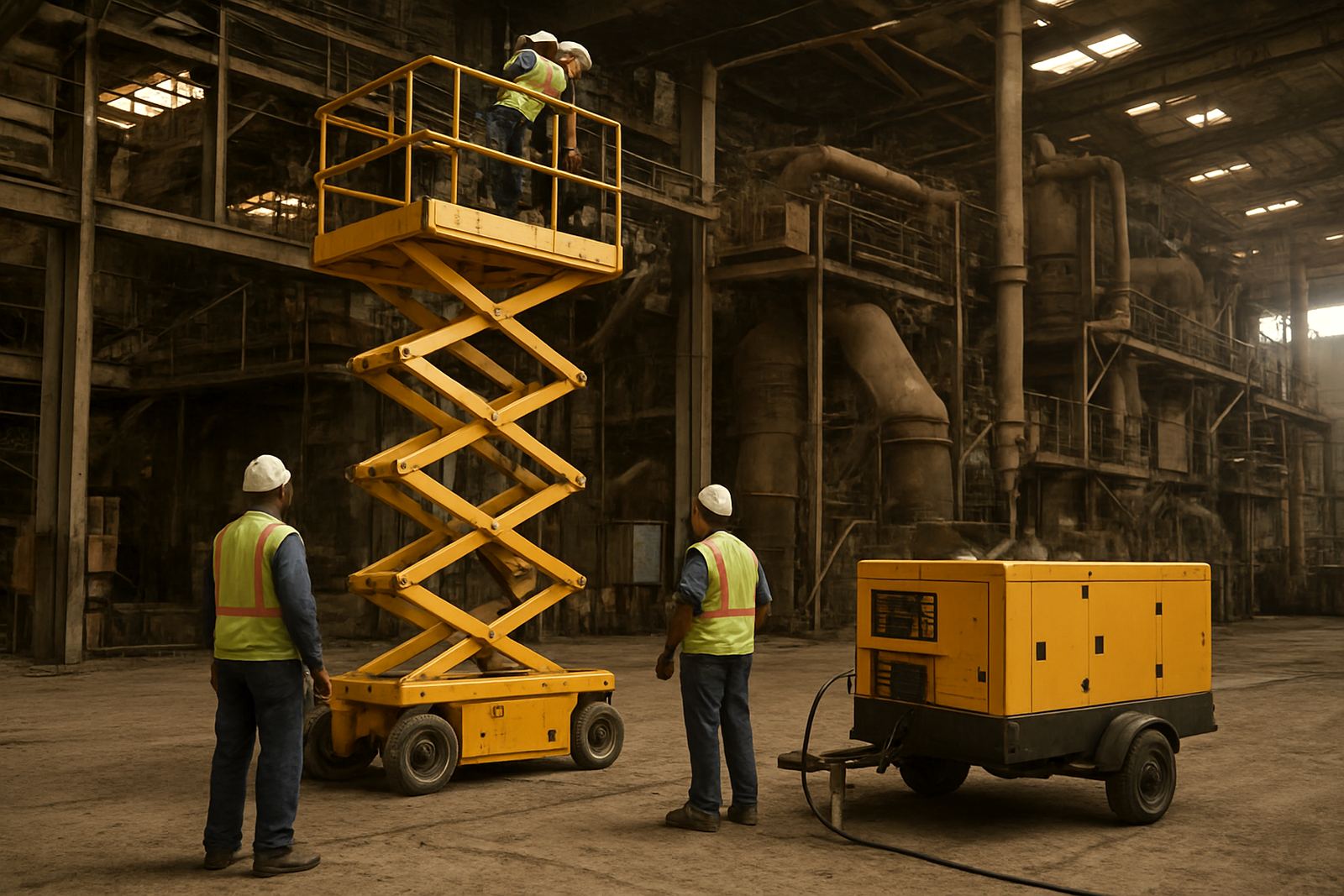
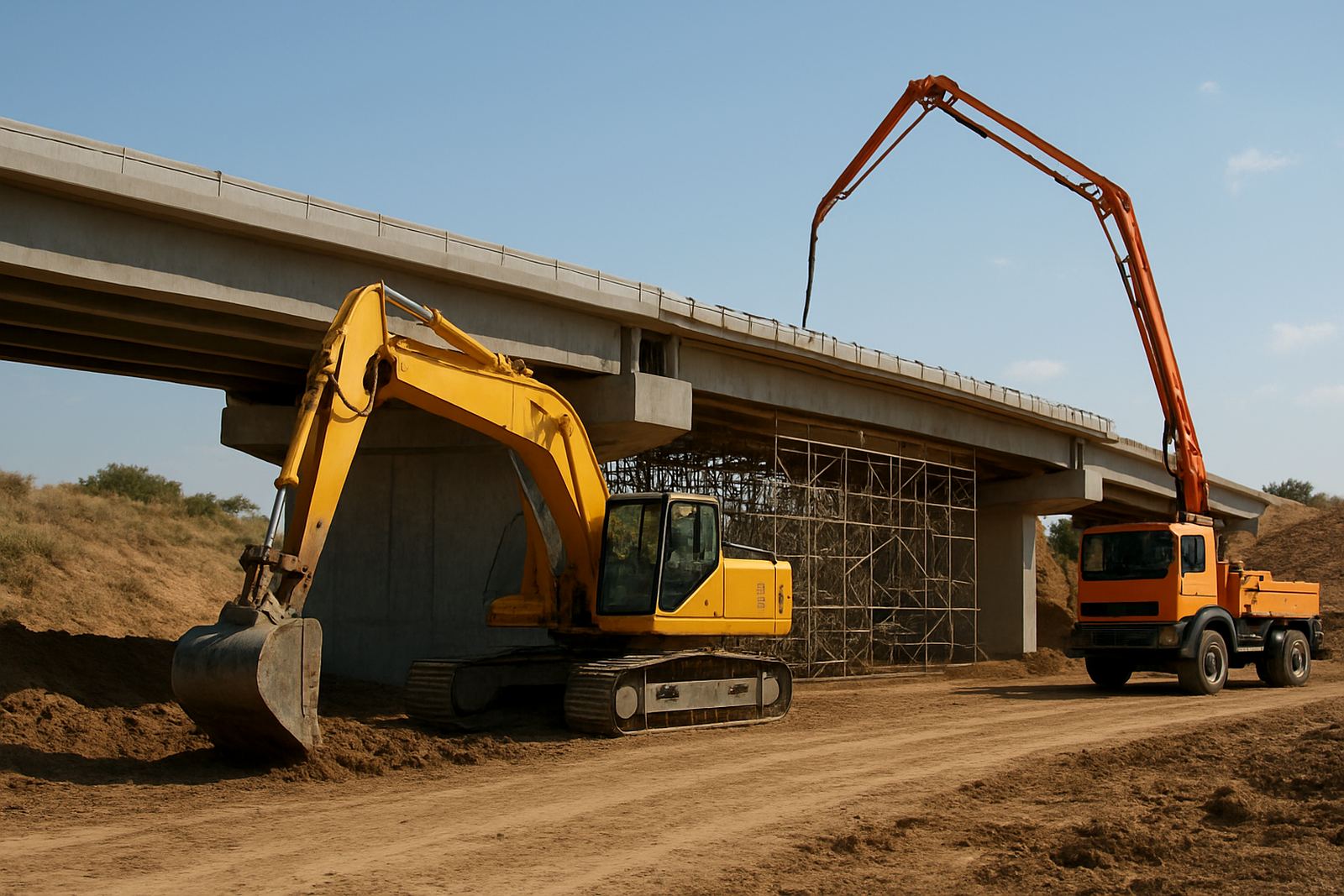
- Scaffolding and access gear for strip-outs, soffits and high work
- Water tanks or dust control support where suppression is required
For tighter city sites, smaller machines often make more sense than going big. On larger clearances around Alberton, Midrand or Bellville, a stronger machine mix can save days, especially where broken concrete and steel are coming out in volume.
Planning the layout so machines can work and trucks can leave
Demolition work goes smoother when the layout is planned before the first cut. Access lanes, rubble stockpiles, exclusion zones and collection points should all be set out early. A machine that can swing freely on day one may be blocked on day three if material piles are left in the wrong place.
On many sites, the best setup is a simple one-way flow. Breaking happens at one point, rubble moves to a temporary stockpile, then trucks or loaders remove it without crossing active work zones. This cuts down on congestion and keeps operators away from pedestrians and other trades.
- Allow enough turning space for low-bed deliveries and collection trucks
- Keep breaker work away from boundary walls, glass and live services
- Reserve a flat area for fuel, servicing and safe machine parking
- Plan lighting early for winter starts and late knock-off times
- Separate clean material from mixed rubble if sorting is part of the job
In coastal areas like Durban and Cape Town, salt air can affect neglected equipment somtimes faster than expected, so pre-start checks and on-site servicing help avoid unwanted stoppages.
Safety, dust control and compliance on live demolition work
Demolition sites need tight control. That includes documentation, site induction, operator competence and enough warning around the work face. Where a project sits close to public walkways, busy roads or occupied buildings, the site team must keep the machine plan aligned with the safety plan.
Dust, vibration and noise are the usual trouble spots. Water suppression, scheduled breaking, clear exclusion lines and proper PPE reduce the risk, while the right machine size helps avoid overworking the structure. If a project is near a municipal boundary or in a dense township setting, it is worth checking local requirements before work starts, not after complaints come in.
- Use operators only where the site risk assessment allows it
- Keep demolition sequences clear, especially around load-bearing sections
- Have safety documentation ready for inspections and site handovers
- Arrange service checks before long shifts or weekend work
Good compliance is not paperwork for the sake of it. It keeps the crew working and helps the principal contractor avoid delays.
Common mistakes that push up the cost
Most avoidable demolition delays come from bad planning. The machine arrives and the access is too narrow, the rubble pile blocks the exit, or the breaker is too small for the concrete on site. Those problems cost more than a slightly larger hire package would have.
Another common mistake is underestimating support needs. A breaker alone will not clear a site. You still need loading, off-hire collections, fuel planning and sometimes a standby machine if the first unit is tied up on a hard section. On bigger jobs, a plant swop-out can save the day when a machine is working beyond its practical limit.
- Choosing a machine that cannot physically fit through the access point
- Skipping dust suppression and then losing time to complaints
- Not allowing for rubble volume, especially with reinforced concrete
- Leaving servicing too late and then waiting for a breakdown fix
Budget ranges for demolition hire in Rand
Demolition hire costs depend on machine size, duration, operator supply, fuel, transport and how much standby time is needed. Short-term breaking work usually prices differently from longer strip-outs where the machine stays on site for weeks.
As a practical guide, smaller demolition support packages can start from around R6,500 to R15,000 per day, depending on the machine and attachments. Mid-size excavator and breaker combinations often fall in the R18,000 to R45,000 per day range. Larger machines, multiple units, operator supply and on-site servicing can take a project into the R60,000 plus range per day on high-volume sites.
For longer work, weekly and monthly hire can lower the daily rate. Long-term hire is often the better option when the demolition phase runs in stages or when access is changing as the building comes down.
How we support demolition crews from Germiston to the coast
We work from Germiston and support demolition sites across Gauteng, KwaZulu-Natal and the Western Cape through nearby hire depots and dispatch planning. That matters when a job needs same-day dispatch, weekend support, or a quick replacement because the site cannot afford downtime.
Our team handles site deliveries, breakdown response, on-site servicing, fuel management, safety documentation and off-hire collections. That keeps the hire practical for contractors working on offices, retail strips, warehouses and industrial units. For demolition work, speed matters but so does the condition of the machine when it arrives.
If you are planning a controlled strip-out or full demolition, the best starting point is to map the access, rubble volume and working hours first. From there, we can help you choose the machine mix that suits the site and the budget, without oversupplying gear you will not use.