What roadworks crews usually need on site
Road jobs move fast. One day you are milling a shoulder, the next you are placing base material or lifting precast kerbs and setting drains. That means the hire plan has to cover earthmoving, lifting, compaction, power and site control without overloading the yard or the access road.
For most roadworks sites around Germiston, Midrand, Pretoria East, Durban, Pinetown, Bellville and Cape Town, the basic kit starts with excavators for trenching and loading, tip trucks for spoil removal, rollers for compaction and generators for temporary power. Smaller units like plate compactors, breakers, water pumps and lighting towers often make the difference between a smooth shift and a stop-start day.
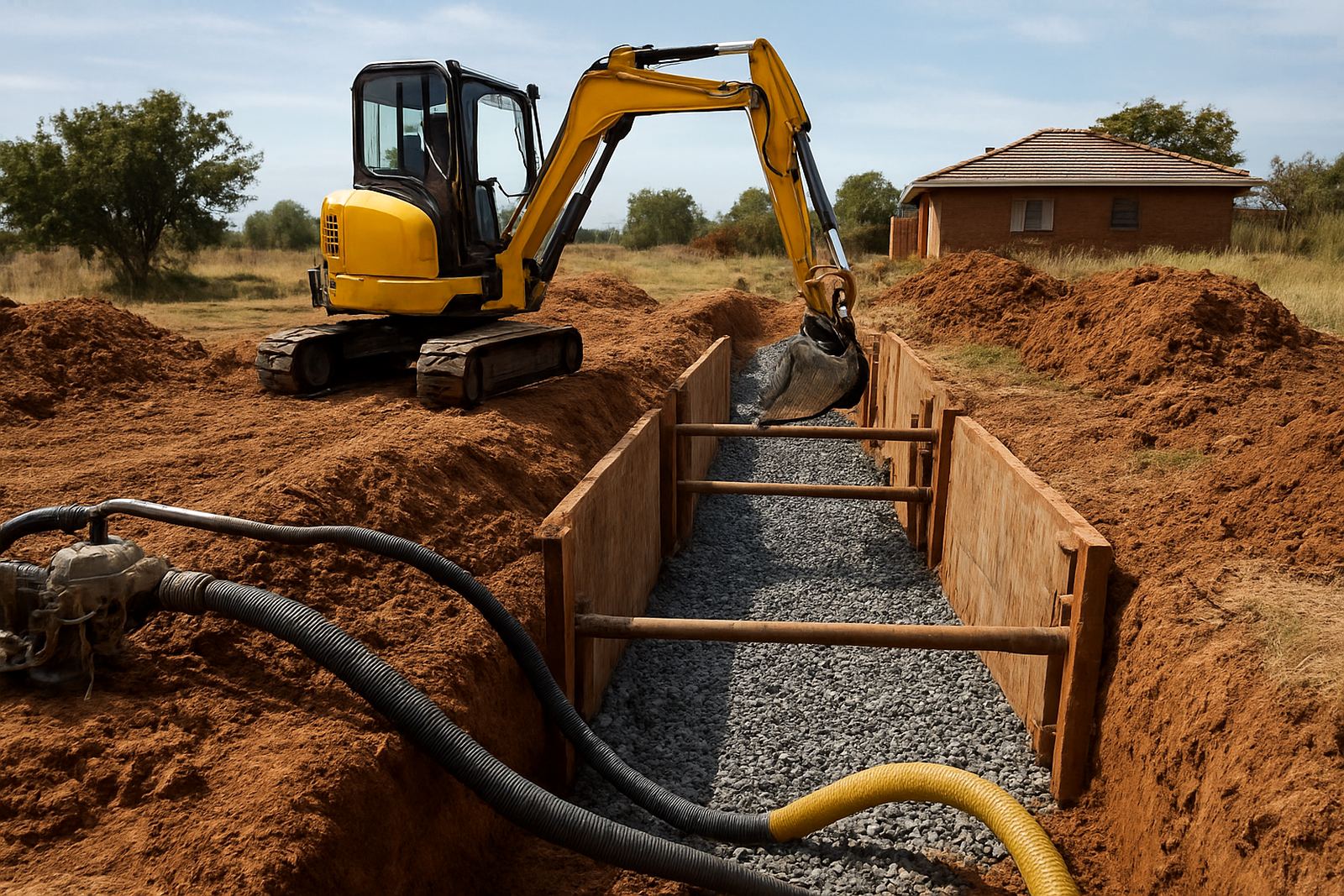
- Excavators for drainage trenches, culverts and trench backfill
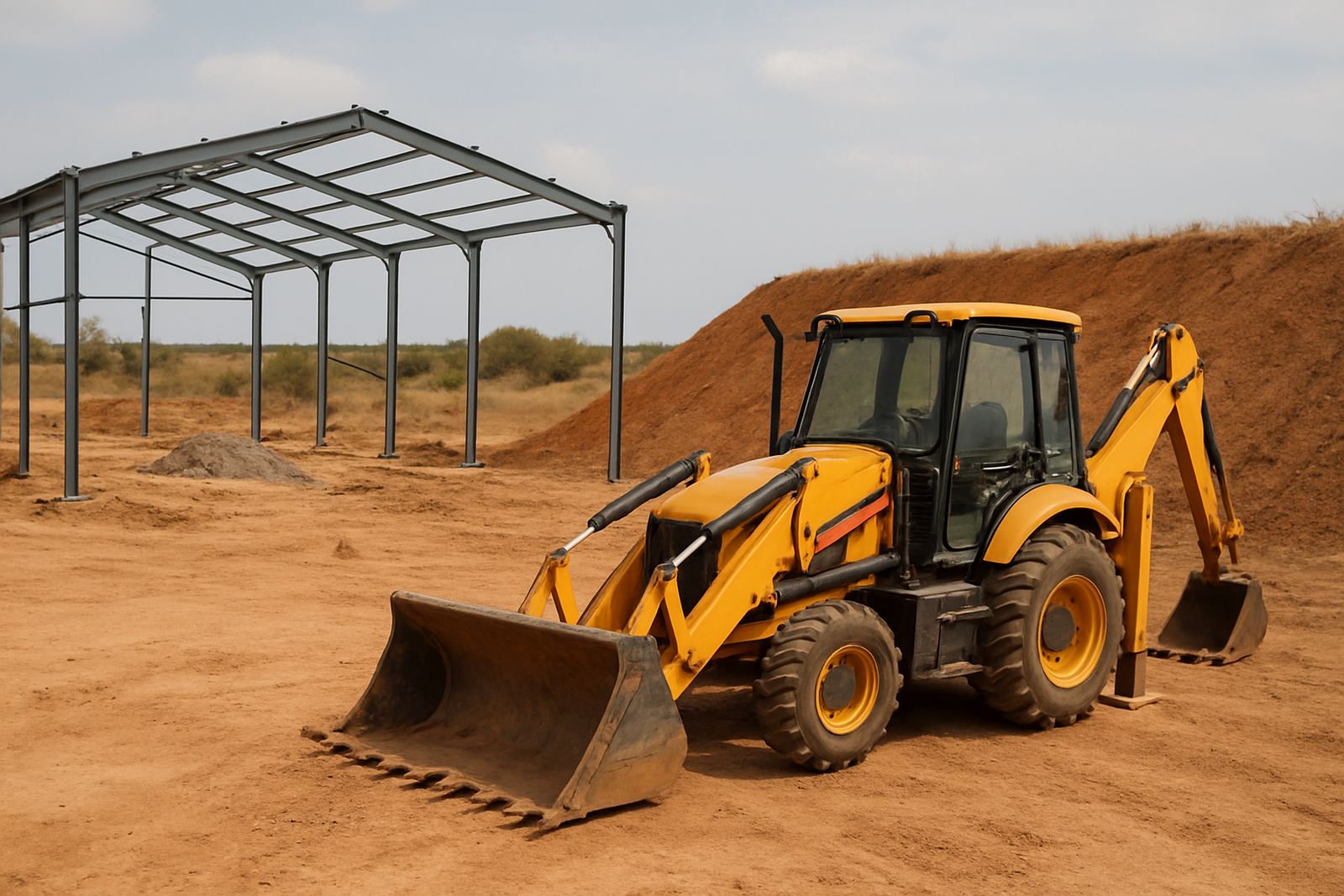
- Loaders and tip trucks for spoil, sand and aggregate movement
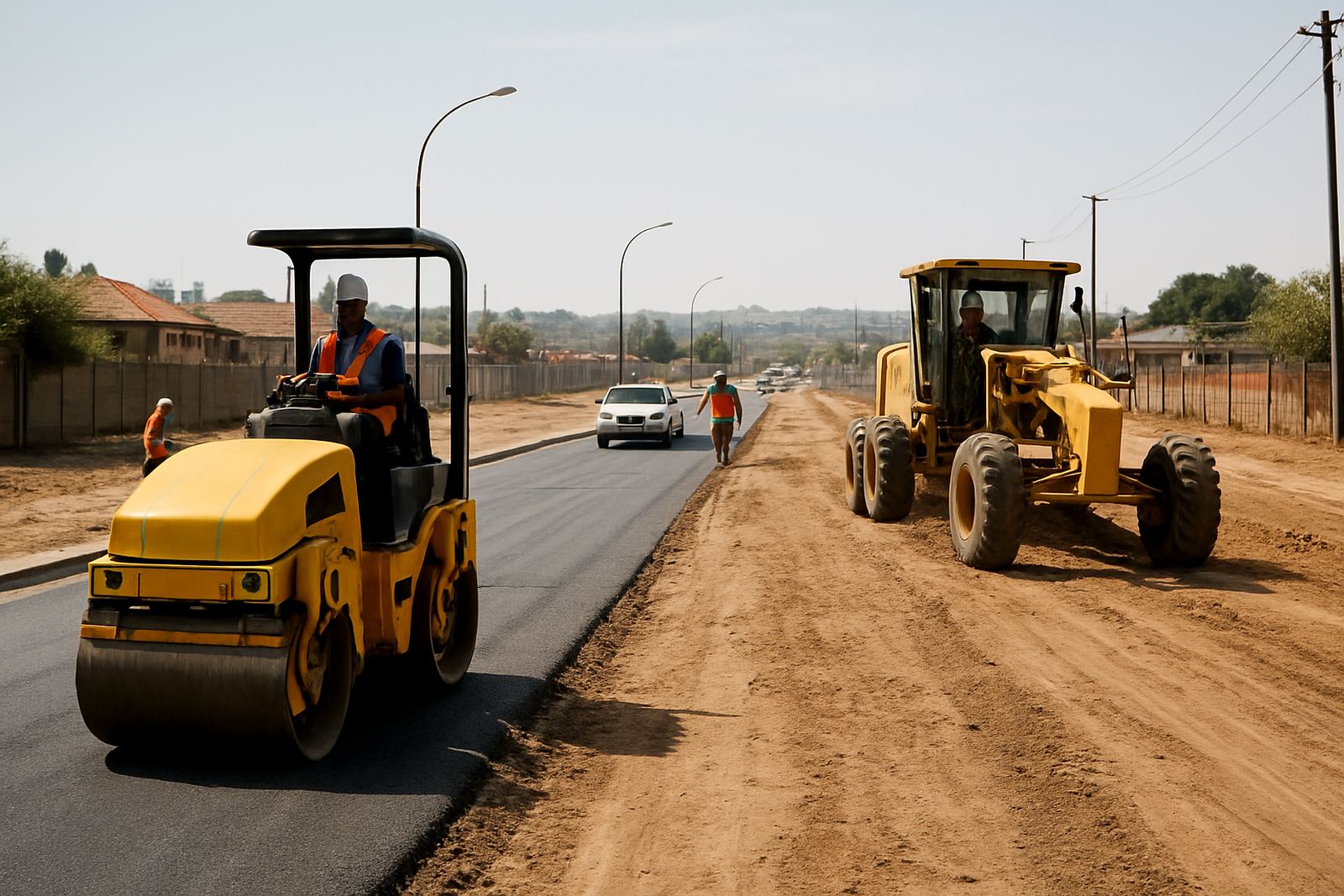
- Rollers and plate compactors for subbase and patch work
- Generators for batching, lighting and tools during load-shedding
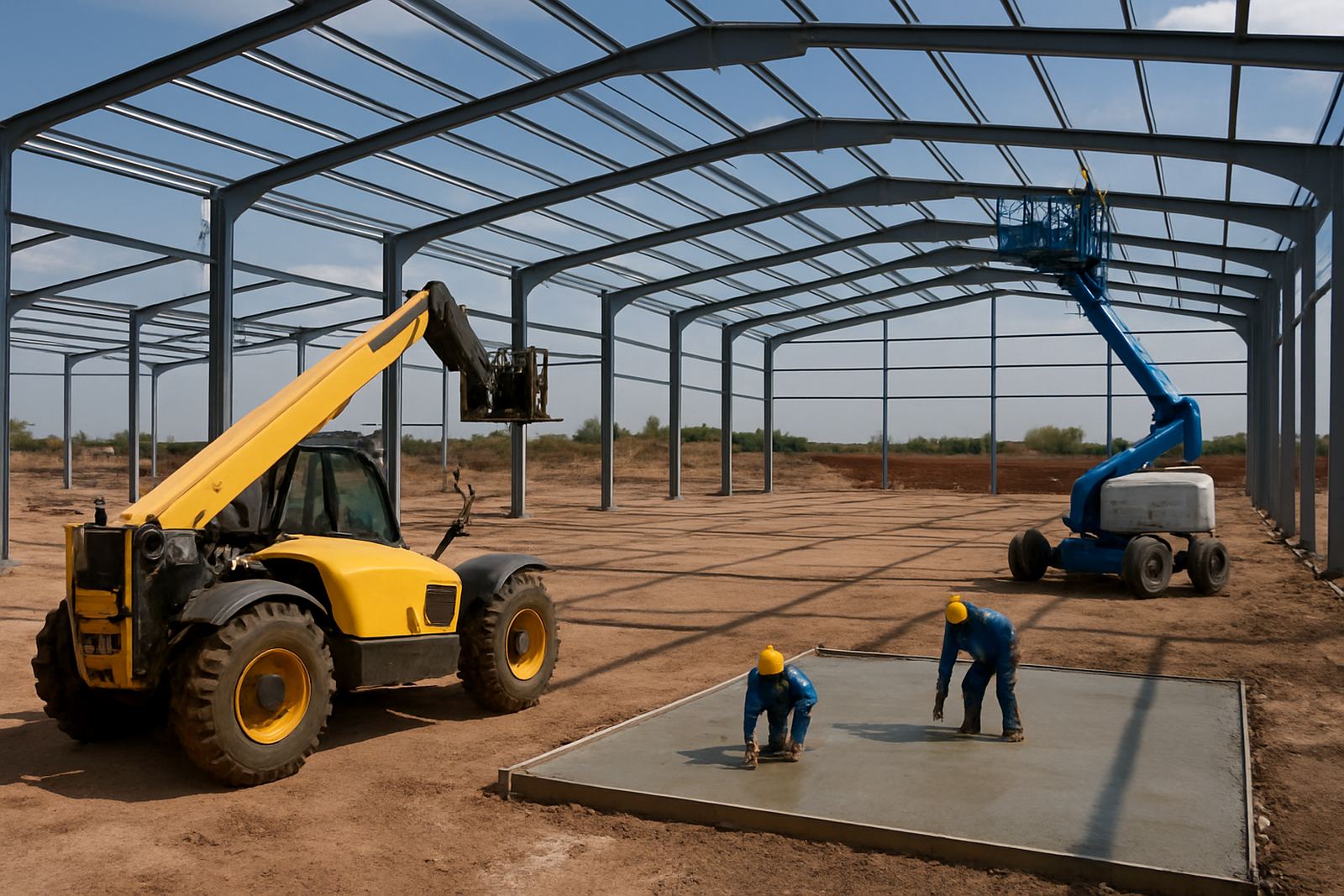
- Scaffolding and access gear for bridge edge work and kerb forms
Typical plant mix for resurfacing and drainage upgrades
Resurfacing jobs often need a different mix to greenfield road building. If the site is mostly patching, kerb repairs and stormwater upgrades, you want compact plant that can move between sections quickly and work safely beside traffic cones, barriers and flag personnel. On busier roads, smaller machines are easier to stage and less likely to block lane closures.
A practical hire set usually includes an excavator in the 3 to 8 ton range for trenching and removal, a larger unit where deep drainage is involved, and a roller sized to the width of the lane or shoulder. Where kerb work is being done in batches, a generator and a light tower help keep production moving after dark or during evening shifts, especially when the power is unstable.
- Mini excavators for tight urban cuts and service crossings
- Mid-size excavators for manholes, culverts and bulk loading
- Single drum or ride-on rollers for compaction control
- Water carts or water trailers for dust suppression on dry stretches
- Lighting towers for night work, detours and weekend closures
For coastal routes in Durban, Pinetown and Cape Town, equipment should be checked for corrosion and proper daily servicing. Salt air and fine dust can wear pins, hoses and electrics quicker than people expect, so planned maintenance matters.
How to plan the layout before the first delivery
A roadworks site works best when the plant sequence matches the job sequence. Put the machines that do the first cut closest to the active face, then place compaction and support gear where it can be reached without crossing live traffic. If the site is long, split the plant into sections so the crew is not dragging hoses, fuel cans and tools up and down the road all day.
We advise clients to plan for delivery access, turning room and off-load points before the first truck arrives. In Gauteng industrial areas like Germiston and Boksburg, entrances are often tight and shared with other contractors, so it helps to mark a clear drop zone. On municipal work, keep sight of permit conditions, working hours and any noise or water restrictions. A neat laydown area also reduces theft and damage after hours.
- Keep heavy plant away from soft verges and unsealed shoulders
- Allow space for trucks to reverse and off-load safely
- Separate fuel storage from public walkways and open flame work
- Park spare equipment where it will not block the next phase
- Use clear signage for plant routes, pedestrian access and detours
Common mistakes that slow roadwork crews down
One common mistake is hiring too much machine for a small scope. A large excavator on a narrow road can create more problems than it solves, especially where traffic is still moving past the site. Another mistake is under-hiring support items. A crew may have the digger but no generator, no lighting tower and no proper compaction gear, which means the main machine sits idle while the rest of the work waits.
We also see jobs delayed because the site does not have a backup plan for breakdowns or fuel shortages. If a roller or excavator goes down mid-shift, the whole programme slips. That is why weekend support, swop-outs and breakdown response are useful on road contracts. It is also worth checking operator supply early if your own team is stretched or working split shifts.
A final issue is poor off-hire planning. When a section is complete, the unwanted plant should go back quickly so it does not sit in the way of the next phase. If you leave old gear parked too long, the site clutters up and the foreman loses control of the workface.
Budget ranges for roadworks hire in Rand
Roadworks budgets depend on machine size, duration, transport distance and whether you need operators or on-site servicing. For short-term work, many contractors budget per day or per week. For longer projects, monthly hire gives better control and makes it easier to plan around sections, especially where the programme runs over several phases.
As a rough guide, smaller support equipment can start from a few hundred Rand a day, while excavators, rollers and generators usually sit in the low thousands per day depending on spec and hours. Longer-term hire can reduce the daily rate and make transport easier to manage. Fuel, standby time, operator supply and after-hours callouts should be costed separately so the final figure is not a surprise.
For a mixed roadworks package, a short job might run from around R15 000 to R45 000 for a basic week of support plant, while larger multi-section contracts can move well above R100 000 once you add excavators, rollers, trucks and power equipment. The right plan is the one that matches the phase of work not the biggest machine on the list.
Why contractors call MachinesAfrica Rentals for road jobs
Our Germiston base gives us strong access into Johannesburg, Pretoria, Boksburg and the East Rand, while our depots in Durban, Pinetown, Cape Town and Bellville help keep delivery times practical for projects in other provinces. That matters on road jobs, because delays on plant delivery usually mean delays on labour, materials and traffic management too.
Clients use our enquiry form when they need site delivery, same-day dispatch, long-term hire, fleet planning or a quick plant swop-out. Sibusiso Mthembu leads the business, with support from Annelie van Wyk, Thabo Nkosi, Zanele Dlamini, Willem Erasmus and Nokuthula Khumalo. The team works with contractors who need reliable equipment and straight answers, especially where safety files and compliance docs have to be ready before the crew starts.
Whether the job is a suburban resurfacing patch, a kerb replacement programme or a full drainage upgrade, we help you match the machine to the task and keep the site moving.